In high-rise construction and structural framing, achieving precise vertical alignment of formwork, steel columns, and precast elements is critical to structural integrity and dimensional accuracy. Traditional methods relying on plumb bobs or spirit levels introduce cumulative error over height and require frequent manual verification. A laser column clamp integrates a laser transmitter with a mechanical clamping mechanism to provide continuous, hands-free vertical reference directly attached to the structural member being aligned.
The device mounts securely to H-beams, box columns, or circular sections using adjustable jaws or straps, positioning the laser emitter coaxially with the column’s longitudinal axis. As the column is erected or adjusted, the laser projects a vertical plane or point that serves as a real-time alignment target for nearby formwork, guides, or adjacent structural elements. This eliminates the need for separate string lines or optical levels, reducing setup time and minimizing human error in alignment tasks.
Laser column clamps are particularly valuable in core wall construction, elevator shaft fabrication, and bridge pier assembly where tolerances for verticality are tight—often within 1:500 or 1:1000—and where access for traditional surveying tools is limited. By maintaining a fixed relationship between the laser reference and the column itself, the system ensures that alignment checks remain valid even if the column experiences minor movement during concrete pouring or welding operations.
Laser column clamps are primarily used during the erection of vertical structural elements where maintaining strict plumb tolerance is essential for subsequent construction phases. In concrete frame buildings, they ensure that column formwork is aligned within tolerance before pouring, preventing rework due to misalignment that could affect beam connections or slab elevations. The laser reference allows multiple crews to work simultaneously on different floors using the same vertical datum, improving coordination.
In steel erection, the clamp verifies that columns are erected plumb before bolting or welding, reducing reliance on temporary guy wires or turnbuckles. For precast concrete elements, it aids in positioning columns or wall panels during lifting and placement, especially when erecting lift-slab or tilt-up systems where vertical alignment directly impacts joint fit and grout coverage. The device is also used in shaft construction—elevator, stairwell, or utility cores—where cumulative vertical error over multiple floors must be minimized.
Beyond primary alignment, laser column clamps assist in checking the verticality of embedded items such as anchor bolts, conduit sleeves, or reinforcement cages before concrete encasement. They are also employed in renovation projects to assess existing column plumbness prior to adding new loads or modifying structural layouts. The portability and quick setup make them suitable for both permanent installation during construction and temporary use during inspection or quality control surveys.
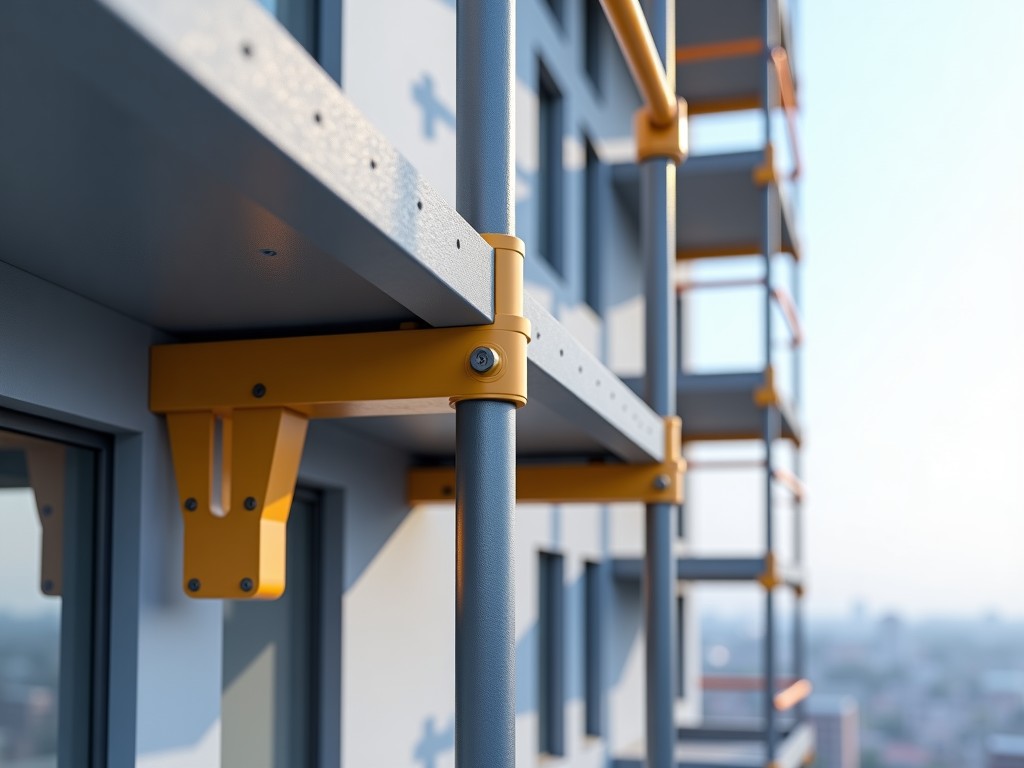
The clamping mechanism must generate sufficient force to resist movement under vibration, wind load, or accidental impact without damaging the column surface. For painted or galvanized steel, padded jaws or nylon inserts prevent marring; for concrete or precast elements, wide-contact straps distribute pressure to avoid spalling. The laser module is mounted within a shock-resistant housing with internal damping to maintain calibration despite site-level vibrations.
Power efficiency is prioritized through laser diode pulsing and ambient light sensing—some models adjust brightness based on environmental conditions to extend battery life. The self-leveling mechanism typically uses a pendulum or electronic inclinometer with feedback control; mechanical pendulums offer simplicity and reliability, while electronic systems provide faster settling and remote monitoring capability. Housing design includes sealing gaskets and recessed controls to prevent ingress of concrete dust, moisture, or debris.
| Feature | Standard Model | Heavy-Duty Model | Miniature Model |
|---|---|---|---|
| Clamping Range (Width) | 100–400 mm | 150–600 mm | 50–250 mm |
| Laser Type | 635 nm red, Class 2 | 520 nm green, Class 2 | 635 nm red, Class 2 |
| Battery Life | 8 hours | 12 hours | 6 hours |
| Housing Material | Glass-reinforced nylon | Die-cast aluminum | ABS plastic |
| IP Rating | IP54 | IP65 | IP54 |
| Typical Use Case | General column alignment | Bridge piers, heavy steel | Confined spaces, retrofit |
Selection among variants depends on site conditions and structural dimensions. The standard model suits most commercial and residential framing; the heavy-duty version is preferred for large-scale infrastructure where column sizes exceed 500 mm or where exposure to wet concrete and abrasive dust is prolonged. The miniature model is used in retrofitting or interior partitions where clearance is limited and column sizes are smaller, such as in steel stud walls or hollow core concrete installations.
Each unit undergoes functional testing before shipment, including laser power output verification, self-leveling accuracy check (±0.5 mm/m deviation), and clamping force validation. Battery endurance is tested under continuous operation at 20°C ambient temperature. Housing seals are verified via dust and water ingress testing to confirm IP rating compliance. Units are subjected to vibration simulation mimicking site transport and handling to ensure internal components remain aligned.
Calibration traceability is maintained through reference to national laser safety and alignment standards. While individual units are not typically certified to project-specific tolerances, manufacturers provide calibration certificates upon request documenting laser wavelength, power, and divergence. For critical applications, users may perform field verification using a known vertical reference such as a plumb laser dropped from a higher floor or a calibrated optical plummet.
To ensure accurate reference, the clamp should be mounted as close to the geometric center of the column cross-section as possible, with the laser axis aligned parallel to the column’s longitudinal axis. Avoid mounting near surface irregularities, weld seams, or attached hardware that could tilt the housing. After installation, allow the self-leveling mechanism to settle (typically 2–5 seconds) before relying on the laser output. Verify the laser line or point is visible at the intended working height; use a target card or scale for fine alignment checks.
In bright sunlight, green lasers offer better visibility than red, though at higher power consumption. If ambient light overwhelms the laser, use a laser detector or enhance contrast with a reflective target. Do not stare directly into the laser beam; although Class 2 is considered safe for momentary exposure, prolonged viewing should be avoided. When not in use, store the clamp in a protective case to prevent lens scratching or impact damage to the housing.
Regular maintenance includes cleaning the laser aperture with a soft, lint-free cloth, checking strap or jaw wear, and verifying battery contacts for corrosion. If the laser output appears dim or unstable, replace the battery first—low voltage is a common cause of inconsistent performance. For long-term storage, remove the battery to prevent leakage. Periodic recalibration is recommended every 6–12 months depending on usage intensity, or after any significant impact.
Manufacturers offer adjustable jaw sets to accommodate non-standard column profiles, such as tapered sections, box columns with varying flange thicknesses, or embedded steel plates. Straps can be supplied in different lengths or materials (e.g., polyester for chemical resistance, nylon for abrasion resistance) based on site conditions. Laser color (red or green) and output power can be selected based on visibility requirements—green is preferred for outdoor daylight use despite higher drain.
Some models support optional accessories: magnetic bases for temporary steel mounting, tripod adapters for use as a standalone laser level, or remote receivers for automated machine control integration. Cable glands or conduit fittings can be added for hardwired power in permanent installations. Firmware updates (where applicable) may improve leveling speed or add features like scan mode or pulse mode for enhanced visibility in specific lighting conditions.
Private labeling or OEM integration is available for distributors or equipment rental companies seeking branded solutions. Custom engraving, color-coded housings for fleet management, or specialized packaging for rental logistics can be arranged. Minimum order quantities and lead times vary based on the extent of modification—standard accessories are typically available from stock, while custom jaw sets or housing changes may require 4–6 weeks.
For technical consultation, customization requests, or quotation based on your project’s column specifications, laser visibility needs, and environmental conditions, please contact our engineering team.
Request Technical Specification or Quote