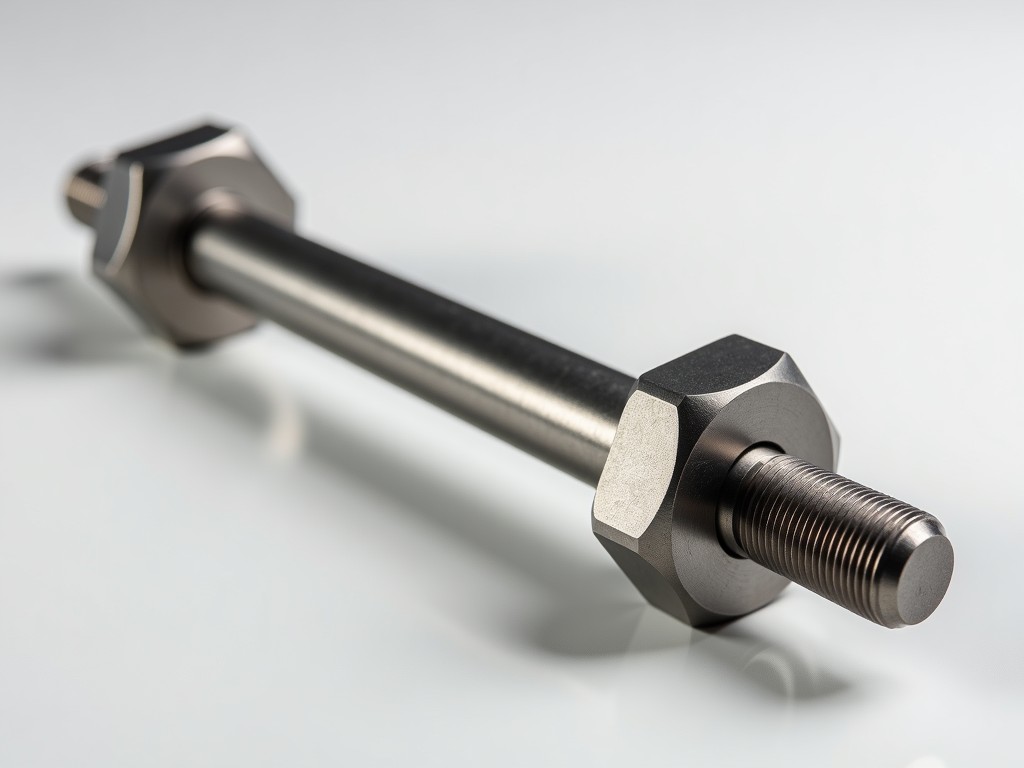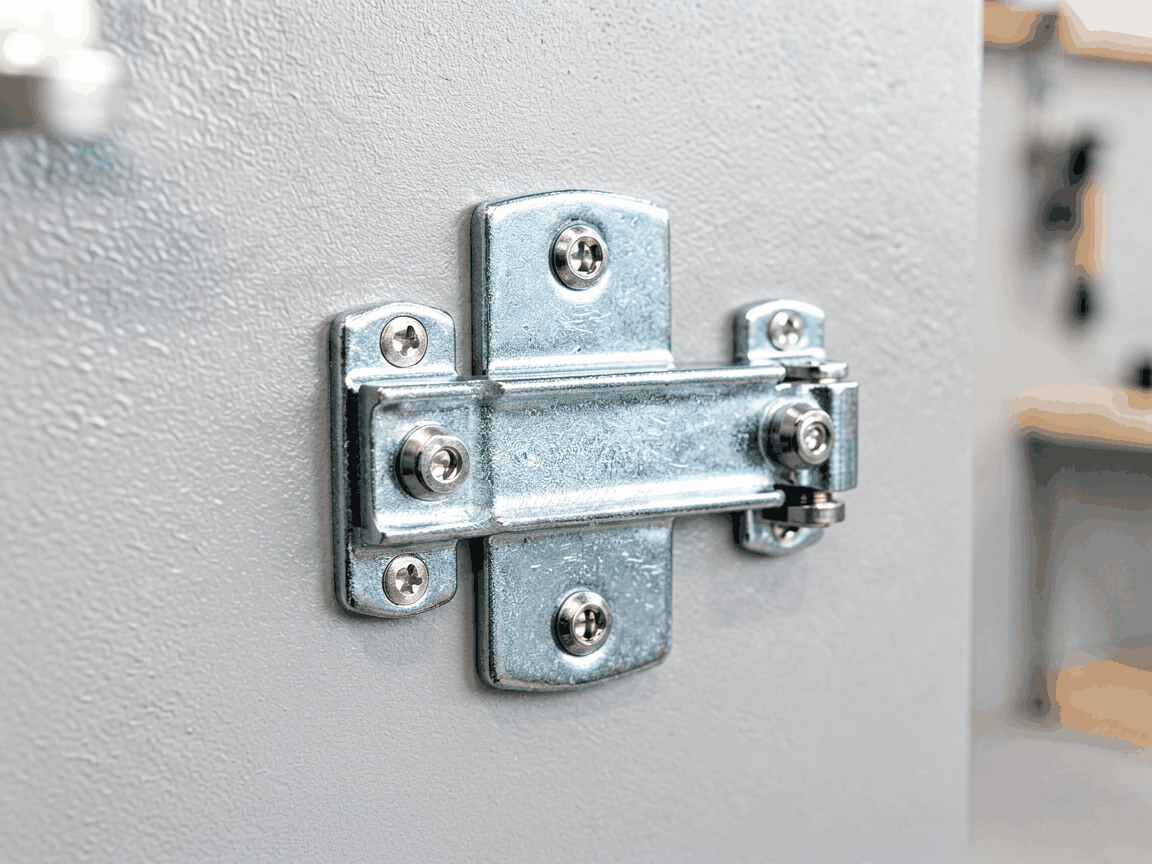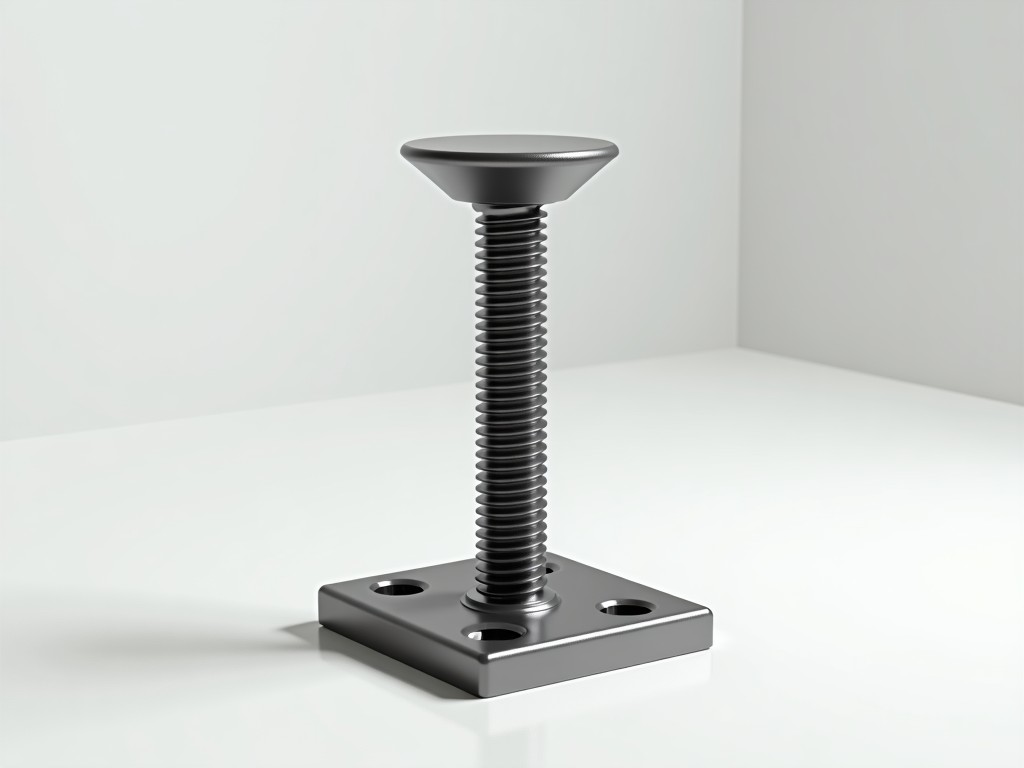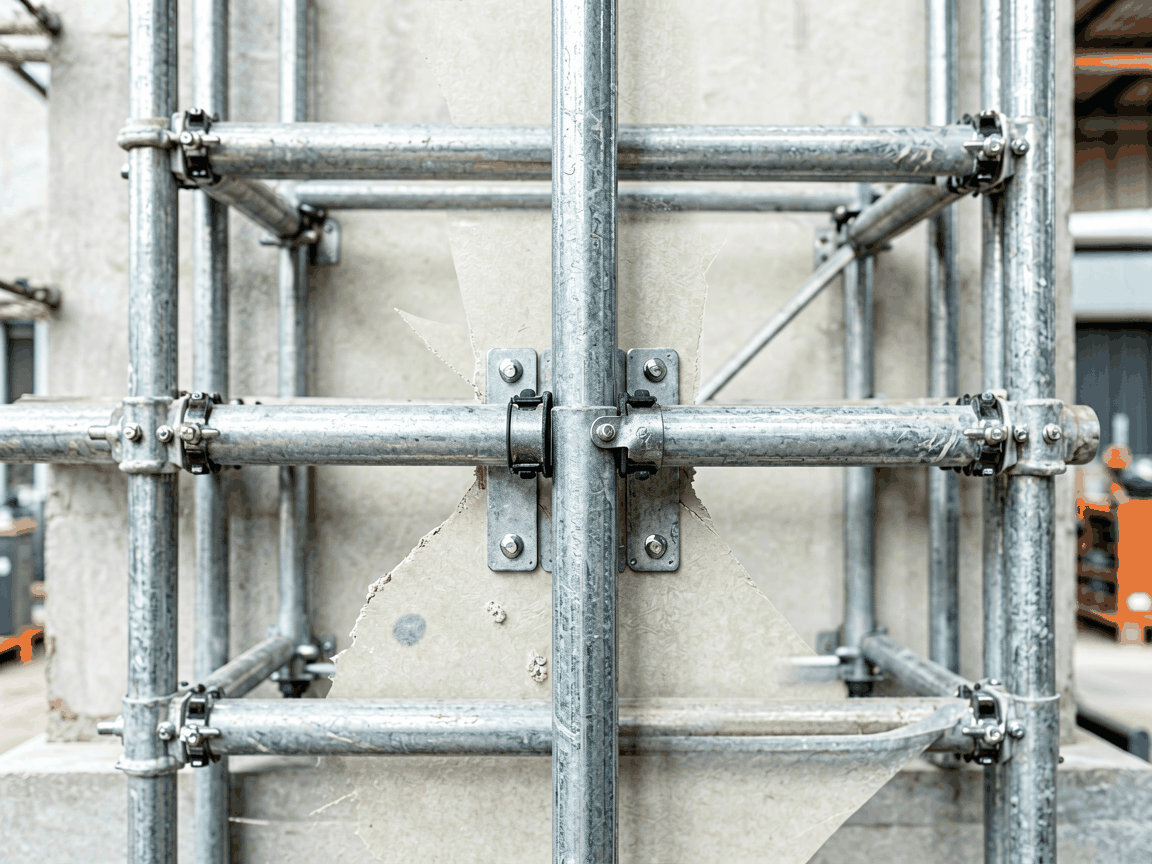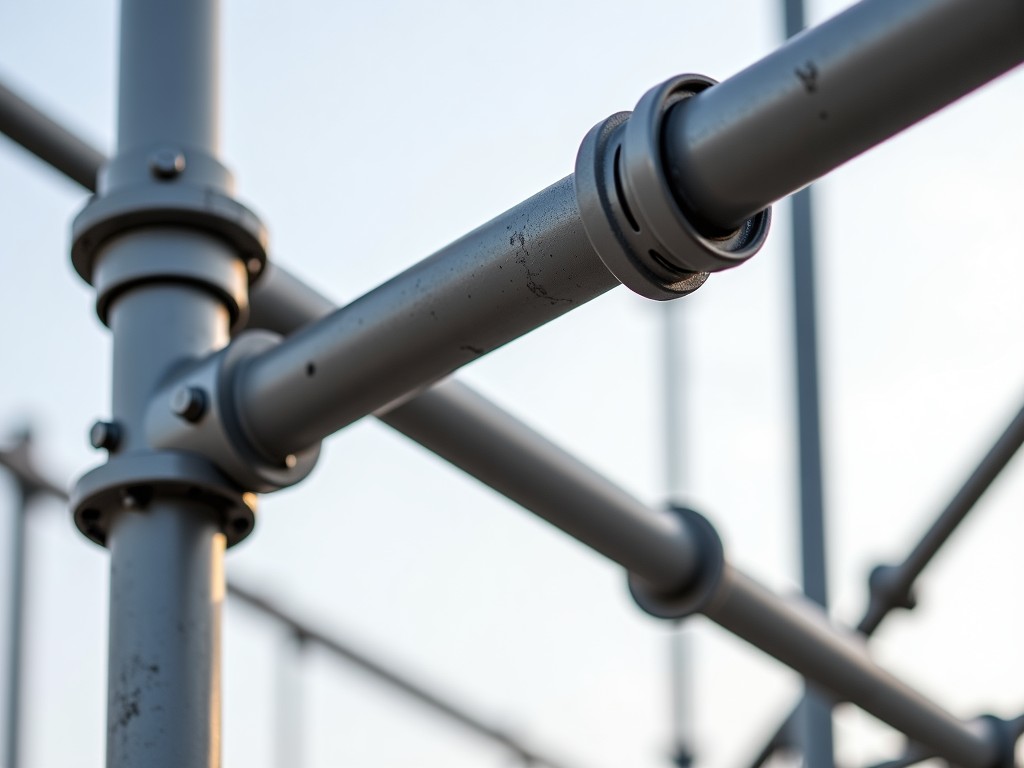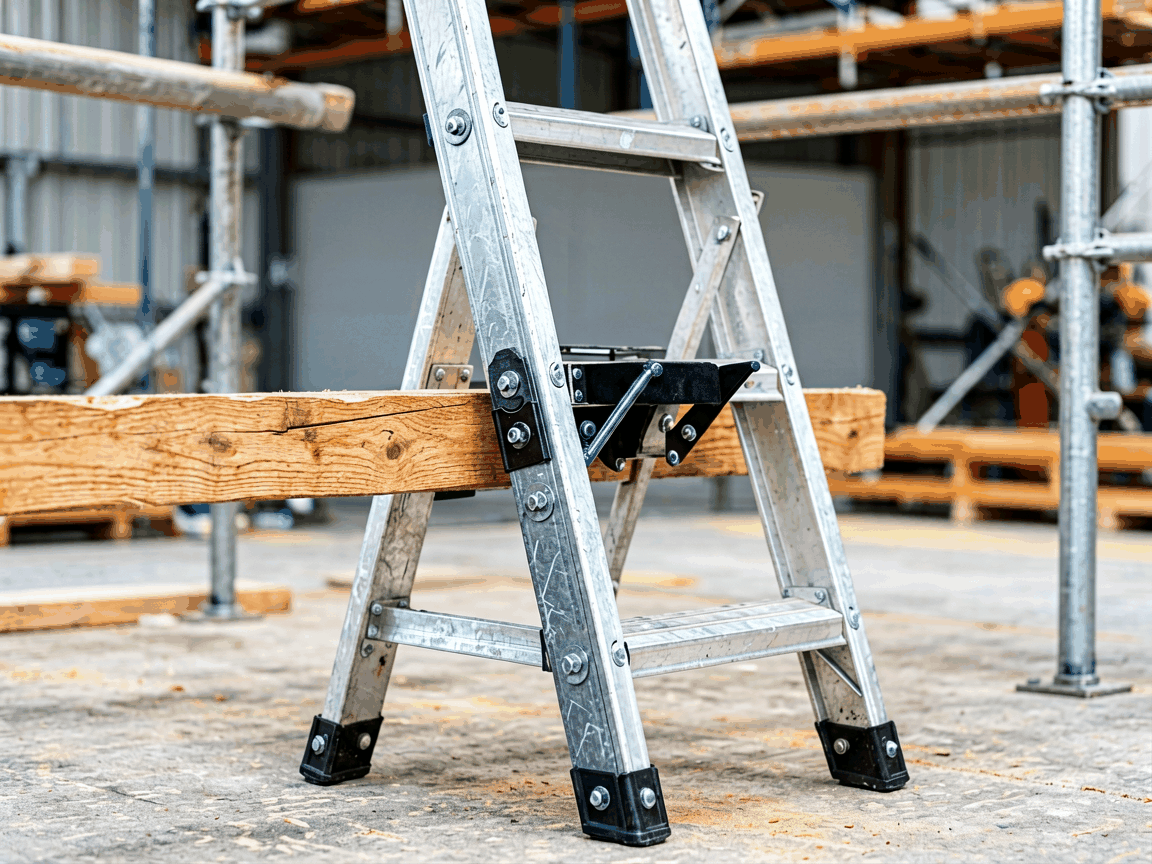
Ladder jack scaffold plank brackets are engineered interface components designed to securely connect extension ladders to horizontal scaffold planks, creating a stable elevated work platform for light to medium-duty construction, maintenance, and inspection tasks. These brackets transform standard ladders into functional scaffold systems by providing a load-bearing connection point that maintains plank alignment and prevents lateral displacement under working loads. Properly selected and installed brackets ensure compliance with applicable safety standards while enabling efficient setup for tasks requiring elevated access between 6 and 16 feet.
The load-bearing capacity of a ladder jack scaffold plank bracket is determined by its material cross-section, connection geometry, and the mechanical advantage of the jack mechanism. Typical designs utilize formed steel channels or plates with a minimum thickness of 8 mm to resist bending under concentrated loads at the plank interface. The jack assembly incorporates a threaded screw or cam-lock mechanism that applies clamping force to the ladder rail, with mechanical advantage calculated to achieve required holding force within operator-applied torque limits.
Most brackets are rated for a maximum distributed load of 250 plf (pounds per linear foot) across the plank span, assuming uniform weight distribution and proper installation on ladder rails within the manufacturer’s specified width range. Concentrated loads at mid-span must not exceed 250 lbs to maintain a safety factor of 4:1 relative to material yield strength. The bracket’s effective length—typically 10 to 14 inches—determines the moment arm resisting plank rotation, with longer arms reducing required clamping force but increasing susceptibility to ladder rail deflection.
Material choice directly impacts durability, weight, and suitability for specific environmental conditions. Hot-rolled steel (ASTM A36 or equivalent) is commonly used for its balance of strength, formability, and cost, with yield strength typically ranging from 36,000 to 50,000 psi. For applications requiring reduced weight or enhanced corrosion resistance, extruded aluminum alloys (such as 6061-T6) offer approximately one-third the density of steel while maintaining adequate stiffness for light-duty applications.
Surface treatment is critical for longevity in outdoor or humid environments. Steel brackets typically receive a zinc-phosphate primer followed by electrostatically applied polyester powder coating, achieving a minimum thickness of 80 μm to resist corrosion per ASTM B117 salt spray testing for 240 hours. Aluminum brackets may be left as-mill finish or anodized (Type II, Class 1) to enhance surface hardness and oxidation resistance. Stainless steel variants (Grade 304 or 316) are available for chemical exposure or marine environments but increase cost by 40–60% relative to coated steel.
Bracket design must accommodate the specific ladder rail geometry and plank thickness to ensure secure engagement without damaging components. Ladder jack brackets are typically engineered for extension ladders with rail widths between 1.5 and 2.25 inches, featuring a U-channel or clamp mechanism that adapts to slight variations within this range. The internal width of the ladder-receiving pocket is usually 1.75 inches with ±0.125-inch tolerance to allow for paint buildup or minor rail deformation.
Plank engagement is designed for standard scaffold planks measuring 1.25 inches in thickness, with a bearing surface width of 3.5 inches to distribute load across the plank’s flat face. Some models include adjustable plank seats or shims to accommodate thicker lumber (up to 1.5 inches) or engineered wood products. The vertical offset between the ladder rail contact point and plank bearing surface is typically 1.25 inches, ensuring the plank sits level when the ladder is positioned at a 75.5-degree angle—the recommended operating angle for extension ladders under ANSI A14.2.
Correct installation is essential to prevent plank slippage or ladder instability. Begin by extending the ladder to the desired height and securing the base against slip using ladder levelers or cleats on soft surfaces. Position the ladder so its rails are parallel to the work surface and the angle between the ladder and ground is approximately 75.5 degrees, verified using a ladder angle app or the 4-to-1 rule (1 foot out for every 4 feet up).
Slide the ladder jack bracket onto each ladder rail, ensuring the jack mechanism faces outward and the plank seat is oriented upward. Tighten the jack screw or engage the cam lock until firm contact is made with the ladder rail—typically requiring 15 to 25 ft-lbs of torque for screw-type jacks. Place the scaffold plank onto the brackets, ensuring it overhangs each bracket by no less than 6 inches and no more than 12 inches to prevent tip-over. Verify plank levelness using a torpedo level; adjust bracket height if necessary to compensate for uneven ground.
Before loading, perform a pre-use inspection: check for cracks, deformation, or corrosion on brackets; verify ladder rails are undamaged and free of oil or grease; confirm plank is sound, with no splits, knots, or rot exceeding allowable limits per ANSI/AF&PA NDS. Apply a test load of 50 lbs at mid-span and observe for movement; any visible shifting indicates improper installation and requires re-tightening or repositioning.
Ladder jack scaffold systems are particularly advantageous in scenarios where erecting full modular scaffolding is impractical due to space constraints, short duration, or irregular work surfaces. Common applications include exterior painting and stucco work on residential buildings, where workers need continuous lateral access along walls at consistent height. The system allows rapid repositioning as work progresses, reducing setup and teardown time compared to tubular scaffolding.
In facility maintenance, ladder jacks enable safe access for HVAC servicing, lighting replacement, or gutter cleaning along building perimeters. The low profile and minimal footprint make them suitable for use in confined areas such as between buildings or behind landscaping where larger scaffolds cannot be positioned. Electrical contractors use them for conduit installation or junction box access on exterior walls, benefiting from the non-conductive properties of wooden planks when working near energized components (though ladders must still meet dielectric requirements if used near live parts).
Inspection and repair tasks on bridges, tanks, or silos often employ ladder jacks for temporary access to elevated joints or seams. The ability to quickly adjust height accommodates work on tapered surfaces or varying elevations. Agricultural applications include barn maintenance, silo painting, or orchard pruning where ground conditions are uneven and permanent scaffolding is not economically justified. In all cases, the system’s effectiveness depends on proper ladder selection, plank integrity, and adherence to load limits—factors that must be evaluated during job planning.
| Parameter | Typical Value | Notes |
|---|---|---|
| Maximum Distributed Load | 250 plf | Uniformly distributed across plank span |
| Maximum Concentrated Load | 250 lbs | At mid-span; assumes 4:1 safety factor |
| Ladder Rail Width Compatibility | 1.5 – 2.25 in | Adjustable channel or clamp mechanism |
| Plank Thickness Compatibility | 1.25 – 1.5 in | Nominal lumber; engineered wood upon request |
| Vertical Offset (Ladder to Plank) | 1.25 in | Ensures level plank at 75.5° ladder angle |
| Material Options | Hot-rolled steel, 6061-T6 aluminum, 304/316 SS | Coatings: powder coat, anodize, or mill finish |
| Surface Treatment (Steel) | Zinc-phosphate + polyester powder coat | 80 μm thickness; 240 hr salt spray resistance |
When specifying ladder jack scaffold plank brackets for procurement, provide the following details to ensure accurate quotation and suitability: ladder type and rail dimensions (width, thickness, material), intended plank material and thickness, expected load conditions (uniform vs. concentrated, magnitude), environmental exposure (indoor/outdoor, chemical presence, humidity), and required quantity. Indicate if certification to specific standards (e.g., ANSI/ASSE A10.8, OSHA 1926 Subpart L) is required for documentation purposes.
Manufacturers typically offer brackets in left-hand and right-hand configurations to match ladder orientation, though symmetric designs are available for universal use. Custom modifications—such as altered plank seat width, extended jack travel for taller ladders, or integrated toe-board mounts—can be discussed during quotation. Lead times vary from 2 to 4 weeks for standard configurations to 6–8 weeks for custom fabrications, depending on material availability and complexity.