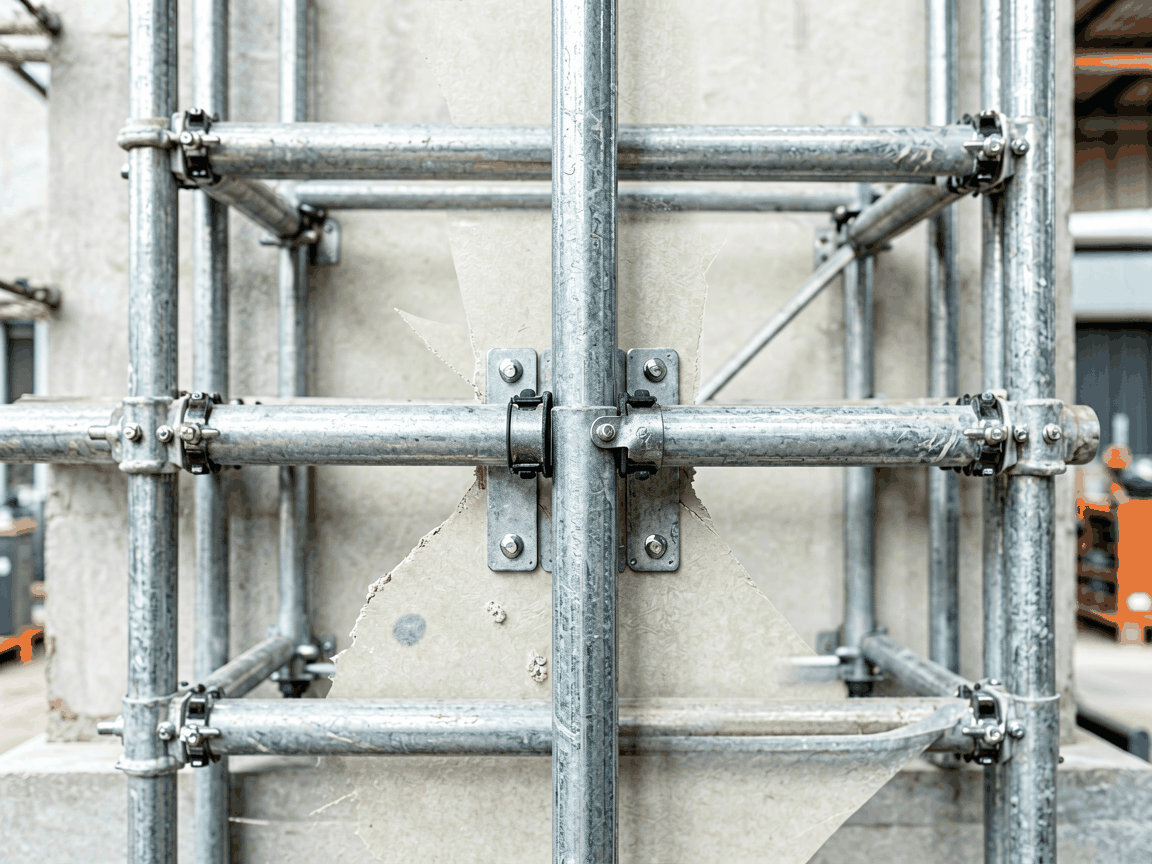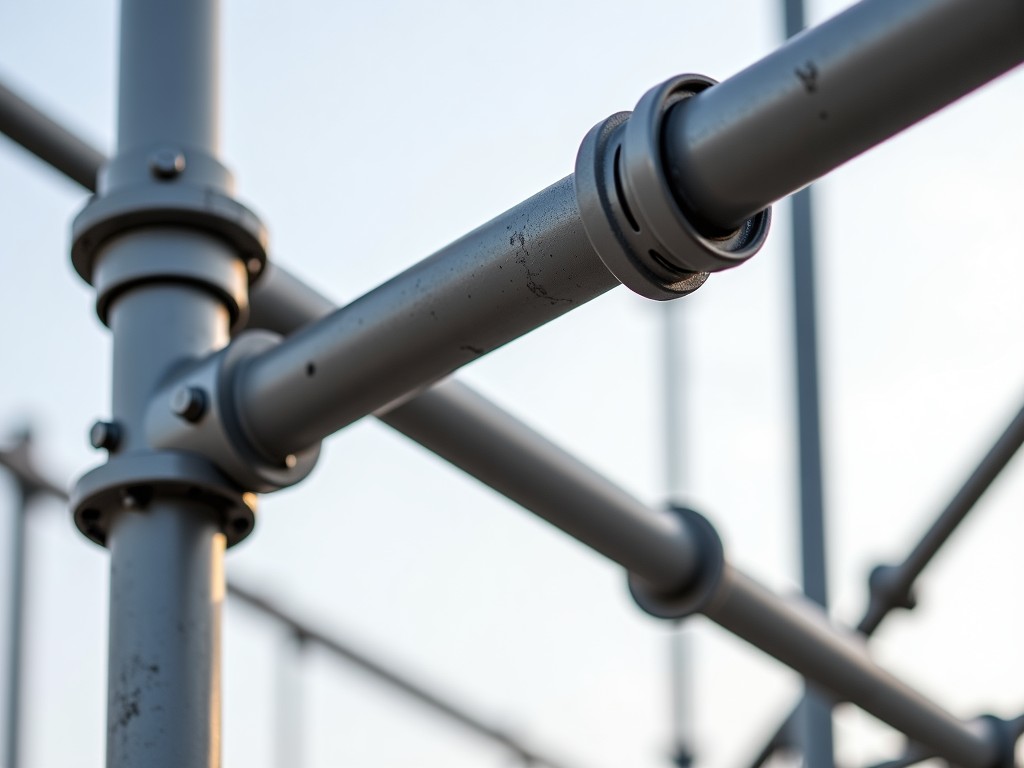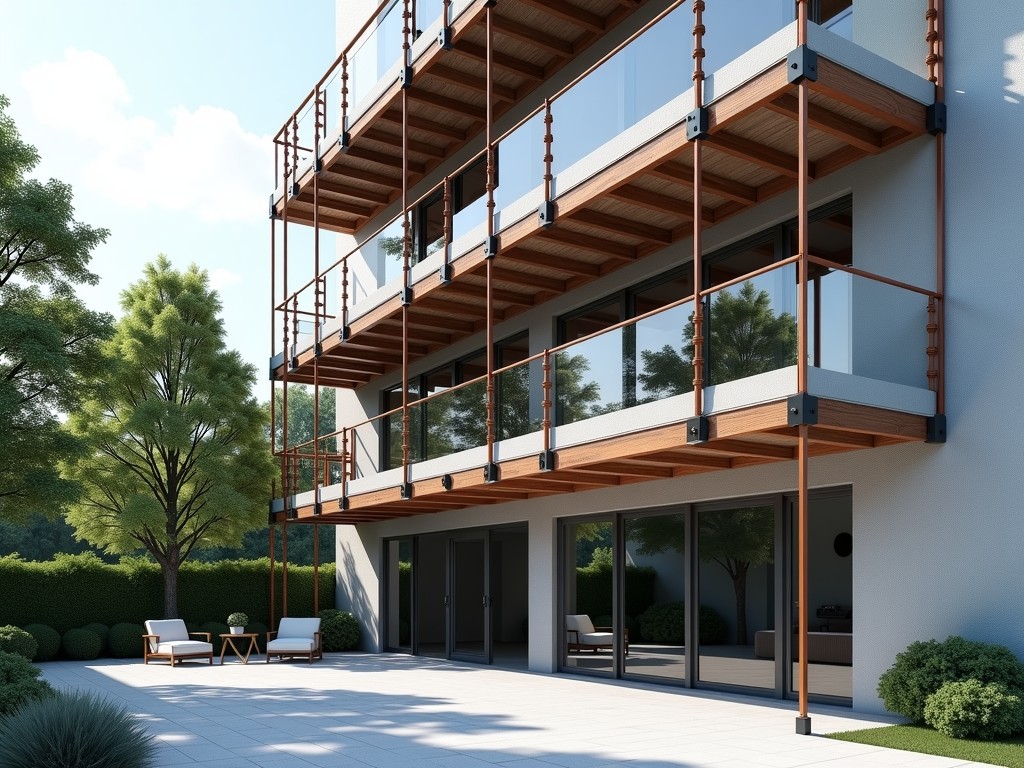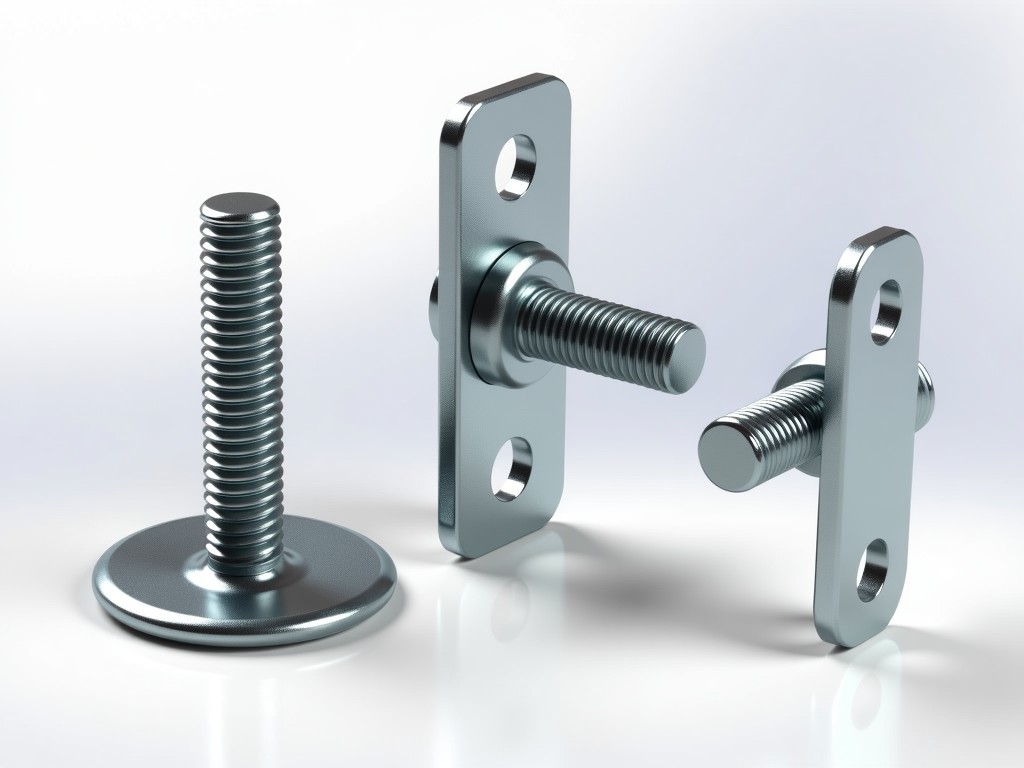
Joint pins are critical load-transfer components in tubular scaffolding systems, connecting vertical standards and horizontal ledgers through shear and bearing interfaces. Their dimensional accuracy, material grade, and surface treatment directly affect system stability, erection speed, and long-term reusability. This document outlines standard pricing factors for joint pins used in common scaffolding configurations, based on material specifications, production volume, and finish requirements.
Joint pins are typically manufactured from structural carbon steel grades such as Q235 or S275JR, selected for their balance of yield strength, ductility, and weldability. These materials provide minimum yield strengths of 235 MPa and 275 MPa respectively, sufficient to resist shear and bending loads imposed during scaffolding erection and use. Higher-strength alloys like S355JR are available for applications requiring increased load margins or reduced pin diameter, though they increase material cost by approximately 15–25%.
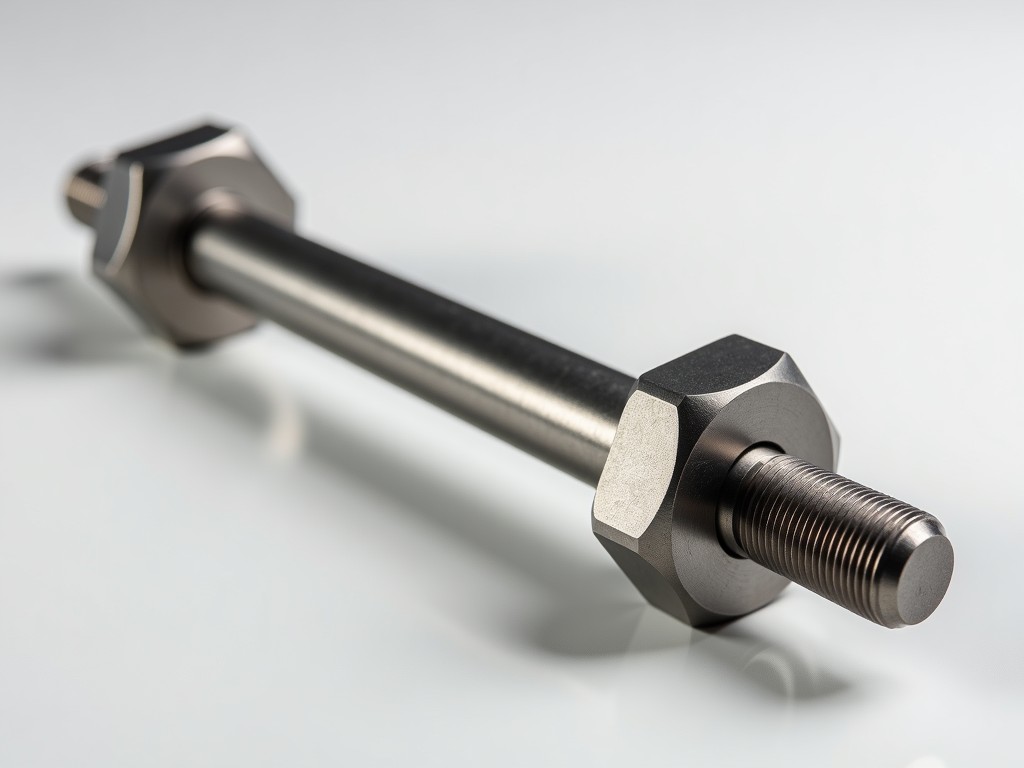
Pin diameter directly influences shear capacity; standard sizes range from 16 mm to 22 mm, with 20 mm being the most common for medium-duty systems. Length varies between 75 mm and 120 mm depending on tube wall thickness and connection design. Tolerances are held to ±0.5 mm on diameter and ±1.0 mm on length to ensure consistent fit within scaffold tube sockets, minimizing play and preventing premature wear.
Surface finish significantly impacts both corrosion resistance and installation friction. Hot-dip galvanizing (HDG) per ISO 1461 provides a zinc coating thickness of 55–85 µm, offering 5–10 years of protection in moderate environments and is the most common finish for outdoor scaffolding. Electro-galvanizing delivers thinner coatings (8–15 µm) suitable for dry indoor use but less durable under prolonged exposure.
Alternative treatments include mechanical galvanizing and zinc-rich primers, though these are less frequently specified for joint pins due to inconsistent coverage in machined areas. Uncoated (black) pins are available for applications where post-fabrication painting is planned, but require immediate protection after installation to prevent rust initiation. Galvanizing adds approximately 20–30% to the base material cost.
Joint pins are produced via cold heading or precision machining from steel rod stock. Cold heading is preferred for high-volume production due to material efficiency and grain flow alignment, which enhances fatigue resistance. Machined pins are used for low-volume orders, non-standard diameters, or when secondary features like grooves or flats are required for anti-rotation.
Critical dimensions include pin diameter, overall length, chamfer angle (typically 15°–30°), and end finish (square or rounded). Radial runout is controlled to less than 0.3 mm to ensure smooth insertion into scaffold tubes. Hardness is maintained between HRB 80–95 to resist deformation under repeated loading while avoiding brittleness. These tolerances are verified through statistical process control during production.
Unit pricing for joint pins is primarily influenced by material grade, diameter, length, finish, and order volume. Base prices for standard 20 mm × 90 mm Q235 pins with hot-dip galvanizing range from $0.45 to $0.65 per unit at volumes exceeding 10,000 pieces. At lower volumes (under 1,000 units), pricing increases to $0.80–$1.10 due to setup costs and reduced production efficiency.
Each 1 mm increase in diameter adds approximately 12–18% to material cost. Length variations under 100 mm have minimal impact, but pins over 110 mm incur additional machining time. Hot-dip galvanizing adds a fixed premium of $0.10–$0.15 per unit regardless of size, while electro-galvanizing adds $0.05–$0.08. Stainless steel options (e.g., 304 or 316) are available for corrosive environments but increase costs by 300–500% and are typically quoted separately.
| Diameter (mm) | Length (mm) | Material | Finish | Price (USD/unit, 10k+ qty) |
|---|---|---|---|---|
| 16 | 75 | Q235 | Hot-dip Galvanized | $0.38–$0.48 |
| 20 | 90 | Q235 | Hot-dip Galvanized | $0.45–$0.65 |
| 22 | 100 | Q235 | Hot-dip Galvanized | $0.55–$0.75 |
| 20 | 90 | S275JR | Hot-dip Galvanized | $0.50–$0.70 |
| 20 | 90 | Q235 | Electro-galvanized | $0.40–$0.55 |
| 20 | 90 | Q235 | Uncoated | $0.35–$0.45 |
Note: Prices are indicative ex-works and subject to change based on raw material fluctuations, regional logistics, and contractual terms. Volume discounts apply incrementally: 5–10% at 50,000 units, 10–15% at 100,000+ units. Custom lengths, non-standard tolerances, or special packaging (e.g., corrosion-inhibiting bags, bulk bins) may incur additional charges. All prices assume compliance with ISO 9001 quality management and include mill test certificates upon request.
To receive a formal quotation, provide the following: pin diameter, length, material grade, required finish, annual volume, and delivery timeline. For projects involving custom scaffolding systems, include connection detail drawings or reference standards (e.g., EN 74, BS 1139, ANSI/SSFI SC100.5). Technical teams can validate load compatibility, recommend appropriate safety factors, and suggest pin-tube clearance ranges based on expected dynamic loads.
Samples are available for evaluation, typically delivered within 5–7 working days for standard configurations. Lead times for production orders range from 2–4 weeks for volumes under 50,000 units, extending to 6–8 weeks for larger orders or customized finishes. All products are packaged in moisture-resistant cartons with desiccant packs for sea freight, or on pallets with stretch wrap for domestic transport.
For inquiries, quotation requests, or technical consultation regarding joint pin selection for scaffolding systems, contact our engineering team via the provided channels. We support global distributors, rental companies, and construction firms with standardized and engineered fastening solutions designed for safety, durability, and lifecycle cost efficiency.
Ready to discuss your joint pin requirements?
Request a Quote