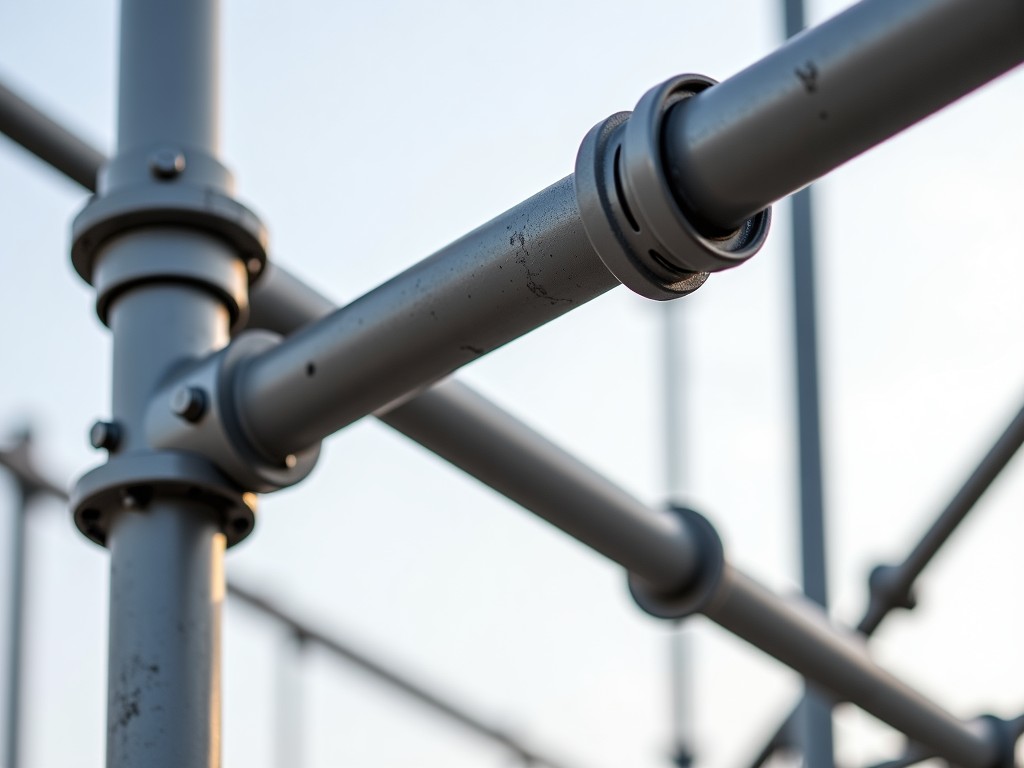
A joint pin coupler is a critical mechanical connector used to join vertical scaffold tubes end-to-end, ensuring axial load transfer and rotational stability in temporary access structures. Unlike swivel or sleeve couplers, it relies on interference fit and shear resistance rather than friction alone, making it suitable for high-rise and heavy-load applications where longitudinal alignment must be maintained under dynamic loads.
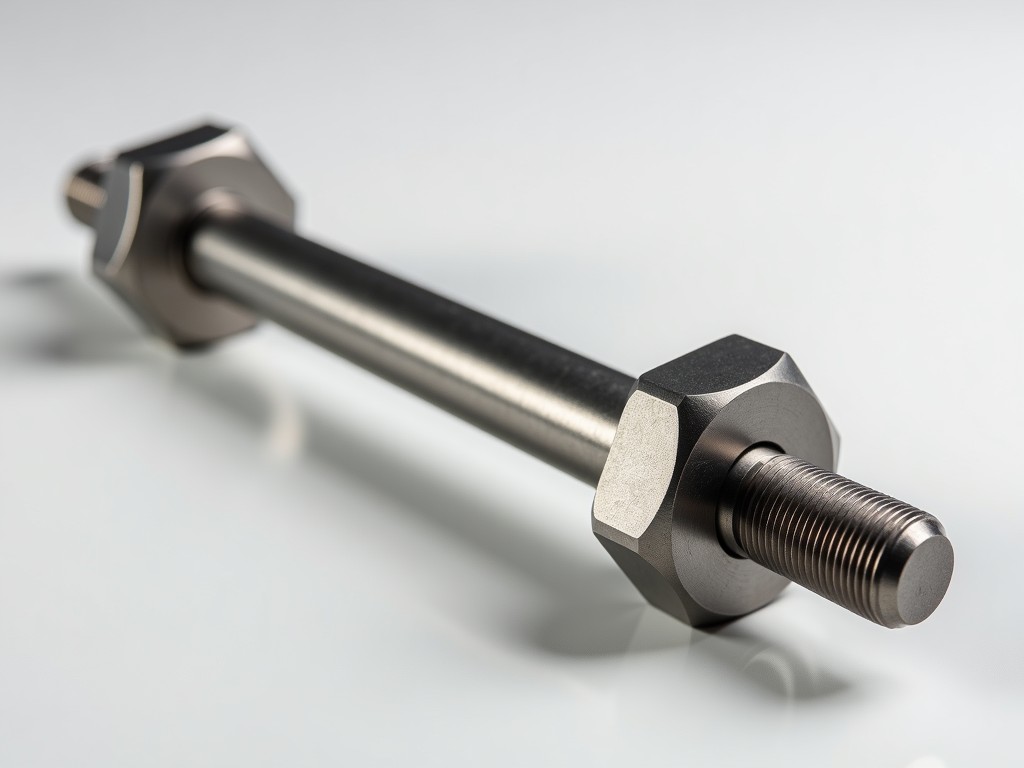
The coupler consists of a hardened steel pin, typically machined to tight tolerances, which passes through aligned holes in two scaffold tubes and is secured with a locking mechanism—often a cotter pin, spring clip, or threaded nut—to prevent withdrawal under tensile or compressive forces. This design minimizes slip at the joint, preserving the structural integrity of the scaffold framework.
The primary function of a joint pin coupler is to transmit axial loads—both compressive and tensile—between scaffold tubes while resisting lateral movement and rotation. Load capacity depends on pin diameter, material yield strength, hole clearance, and locking mechanism efficiency. Standard pins range from 16mm to 22mm in diameter, with shear capacities typically exceeding 25 kN per coupling under static conditions.
Material selection is governed by environmental exposure and required durability. Common materials include hot-rolled carbon steel (e.g., S355JR) for general use and galvanized or stainless steel (e.g., A2/A4) for corrosive environments. Surface treatments such as hot-dip galvanizing (min 55µm thickness) or zinc plating improve corrosion resistance, extending service life in outdoor or marine settings.
Dimensional compatibility is essential for safe operation. The pin must match the tube’s pre-drilled hole diameter with minimal clearance—typically 0.2 to 0.5mm—to avoid excessive play while allowing for thermal expansion and ease of insertion. Tube outer diameters commonly range from 48.3mm to 60.3mm, with wall thicknesses between 3.2mm and 5.0mm, influencing the required pin length and bore depth.
Locking mechanisms vary by design simplicity and security requirements. Cotter pins offer quick installation and visual verification but may loosen under vibration. Spring clips provide consistent retention force and are preferred in high-cycle applications. Threaded nuts with nylon inserts offer the highest resistance to loosening but require tools for installation and removal.
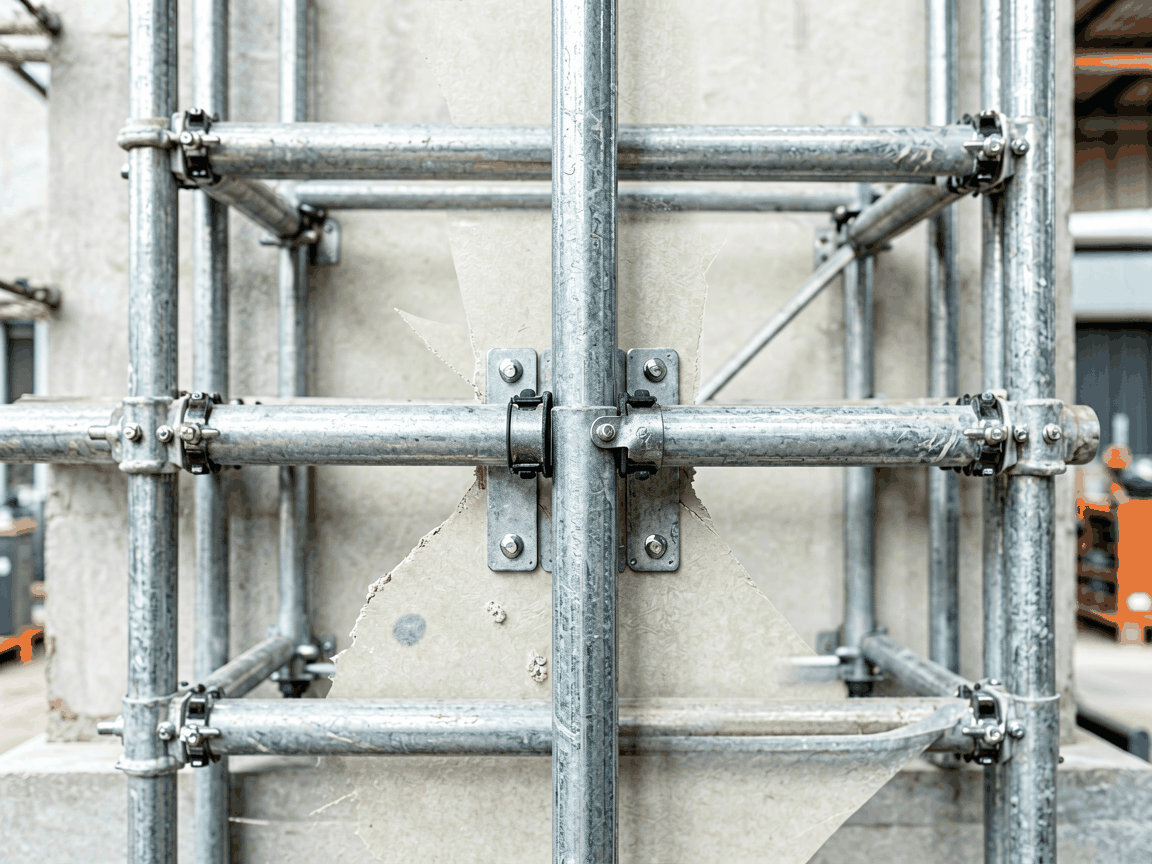
Joint pin couplers are predominantly used in tube-and-clamp scaffolding systems where vertical continuity is required over multiple stories, such as in high-rise construction, facade renovation, or industrial maintenance. They enable the creation of tall, load-bearing standards without relying solely on frictional grip, which can degrade over time due to tube deformation or contamination.
In suspended scaffolding or cantilevered systems, joint pin couplers prevent joint slippage under dynamic loads caused by wind, worker movement, or equipment handling. Their rigid connection reduces sway and improves overall system stiffness, which is critical for safety in elevated work platforms.
They are also frequently employed in shoring and falsework applications where compressive loads from concrete pouring or formwork must be transferred vertically through multiple scaffold levels. Here, the coupler’s resistance to tensile forces becomes vital during formwork stripping or load reversal scenarios.
| Parameter | Typical Range | Notes |
|---|---|---|
| Pin Diameter | 16mm – 22mm | Selected based on tube hole size and load requirements |
| Pin Length | 60mm – 120mm | Determined by tube wall thickness and required overlap |
| Material | S355JR, Galvanized Steel, A2 Stainless | Hot-dip galvanizing min 55µm for outdoor use |
| Locking Type | Cotter Pin, Spring Clip, Nyloc Nut | Choice affects installation speed and vibration resistance |
| Tube Compatibility | 48.3mm – 60.3mm OD | Must match pre-drilled hole pattern in scaffold tubes |
Dimensional precision is critical during manufacturing. Pin straightness, hole concentricity, and locking feature alignment must be controlled to ensure consistent performance. CNC machining or precision cold forming is typically used to achieve tolerances within ±0.1mm for diameter and ±0.5mm for length.
Material traceability and mechanical testing are standard for load-bearing components. Mill certificates verify chemical composition and tensile strength, while batch testing confirms yield strength and elongation. Hardness testing (e.g., HRC 20–35) ensures resistance to deformation under shear and bearing loads.
Surface treatment uniformity affects long-term durability. Galvanizing thickness is measured per ISO 1461, with minimum average coating weight of 390 g/m² for hot-dip galvanized finishes. Visual and adhesion testing (e.g., cross-hatch) ensures coating integrity before packaging.
Final inspection includes functional verification: pin insertion force, locking mechanism retention, and resistance to accidental dislodgement. Sampling plans follow AQL standards, with critical dimensions inspected at 100% for high-risk batches.
While standard joint pin couplers meet common scaffolding specifications, project-specific requirements often necessitate modifications. Custom pin lengths can accommodate non-standard tube thicknesses or overlapping joint designs. Special materials—such as duplex stainless steel for offshore platforms or coated alloys for chemical environments—are available upon request.
Locking mechanisms can be adapted for ease of use with gloved hands or for tool-free operation in time-sensitive installations. Some designs incorporate anti-rotation features or alignment guides to prevent incorrect installation, reducing human error on-site.
Packaging options vary by order volume and handling needs. Bulk packs in recyclable cartons suit warehouse storage, while smaller, labeled kits are available for rental companies or field service teams. Corrosion-inhibiting VCI paper or desiccant packs may be included for long-term storage or export to humid climates.
For technical inquiries, customization requests, or quotation details regarding joint pin couplers for scaffolding applications, please contact our engineering team.
Request Technical Specification or Quote