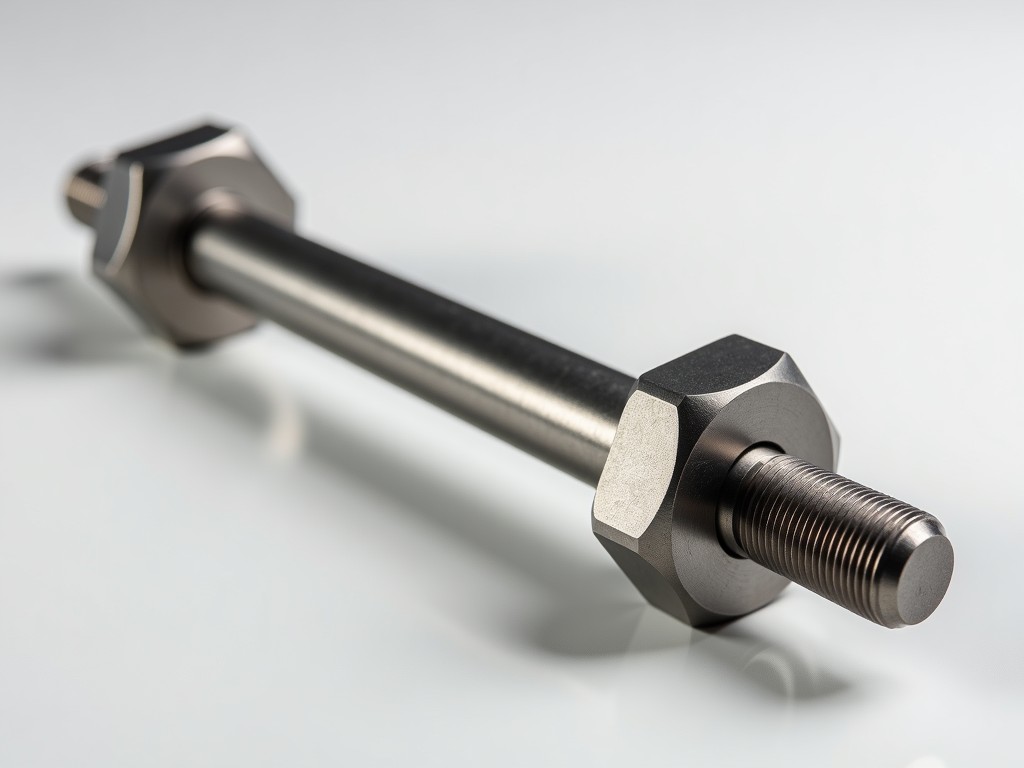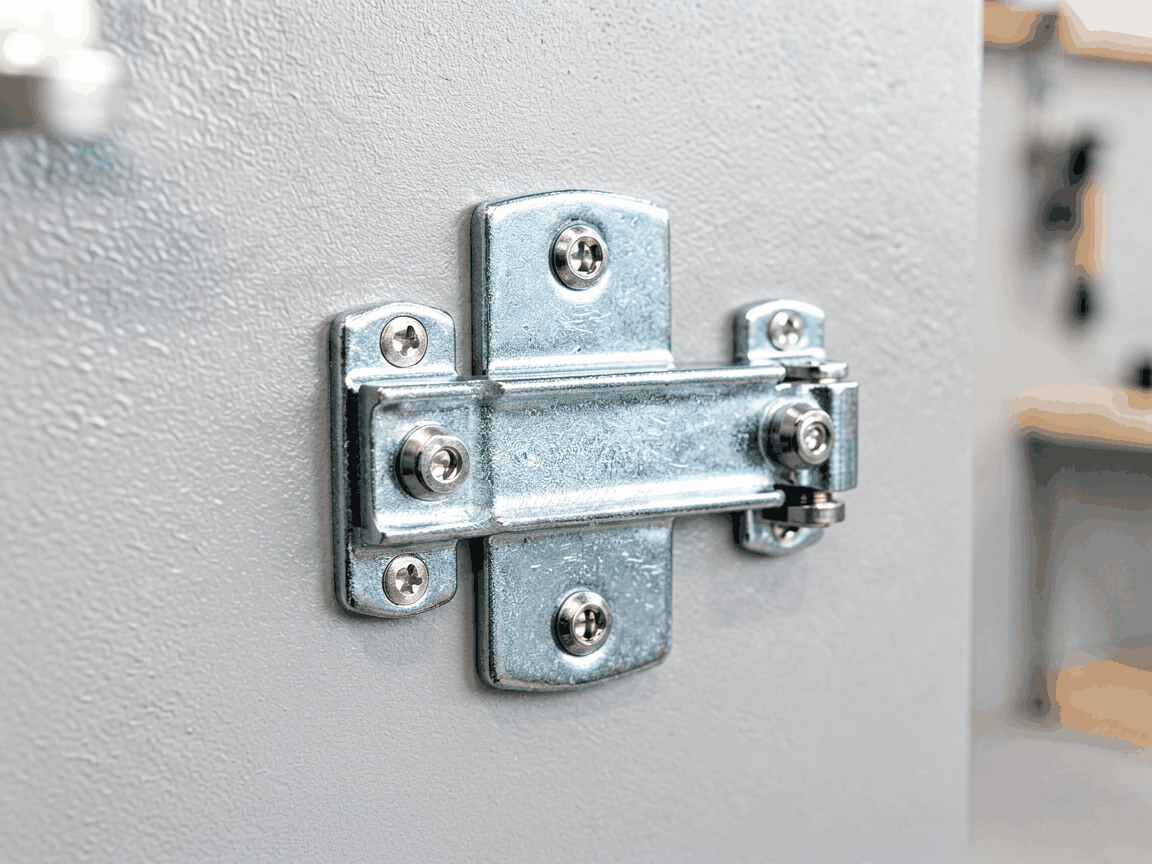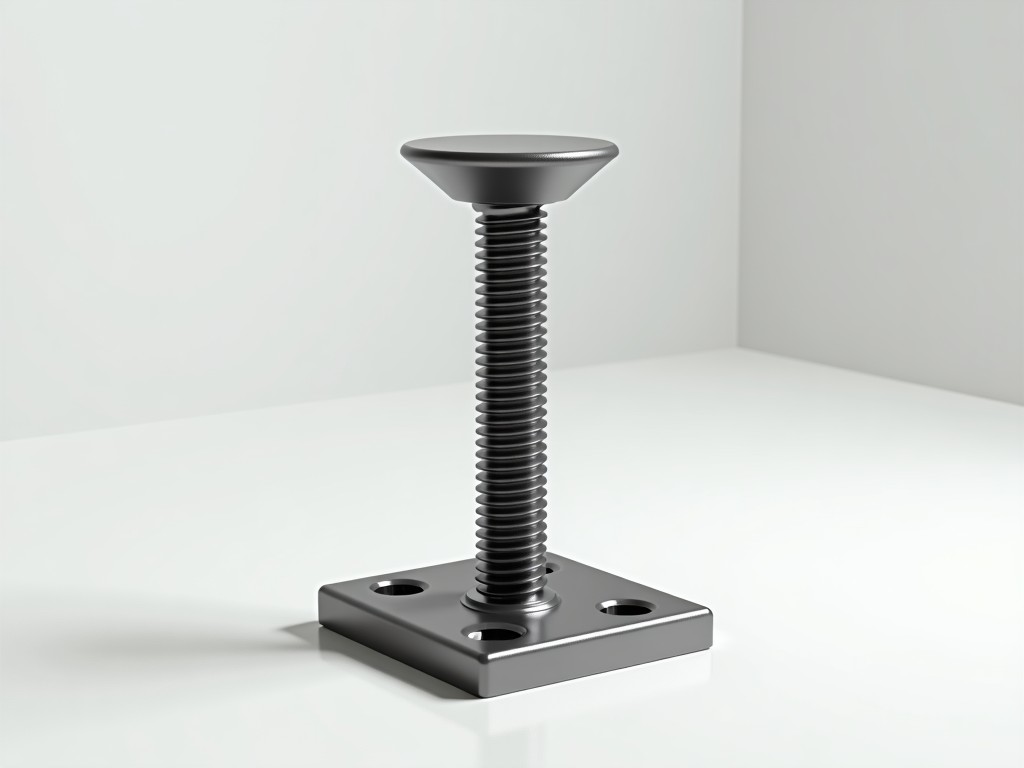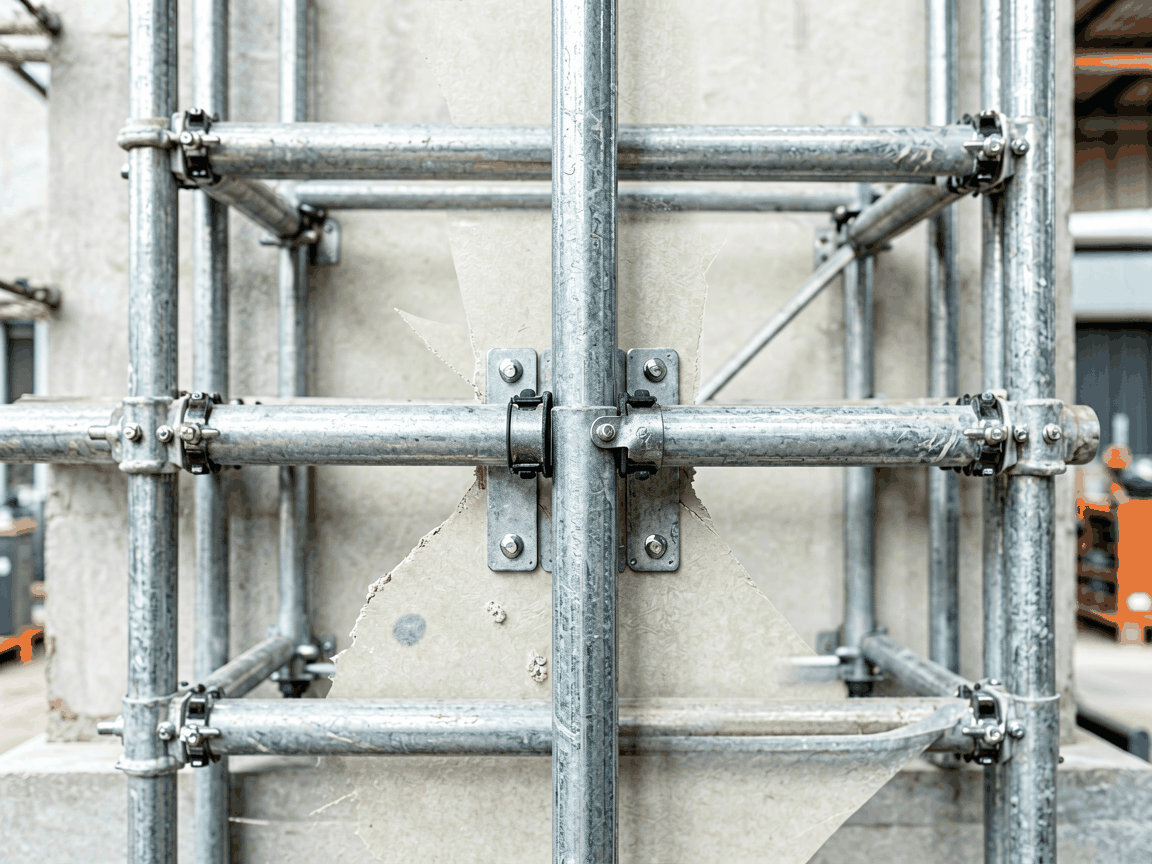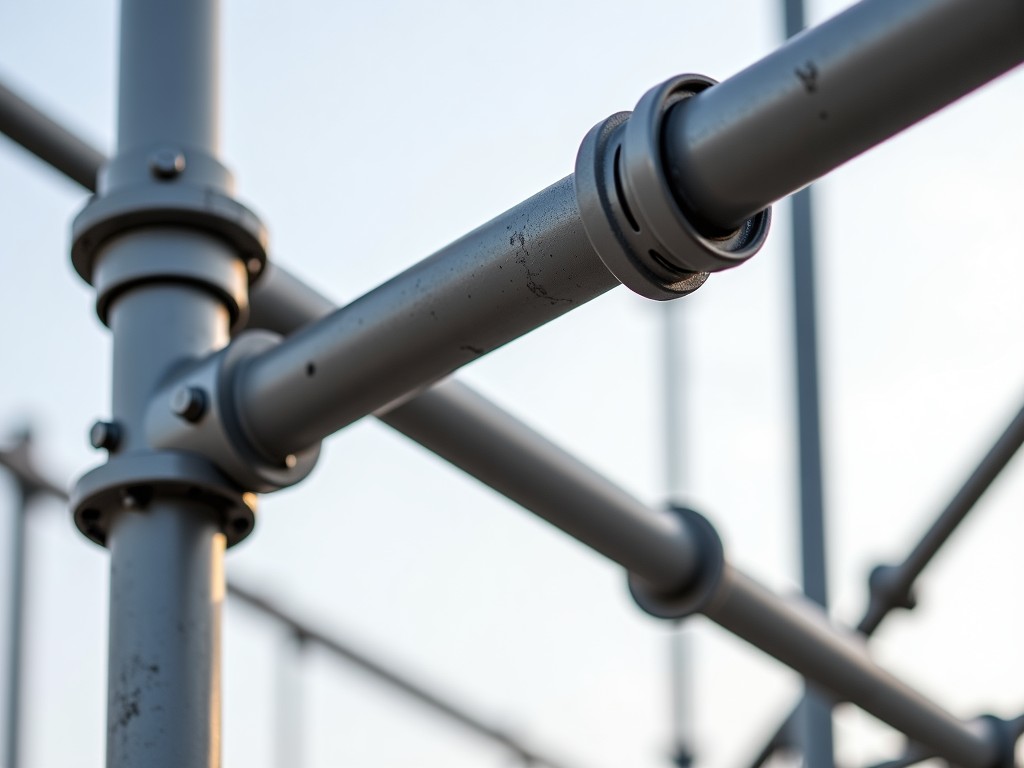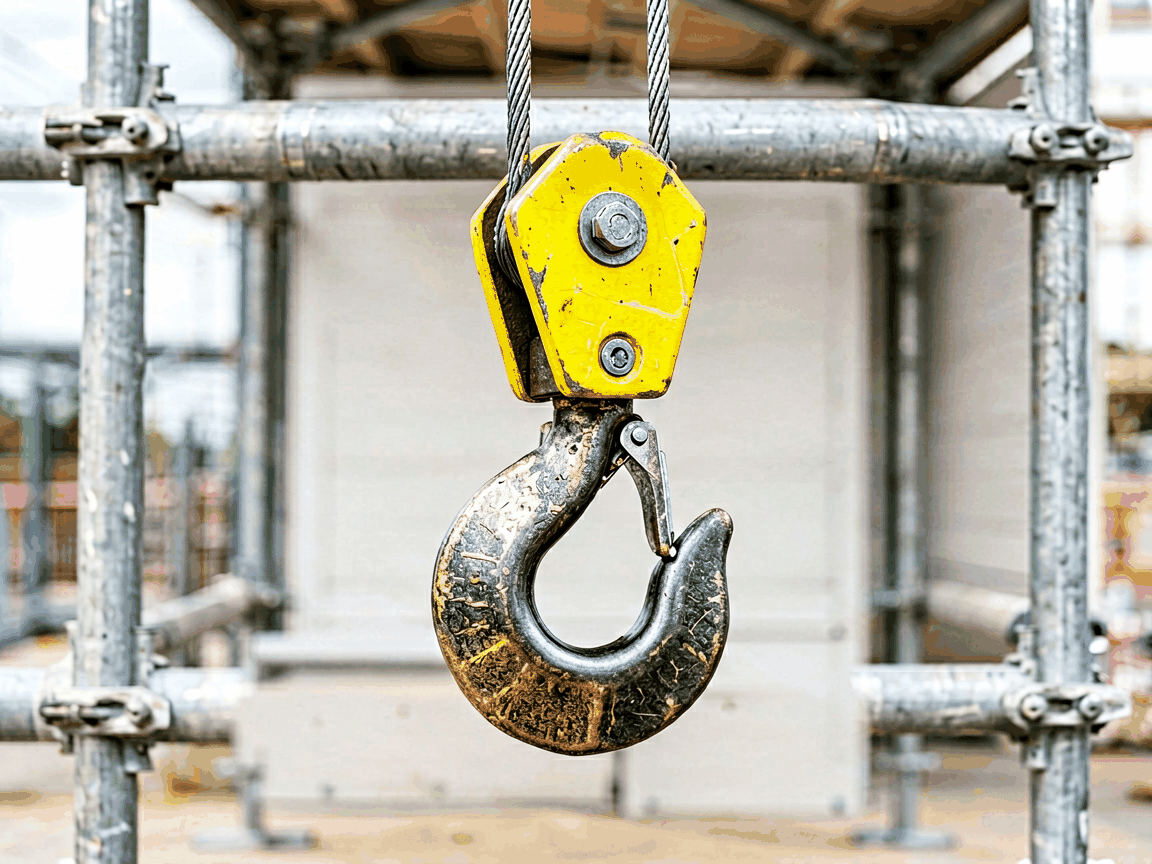
Hook on scaffolding accessories are precision-engineered components designed to securely attach to scaffold tubes, enabling rapid assembly, load distribution, and adaptability in temporary structures. These accessories eliminate the need for bolts or welding by using mechanical interlocks that engage directly with standard 48.3mm or 50.8mm diameter scaffold tubes, reducing installation time and minimizing on-site labor risks.
The primary function of these accessories is to transfer structural loads—such as personnel, materials, and environmental forces—from the working platform to the scaffold framework through predictable, repeatable connection points. Each hook is manufactured to tight tolerances (±0.5mm) to ensure consistent engagement with tube surfaces, preventing slippage under dynamic loads while maintaining compatibility with EN 12810 and EN 12811 compliant systems.
Material selection is critical for longevity and safety. Most hook on accessories are forged from structural grade steel (S355JR or equivalent) with a minimum yield strength of 355 MPa, then hot-dip galvanized to a coating thickness of 85μm per ISO 1461. This provides corrosion resistance suitable for outdoor use in industrial environments for 5–10 years without maintenance, depending on exposure conditions.
Load capacity varies by design but typically ranges from 2.5kN to 5.0kN per hook under static conditions, with safety factors of 4:1 applied per regional standards (e.g., OSHA 1926.451, CSA Z797). Dynamic load ratings account for impact forces during material handling or worker movement, and are validated through cyclic testing per EN 12811-2 Annex B.
Hook on accessories are indispensable in environments where scaffold systems must be erected, modified, or dismantled frequently under tight schedules. In petrochemical plants, they enable rapid installation of work platforms around reactor vessels and piping racks, where traditional bolted connections would require hot work permits and extend downtime.
In shipbuilding and offshore fabrication, these accessories support suspended scaffolding for hull inspection and coating application, where access is restricted and load paths must accommodate shifting vessel geometry. Their ability to attach without penetrating protective coatings preserves corrosion integrity.
For modular construction and precast concrete yards, hook on systems facilitate the creation of adjustable falsework and curing platforms that must be repositioned as structural elements are cast and moved. The repeatability of hook engagement ensures consistent platform elevation across multiple cycles.
In power generation facilities, they are used to build access scaffolds for boiler maintenance and turbine hall work, where space constraints demand compact, high-strength connections that do not interfere with existing piping or electrical conduits.
| Parameter | Typical Value | Notes |
|---|---|---|
| Compatible Tube Diameter | 48.3mm or 50.8mm | Custom sizes available upon request for non-standard systems |
| Material | S355JR structural steel | Alternative grades (S690QL, stainless steel) available for corrosive environments |
| Surface Treatment | Hot-dip galvanized (85μm) | Powder coating or duplex systems available for enhanced aesthetics or chemical resistance |
| Static Load Capacity (per hook) | 2.5kN – 5.0kN | Dependent on geometry; safety factor 4:1 applied per EN 12811 |
| Operating Temperature Range | -20°C to +80°C | For extreme temperatures, consult engineering support for material adjustments |
| Certification Compliance | EN 12810, EN 12811, OSHA 1926.451 | Third-party tested; test reports available upon request |
While standard hook on accessories suit most tubular scaffolding systems, project-specific requirements often necessitate modifications. Common customizations include altered hook geometry to accommodate non-circular or oversized tubes, extended reach designs for deep recesses, and integrated safety latches for overhead work where fall protection is mandated.
Material substitutions are available for environments with high chloride exposure (e.g., coastal areas) or chemical vapors, utilizing duplex stainless steel (2205) or nickel-aluminum bronze alloys. These options maintain mechanical strength while significantly improving corrosion resistance, though lead times and costs increase accordingly.
Surface finishes can be tailored beyond galvanization—such as epoxy powder coating for color coding or anti-static properties in explosive atmospheres (ATEX Zone 1/2). All variants retain the same mechanical interface and load performance unless otherwise specified in the engineering datasheet.
Engineering support is available to validate custom designs against project loads, including finite element analysis (FEA) and physical prototype testing. Customers must provide tube dimensions, load cases, and environmental conditions to initiate the customization process.
Each production batch undergoes dimensional verification using coordinate measuring machines (CMM) to confirm critical interfaces—hook throat width, engagement depth, and tube contact radius—are within ±0.3mm tolerance. Material traceability is maintained from mill certificate to finished part via laser etching or barcode labeling.
Mechanical properties are validated through tensile testing of coupon samples taken from each heat lot, ensuring yield and tensile strength meet or exceed S355JR specifications. Galvanized coating thickness is verified using magnetic induction gauges per ISO 1460, with a minimum of 5 measurements per part.
Load testing is performed on a sampling basis: every 500 parts are subjected to proof load at 1.5x rated capacity for 60 seconds, followed by inspection for permanent deformation or cracking. Fatigue life is assessed via cyclic testing (10,000 cycles at 0.6x SWL) on representative samples per EN 12811-2.
Visual inspection checks for forging defects, surface cracks, or coating holidays using 10x magnification and UV light for coating continuity. All non-conforming parts are segregated and either reworked or scrapped based on root cause analysis.
Installation requires no tools: align the hook opening with the scaffold tube, apply downward pressure until the locking cam engages, and verify by attempting upward movement—there should be zero play. Removal is achieved by lifting the release lever (where equipped) or applying upward force while twisting slightly to disengage the cam.
Always inspect hooks before use for signs of wear, deformation, or coating damage. Replace any part where the throat opening has increased by more than 10% or where galvanization is compromised exposing base metal. Never exceed the rated load, and avoid side-loading unless the design explicitly permits it.
For applications involving dynamic loads (e.g., material hoisting), use hooks only in conjunction with secondary restraints such as safety cables or tie-backs, as specified in the scaffold design drawing. Never modify hooks in the field—welding, bending, or drilling voids certification and creates unpredictable failure modes.
Store accessories in a dry, ventilated area away from direct sunlight and corrosive chemicals. Stack no more than 1.5m high to prevent deformation under weight. Use pallets or shelving to keep parts off wet surfaces.