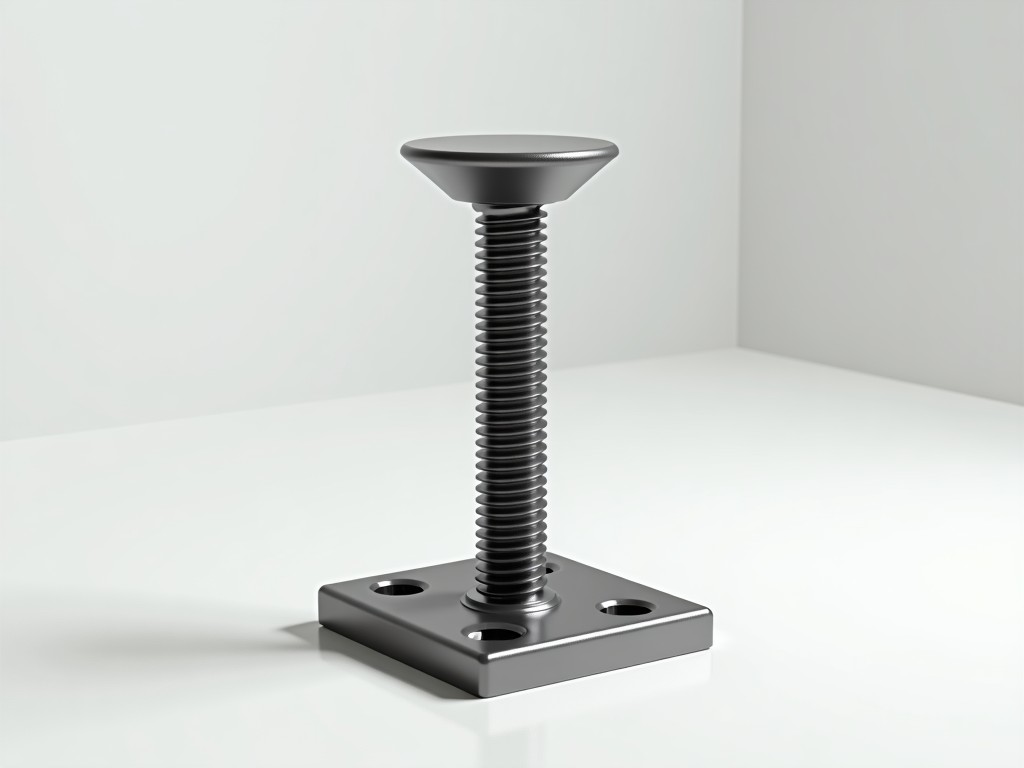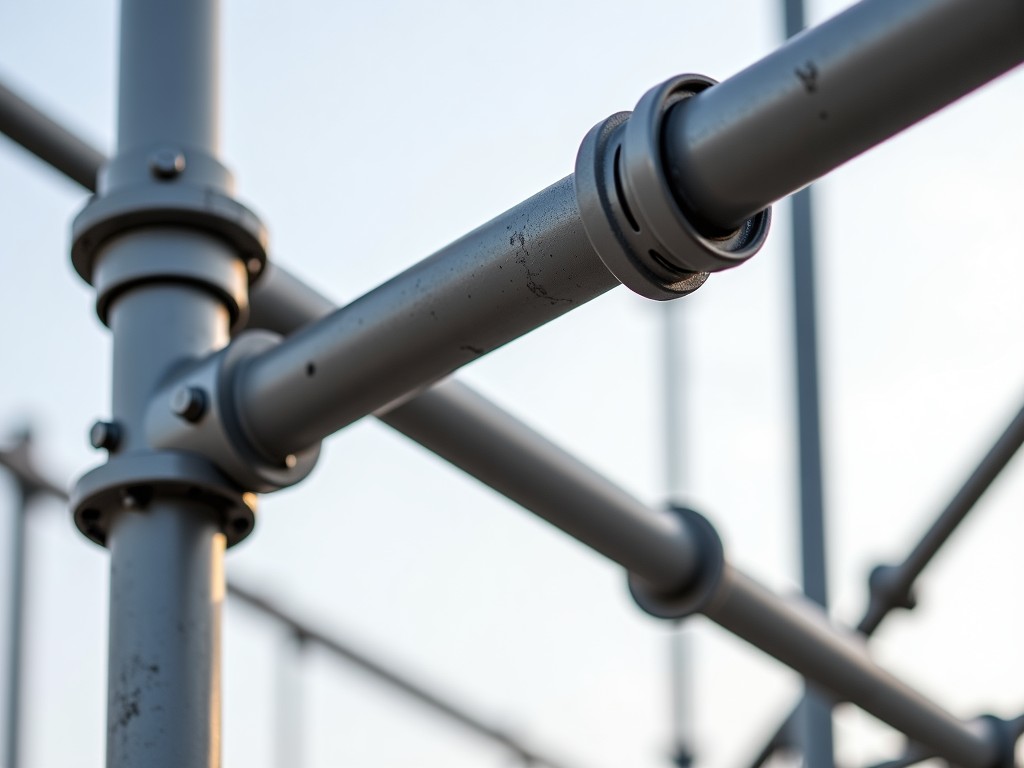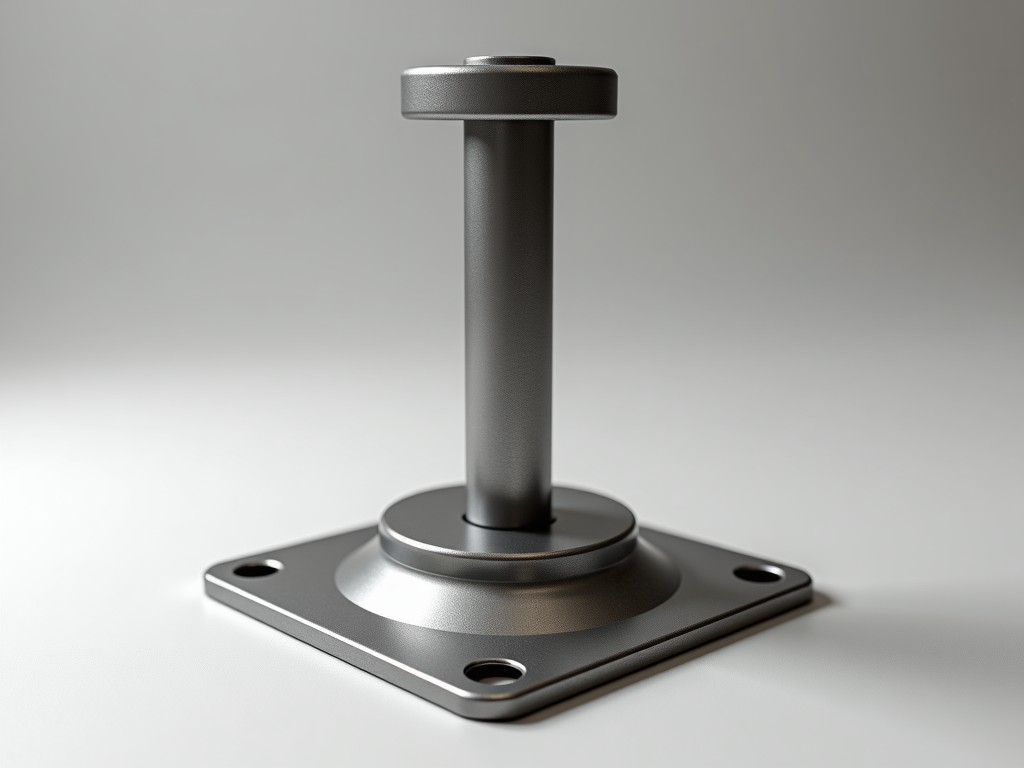
Hollow base jacks are height-adjustable support components used in scaffolding systems to provide stable, level foundations on uneven surfaces. Unlike solid base plates, they feature a tubular steel body with an internal threaded spindle that allows precise vertical adjustment while distributing load over a wider area. This design reduces point loading on soft or sensitive substrates and improves overall system rigidity by minimizing lateral movement under load.
The hollow cylindrical body of the jack acts as a load-spreading element, reducing ground pressure compared to conventional solid spindles with small base plates. For example, a 100mm diameter hollow base spreads load over approximately 7850 mm², whereas a 60mm solid spindle base covers only 2825 mm² — nearly a 178% increase in contact area. This reduction in ground pressure is critical when erecting scaffolding on asphalt, compacted soil, or temporary flooring where exceeding bearing capacity could cause settlement or tilting.
The internal spindle is typically made from cold-drawn steel with a trapezoidal thread profile (commonly Tr 30x6 or Tr 36x6), enabling smooth manual adjustment via a tommy bar while resisting back-drive under load. The hollow body prevents spindle buckling by providing lateral support along its full length, a key advantage over exposed spindles in high-height configurations. This integrated design maintains alignment between the spindle and base plate, ensuring consistent load transfer even at maximum extension.
Standard hollow base jacks are manufactured from structural-grade carbon steel (e.g., S235JR or equivalent) for the body and spindle, selected for its yield strength (typically 235–355 MPa) and weldability. The hollow section is formed via electric resistance welding (ERW) or cold rolling to ensure dimensional uniformity and minimal residual stress. Spindles are often surface-hardened or rolled to improve wear resistance at the thread interface, extending service life under frequent adjustment cycles.
For environments with elevated corrosion risk — such as coastal areas, chemical plants, or outdoor long-term use — hot-dip galvanizing (per ISO 1461) is the standard protective coating, providing a minimum zinc layer of 55 µm. Alternative finishes like electro-galvanizing or powder coating may be specified for aesthetic or hybrid corrosion requirements, though they offer thinner protection and are less suited to abrasive conditions. Material test certificates (EN 10204 2.2) are available upon request for both body and spindle components.
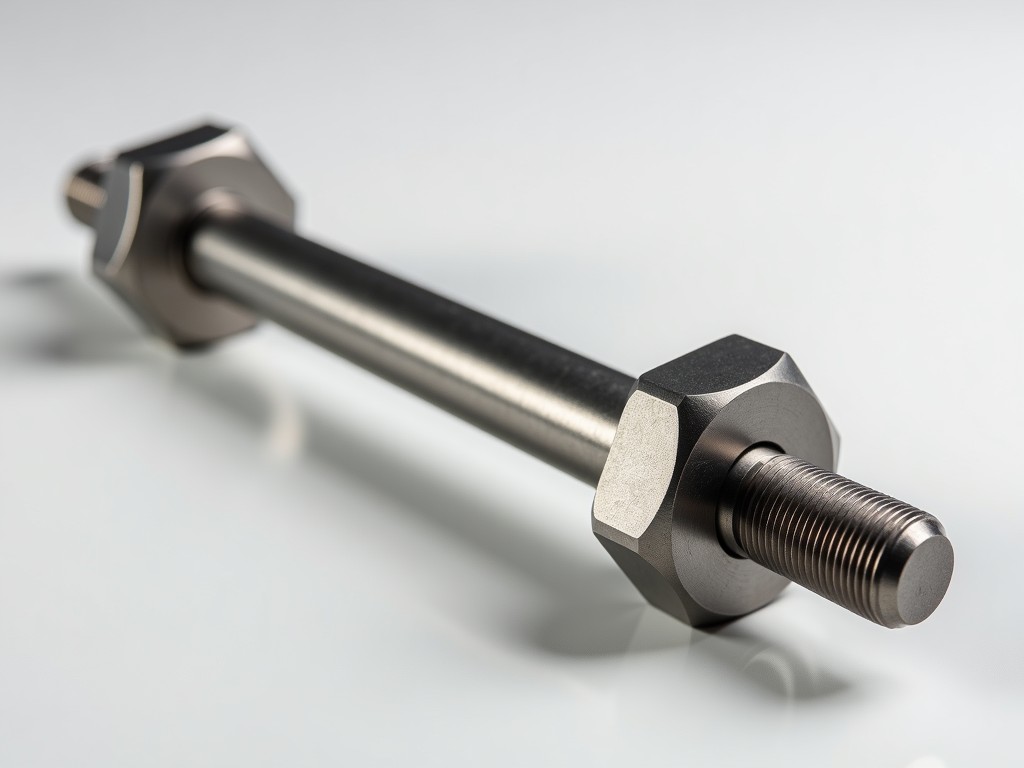
Hollow base jacks are available in standard lengths ranging from 300 mm to 1000 mm (body length), with adjustment spans typically between 250 mm and 600 mm depending on model. The threaded spindle extends through the hollow body, allowing the nut to be turned to raise or lower the upper flange. Total assembled height is calculated as body length plus spindle extension, with minimum and maximum heights clearly marked on the spindle for quick reference during erection.
Upper flange dimensions usually match standard scaffolding tube diameters (48.3 mm or 60.3 mm OD) to ensure compatibility with vertical standards or transoms. Flange thickness is typically 8–12 mm to resist deformation under concentrated loads. Base plate diameters vary from 100 mm to 150 mm, with thicker sections (6–8 mm) used in higher-capacity models. All critical dimensions are held to tolerances of ±1.5 mm to ensure interchangeability and safe stacking in modular systems.
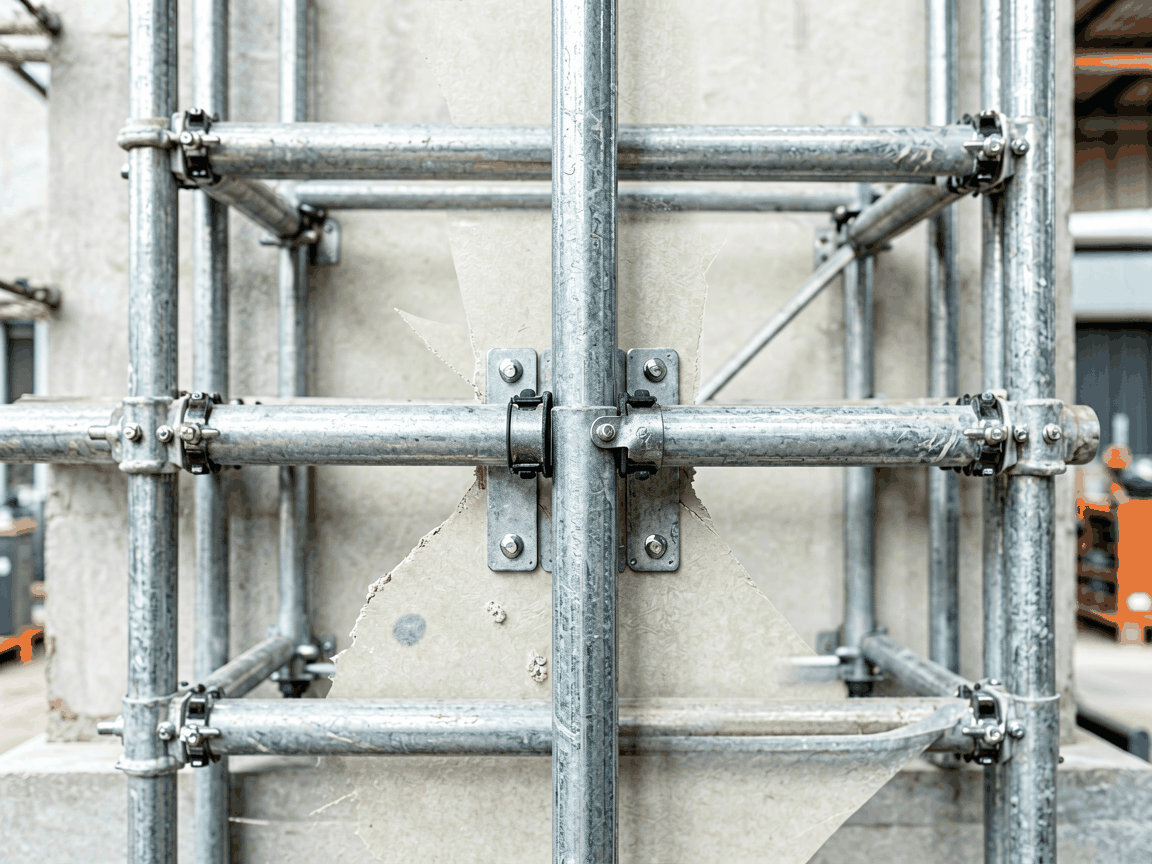
Hollow base jacks are primarily used at the base of scaffolding towers where ground conditions are uneven, sloped, or require temporary protection. They enable precise leveling of the entire structure by compensating for surface variations of up to 600 mm, ensuring that horizontal transoms and working platforms remain within permissible tolerances (typically ±10 mm over 2 m). This is essential for maintaining scaffold stability, preventing uneven load distribution, and meeting safety standards such as EN 12810/EN 12811 or OSHA 1926 Subpart L.
In suspended or cantilevered scaffolding configurations, hollow base jacks may be used at intermediate support points to adjust for deflection or settlement over time. Their ability to maintain vertical alignment under sustained load makes them suitable for long-duration projects such as facade restoration, bridge maintenance, or industrial plant shutdowns. They are also commonly paired with U-heads or swivel bases in shoring systems for concrete formwork, where precise elevation control is critical for slab thickness and surface finish.
Manufacturing begins with tube cutting to length, followed by end preparation for welding the upper and lower flanges. Spindles are threaded using rolling or cutting processes, with thread pitch and diameter verified via go/no-go gauges. Weld joints between flange and body are inspected visually and, where required, via dye penetrant testing to detect surface-breaking flaws. Dimensional checks are performed at multiple stages — raw material, post-forming, and final assembly — to ensure concentricity and squareness.
Load testing is conducted on sample units to verify ultimate and working load capacities, typically expressed in kilonewtons (kN). A common working load limit for a standard hollow base jack is 20–25 kN, with a safety factor of 4:1 or higher applied to the ultimate test result. These values are derived from static axial load tests performed on calibrated hydraulic presses, with deflection measured at incremental loads. Test reports are available for project-specific validation but are not routinely published due to variability in end-use conditions.
While standard configurations cover most scaffatching needs, hollow base jacks can be customized for specialized applications. Common modifications include extended spindle lengths for greater adjustment range, reinforced flanges for higher moment resistance, or custom base plate geometries (e.g., square or oval) to match irregular substrates. Thread size can be altered (e.g., Tr 36x6 to Tr 42x6) to increase load capacity or match existing equipment inventories.
For projects requiring non-standard coatings, options include zinc-rich primers for touch-up in corrosive environments, duplex systems (galvanized + paint) for extended life, or stainless steel (e.g., AISI 304 or 316) for hygienic or chloride-exposed areas. Packaging can be adjusted for bulk handling — such as palletizing with protective sleeves or crate packing for export — to minimize damage during transit. All customizations are subject to minimum order quantities and lead time adjustments based on material availability and process changes.
Need technical specifications or a quotation?