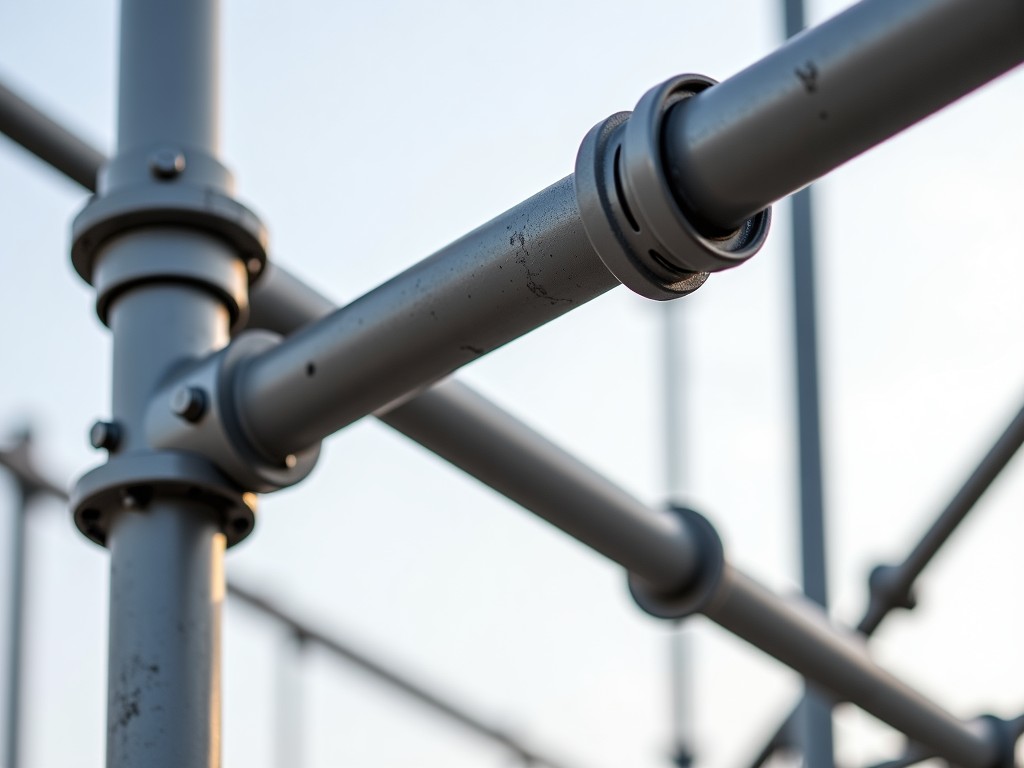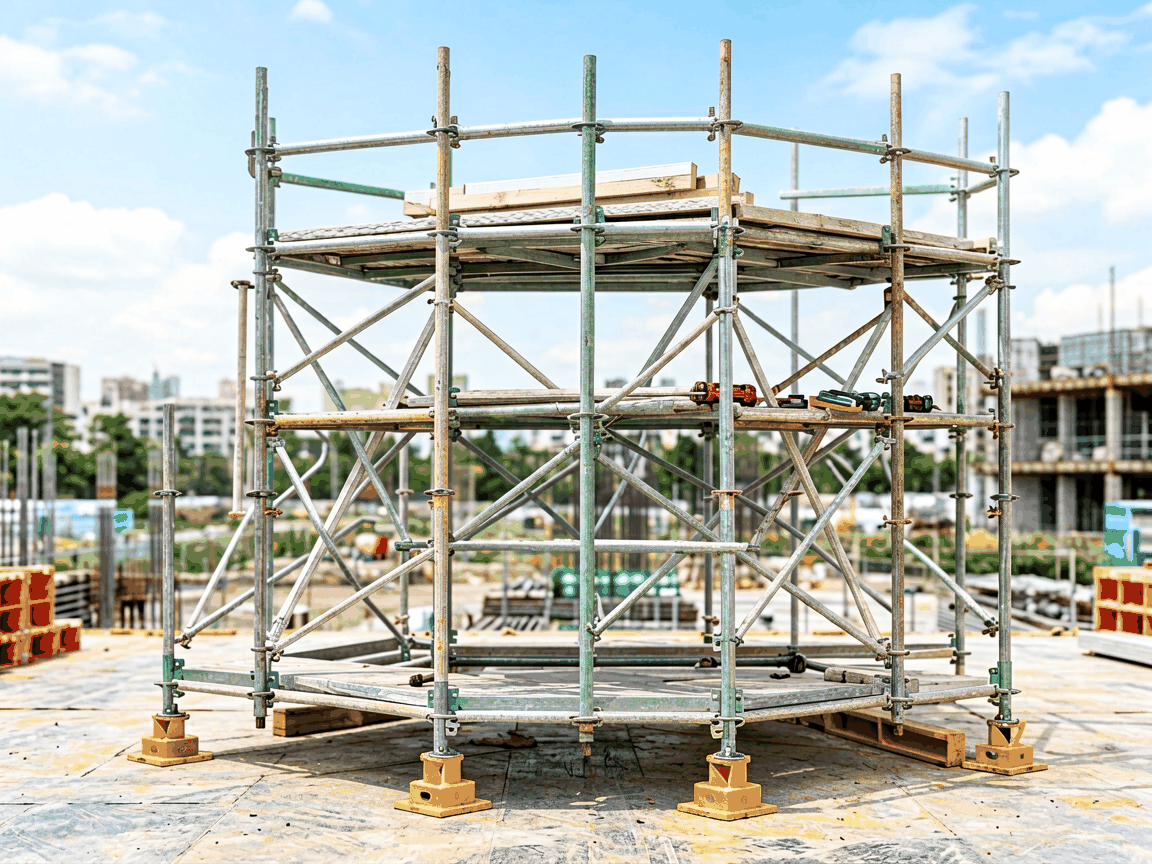
H frame scaffolding systems are widely used in construction, maintenance, and industrial applications due to their modularity, rapid assembly, and load-bearing capacity. However, the inherent risks associated with elevated work platforms necessitate the integration of purpose-designed safety accessories. These components are not optional add-ons but critical elements that directly influence system stability, fall protection, and compliance with occupational safety regulations such as OSHA 1926 Subpart L and EN 12810/12811. Selecting the correct accessories requires understanding their engineering function, material properties, and interaction with the scaffold frame under dynamic and static loads.
This page details the technical specifications, material considerations, and application logic for essential H frame scaffolding safety accessories. Each component is analyzed for its role in mitigating specific hazards—such as lateral displacement, toe-board penetration, or guardrail failure—rather than being marketed as generic safety gear. The information provided supports procurement decisions based on mechanical performance, corrosion resistance, and long-term serviceability, not brand preference or promotional claims.
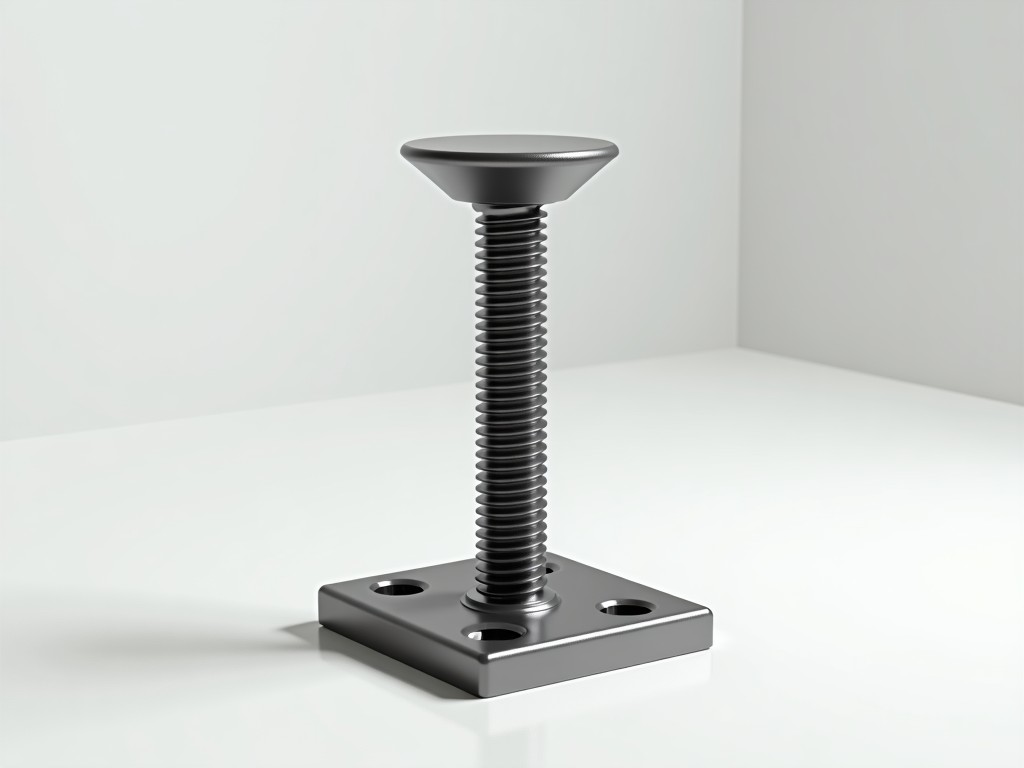
The primary safety accessories for H frame scaffolding include guardrail systems, toe boards, base plates, screw jacks, tie-in devices, and access ladders. Each serves a distinct function in the overall safety architecture. Guardrails prevent falls from open sides and ends, typically installed at 42 inches ± 3 inches above the working platform. Toe boards, minimum 3.5 inches in height, prevent tools or materials from being kicked off the platform, reducing struck-by hazards below. Base plates distribute concentrated leg loads over a larger surface area to prevent sinking into soft soil or damaging finished flooring, while screw jacks provide vertical adjustment to compensate for uneven terrain, maintaining platform levelness within ±1/4 inch tolerance.
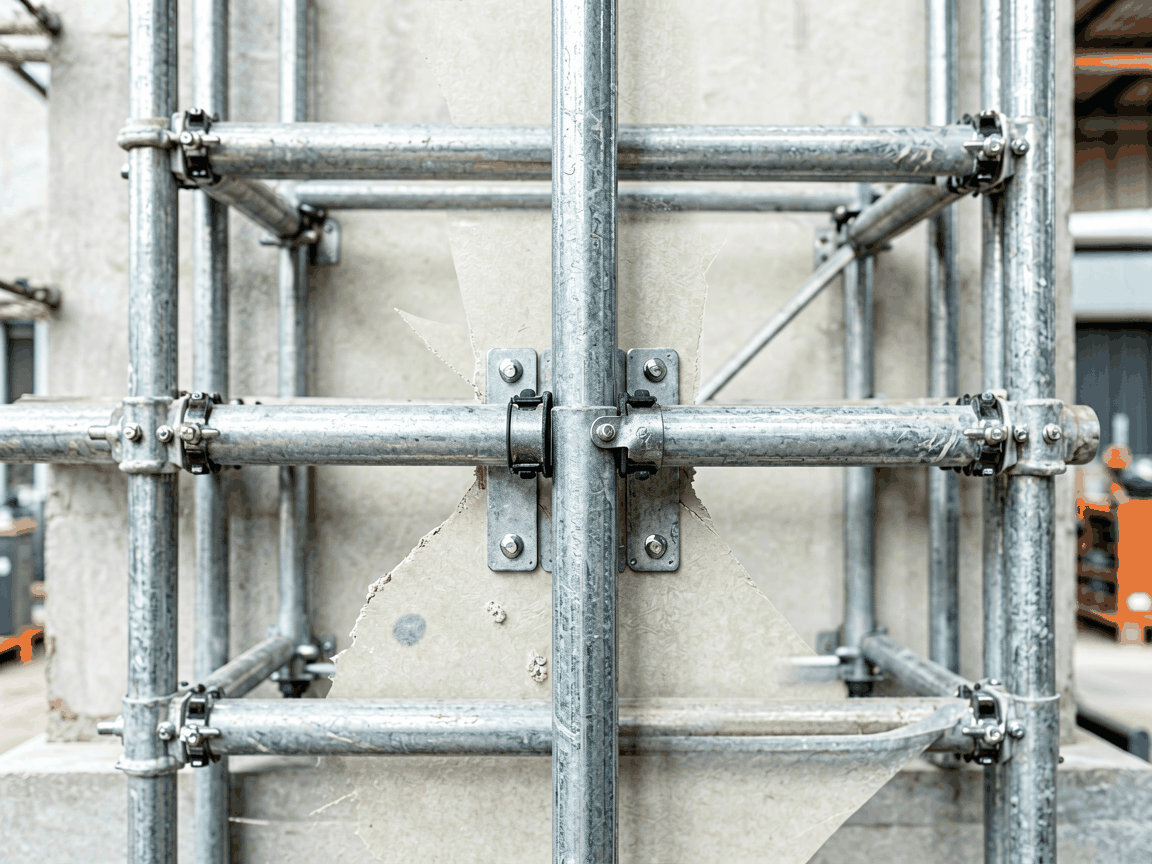
Tie-in devices connect the scaffold to the building structure at regular intervals—typically every 26 feet vertically and 30 feet horizontally—to prevent lateral buckling under wind or live loads. Access ladders must provide a clear 16-inch width, non-slip treads, and extend at least 36 inches above the landing surface for safe transition. These components are engineered to work as an integrated system; omitting or substituting any one can compromise the entire assembly’s integrity under load combinations specified in ANSI/ASSE A10.8-2019.
Material choice directly impacts accessory lifespan, maintenance frequency, and performance in environmental conditions. Hot-dip galvanized steel (per ASTM A123/A123M) is the most common base material for guardrails, toe boards, and tie-in components, providing a minimum zinc coating thickness of 1.8 mils (45 μm) for protection in rural and mildly industrial atmospheres. In coastal or high-chloride environments, galvanization alone may insufficiently resist corrosion; in such cases, accessories may be specified with additional protective coatings such as epoxy primer and polyurethane topcoat, or fabricated from stainless steel grades 304 or 316 for chloride resistance.
Base plates and screw jacks often use forged or pressed low-carbon steel (e.g., ASTM A36) for high compressive strength, with galvanization applied post-forming to avoid coating damage during manufacturing. The threaded portion of screw jacks is typically machined from cold-rolled steel and lubricated to prevent galling under repeated adjustment. Aluminum alloys (e.g., 6061-T6) are occasionally used for lightweight access ladders where manual handling is a concern, though their lower modulus of elasticity requires larger cross-sections to match steel stiffness, and they are incompatible with direct contact with wet concrete due to galvanic corrosion risk.
Safety accessories must withstand specified loads without permanent deformation or failure. Guardrail systems are tested to resist a 200-pound force applied downward or outward at any point along the top rail, with deflection limited to prevent exceeding the 39-inch minimum height requirement during impact. Toe boards must endure a 50-pound force applied inward or outward at any point without disengaging or deflecting more than 3 inches. Base plates are designed to distribute the scaffold leg load—typically up to 3,500 pounds per leg under maximum service load—over a minimum 6"x6" area to keep ground pressure below 1,000 psf for most soil types.
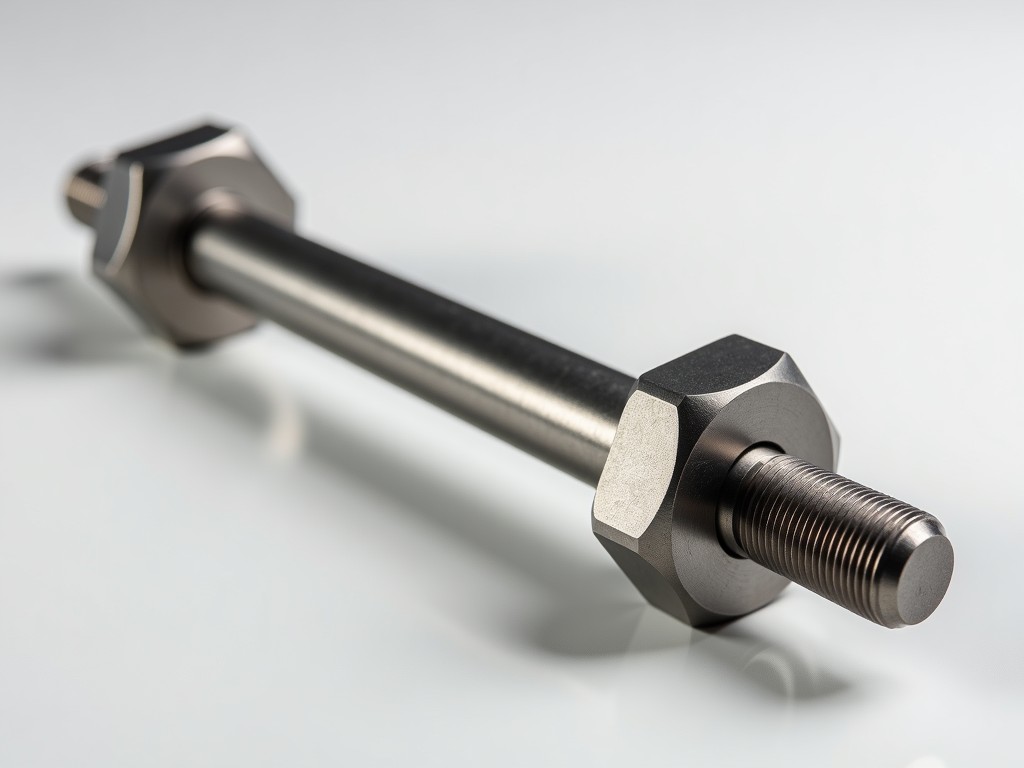
Screw jacks are rated for a maximum working load of 3,500 pounds with a safety factor of 4:1 against yield, meaning the material must withstand 14,000 pounds before permanent deformation. The acme thread design allows for fine adjustment while resisting vibration-induced loosening. Tie-in devices, such as scaffold bolts or through-wall ties, are engineered to resist both tension and shear loads; a typical through-wall tie using a 1/2" diameter bolt develops approximately 2,500 pounds of tension capacity in 3,000 psi concrete, depending on embedment depth and edge distance. All ratings assume proper installation per manufacturer instructions and regular inspection for wear, corrosion, or thread damage.
| Accessory Type | Primary Function | Typical Material | Key Performance Requirement |
|---|---|---|---|
| Guardrail Post | Supports top and mid-rails | Hot-dip galvanized steel | 200 lb lateral load resistance |
| Toe Board | Prevents object fall-through | Galvanized steel or wood | 3.5" min height, 50 lb force resistance |
| Base Plate | Load distribution to substrate | Pressed or forged steel | < 1,000 psf ground pressure |
| Screw Jack | Vertical leveling adjustment | Galvanized steel with acme thread | 3,500 lb working load, 4:1 SF |
| Tie-In Device | Prevents lateral sway | Galvanized steel or stainless | 2,500 lb tension capacity (typical) |
Typical values; actual ratings vary by design, manufacturer, and project specifications. Consult product data sheets for exact performance.
Correct installation is as critical as component selection. Guardrail posts must be fully engaged with the H frame’s rosette or pin system, with locking mechanisms engaged to prevent disengagement under load. Toe boards should overlap at corners and be secured to prevent movement; gaps exceeding 1/4 inch between board and platform are not permitted. Base plates require firm, level contact with the substrate—mud sills or timber pads may be necessary on soft ground to prevent punching shear failure. Screw jacks must be adjusted so that the nut bears fully on the base plate; thread engagement should exceed 1.5 times the bolt diameter to avoid stripping.
Tie-in devices must be installed at the vertical intervals specified in the scaffold design drawing, using connectors that match the frame’s hole pattern. Welding tie-ins directly to the scaffold is prohibited unless explicitly approved by the manufacturer and engineer of record, as it can alter material properties and create stress concentrations. Inspection should occur before each shift, after adverse weather, and following any modification. Inspectors should check for bent rails, corroded threads, missing pins, cracked welds (if present), and deformed base plates. Any component showing signs of overstress, corrosion pitting exceeding 25% of thickness, or thread damage must be removed from service immediately.
Documentation of inspections, including date, inspector name, and findings, supports compliance audits and helps identify recurring issues. Accessories used in corrosive environments may require more frequent inspection intervals—monthly rather than quarterly—to detect early-stage degradation. Training personnel to recognize subtle signs of wear, such as thread galling or coating blistering, extends service life and prevents catastrophic failure.
While standard accessories meet the needs of most scaffold configurations, certain projects require adaptations due to unique geometries, load conditions, or regulatory constraints. For example, suspended scaffolds or those installed over waterways may need toe boards with higher retention capacity or specialized drainage features to prevent water accumulation. In areas with extreme temperatures, material brittleness becomes a concern; accessories intended for use below -20°F may require impact-tested steel grades (e.g., ASTM A673) to avoid ductile-to-brittle transition failure.
Custom lengths for guardrails or toe boards are common when scaffolding wraps around irregular structures; however, any modification must maintain the required height and strength characteristics. Extension pieces for screw jacks are available for applications requiring more than 18 inches of adjustment, but they must be designed to prevent buckling under compressive load—typically achieved through increased tube diameter or internal stiffening. Tie-in locations may need adjustment to avoid interfering with architectural features; in such cases, offset brackets or adjustable connectors can maintain the required tie-in frequency without compromising structural integrity.
All customizations should be reviewed by a qualified engineer and documented in the scaffold design package. Manufacturers typically offer fabrication services for non-standard parts, but lead times and minimum order quantities apply. Using field-modified components—such as bending guardrails or drilling unauthorized holes—is strongly discouraged as it invalidates certifications and introduces unknown failure modes.
Consistent performance across batches relies on controlled manufacturing processes. For galvanized accessories, coating thickness is verified using magnetic thickness gauges per ASTM A90/A90M, with minimum average values tracked per lot. Steel chemistry is verified via mill test reports to ensure carbon and alloy content falls within specified ranges for weldability and strength. Dimensional tolerances for connection points—such as rosette holes or pin diameters—are typically held to ±0.015 inches to ensure proper fit and prevent play that could lead to fretting fatigue.
Threaded components like screw jacks undergo go/no-go gauge testing to confirm pitch diameter and flank angle compliance with ASME B1.1 standards. Load testing is performed on a sampling basis—typically first article and periodic verification—using hydraulic actuators to apply proof loads equal to 1.5 times the rated working load. Visual inspection for surface defects, such as laps, seams, or incomplete galvanization, is conducted at 100% frequency. Non-destructive methods like magnetic particle inspection may be applied to high-stress areas such as weld toes or thread roots.
Traceability is maintained through lot numbers etched or stamped on components, enabling rapid identification in the event of a field concern. Manufacturers following ISO 9001 quality management systems document these controls in quality plans and retain records for a minimum of three years. Buyers should request copies of relevant test reports or certification documents during vendor evaluation to validate claims of compliance with ANSI/ASSE, EN, or OSHA-equivalent standards.
For technical inquiries, specification requests, or to discuss project-specific requirements for H frame scaffolding safety accessories, please contact our engineering team.
Contact Us for Technical Support