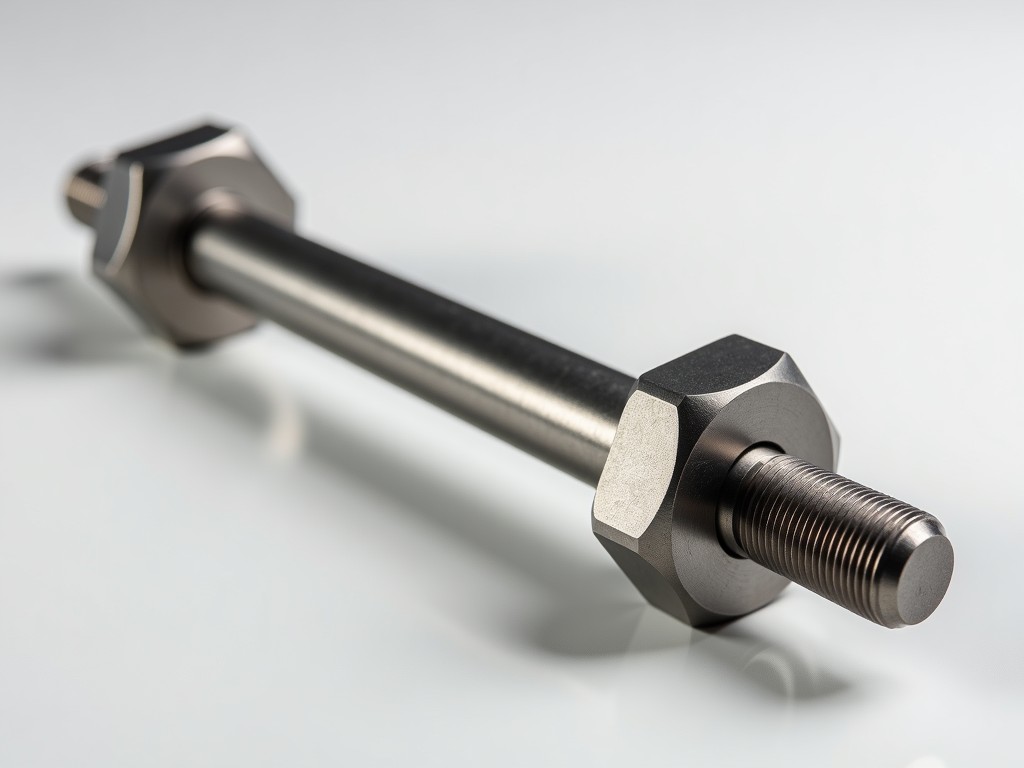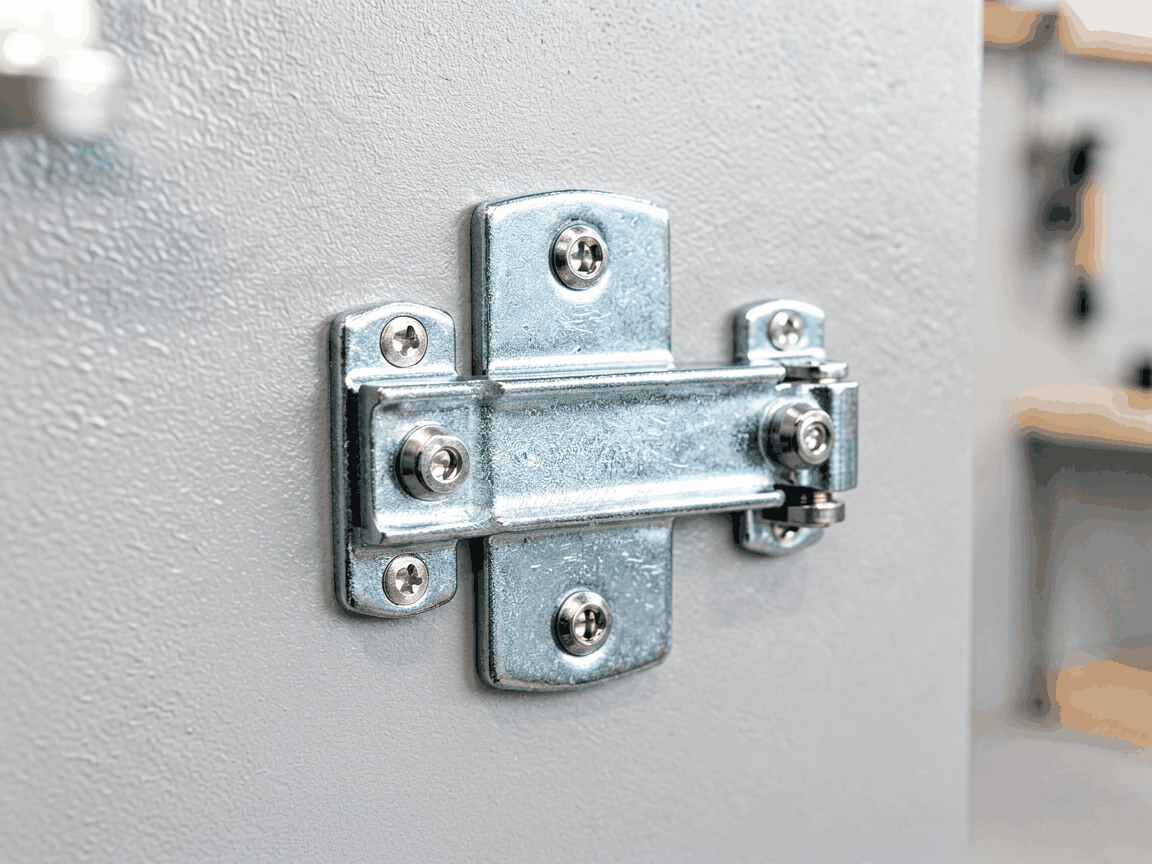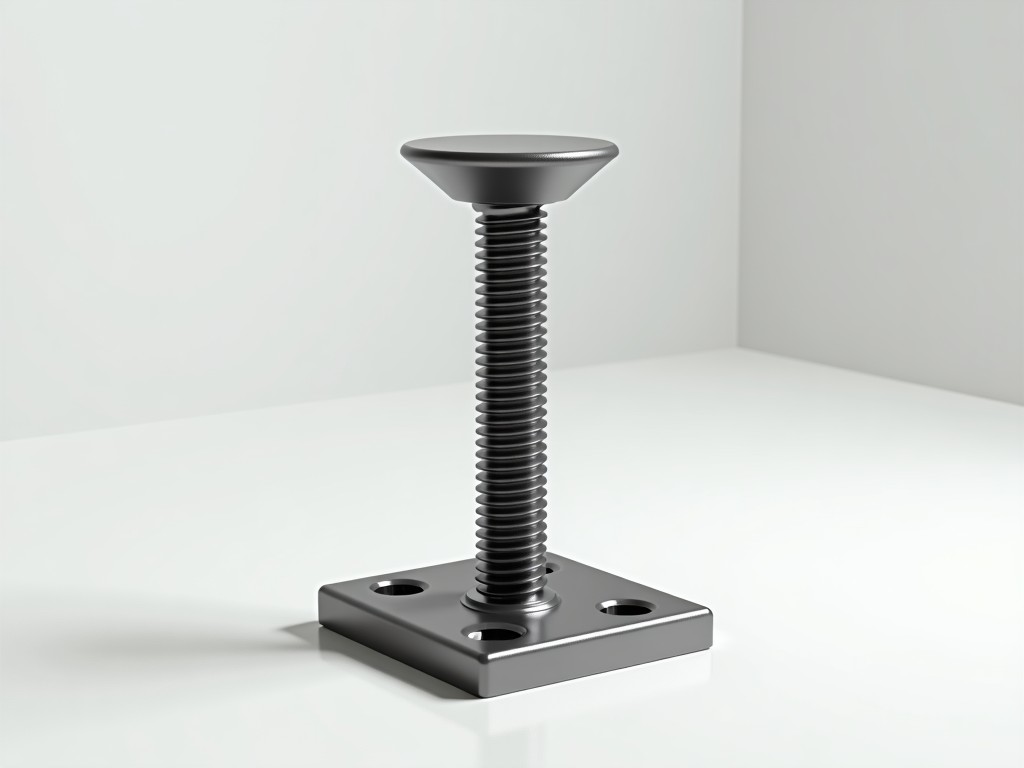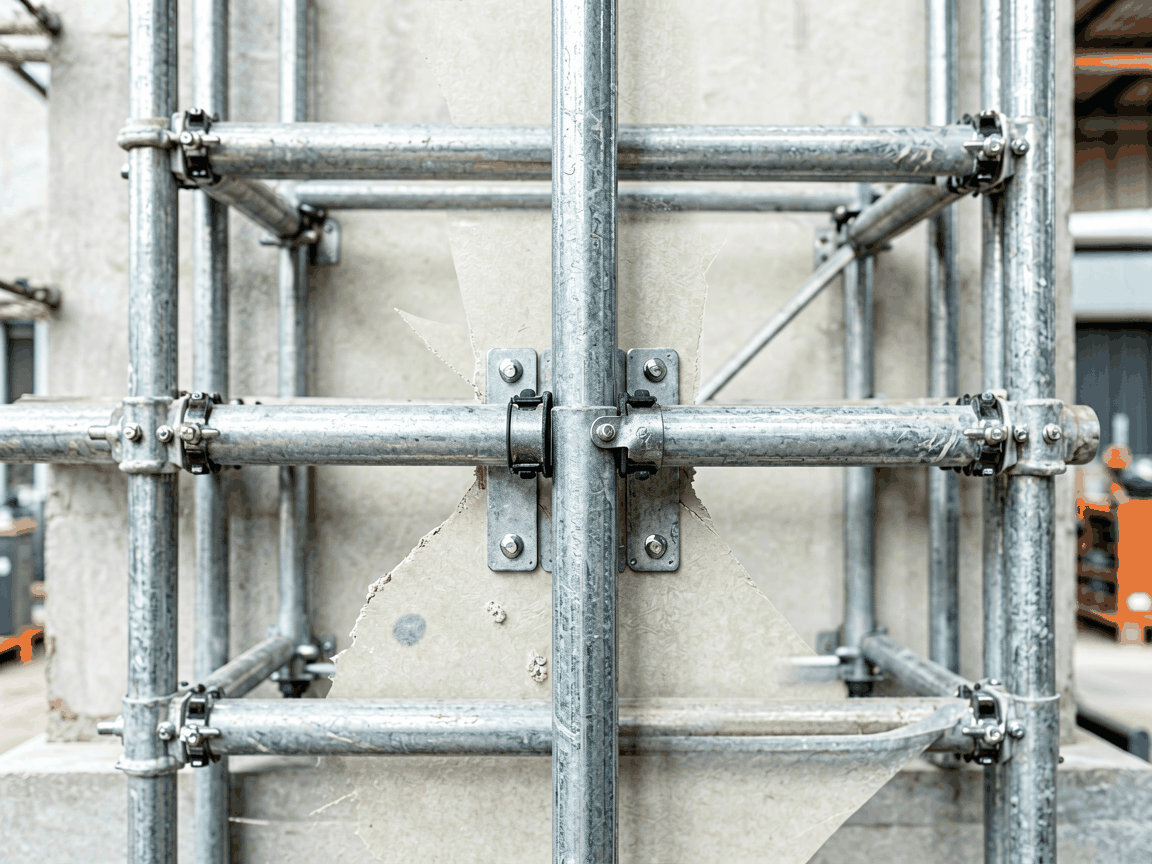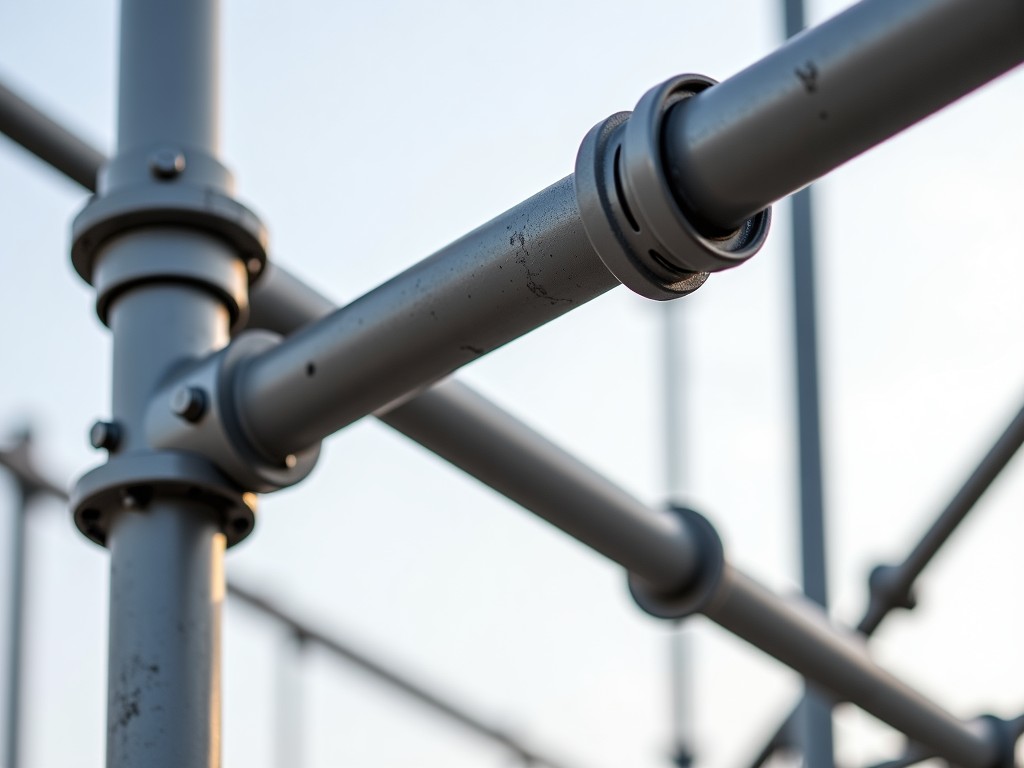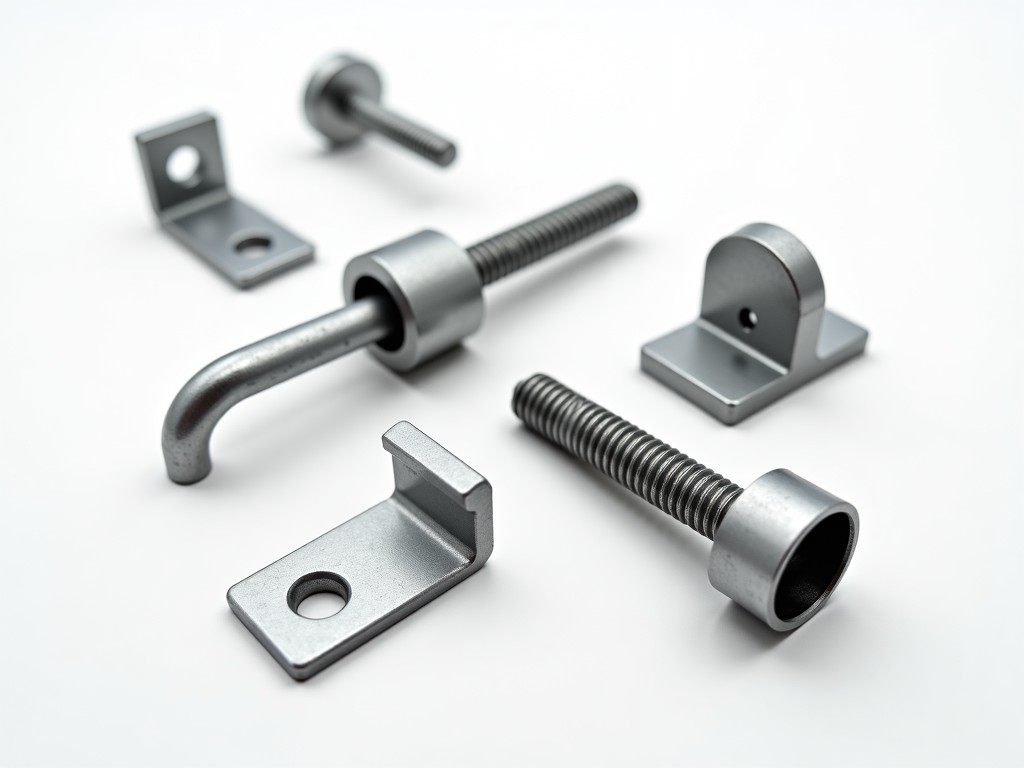
GRP (glass-reinforced plastic) scaffold tower accessories are non-conductive, corrosion-resistant components designed to enhance the safety, functionality, and adaptability of fibreglass scaffold systems in industrial environments. These accessories include components such as base plates, tie-in adapters, guardrail sockets, ladder brackets, and platform supports, all manufactured from vinyl ester or isophthalic polyester resins reinforced with E-glass or C-glass fibres. Their primary purpose is to maintain the integrity of the scaffold structure while providing electrical insulation and resistance to chemicals, UV exposure, and moisture—critical factors in power generation, petrochemical, wastewater treatment, and offshore industries.
The performance of GRP scaffold tower accessories stems from their composite structure, which combines a polymer matrix with fibrous reinforcement. Vinyl ester resins offer superior resistance to hydrolysis and chlorides, making them suitable for coastal or chemical processing environments, while isophthalic polyester provides a cost-effective balance of strength and weather resistance for general industrial use. Fibre content typically ranges from 25% to 35% by weight, directly influencing flexural strength (often exceeding 150 MPa) and compressive strength (above 80 MPa). These accessories exhibit a coefficient of thermal expansion similar to aluminium (~22×10⁻⁶/°C), minimizing stress during temperature fluctuations, and maintain dielectric strength above 15 kV/mm, ensuring effective electrical isolation in live-line work zones.
Common GRP scaffold tower accessories serve specific mechanical and safety functions within the tower system. Base plates distribute load onto uneven or soft ground, reducing point pressure and preventing settlement; they often feature ribbed undersides for enhanced grip and are designed to interface with adjustable screw jacks for leveling. Tie-in adapters secure the scaffold to structural members at specified intervals, transferring lateral loads while maintaining the required dielectric barrier. Guardrail sockets provide fixed attachment points for toe boards and mid-rails, ensuring compliance with fall protection standards without compromising the tower’s insulating properties. Ladder brackets enable safe vertical access by holding access ladders at a consistent angle, while platform supports create level working surfaces capable of sustaining uniform loads of up to 2 kN/m², depending on span and rib configuration.
Selecting appropriate GRP scaffold tower accessories requires evaluating compatibility with the tower’s main sections, load paths, and environmental exposures. Accessories must match the flange dimensions, bolt patterns, and tube diameters of the primary scaffold components to ensure proper load transfer and avoid stress concentrations. Wall thickness typically ranges from 4 mm to 8 mm, influenced by expected loads and buckling resistance; thicker sections are used in high-stress zones such as base connections or tie-in points. Surface finish is usually smooth or lightly textured to prevent fibre exposure and facilitate cleaning, while UV stabilisers (such as HALS or benzotriazoles) are added to the resin to mitigate degradation from prolonged sunlight exposure. All accessories are designed to withstand repeated assembly and disassembly cycles without cracking or delamination, assuming correct handling and torque application during installation.
GRP scaffold tower accessories are particularly valuable in environments where metal scaffolds pose safety or operational risks. In electrical substations, their non-conductive nature prevents accidental phase-to-ground or phase-to-phase contact during maintenance on live equipment, reducing reliance on procedural controls alone. In chemical processing plants, resistance to sulphuric acid, sodium hydroxide, and solvent vapours ensures long-term durability where metal components would corrode or require frequent replacement. Offshore platforms benefit from their immunity to saltwater corrosion and low maintenance needs, while in wastewater treatment facilities, they withstand constant moisture, biological agents, and cleaning agents like chlorine dioxide. These accessories enable compliance with site-specific safety rules—such as those governing work near energised conductors or in explosive atmospheres—by providing a consistently insulating barrier throughout the access structure.
Manufacturing GRP scaffold tower accessories involves controlled processes to ensure dimensional stability and mechanical consistency. Pultrusion is commonly used for linear components like ladder rails and tie-in rods, offering high fibre alignment and low void content, while compression or injection moulding suits complex geometries such as base plates and sockets. In-line monitoring includes glass content analysis via acid digestion, Barcol hardness testing for cure verification, and dimensional checks against CNC-machined fixtures. Each batch undergoes visual inspection for fibre bloom, resin starvation, or surface wrinkling, followed by proof loading to confirm load capacity—typically at 1.5 times the rated working load. Traceability is maintained through batch codes linking raw material lots to final inspection records, supporting audit requirements in regulated industries.
While standard configurations cover most industrial scenarios, GRP scaffold tower accessories can be customized to meet unique project demands. Flange patterns, bolt hole diameters, and angles can be adjusted to interface with non-standard structures or existing access systems. Colour pigments (such as safety yellow or grey) can be dispersed throughout the resin for permanent visibility without painting, avoiding coating degradation or contamination risks. Flame-retardant additives (e.g., aluminium trihydrate) may be incorporated to achieve specific fire performance ratings, such as BS 476 Part 7 Class 1 or ASTM E84 Class A, where required by site safety regulations. Length adjustments for vertical stanchions or horizontal braces are possible within pultrusion limits, typically allowing ±50 mm variation without tooling changes, while bespoke moulds enable unique geometries for specialized access points or equipment enclosures.
| Property | Typical Value / Range | Test Method / Reference |
|---|---|---|
| Flexural Strength | 150–250 MPa | ASTM D790 / ISO 178 |
| Compressive Strength | 80–140 MPa | ASTM D695 / ISO 14126 |
| Dielectric Strength | >15 kV/mm | ASTM D149 / IEC 60243 |
| Water Absorption (24h) | <0.5% | ASTM D570 / ISO 62 |
| Coefficient of Thermal Expansion | 20–25×10⁻⁶/°C | ASTM E831 / ISO 11359-2 |
Proper installation of GRP scaffold tower accessories is essential to preserve their mechanical and electrical properties. Components should be handled to avoid impact damage or surface scratching that could expose fibres and create stress concentrators. Bolts must be torqued to manufacturer-specified values—typically 20–30 Nm for M10 fasteners in GRP-to-GRP connections—to prevent over-compression and matrix cracking; using insulating washers or sleeves maintains electrical continuity breakage where required. Unlike steel, GRP does not require painting for corrosion protection, but surfaces should be cleaned periodically with mild detergent and water to remove salts, oils, or chemical deposits that could degrade the resin over time. Inspections should focus on checking for delamination, cracking at bolt holes, or UV-induced surface chalking, with damaged parts replaced immediately to maintain system integrity.
GRP scaffold tower accessories support compliance with international safety and environmental standards relevant to industrial access equipment. Their non-conductive nature aligns with requirements in IEC 61230 for live working and OSHA 1910.269 for power generation, transmission, and distribution. Fire performance can be tailored to meet EN 13501-1 or NFPA 255 classifications when flame retardants are specified. From an environmental standpoint, the inert nature of cured GRP means it does not leach harmful substances during use or disposal, and offcuts can often be recycled as filler in lower-grade composite products. Manufacturers typically provide material safety data sheets (MSDS) confirming the absence of volatile organic compounds (VOCs) in the final product and detailing safe handling procedures for raw resins and fibres during production.
For technical specifications, customization requests, or quotation assistance regarding GRP scaffold tower accessories, please contact our engineering team to discuss your project’s access requirements, environmental conditions, and safety standards.
Request Technical Consultation