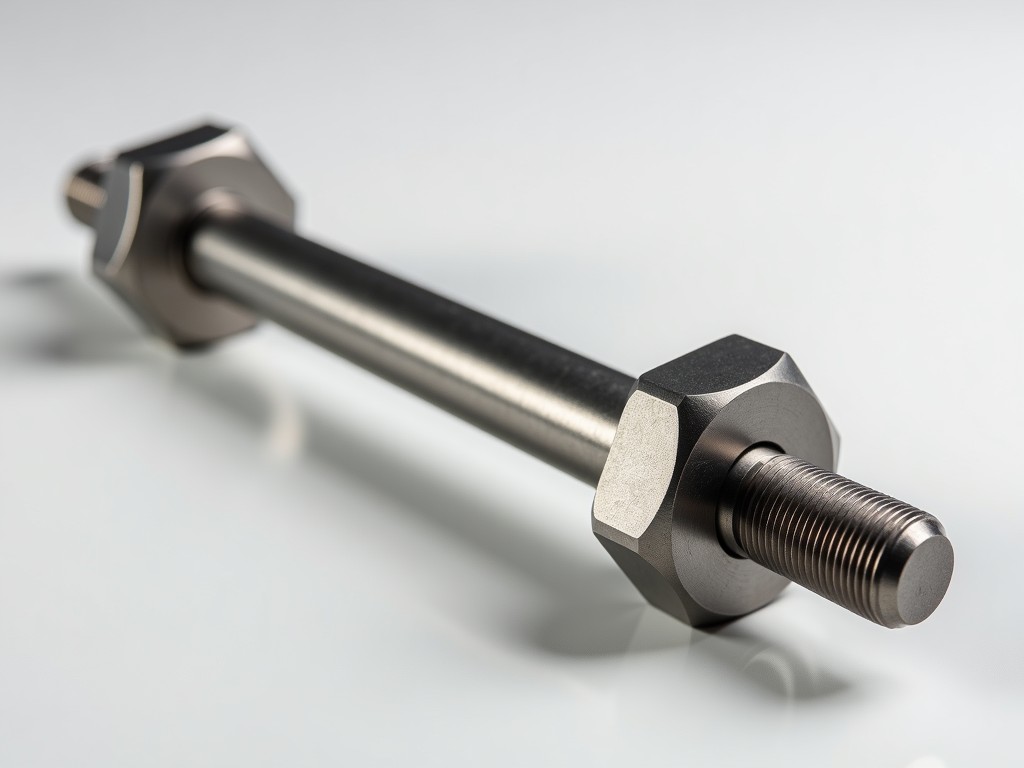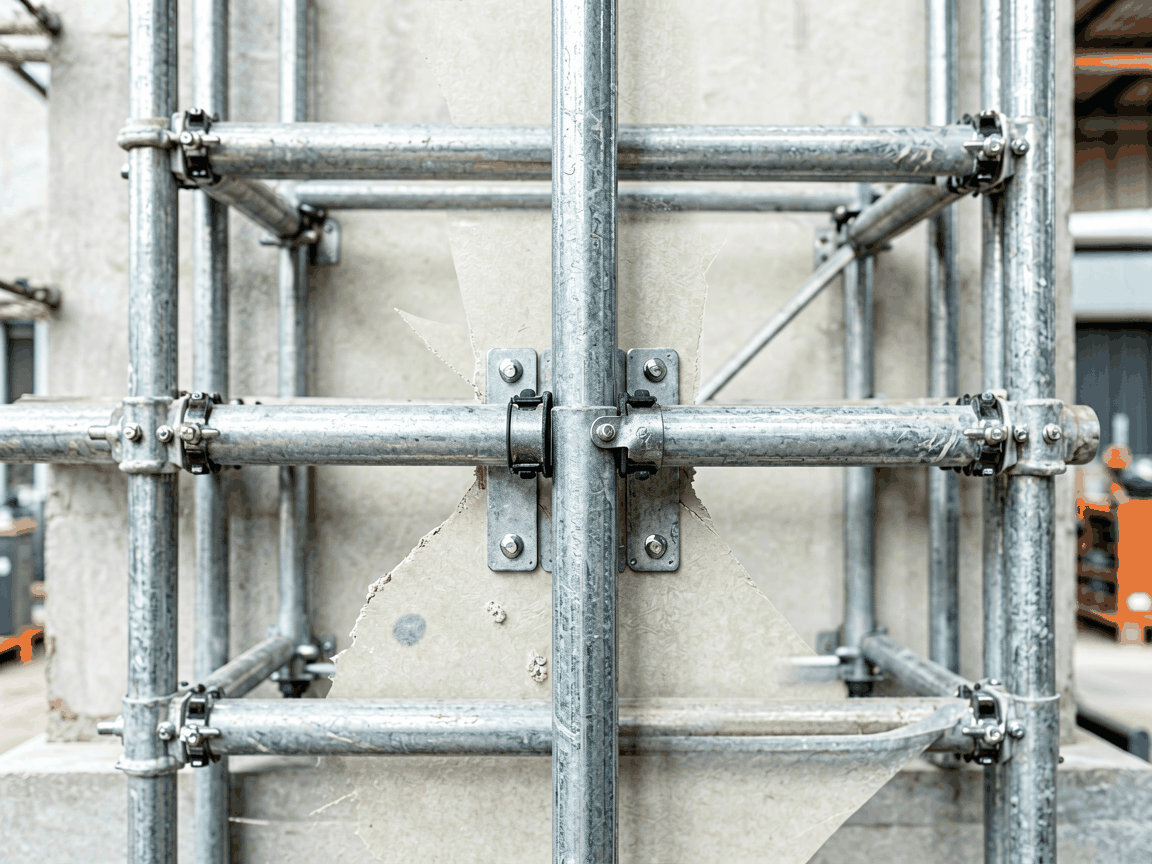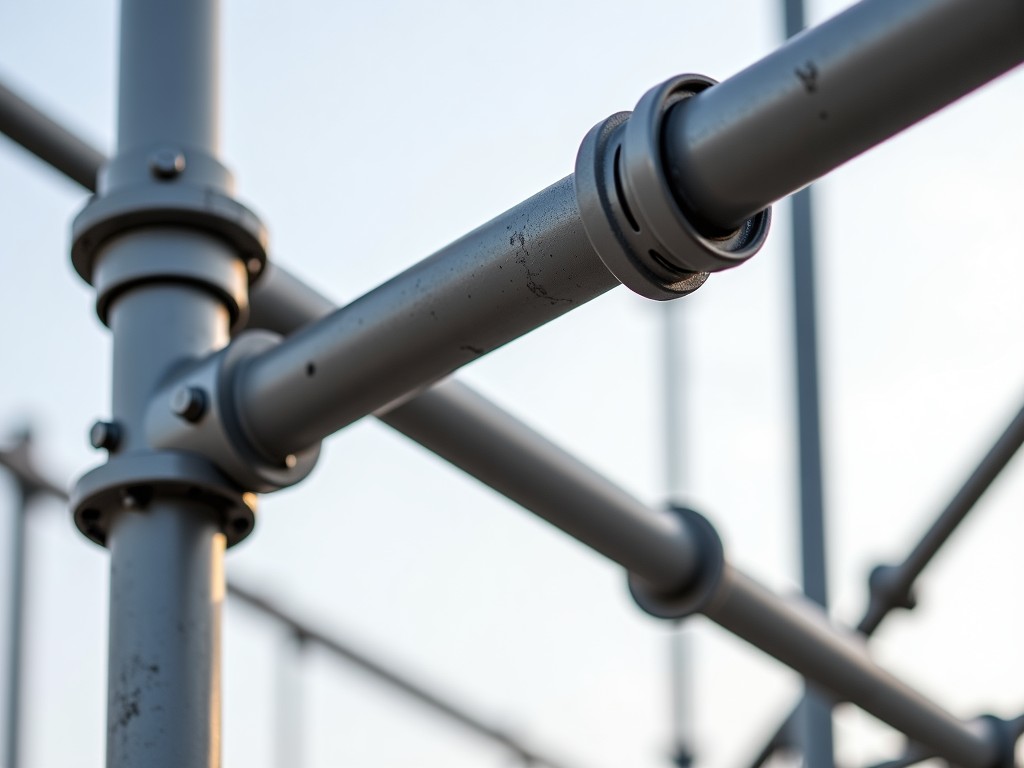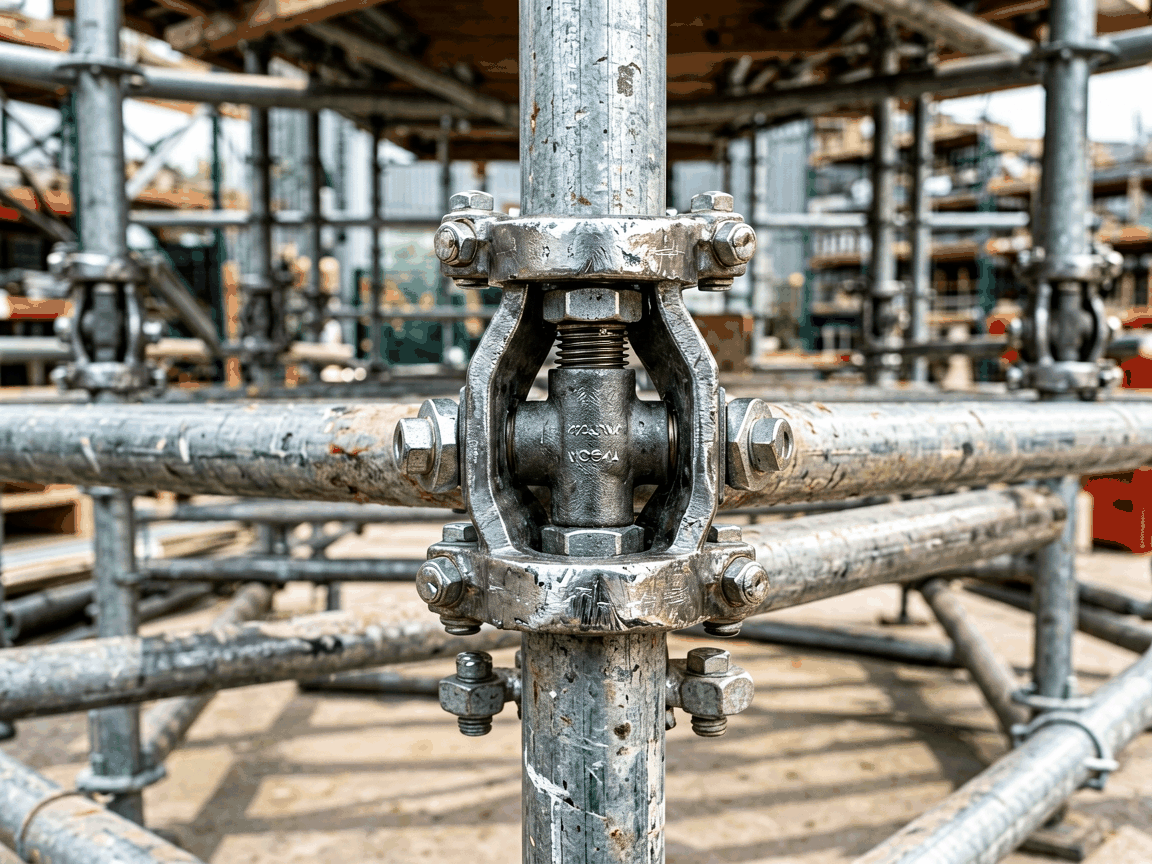
The forged swivel coupler scaffolding clamp is a critical connection component used to join two scaffolding tubes at variable angles, enabling the construction of complex, non-rectangular temporary structures. Unlike fixed-angle couplers, this device allows rotational adjustment between 0° and 360°, providing essential flexibility for adapting to irregular building geometries, uneven terrain, or architectural features during erection and dismantling.
Manufactured through hot forging of structural carbon steel, the coupler’s body and swivel mechanism are formed as a single integral unit, eliminating weld points that could fail under cyclic loading. The forging process aligns the metal grain flow with stress paths, significantly enhancing fatigue resistance compared to cast or machined alternatives. This method ensures consistent mechanical properties and dimensional accuracy critical for load-bearing applications in high-rise and industrial scaffolding systems.
The swivel action is facilitated by a hardened steel bolt and nut assembly, typically rated for property class 8.8 or higher, which clamps the two tubes securely while allowing controlled rotation. Internal serrations on the clamping surfaces grip the tube OD (outer diameter) to resist slippage under torque, with design tolerances maintained within ±0.5mm to ensure uniform contact pressure across standard 48.3mm OD scaffolding tubes. The bolt torque specification is engineered to achieve optimal clamping force without overstressing the tube material or deforming the coupler housing.
| Parameter | Value / Range |
|---|---|
| Compatible Tube OD | 48.3mm (standard scaffolding tube) |
| Material | Hot-forged structural carbon steel (e.g., S355JR equivalent) |
| Bolting System | Property class 8.8 high-tensile bolt and nut, zinc-plated |
| Swivel Range | 0° to 360° continuous rotation |
| Minimum Ultimate Load Capacity | 22 kN (5,000 lbf) per coupler, tested per EN 74 |
| Surface Treatment | Hot-dip galvanized (min. 55µm zinc coating) or electro-galvanized |
| Operating Temperature | -20°C to +60°C (standard industrial range) |
The forged construction eliminates porosity and inclusions common in cast couplers, resulting in a denser microstructure with improved toughness and impact resistance. This is particularly important in environments subject to dynamic loads from wind, worker movement, or equipment vibration, where fatigue cracking is a primary failure mode. The integral forging also ensures the swivel pivot point maintains concentric alignment under load, preventing binding or uneven wear that could compromise adjustment functionality over time.
Clamping force is distributed through a symmetrical jaw design that applies even pressure around the tube circumference, minimizing point loading that could deform thin-wall scaffolding tubes. The internal serration pattern is optimized to maximize frictional resistance while minimizing tube surface damage — critical for reusable systems where tube integrity affects multiple project cycles. The bolt head is recessed or hex-shaped to allow standard socket wrench access without requiring specialized tools, reducing on-site assembly time and labor complexity.
Corrosion protection is achieved through hot-dip galvanizing, which provides a metallurgically bonded zinc-iron alloy layer offering superior abrasion resistance compared to paint or electroplating alone. This coating system is essential for scaffolds exposed to outdoor conditions, moisture, and chloride-containing environments (e.g., coastal or de-icing salt zones), significantly extending service life and reducing maintenance frequency. The galvanized finish also maintains electrical continuity for grounding purposes where required by site safety regulations.
Swivel couplers are indispensable in scaffolding configurations where angular joints are necessary to follow building contours, such as curved facades, domes, towers, or irregular plant equipment enclosures. They enable the creation of diagonal bracing, cantilevers, and offset platforms that cannot be achieved with fixed-angle couplers alone, improving structural stability and load distribution in complex geometries. In industrial maintenance and turnaround projects, they allow rapid adaptation to vessel heads, heat exchanger bundles, or piping racks where access points vary in orientation.
They are also critical in shoring and formwork systems for concrete construction, where adjustable angles are needed to support sloped soffits, staircases, or architectural features during pouring and curing. The ability to lock tubes at any angle facilitates the erection of temporary roofs, canopies, and access towers over uneven terrain or existing structures. Their use reduces the need for custom-fabricated brackets or adapters, lowering material costs and lead times while maintaining compliance with temporary works design standards.
Each coupler undergoes dimensional verification of critical interfaces — tube bore diameter, bolt hole alignment, and swivel pivot concentricity — using calibrated gauges to ensure interchangeability and safe load transfer. Material traceability is maintained from raw steel batch to finished product, with mill certificates available upon request for projects requiring full documentation. Non-destructive testing such as magnetic particle inspection may be applied to high-risk batches to detect surface or subsurface flaws introduced during forging or machining.
Products are designed and tested to meet or exceed the requirements of international scaffolding standards including EN 74 (Europe), ANSI/ASSE A10.8 (North America), and AS/NZS 1576 (Australia/New Zealand), covering mechanical performance, dimensional tolerances, and corrosion resistance. Compliance is validated through third-party laboratory testing for ultimate load, slip resistance, and cyclic fatigue, with test reports available for project-specific qualification. Manufacturers follow ISO 9001 quality management systems to ensure consistent production control and continuous improvement.
Traceability markings — including manufacturer ID, batch number, and standard reference (e.g., EN 74) — are stamped or forged into the coupler body for permanent identification throughout the product lifecycle. This enables efficient inspection, recall management, and compliance audits on large-scale projects where hundreds or thousands of couplers are deployed. Packaging is designed to prevent deformation during transit, typically using bulk cartons or palletized crates with corrosion-inhibiting separators for humid climates.
While standard 48.3mm OD swivel couplers suit most tubular scaffolding systems, variations are available upon request for non-standard tube sizes (e.g., 42.4mm, 60.3mm) or specialized materials such as stainless steel (grades 304/316) for corrosive environments like chemical plants or marine installations. Custom bolt lengths, thread types, or locking mechanisms (e.g., captive nuts, spring washers) can be engineered to match specific site tools or safety requirements. Surface treatments may also be adjusted — such as duplex systems (galvanized + powder coating) — for extended lifecycle projects in harsh conditions.
Lead times depend on order volume, material availability, and coating specifications, with standard galvanized units typically available from stock or within 2–4 weeks for regional distributors. Expedited production is possible for critical-path projects with prior engineering approval. Minimum order quantities apply to customized variants, while standard units are sold in multiples of 50 or 100 units per carton to optimize handling and inventory management. Technical datasheets, installation guidelines, and compliance documentation are provided with each shipment.
Procurement teams should verify coupler compatibility with their specific scaffolding system’s tube diameter, wall thickness, and locking mechanism before purchase, as interchangeability between brands is not guaranteed despite similar appearance. Consulting with the manufacturer’s technical team ensures proper selection for load class, environmental exposure, and expected reuse cycles. For large-scale orders, sample evaluation and on-site testing under simulated load conditions are recommended to validate performance prior to full deployment.
To request a quotation, discuss customization options, or obtain technical documentation for forged swivel coupler scaffolding clamps, please contact our engineering team via the inquiry form. Provide your project’s scaffolding tube specifications, required quantity, environmental conditions, and any applicable standards to receive a tailored response with pricing, lead time, and compliance details.
Request Quotation or Technical Support