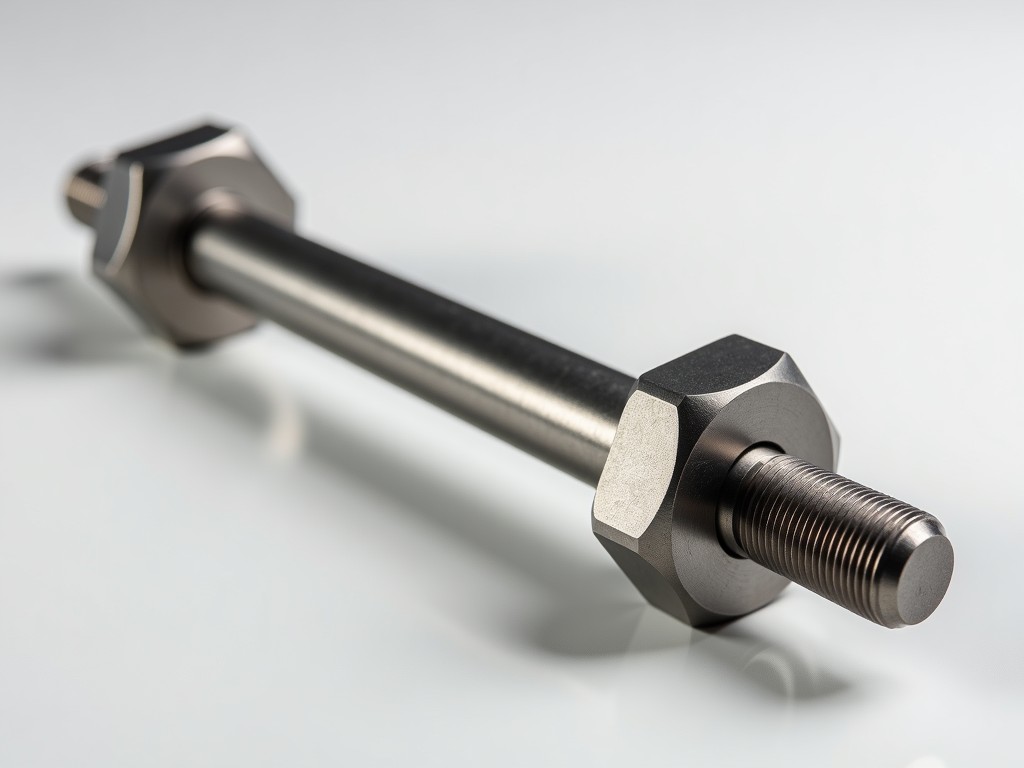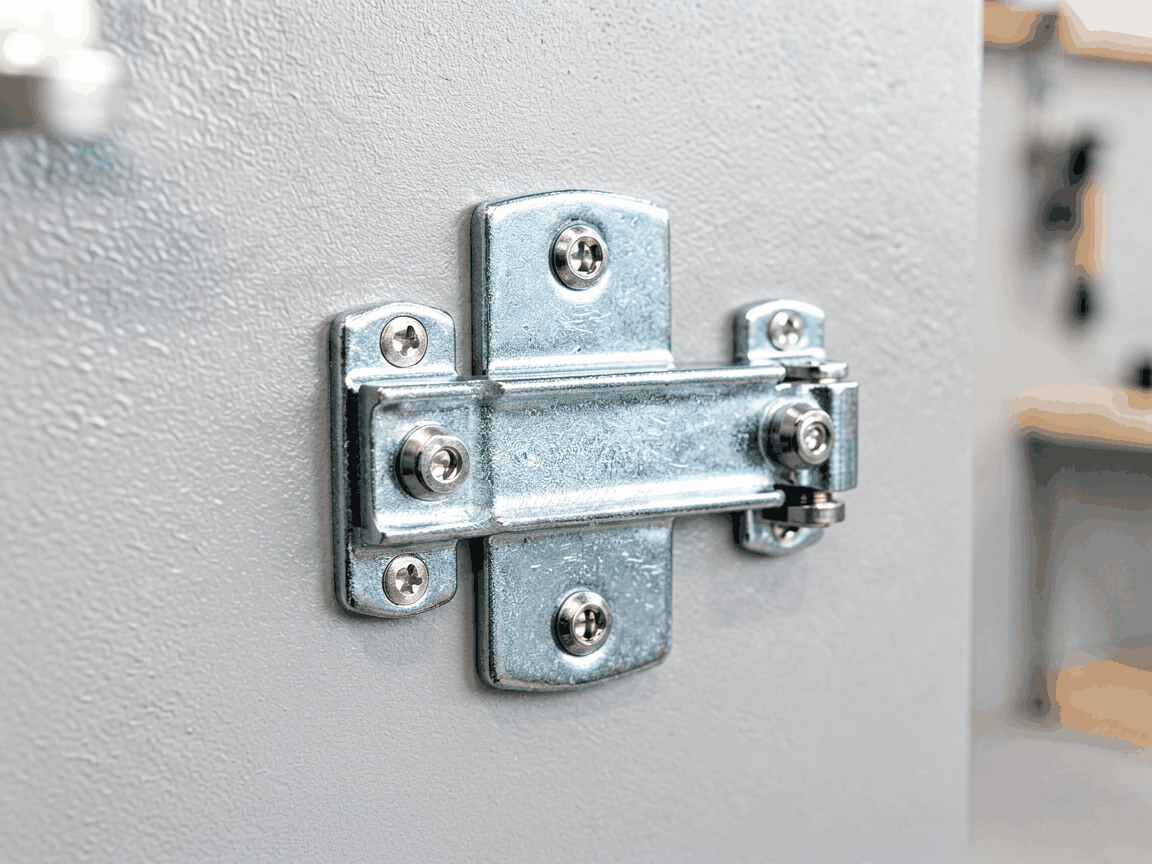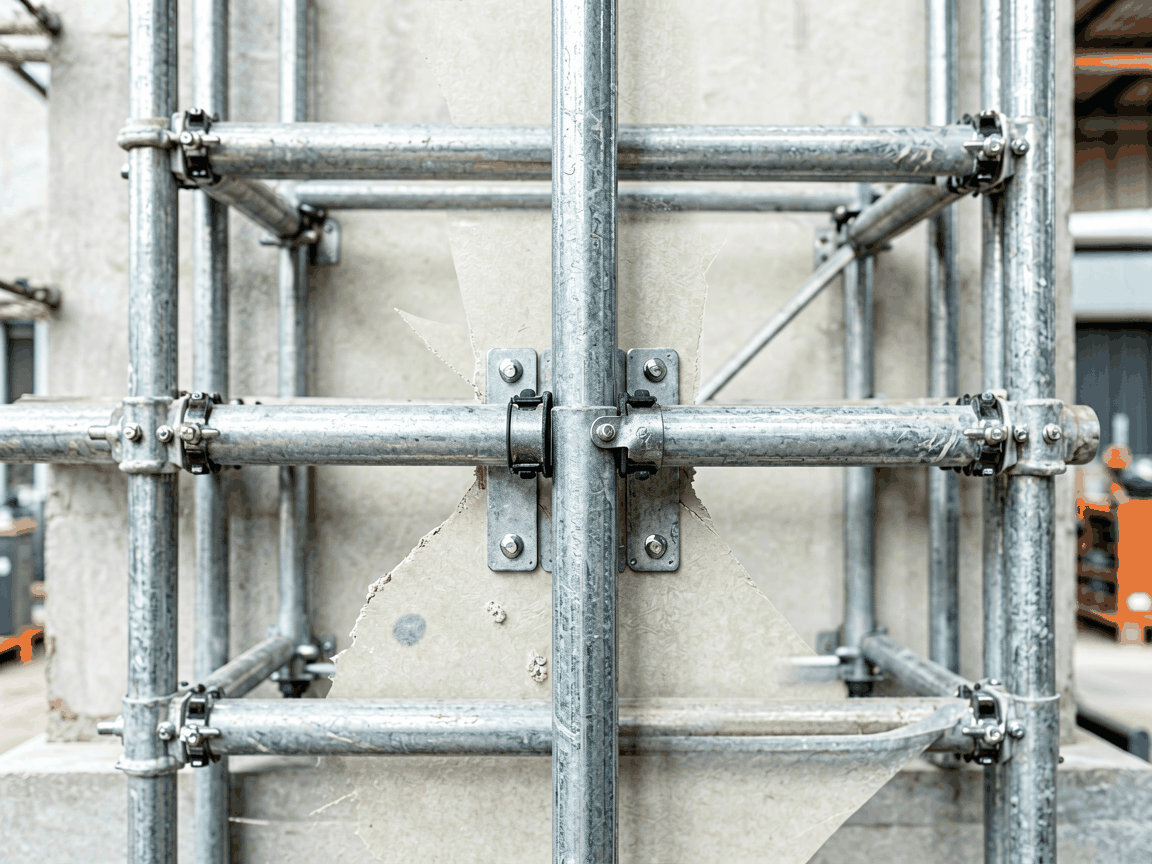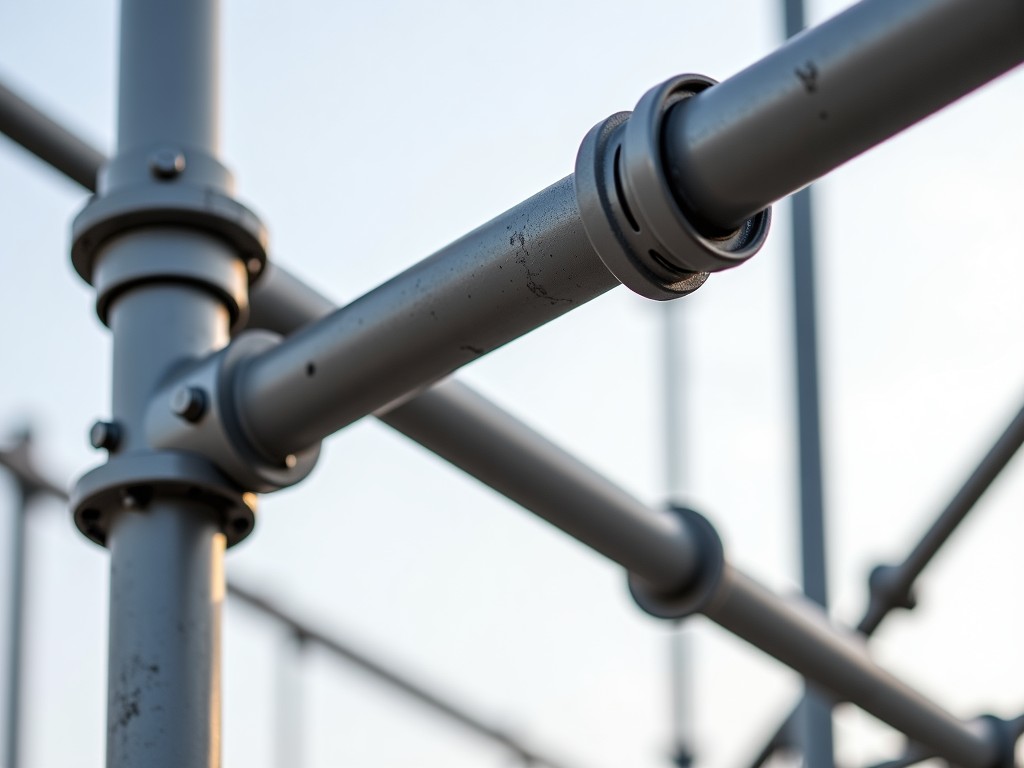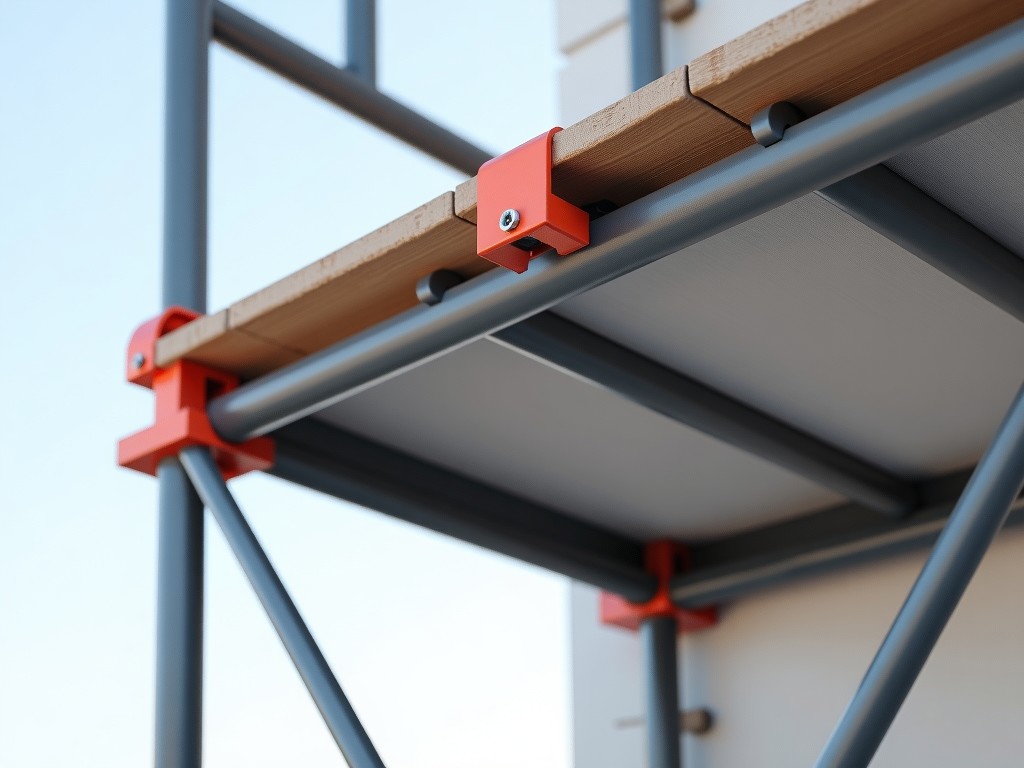
End frame scaffolding accessories are precision-engineered components designed to connect, stabilize, and reinforce the terminal sections of modular scaffolding systems. These parts ensure structural integrity at vertical and horizontal terminations where load transfer, lateral resistance, and alignment accuracy are critical. Unlike generic fittings, end frame accessories are manufactured to tight tolerances to maintain compatibility with standard tube diameters (typically 48.3mm OD) and coupling mechanisms such as wedge locks, pin-and-hole, or bolted joints. Their primary function is to prevent sway, resist uplift forces, and maintain geometric consistency across scaffold bays, especially in high-rise or suspended applications where end conditions govern overall system stability.
End frame accessories are engineered to handle specific load paths that differ from intermediate frame components. At the end of a scaffold bay, these parts must resist both axial compression from vertical loads and significant lateral forces from wind, equipment, or worker movement. To achieve this, they incorporate features such as gusset plates, reinforced collars, and staggered bolt patterns that distribute stress away from weld points and tube ends. Material selection typically follows structural steel grades like S355JR or ASTM A572 Grade 50, chosen for their yield strength (minimum 355 MPa) and toughness at low temperatures. Surface treatment is usually hot-dip galvanization to ISO 1461 standards, providing a minimum zinc coating of 55µm for corrosion resistance in outdoor environments.
Dimensional accuracy is critical for end frame accessories due to their role in maintaining bay alignment. Tube insertion depths are controlled to within ±1.5mm to ensure full engagement with locking mechanisms without inducing pre-stress or gaps. Hole positions for pins or bolts are machined to ±0.5mm tolerance to prevent misalignment during assembly, which could lead to uneven load distribution or joint slippage under cyclic loading. Some designs include adjustable sleeves or telescoping elements to accommodate minor variations in on-site erection, allowing for fine-tuning of bay length while maintaining structural continuity. These adjustments are limited to engineered ranges—typically ±25mm—to avoid compromising the accessory’s load-bearing capacity.
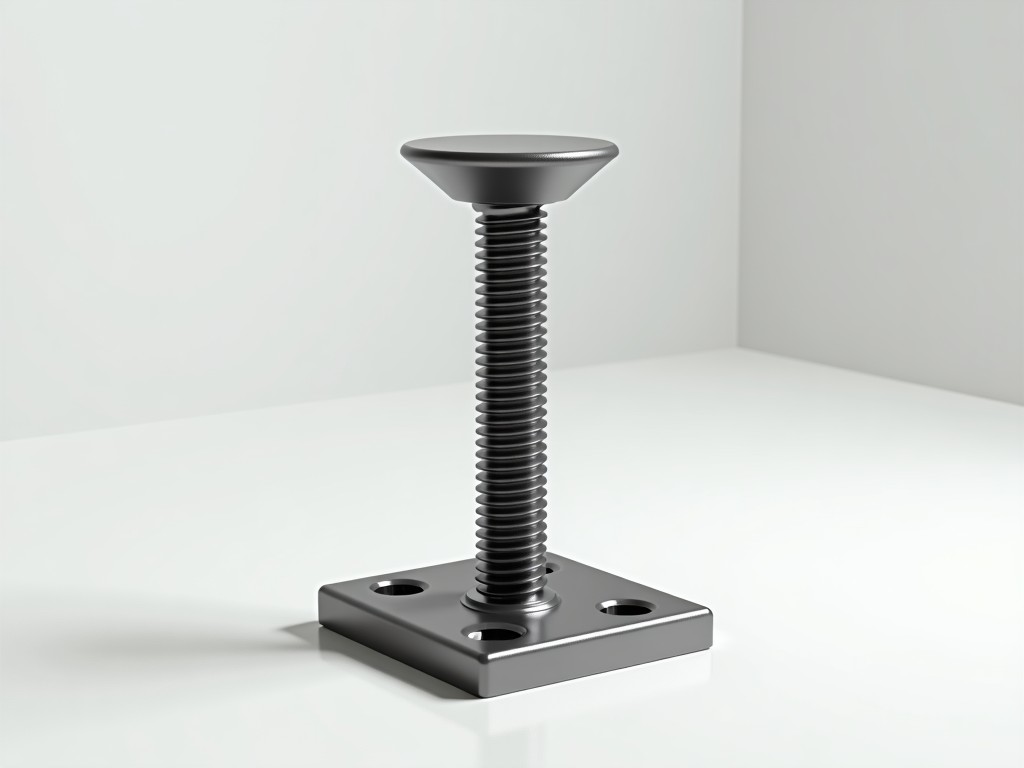
End frame scaffolding accessories include several distinct categories, each addressing specific termination requirements. Base plates and screw jacks are used at the bottom to transfer loads to uneven or soft ground while allowing vertical adjustment. Uplift brackets and tie-in adapters secure the scaffold to adjacent structures at the top or intermediate levels, resisting wind-induced withdrawal forces. End guards and toe boards prevent falls and tool drop-offs at open ends. Intermediate transoms and ledger end fittings complete the horizontal framework at the bay’s extremity, ensuring proper load transfer to vertical standards. Each type is designed to interface with specific scaffolding systems—such as Cuplock, Ringlock, or Kwikstage—so compatibility must be verified before selection.
The functional difference between end frame accessories and standard couplers lies in their load-bearing role. While couplers primarily connect tubes at intermediate points, end accessories often act as terminators that must resist moment loads and provide lateral bracing. For example, an end frame bracket connected to a building structure must withstand not only the vertical load from the scaffold but also the overturning moment caused by eccentric loading or wind pressure. This requires thicker sections, larger gussets, and sometimes additional stiffening ribs—features unnecessary in mid-span couplers. Engineers select these accessories based on calculated reaction forces at the end node, using scaffolding design software or manual methods compliant with standards like EN 12810/EN 12811 or ANSI/ASSE A10.8.
| Property | Typical Specification |
|---|---|
| Structural Steel Grade | S355JR, ASTM A572 Gr 50, or equivalent |
| Minimum Yield Strength | 355 MPa (51,000 psi) |
| Surface Treatment | Hot-dip galvanization (ISO 1461) |
| Zinc Coating Thickness | Minimum 55µm (average 70µm) |
| Tube Compatibility | 48.3mm OD x 3.2mm wall (standard) |
| Adjustment Range (if applicable) | ±25mm (screw jacks, telescoping adapters) |
While hot-dip galvanization is the standard finish for outdoor use, alternative coatings may be specified for particular environments. In indoor or temporarily enclosed projects, electro-galvanization or powder coating might be chosen for aesthetic consistency or reduced friction during repeated assembly. For chemical plants or marine applications, specialized coatings such as zinc-rich primers followed by epoxy topcoats may be required to resist specific corrosive agents. Stainless steel grades (e.g., 304 or 316L) are available upon request for environments with chloride exposure or stringent hygiene requirements, though their higher cost and lower modulus of elasticity necessitate redesign of section thicknesses to maintain equivalent stiffness.
End frame scaffolding accessories are essential in any scenario where scaffold bays terminate at a structural interface or open edge. In shipbuilding, they secure scaffolds to hull contours at bow and stern sections, where standard bays cannot conform to curved surfaces. In petrochemical plant maintenance, end frame accessories connect scaffolds to vessel flanges or pipe racks, allowing safe access for insulation replacement or weld inspection while resisting vibration from operating machinery. In high-rise construction, they enable tie-ins to concrete cores or steel frames at every third or fourth lift, preventing lateral drift caused by crane loads or wind gusts. Without properly engineered end accessories, these terminations become weak points that compromise the entire scaffold’s stability under dynamic loads.
The selection of end frame accessories is driven by the specific boundary conditions of the scaffold system. For suspended scaffolds used in facade work, end brackets must be designed to support stirrups and withstand uplift from wind suction on the building face. For supported scaffolds on uneven terrain, adjustable base plates with large footprints prevent settling into soft ground while maintaining level platforms. In confined spaces such as tunnels or boiler interiors, compact end fittings with low projection allow erection within tight clearances. Each application demands a different combination of load capacity, adjustability, and geometric compatibility—factors that cannot be addressed by standardized intermediate components alone.
Manufacturing end frame scaffolding accessories requires strict process control to ensure dimensional consistency and mechanical integrity. Cutting, punching, and forming operations must maintain tight tolerances to prevent misalignment during assembly—especially for hole patterns that interface with locking pins or wedges. Welding procedures are qualified according to ISO 15614 or ASME Section IX, with particular attention to heat input control to avoid weakening the base metal or causing distortion in thin gussets. Post-weld stress relief may be applied for thick sections or high-stress geometries. Every batch undergoes dimensional inspection using calibrated fixtures and tensile testing of sample coupons to verify yield strength and elongation. Galvanized coatings are tested for thickness and adhesion using magnetic gauges and knife-edge methods per ISO 1460 and ISO 2409.
Traceability is maintained through heat numbers and production codes stamped or laser-etched onto each accessory, enabling full material traceback in case of field performance concerns. Load testing is conducted on representative samples using calibrated hydraulic rigs to simulate worst-case load combinations—vertical compression, lateral shear, and uplift—according to the expected service conditions. Results are compared against finite element analysis predictions to validate design assumptions. Accessories that pass these checks are marked with the manufacturer’s identifier, load class (if applicable), and compliance reference (e.g., “EN 12811-1 Class D”). This rigorous approach ensures that end frame accessories perform reliably as critical load-path components rather than generic fittings.
While standard end frame accessories cover the majority of common scaffolding configurations, certain projects require tailored solutions due to unique geometries, load conditions, or interface constraints. Customization may involve altering the flange width of a base plate to match irregular foundations, adjusting the angle of an uplift bracket to match a non-perpendicular building face, or modifying the tube pocket depth to accommodate non-standard scaffolding systems. These changes are not arbitrary; they are derived from site surveys, structural drawings, and load calculations provided by the client or their engineering team. Manufacturers work from approved schematics to produce accessories that maintain the same safety factors and material standards as catalog items.
Custom end frame accessories are typically produced in low volumes, making prototyping and first-article inspection critical steps. Before full production, a sample is submitted for dimensional verification, material certification, and mechanical testing to confirm it meets the agreed specifications. Lead times for custom parts are longer than standard items due to the need for dedicated tooling, program validation, and quality hold points. However, this investment prevents field modifications, compatibility issues, or over-engineering that could compromise safety or increase costs. Clients are advised to provide complete interface details—including tube dimensions, connection type, load directions, and environmental factors—early in the quotation process to enable accurate design and pricing.
Procurement professionals should approach end frame scaffolding accessories as engineered components rather than commodity hardware. Key information required for accurate quotation includes: scaffolding system type (e.g., Ringlock, Cuplock), tube diameter and wall thickness, intended use (supported, suspended, rolling), expected load conditions (from structural calculations), environmental exposure (indoor/outdoor, chemical exposure), and any required certifications (e.g., CE, ANSI, CSA). Providing this data upfront reduces back-and-forth and ensures the supplier can recommend the correct load class, material grade, and finish. Vague requests such as “standard end fittings” often result in mismatched components that require returns or rework.
Technical support from the manufacturer should extend beyond basic product data to include application guidance, load table interpretation, and compatibility verification. Suppliers with engineering teams can review scaffold layouts, identify potential overstress points at end nodes, and suggest alternative accessories or reinforcement methods. They can also provide CAD models or BIM objects for integration into temporary works designs. This level of support reduces the risk of improper selection and helps ensure that the scaffold system performs as intended throughout its erection, use, and dismantling phases. For repeat buyers, establishing a clear specification sheet for end frame accessories streamlines future orders and maintains consistency across projects.