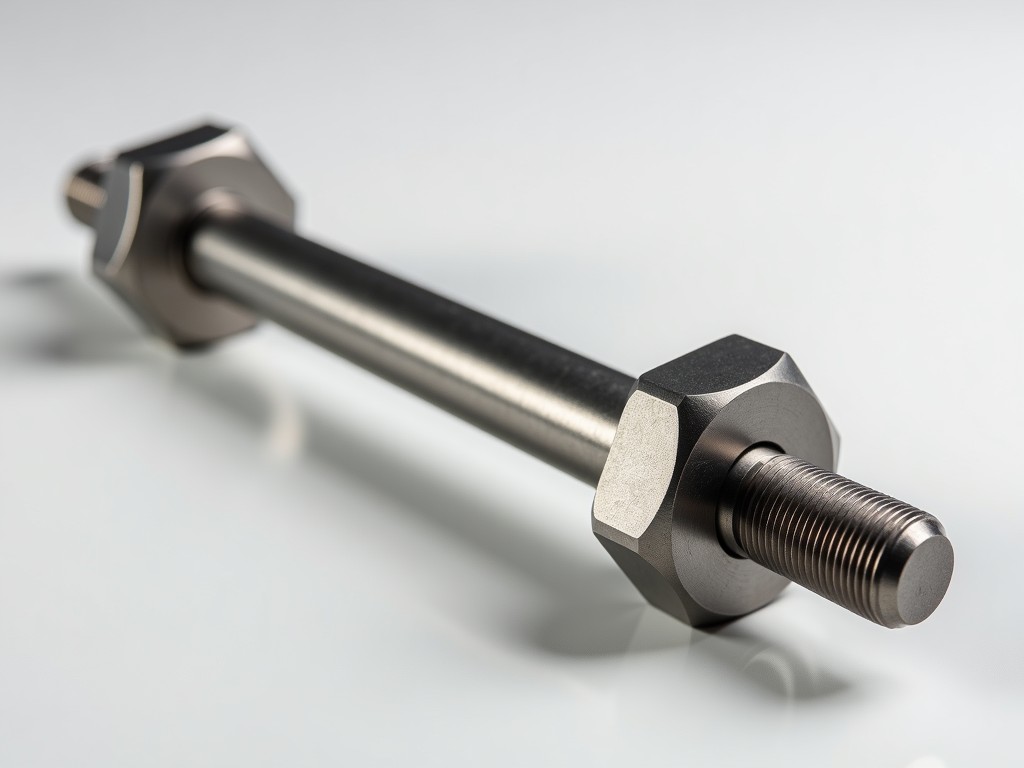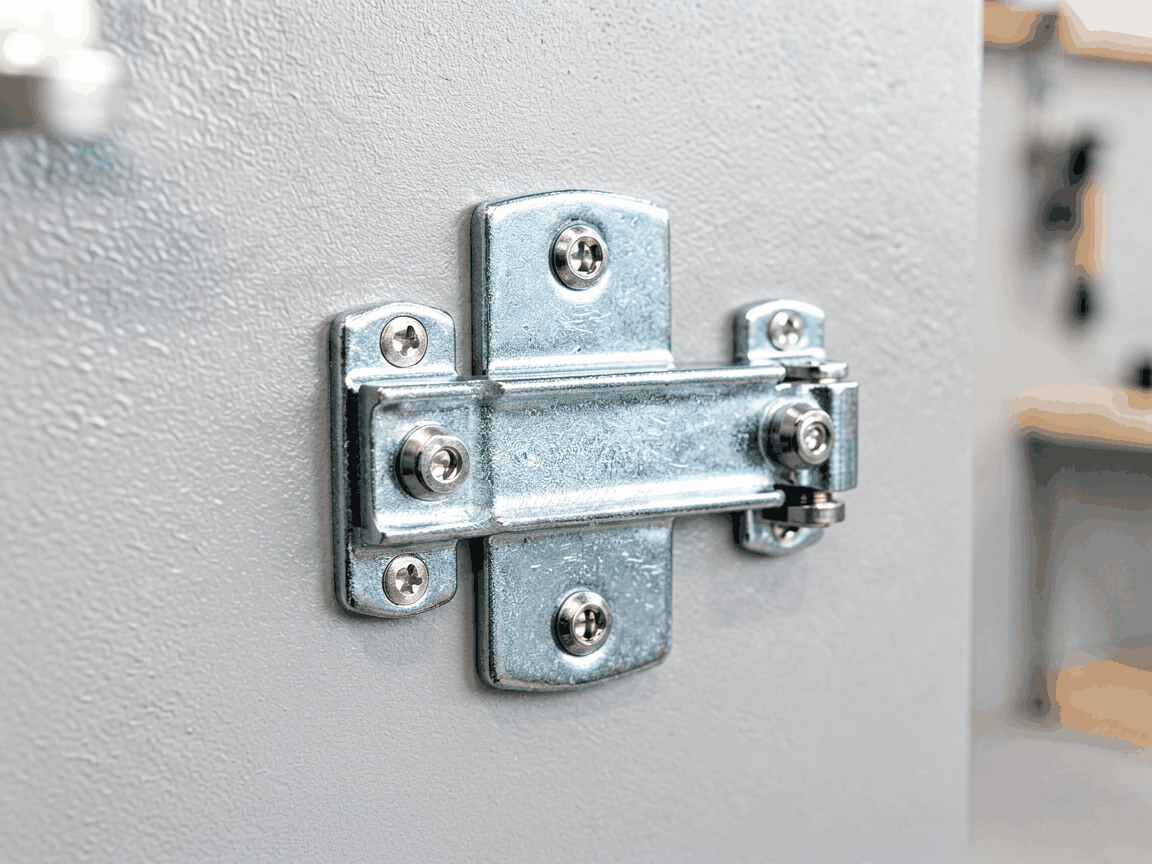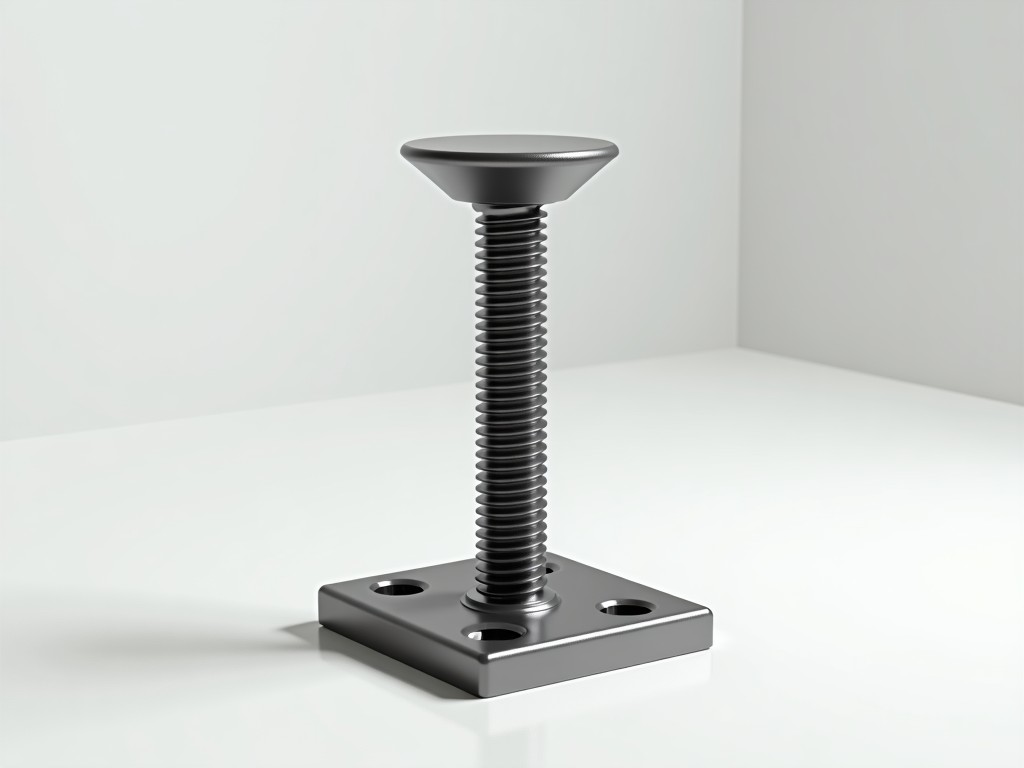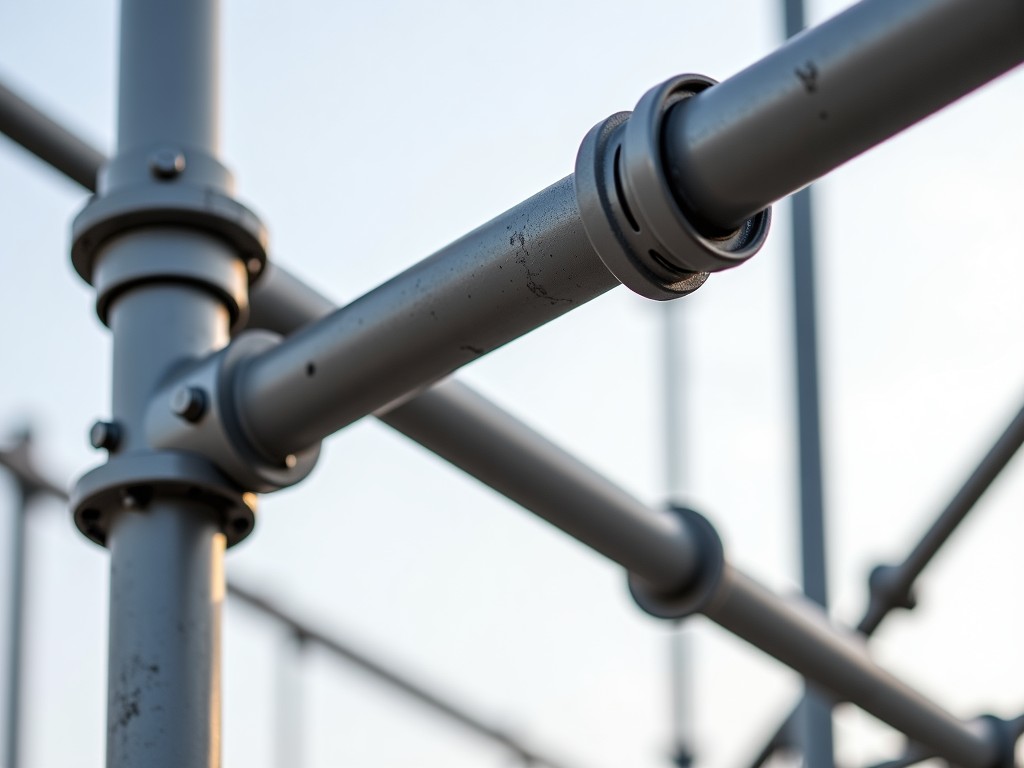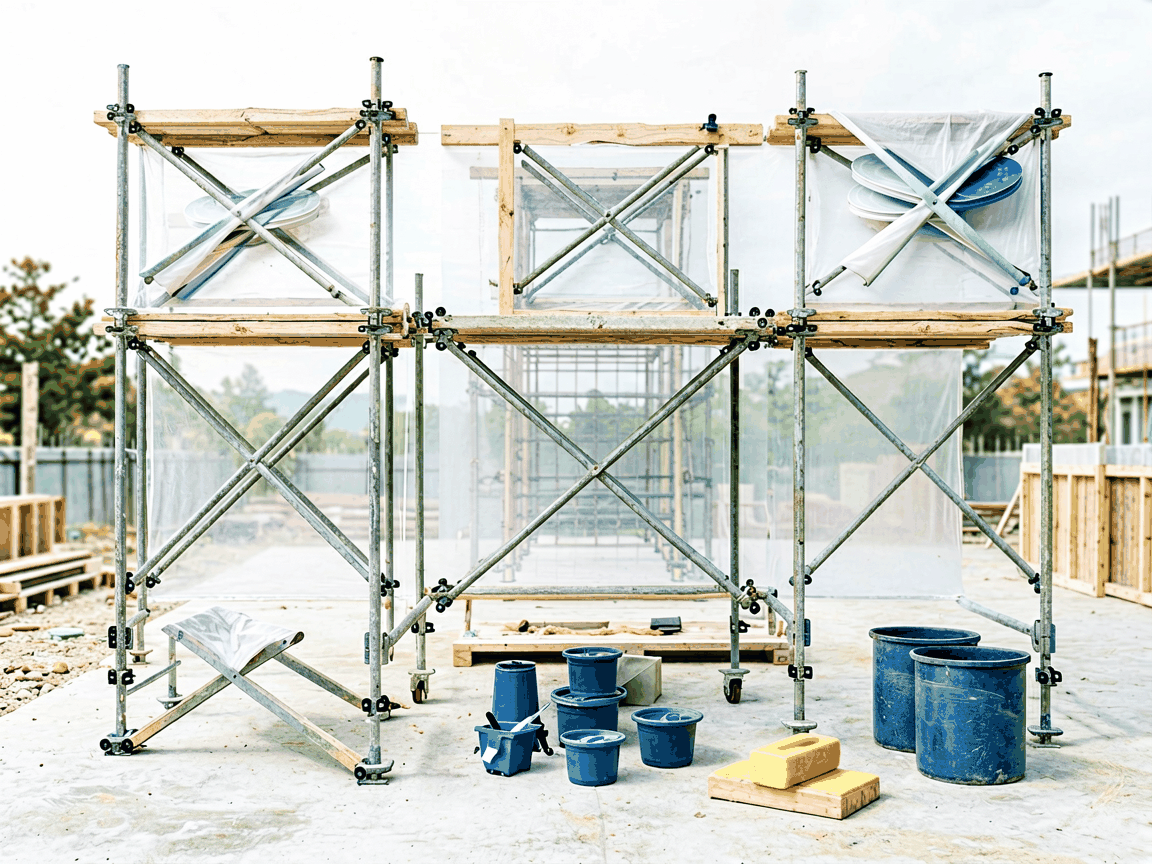
Scaffolding accessories are engineered components that enable safe, efficient, and adaptable temporary access structures. Rather than generic add-ons, these parts are designed to interface precisely with modular scaffolding frames, braces, and platforms to meet site-specific load, height, and configuration demands. Understanding their function requires recognizing that scaffolding is not a monolithic system but an assembly of interdependent elements where each accessory contributes to structural integrity, worker safety, and installation speed.
Accessories fall into distinct functional groups based on their role in the scaffold assembly. Base components such as adjustable screw jacks and base plates distribute loads to uneven or soft ground, preventing settlement and maintaining vertical alignment. Couplers and clamps—including right-angle, swivel, and sleeve types—join tubes at specified angles while resisting slip under lateral and torsional forces. Safety elements like toe boards, guardrails, and mid-rails prevent falls and contain debris, adhering to regional fall protection standards. Access aids such as ladders, stair towers, and trapdoor platforms facilitate vertical movement between levels without compromising enclosure integrity.
Each category addresses a specific failure mode: base components mitigate ground instability, couplers resist joint deformation, safety accessories prevent personnel injury, and access aids reduce climb-related fatigue and error. Selection depends not on availability but on matching the accessory’s load capacity, connection type, and adjustment range to the scaffold’s duty class and site conditions.
Most scaffolding accessories are manufactured from structural steel grades such as S235JR or S355JR, chosen for their yield strength (typically 235–355 MPa) and ductility under cyclic loading. Tube diameters commonly range from 48.3 mm to 60.3 mm OD with wall thicknesses between 2.7 mm and 4.0 mm, depending on the accessory’s load path. For corrosion resistance, hot-dip galvanization per EN ISO 1461 is standard, providing a zinc coating of 55 μm minimum thickness—equivalent to approximately 390 g/m² surface density—to protect against atmospheric and moisture exposure in outdoor environments.
In environments with higher chemical exposure or coastal salinity, alternatives such as galvannealed steel or powder-coated finishes may be specified. Powder coatings typically apply epoxy or polyester resins at 60–80 μm thickness, offering UV stability and impact resistance but requiring careful handling during installation to avoid chipping. Stainless steel grades like 304 or 316 are used sparingly due to cost, reserved for permanent or semi-permanent installations where maintenance access is limited.
Accessory load ratings are determined through finite element analysis and physical testing per EN 12810 and EN 12811 standards. For example, a typical adjustable base jack rated for 25 kN ultimate load will exhibit elastic deformation under 15 kN working load, with permanent set limited to less than 0.5% of thread engagement length. Couplers are classified by slip resistance: Class B couplers withstand 6 kN lateral slip load, while Class D (for suspended scaffolds) resist up to 10.2 kN. These values are not arbitrary; they reflect the force thresholds at which joint movement could compromise scaffold stability.
Compatibility is not merely about tube diameter—it involves matching the accessory’s connection geometry, pin hole spacing, and locking mechanism to the scaffold system’s design. Mixing accessories from different manufacturers without verified interface compatibility risks uneven load distribution, premature wear, or disengagement under dynamic loads such as wind or worker movement. Always consult the scaffold system’s technical manual for approved accessory combinations.
Choosing the right accessory begins with classifying the scaffold’s intended use: facade work, shoring, formwork support, or suspended access. Facade scaffolds prioritize ease of assembly and fall protection, favoring snap-on couplers and pre-assembled guardrail frames. Shoring systems require high axial load capacity in base jacks and vertical braces, often using threaded spindles with coarse pitches for rapid adjustment under heavy concrete loads. Suspended scaffolds demand certified suspension rigs, counterweights, and fail-safe braking mechanisms—accessories where failure consequences are catastrophic.
Site constraints further refine selection. Confined spaces favor modular stair towers over ladders due to safer ingress/egress. Uneven terrain necessitates extensive use of screw jacks with >300 mm adjustment range. High-wind locations increase demand for diagonal braces and tie-in accessories to resist lateral forces. In all cases, the accessory must not only fit the tube but also transfer loads efficiently without creating stress concentrations at connection points.
Reliability in scaffolding accessories stems from consistent manufacturing controls, not just material choice. Dimensional tolerances for tube ends are typically held to ±0.5 mm to ensure proper coupler fit and prevent binding or excessive play. Welded components—such as base plates attached to spindles—undergo 100% visual inspection per EN ISO 5817, with critical welds inspected via magnetic particle or dye penetrant testing to detect surface-breaking cracks. Threaded components are gauged for pitch diameter and thread form to prevent galling or stripping under repeated adjustment cycles.
Traceability is maintained through batch marking: each accessory carries a laser-etched or stamped code linking to raw material certificates, production date, and test results. This enables root-cause analysis if field performance deviates from expectations. Unlike consumer hardware, scaffolding accessories are not inspected statistically; critical load-bearing parts are verified individually or via statistically significant sampling plans tied to project risk assessments.
| Accessory Type | Typical Material | Key Dimension Range | Standard Load Rating |
|---|---|---|---|
| Adjustable Base Jack | S355JR Steel | Thread: 32–38 mm OD Adjustment: 250–600 mm |
25 kN (SWL) |
| Right-Angle Coupler | S235JR Steel | Tube: 48.3 mm Width: 100–120 mm |
6 kN Slip Resistance (Class B) |
| Toe Board | Galvanized Steel | Height: 150 mm Length: 600–3000 mm |
Impact Resistance: 0.5 kJ |
| Ladder Section | S355JR Steel | Width: 400 mm Rung Spacing: 300 mm |
Axial Load: 1.5 kN per rung |
Table: Typical specifications for common scaffolding accessories. Values represent common configurations; actual ratings depend on geometry, material grade, and manufacturing process. Always verify with manufacturer data sheets for project-specific applications.
While standard accessories cover most scenarios, certain projects require non-standard solutions. Extended-length base jacks (>800 mm adjustment) are available for deep foundations or basement retrofits. Swivel couplers with enlarged throat openings accommodate irregular tube angles in complex geometries. Custom-fabricated guardrail panels can integrate with architectural features where standard lengths create gaps. These modifications are not off-the-shelf; they involve engineering review to ensure load paths remain intact and connection stiffness is not compromised.
Customization requests should include: scaffold system model, intended duty class (per EN 12811), maximum expected load, environmental conditions (indoor/outdoor, chemical exposure), and interface details with existing equipment. Providing clear functional requirements—rather than just dimensional sketches—enables manufacturers to assess feasibility without over-engineering or under-specifying.
Regular inspection is not a formality; it is a critical control for detecting degradation before it affects safety. Accessories should be checked before each use for: straightness of tubes (no bends >1° over 1 m), thread integrity (no galling, cross-threading, or deformed nuts), weld soundness (no cracks, porosity, or undercut), and coating continuity (no bare metal exceeding 2 mm² area). Couplers must close fully with hand pressure—no hammering required—and pins must insert freely without binding.
Storage practices affect longevity: accessories should be kept off ground, sorted by type, and protected from prolonged moisture exposure to prevent corrosion creep at threaded interfaces. Lubrication of adjusting threads with anti-seize compound (copper or nickel-based) reduces wear and prevents seizing, particularly in humid or saline environments. Any accessory showing permanent deformation, cracked welds, or stripped threads must be removed from service immediately—repair is not permitted for load-bearing components.