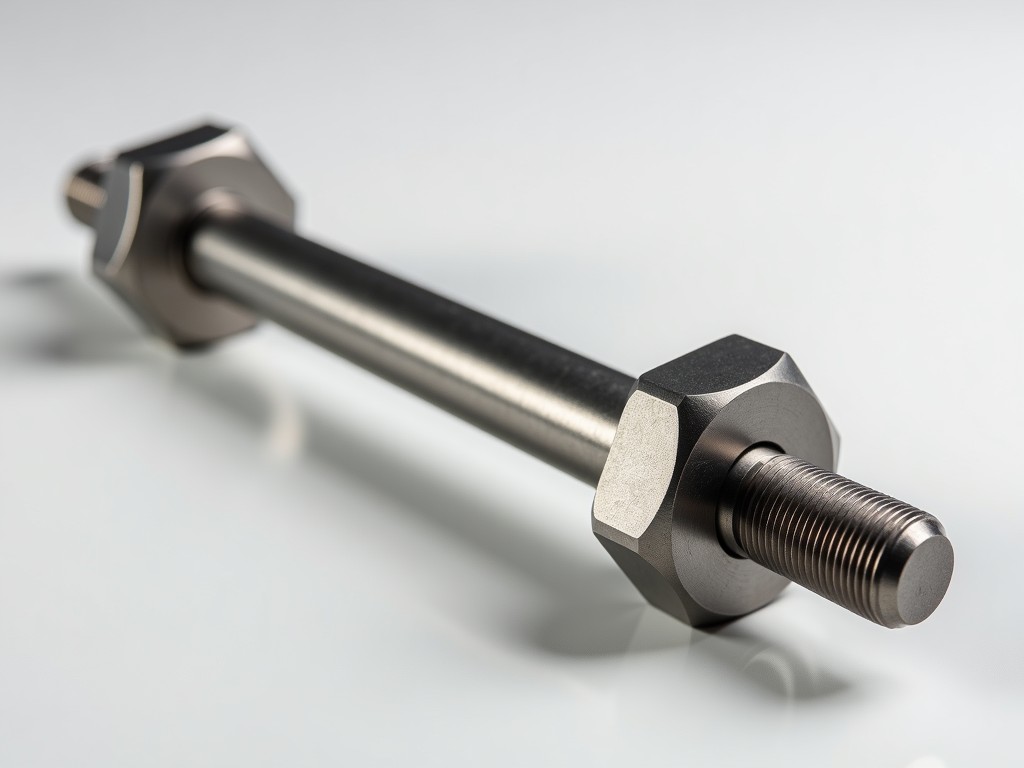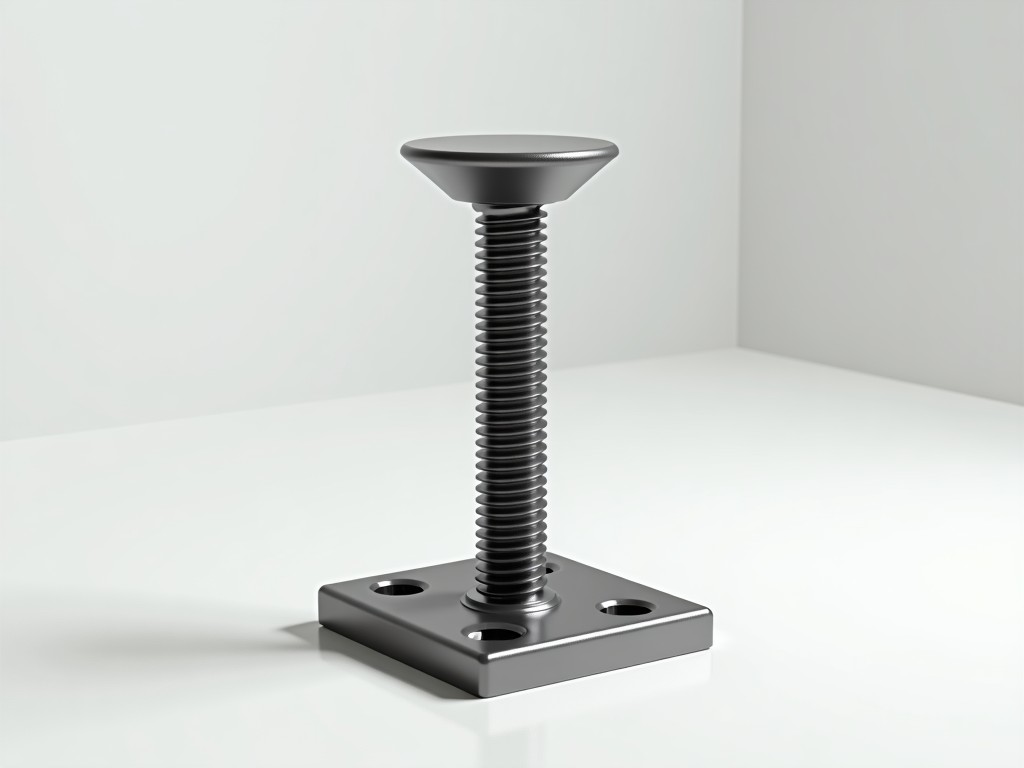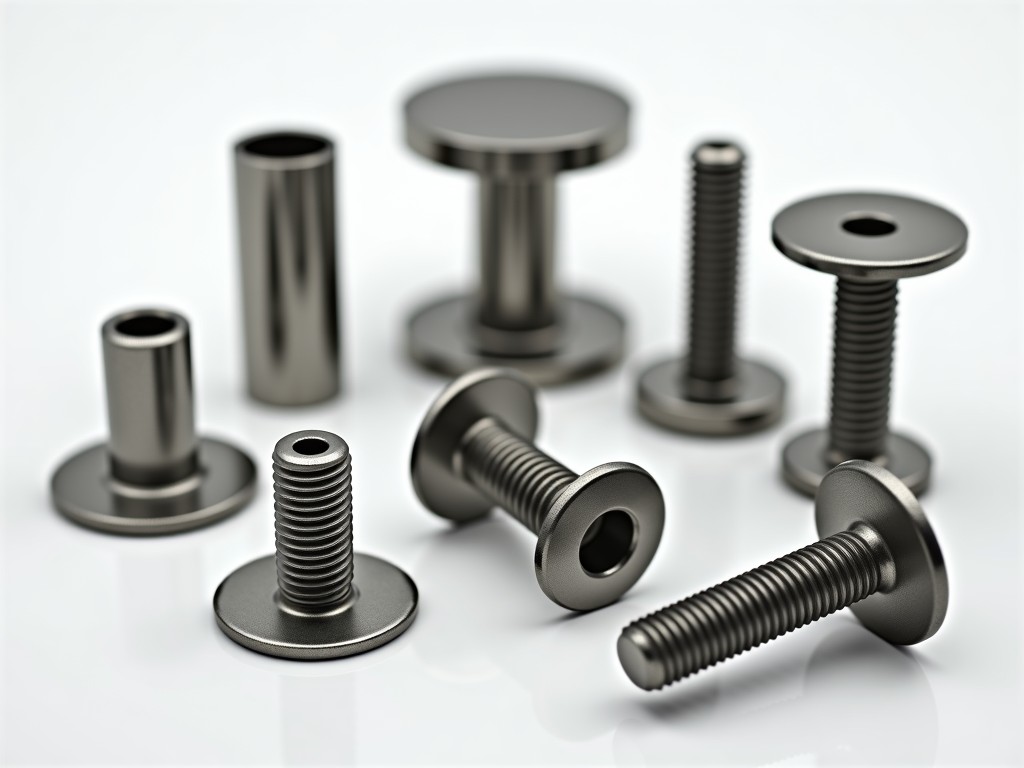
Cuplock scaffolding systems rely on precise accessory components to maintain structural integrity, load distribution, and assembly efficiency. Each accessory is engineered to interface reliably with vertical standards and horizontal ledgers, ensuring consistent performance under dynamic site conditions.
Accessories in a cuplock system are not secondary components—they directly influence load transfer, joint stability, and adaptability to complex geometries. Their design must accommodate tolerances, resist deformation, and maintain alignment during erection and dismantling.
Accessories are fabricated from structural steel grades selected for yield strength, ductility, and weldability. Surface treatment is applied to resist corrosion in demanding environments, directly impacting service life and maintenance frequency.
| Component | Typical Material | Surface Treatment | Minimum Yield Strength |
|---|---|---|---|
| Base Jack, U-Head, Fork Head | Q235B or equivalent structural steel | Hot-dip galvanized (min. 55 µm) | 235 MPa |
| Swivel & Putlog Couplers | Q345B for high-stress joints | Hot-dip galvanized (min. 55 µm) | 345 MPa |
| Braces (Diagonal/Plan) | Q235B cold-formed tubing | Hot-dip galvanized (min. 55 µm) | 235 MPa |
Interchangeability depends on strict adherence to cuplock module dimensions. Accessories must match the 500 mm vertical pitch and 60.3 mm outer diameter of standards to ensure proper cup engagement and prevent play or binding.
Critical tolerances include:
Accessory load ratings are derived from the component’s weakest section under expected load paths. Design assumes uniform load application and proper installation per manufacturer guidelines.
| Accessory Type | Typical Safe Working Load (SWL) | Load Condition |
|---|---|---|
| Base Jack | 25 kN | Axial compression, fully threaded engagement |
| U-Head | 20 kN | Centered point load on cradle |
| Fork Head | 30 kN | Uniform load across bearing surface |
| Swivel Coupler | 15 kN | Shear load at 45° angle |
| Putlog Coupler | 10 kN | Transverse load on putlog |
The versatility of cuplock accessories enables adaptation to diverse structural demands. Selection is driven by load type, geometry, and required adjustability rather than industry classification alone.
In high-rise construction, base jacks accommodate foundation settlement while fork heads transfer precast floor loads directly to the scaffold grid. For bridge formwork, swivel couplers enable accurate positioning of soffit supports at variable slopes, reducing reliance on custom fabrication. In industrial maintenance, putlog couplers allow rapid installation of working platforms around vessels and piping without penetrating insulation or cladding.
Tunnel lining systems utilize diagonal braces to resist lateral earth pressure during concrete pouring, while plan braces maintain alignment of longitudinal ledgers in long spans. Shoring applications for concrete slabs rely on U-heads to support beam soffits with minimal deflection, ensuring surface finish tolerances are met.
Consistent performance begins with controlled manufacturing processes. Dimensional accuracy, material integrity, and surface treatment uniformity are verified at multiple stages to prevent field failures.
While standard accessories cover most configurations, certain projects require modified dimensions, increased load capacity, or special interface features. Customization is feasible when justified by structural analysis and site constraints.
Common adaptations include:
Efficient handling reduces damage risk and supports timely deployment. Accessories are packaged to prevent deformation, corrosion during transit, and loss of small components.
For export shipments, additional moisture barriers and corner protectors are used to withstand long-haul transport and multi-modal handling.
Selecting the correct accessories requires evaluation of load paths, geometry, and environmental conditions. Providing project-specific data enables accurate recommendation and reduces the risk of over-specification or incompatibility.
To initiate a technical inquiry, share: