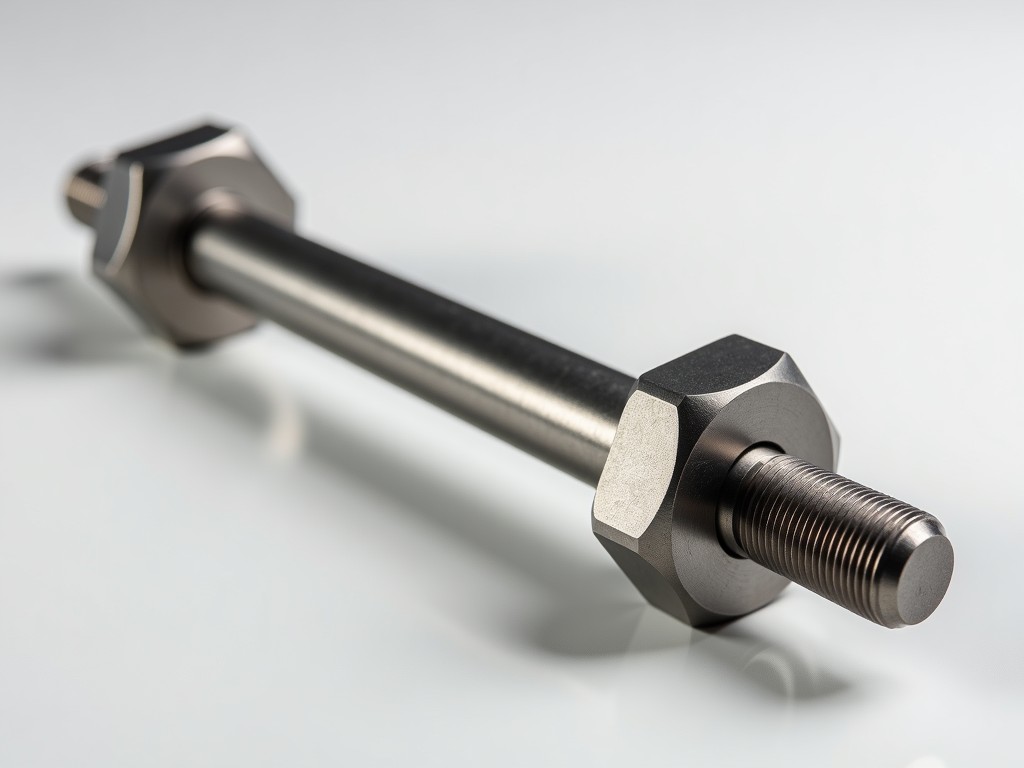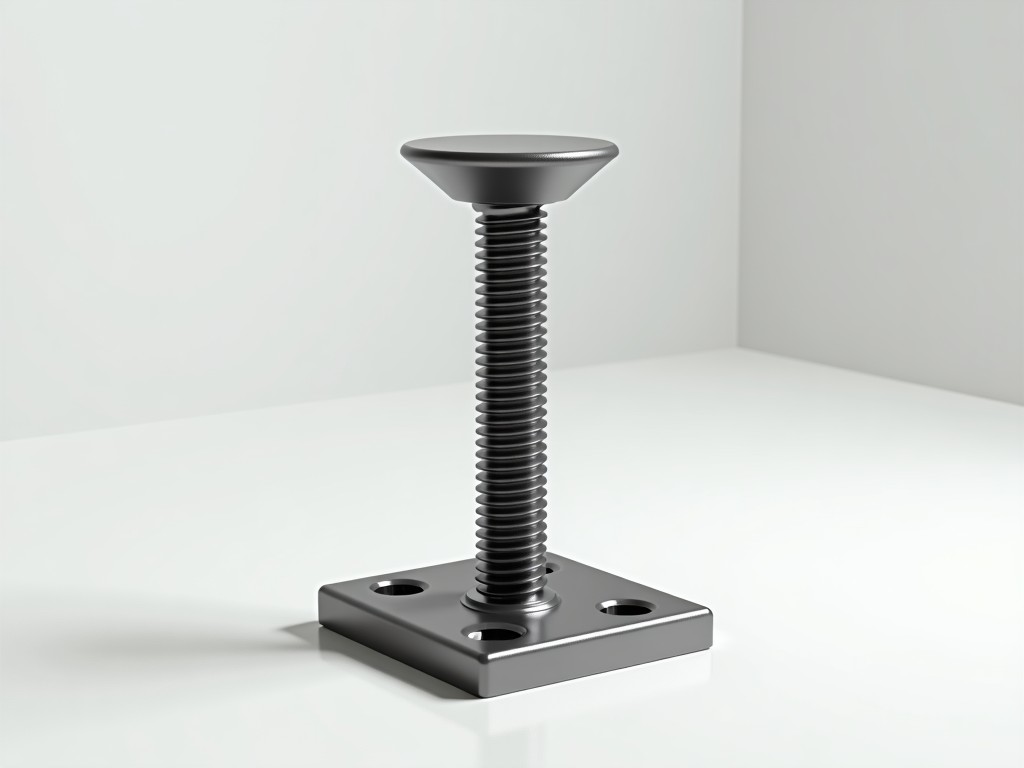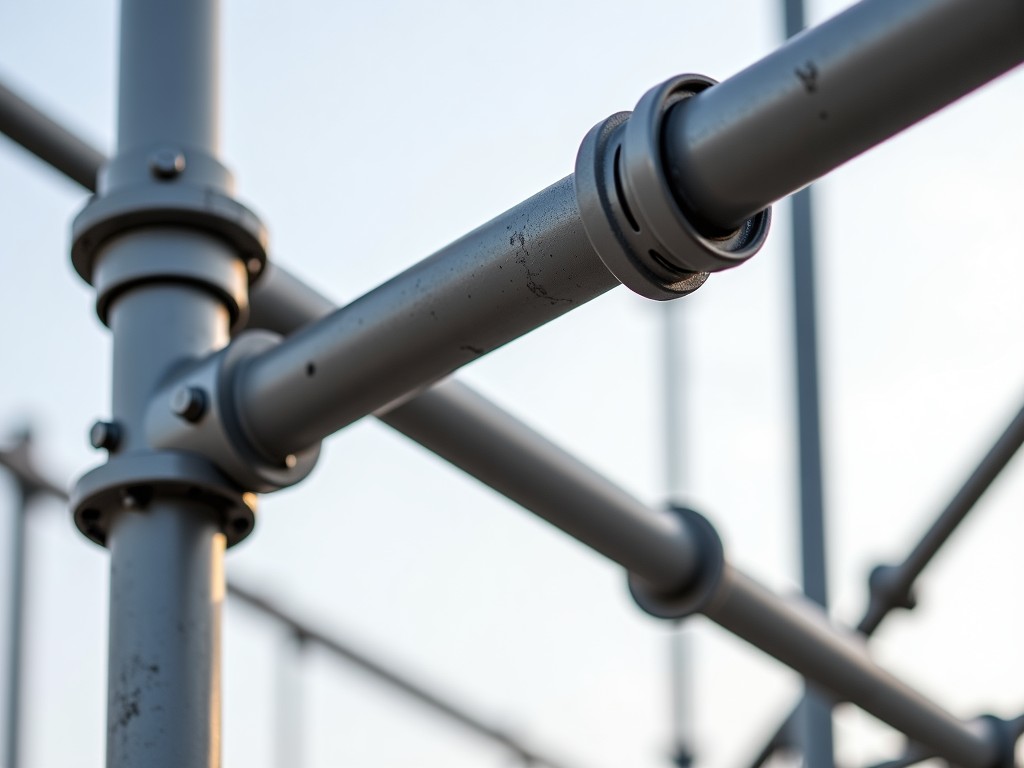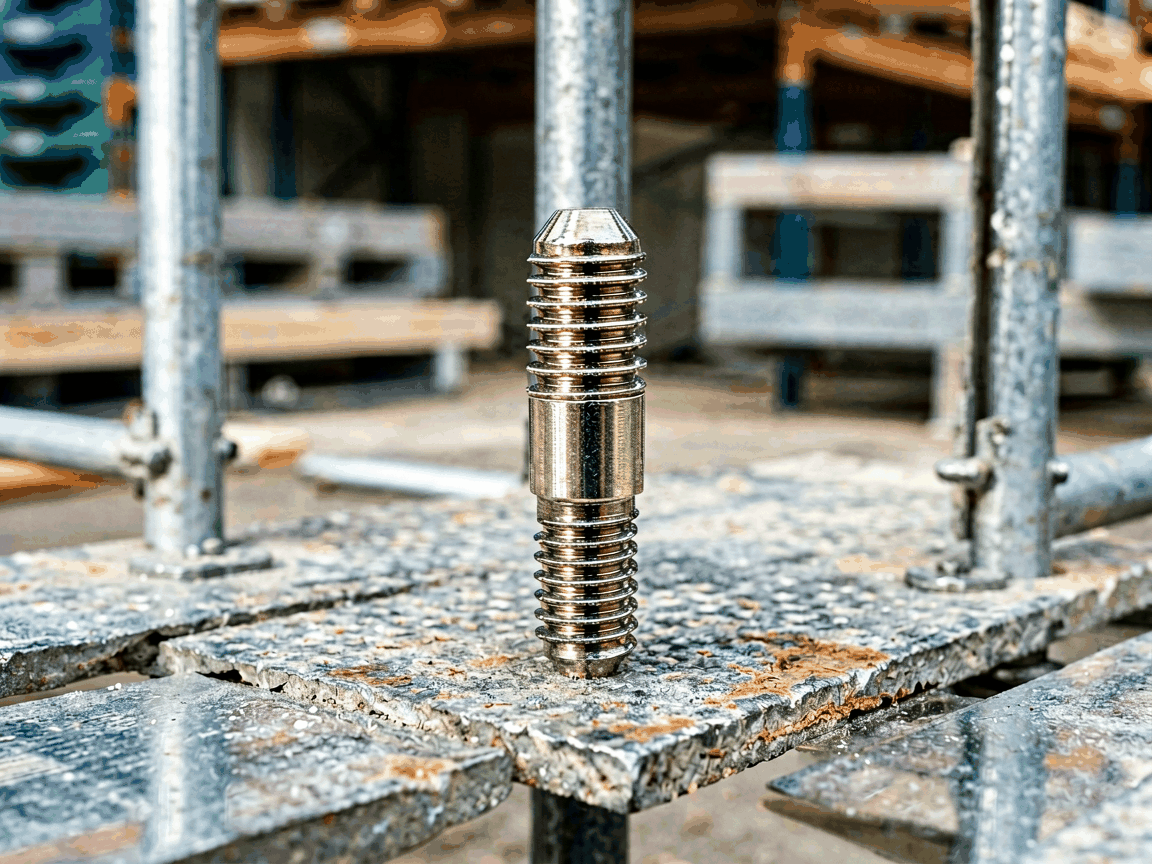
Scaffolding connector pins are precision-engineered mechanical fasteners designed to join tubular scaffold components securely under dynamic loads. Unlike generic bolts or pins, these components must maintain alignment, resist shear forces, and withstand repeated assembly-disassembly cycles without deformation or galling. Their performance directly impacts structural integrity, worker safety, and erection efficiency on construction sites.
The geometry of a scaffolding connector pin is defined by three critical dimensions: nominal diameter, effective length, and head or retention feature profile. Diameter typically ranges from 16mm to 22mm to match standard scaffold tube inner diameters, ensuring minimal play while allowing for thermal expansion and coating thickness. Length is calculated based on the combined wall thickness of connected tubes plus required engagement depth, usually between 75mm and 120mm. Retention features—such as cotter pin holes, spring clips, or forged heads—prevent accidental dislodgement under vibration or impact loads.
Material selection balances strength, ductility, and corrosion resistance. Common specifications include hot-rolled carbon steel (e.g., C45 or equivalent) with tensile strength ≥600 MPa and yield strength ≥400 MPa, or alloy steel variants for higher load applications. Surface treatments such as hot-dip galvanizing (minimum 55μm zinc coating) or mechanical plating are standard to resist rust in outdoor environments. Some designs incorporate nylon or polymer inserts in the retention mechanism to reduce noise and prevent metal-to-metal galling during frequent use.
Connector pins are subjected to combined shear and tensile forces during scaffolding use, particularly at ledger-to-transom joints and base plate connections. Design calculations assume worst-case scenarios: dynamic loads from worker movement, wind forces, and material handling. The pin must resist shear failure without permanent deformation; typical safety factors range from 3:1 to 5:1 based on regional standards (e.g., EN 12810/12811, OSHA 1926 Subpart L). Buckling resistance of the pin shank is also evaluated, especially in longer designs where slender ratios may induce Euler buckling under compressive misalignment.
Manufacturers validate performance through prototype testing: static shear tests on universal testing machines, fatigue cycling (10,000+ cycles at 50% proof load), and corrosion resistance per ISO 9227 salt spray (minimum 480 hours for hot-dip galvanized finishes). Dimensional inspection includes go/no-go gauges for diameter and length, and thread or feature engagement checks for retention systems. Traceability is maintained via batch marking—laser etched or stamped—on the pin head or shank for quality recall.
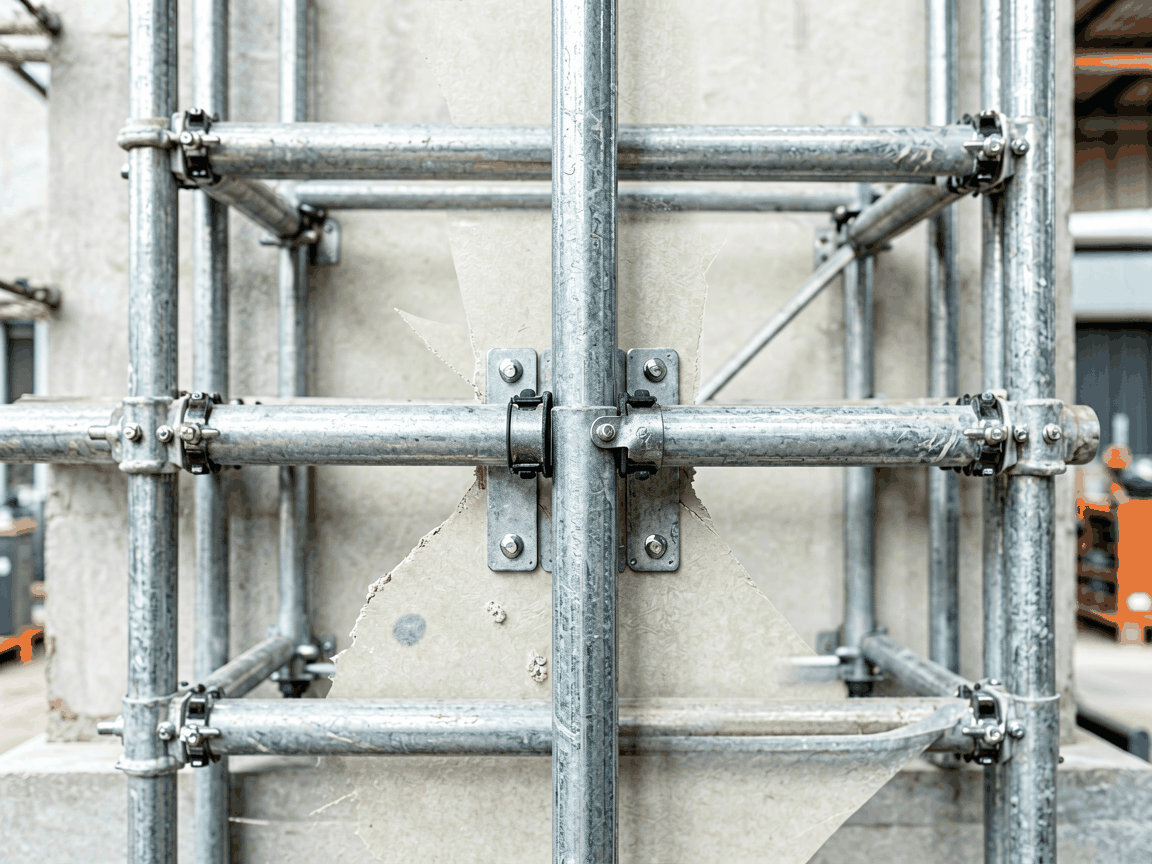
These pins are integral to modular scaffolding systems where rapid assembly and disassembly are required. In frame scaffolding, they connect vertical standards to horizontal ledgers at node points, replacing welded joints to allow reconfiguration. In tube-and-clamp systems, they secure swivel or rigid clamps to tubes when a semi-permanent joint is needed but future adjustment is anticipated. Their use reduces reliance on tools—many designs enable hand installation with a hammer or mallet—speeding up erection by 20–30% compared to bolted alternatives in repetitive tasks.
Beyond construction, connector pins find application in temporary staging, event structures, and industrial maintenance platforms where load cycles are frequent but durations are short. The ability to quickly replace a damaged pin without dismantling entire sections minimizes downtime. In high-corrosion environments—such as coastal projects or chemical plants—specifiers may opt for stainless steel grades (e.g., AISI 304 or 316) despite higher cost, prioritizing longevity over initial expense.
While standard dimensions cover 80% of global scaffolding variants, project-specific requirements often necessitate adjustments. Custom lengths accommodate non-standard tube diameters or proprietary joint designs. Head configurations can be modified to match existing retention systems—such as replacing cotter pins with spring locks for faster tool-free removal. Surface treatments may be tailored: duplex systems (galvanizing plus powder coating) for aggressive atmospheres, or zinc-flake coatings where hydrogen embrittlement risk must be avoided in high-strength steels.
Procurement requires clear communication of: scaffold system brand/model, tube outer diameter, wall thickness, joint type (e.g., spigot, sleeve, clamp), and expected load conditions. Suppliers typically request sample pins or assembly drawings to verify compatibility. Minimum order quantities vary: standard pins often ship in cartons of 100–250 units, while custom runs may require 500+ pieces due to setup costs. Lead times range from 2–4 weeks for stock items to 6–10 weeks for engineered solutions, depending on material availability and finishing complexity.
| Parameter | Typical Range | Notes |
|---|---|---|
| Nominal Diameter | 16mm – 22mm | Matches scaffold tube ID; includes coating tolerance |
| Effective Length | 75mm – 120mm | Dependent on tube wall thickness and engagement depth |
| Material | C45, Alloy Steel, or Stainless Steel (304/316) | Selected based on load and environment |
| Surface Finish | Hot-Dip Galvanizing (≥55μm Zn) | Alternative: mechanical plating, duplex, or stainless |
| Shear Strength (Min) | ≥20 kN (for 20mm pin) | Based on material and cross-section; safety factor applied |
| Corrosion Resistance | ≥480 hours salt spray (ISO 9227) | For hot-dip galvanized finish; varies by coating |
Reliability begins with raw material certification—mill test reports (MTRs) verify chemical composition and mechanical properties before production. During manufacturing, in-process checks monitor dimensional accuracy using CNC gauges or optical comparators, especially for diameter and length tolerances (±0.2mm typical). Final inspection includes visual assessment for surface defects (cracks, laps, incomplete coating), functional testing of retention features, and batch-based mechanical sampling. Each production lot is tagged with a unique identifier, enabling traceability back to material source, machine settings, and inspection records—a critical requirement for audited construction projects.
Packaging is designed to prevent damage and corrosion during transit and storage. Pins are typically packed in woven polypropylene bags or cardboard cartons with moisture-barrier liners, grouped by size and finish. Labels include part number, material grade, coating type, quantity, and batch code. For export shipments, additional protection such as VCI (vapor corrosion inhibitor) paper or sealed plastic wrapping may be applied upon request. Clear labeling reduces picking errors in warehouses and ensures correct components reach the job site, minimizing installation delays and rework.
To discuss your scaffolding connector pin requirements—including material options, dimensions, surface treatments, or packaging—provide your project specifications for a technical review. Our team will assess compatibility, load performance, and delivery timelines based on your scaffold system and environmental conditions.