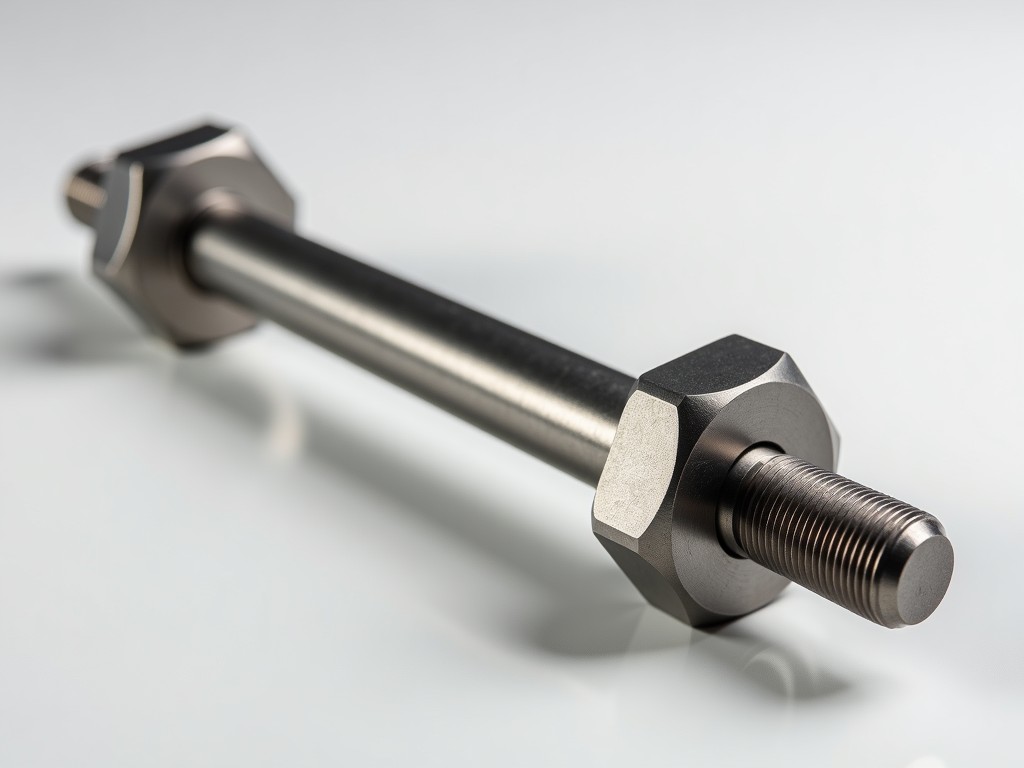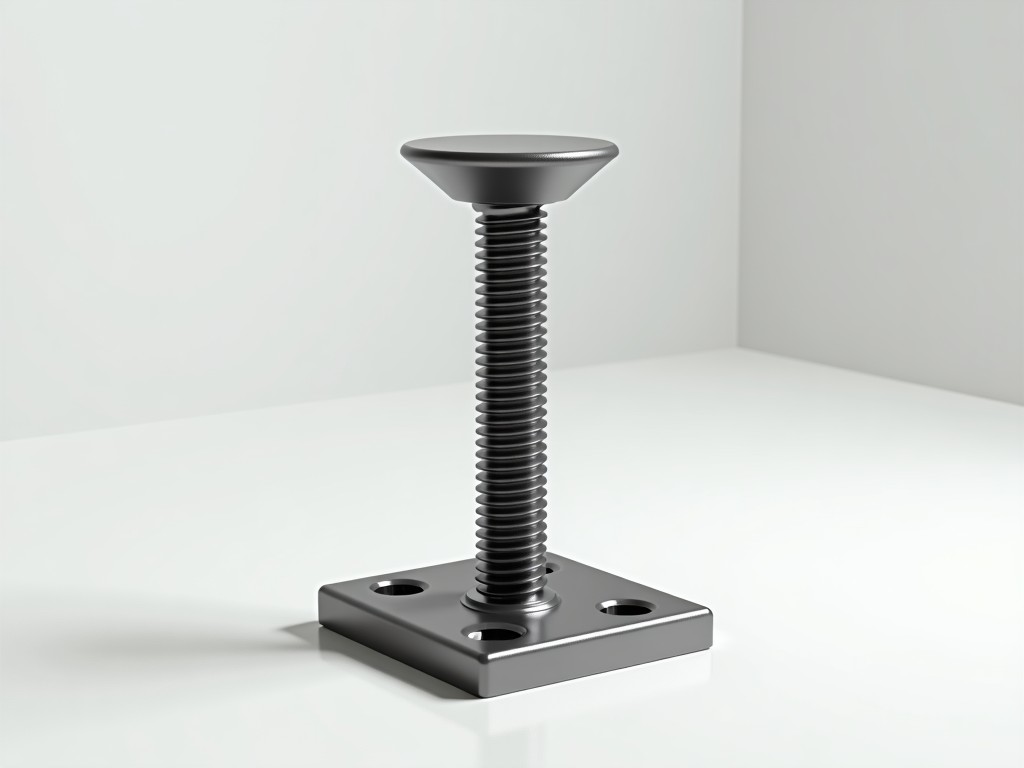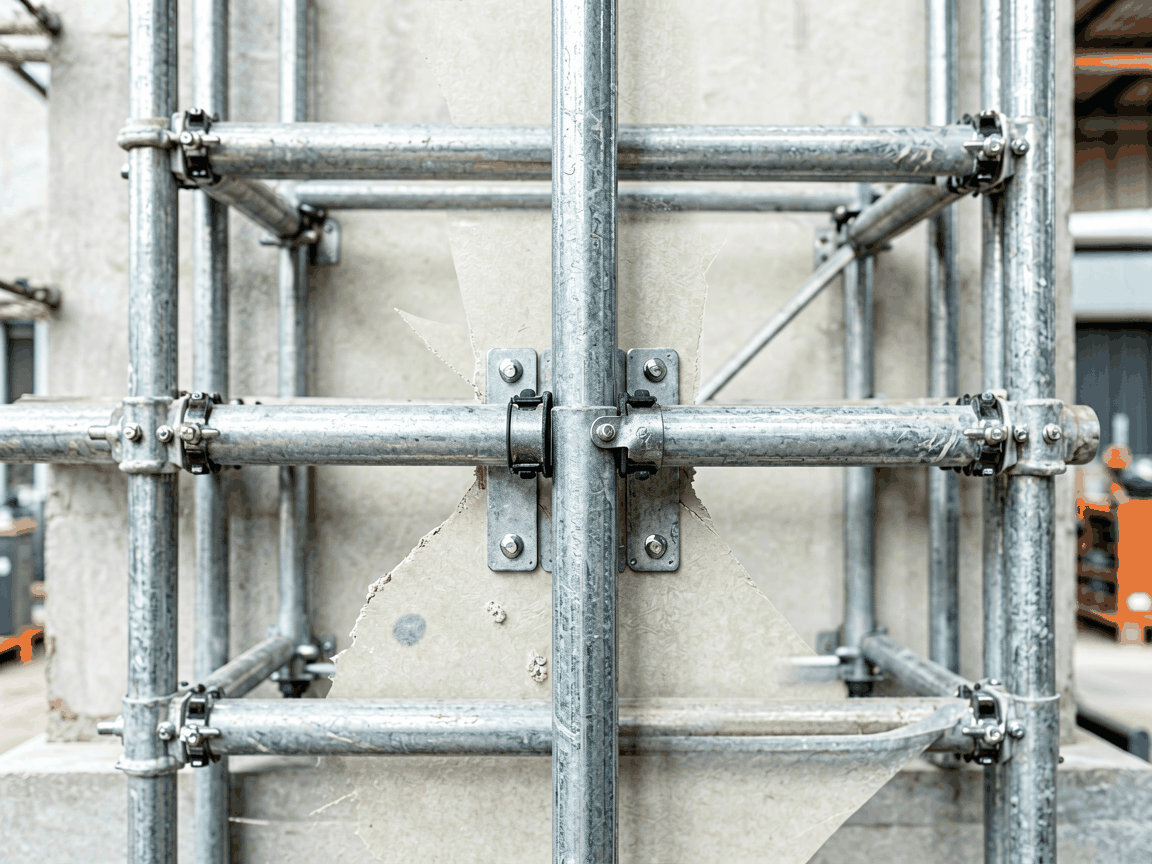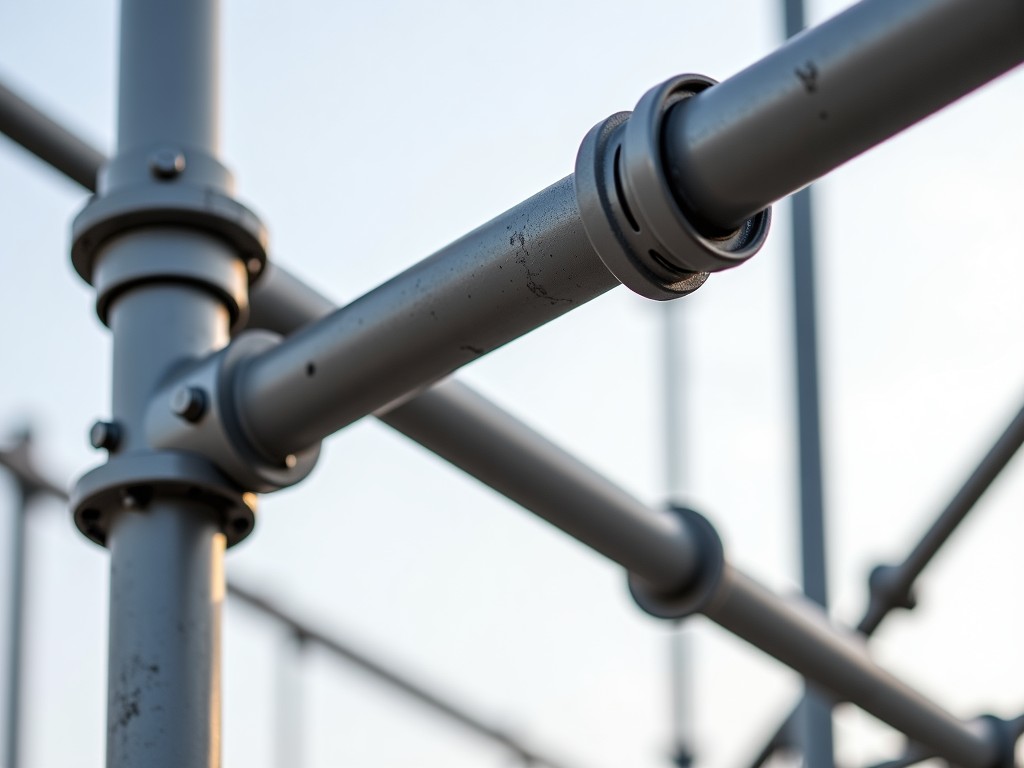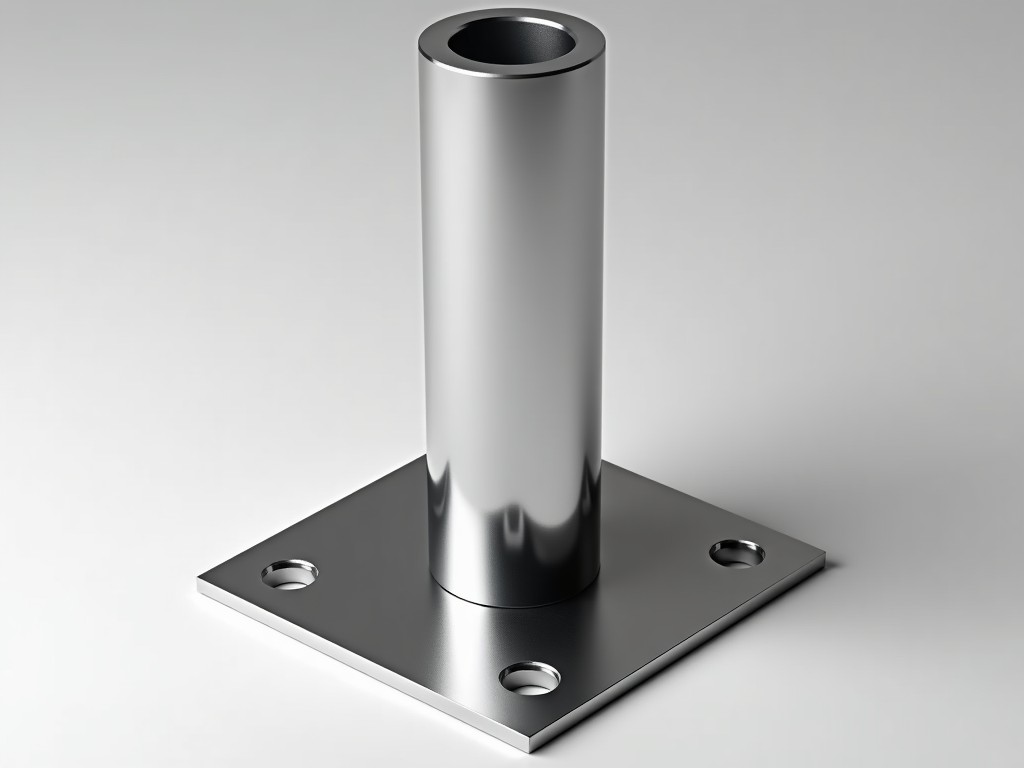
The U head jack base is a foundational component in temporary support systems, primarily used with adjustable steel props and scaffolding shoring equipment. Its design distributes load from the vertical jack upright across a broader surface, reducing point pressure on formwork, concrete slabs, or soil substrates. Understanding its material composition, load distribution mechanics, and dimensional standards is essential for engineers specifying shoring solutions in concrete forming, trench support, or falsework applications. This page details the technical factors influencing pricing and selection criteria for U head jack bases manufactured in China.
The U head jack base transfers axial load from the screw jack or prop through its horizontal bearing surface into the supported structure. Unlike flat bases, the U-shaped profile cradles the head of a timber beam or steel I-section, preventing lateral slip while maintaining vertical load path integrity. The width of the U-channel (typically 100mm to 150mm) must match the supported element’s dimensions to ensure full contact and avoid edge loading. Proper sizing minimizes deformation risk under sustained loads, particularly in multi-story slab forming where creep and settlement are concerns.
Load capacity is not solely determined by the jack’s screw mechanism; the base must resist bending and punching shear forces. Finite analysis shows stress concentrations occur at the inner corners of the U-profile under eccentric loading. Bases with reinforced gussets or increased material thickness at these points demonstrate 20-30% higher resistance to permanent deformation in laboratory tests. This distinction becomes critical in applications involving dynamic loads or uneven substrate conditions.
Most U head jack bases are fabricated from hot-rolled structural steel grades such as Q235 or Q345, chosen for their yield strength, weldability, and cost-effectiveness. Q235 (yield strength ~235 MPa) suffices for light to medium shoring (up to 20 kN per jack), while Q345 (~345 MPa yield strength) is preferred for high-load applications exceeding 30 kN. The material’s elongation percentage (typically 20-26% for Q235) ensures ductile behavior under overload, providing visible warning before failure rather than brittle fracture.
Surface treatment affects both cost and service life. Untreated steel is susceptible to corrosion, especially in humid environments or when exposed to concrete alkalinity. Hot-dip galvanizing (zinc coating ~60-80 µm) adds 15-25% to unit cost but extends service life to 5+ years in outdoor conditions. Alternative treatments like powder coating or anti-rust primer offer intermediate protection at lower cost but require reapplication after mechanical damage. The choice depends on project duration, reuse cycles, and storage conditions.
U head jack bases are designed to interface with specific jack outer tube diameters, commonly 48mm, 60mm, or 76mm. The vertical receptacle depth (usually 40-60mm) must accommodate the jack’s adjusting nut and threaded stem while allowing full rotation. Mismatched dimensions cause instability or prevent proper engagement. Internal width of the U-channel varies by application: 100mm for timber formwork beams, 120mm for steel walers, and 140-160mm for heavy-duty falsework supporting precast elements.
Thickness of the base plate (the flat horizontal section) influences bending resistance. Standard thicknesses range from 6mm to 10mm. Thinner plates (6mm) may deflect under concentrated loads, increasing contact pressure on the supported surface. For soft soils or low-bearing-capacity substrates, thicker plates (8-10mm) or supplementary spreader plates are recommended to reduce ground pressure below allowable limits (e.g., <150 kPa for compacted gravel).
Production method significantly affects unit price and consistency. Press-formed bases from coil stock offer lower material waste and higher repeatability for high-volume orders (>5,000 units). Laser-cut and welded bases allow greater flexibility for custom dimensions or reinforcements but incur higher labor and energy costs. Tolerances on critical dimensions (e.g., U-channel width, receptacle depth) are typically ±2mm for pressed parts and ±1.5mm for laser-cut/fabricated units, impacting fit and load distribution uniformity.
Raw material costs constitute 60-70% of the base price. Fluctuations in domestic steel indices (e.g., Shanghai Rebar Futures) directly influence quotations. Additional cost factors include galvanizing thickness, order volume (economies of scale apply above 1,000 units), and packaging method (bundled vs. crate-packed). Lead times average 15-25 days for standard specifications; custom lengths, hole patterns, or material certifications (e.g., EN 10204 3.1) extend timelines by 5-10 days.
As of Q2 2026, ex-factory prices for standard U head jack bases in China range from:
| Specification | Material | Surface Treatment | Price Range (USD/unit) |
|---|---|---|---|
| U Head Base, 100mm width, 60mm tube fit | Q235 | None (black) | $1.80 - $2.40 |
| U Head Base, 120mm width, 76mm tube fit | Q345 | Hot-dip Galvanized | $3.20 - $4.10 |
| U Head Base, 140mm width, 76mm tube fit, with gussets | Q345 | Hot-dip Galvanized | $4.50 - $5.80 |
| Custom U Head Base, 160mm width, reinforced | Q345 or equivalent | Hot-dip Galvanized | $6.00+ (upon request) |
These prices exclude freight, customs duties, and import taxes. Volume discounts typically apply: 5-10% for orders >10,000 units, 10-15% for >50,000 units. Engineers should evaluate total lifecycle cost rather than unit price alone—a galvanized base with 5-year reuse potential may offer lower amortized cost than a cheaper black steel base requiring replacement after one or two uses due to corrosion.
Dimensional verification is critical for interchangeability and safety. Key inspection items include: U-channel internal width (caliper measurement), receptacle depth and diameter (go/no-go gauges), base plate thickness (micrometer), and flatness (feeler gauge against surface plate). Surface treatment quality is assessed via coating thickness gauge (for galvanizing) and adhesion testing (cross-hatch test per ASTM D3359). Visual inspection checks for cracks, incomplete welds, or excessive oxidation.
Load testing is not routinely performed on every unit due to destructive nature, but statistical process control uses sample testing. Typical test protocol: apply 1.5x rated load for 3 minutes, inspect for permanent deformation (>0.5mm) or cracking. Manufacturers providing mill test certificates for raw material and offering third-party inspection (e.g., SGS, BV) upon request demonstrate higher process control. Buyers should specify required documentation during quotation stage.
In concrete slab forming, the U head base supports timber beams or steel walers that carry formwork pressure. Here, lateral stability is paramount—the base must resist overturning moments caused by eccentric concrete pours. A wider U-channel (120mm+) and thicker base plate (≥8mm) reduce tilting risk. For trench shoring with horizontal walers, the base prevents soil ingress into the jack mechanism; sealed or gusseted designs improve longevity in abrasive conditions.
When supporting precast concrete elements (e.g., beams, panels), point loads can be highly concentrated. Bases with reinforced gussets or optional steel spreader plates distribute load over a larger area, minimizing local crushing of the precast element’s bearing surface. In such cases, specifying a base with known stiffness characteristics (load-deflection data) helps predict settlement and maintain elevation tolerances. Always match base stiffness to the supported element’s allowable deformation limits.
For reusable systems, consider bases with stacking features or nesting designs that reduce storage volume and prevent damage during handling. Some manufacturers offer bases with integrated lugs for fork-lift handling or tethering points for fall-arrest systems during installation—features that add minimal cost but improve site logistics and safety.