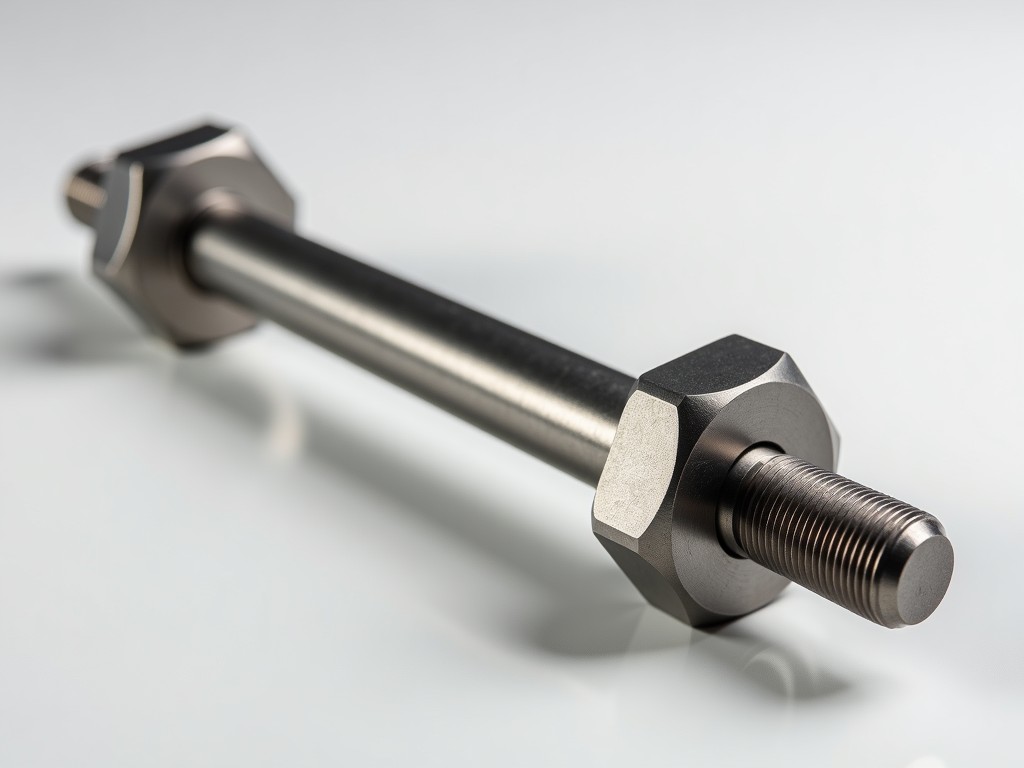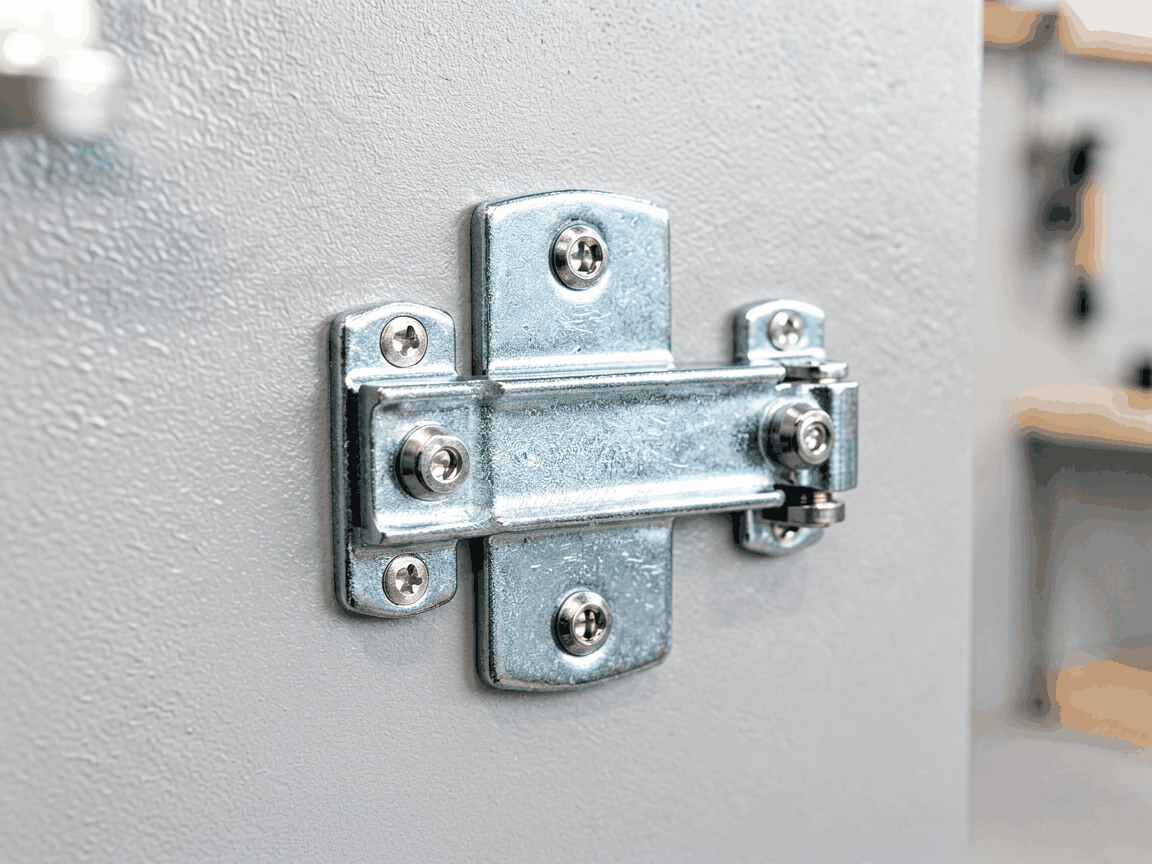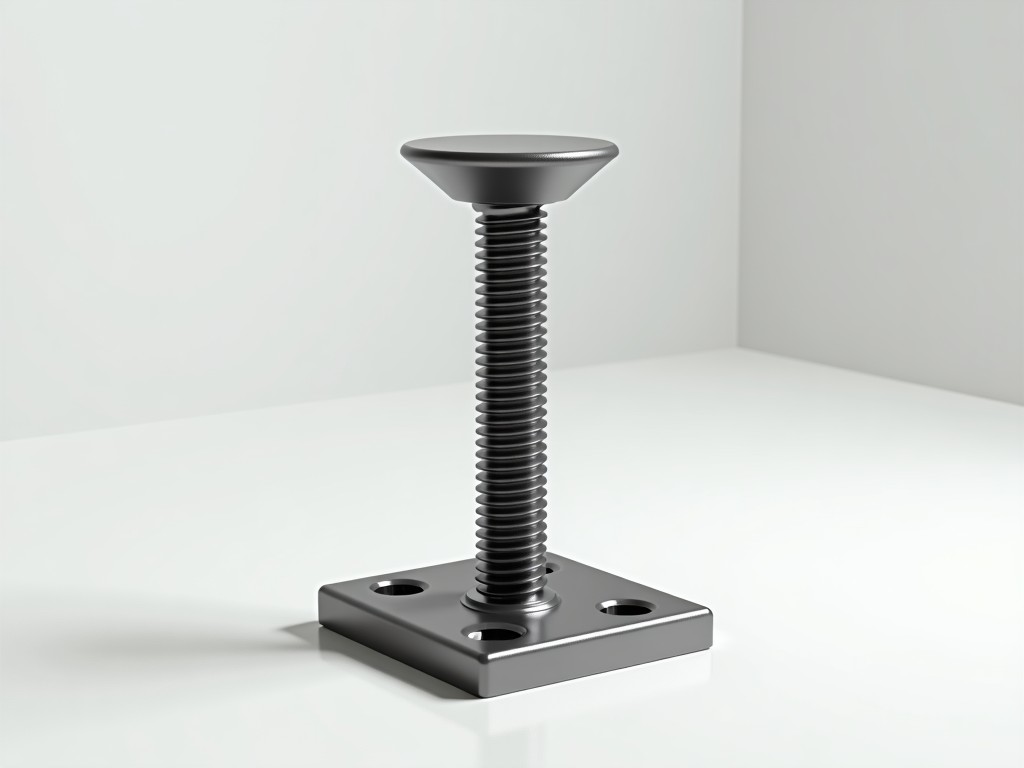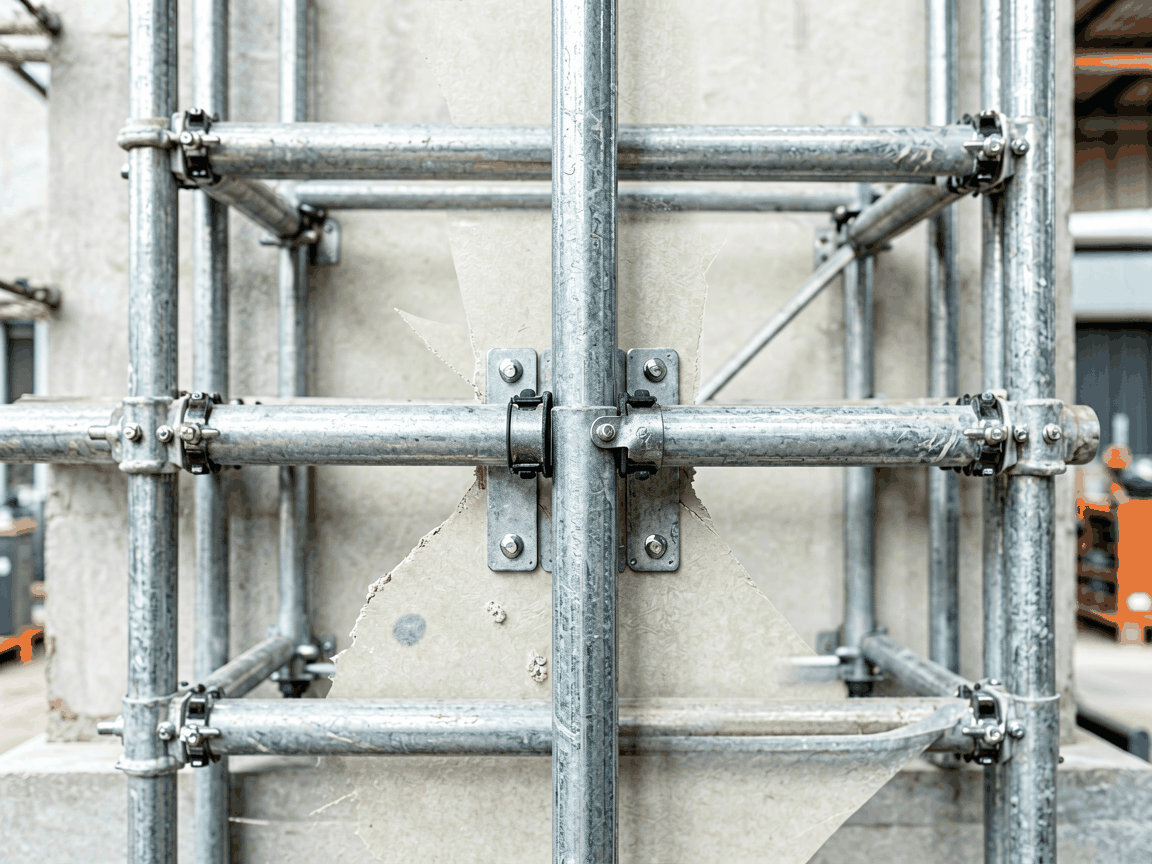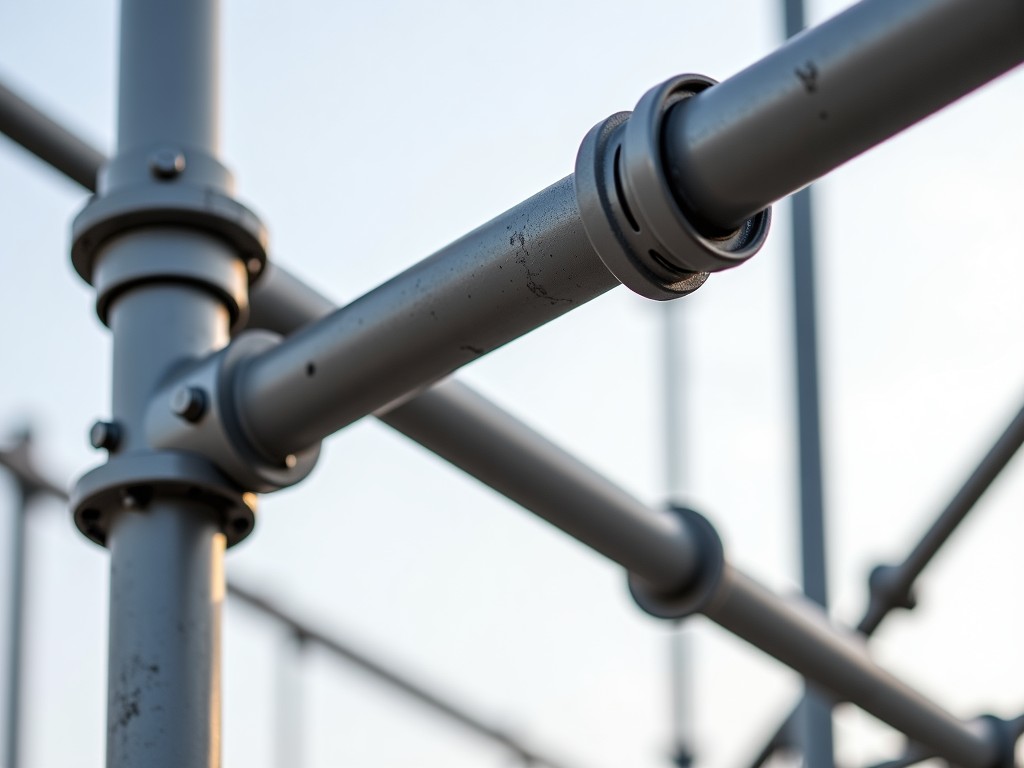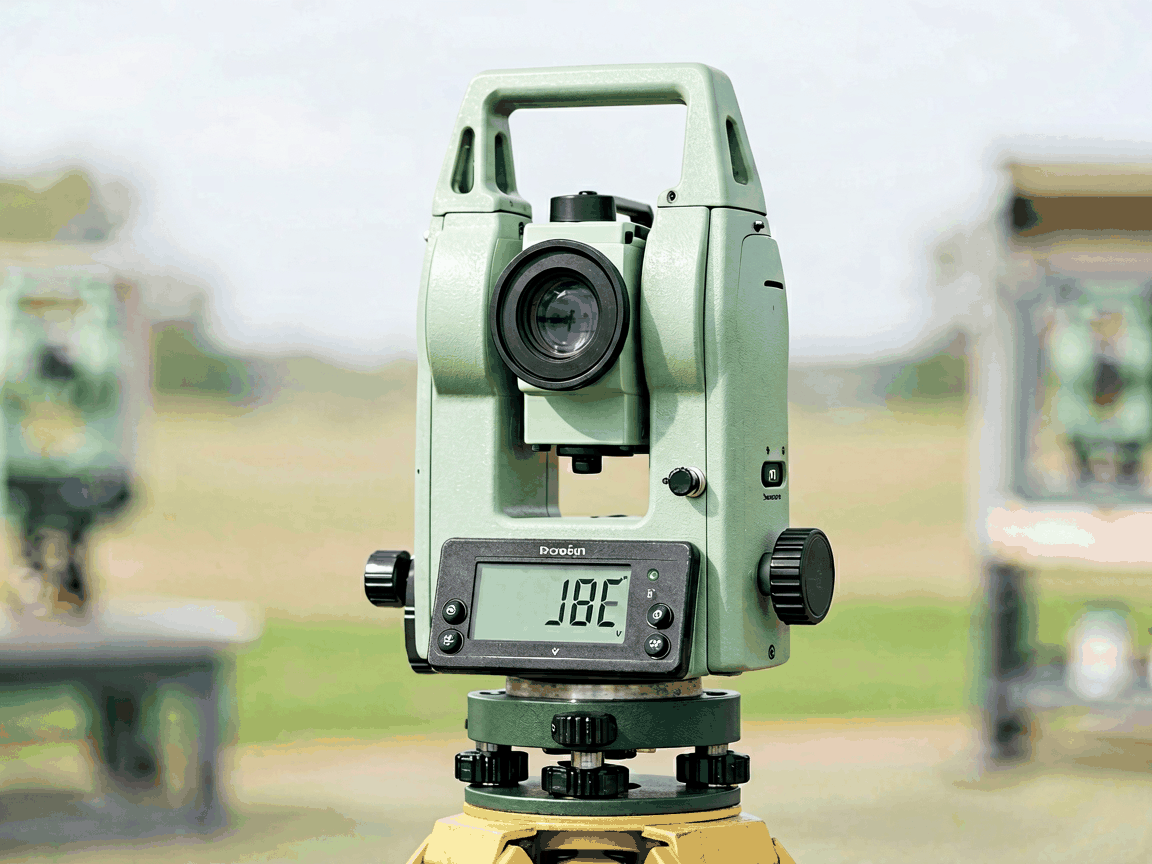
A column clamp for total station is a precision mounting device designed to securely attach surveying instruments—such as total stations, laser scanners, or GNSS antennas—to vertical structural columns, poles, or scaffolding in construction and infrastructure environments. Unlike tripod-based setups, which require level ground and stable footing, column clamps enable instrument deployment in confined spaces, elevated positions, or areas where ground access is restricted, such as inside building cores, along bridge piers, or within tunnel linings. The primary function is to eliminate measurement error caused by instrument movement or vibration while maintaining repeatable positional accuracy over extended observation periods. These clamps are engineered to interface with standard column diameters commonly found in construction—typically ranging from 100 mm to 600 mm—and must withstand dynamic loads from wind, equipment operation, and incidental contact without compromising the instrument’s optical or electronic alignment.
The structural integrity of a column clamp depends on its ability to distribute clamping force evenly across the column surface while minimizing point loading that could deform thin-walled steel or concrete surfaces. Most designs utilize a dual-arm scissor or toggle mechanism actuated by a single manual handle, allowing rapid installation and removal without tools. The clamping jaws are typically lined with replaceable polymer or rubber inserts to prevent surface damage and increase friction resistance. Critical to performance is the minimization of backlash or play in the mounting interface—any angular deviation exceeding 5 arc-seconds can introduce measurable error in long-distance surveying applications. High-precision models incorporate hardened steel bushings and ground mating surfaces to maintain sub-arc-second repeatability over hundreds of clamping cycles.
Load capacity is not merely a function of clamp strength but also of the instrument’s center of gravity relative to the mounting plane. A total station weighing 5–7 kg with a tribrach and battery pack exerts a moment arm that can induce torsion if the clamp’s pivot axis is not aligned with the instrument’s vertical centerline. Therefore, effective designs incorporate a built-in offset adjustment or sliding plate to fine-tune the instrument’s position radially and axially relative to the column. This adjustment range typically spans ±20 mm laterally and ±15 mm vertically, allowing operators to compensate for column irregularities or obstructions such as conduit, rebar protrusions, or formwork ties. The clamp’s own mass—usually between 1.2 kg and 2.5 kg—is kept low to avoid adding unnecessary inertia that could exacerbate vibration sensitivity.
Material choice directly influences durability, weight, and suitability for specific site conditions. The primary structural components—arms, jaws, and adjustment mechanisms—are commonly manufactured from 6061-T6 aluminum alloy for its favorable strength-to-weight ratio, corrosion resistance, and machinability. In environments with high humidity, chemical exposure, or coastal salinity, marine-grade aluminum (e.g., 5083) or stainless steel (304 or 316) may be specified to prevent pitting or stress corrosion cracking. Stainless steel variants increase mass by approximately 40% but offer superior resistance to abrasion from concrete dust and repeated cleaning with solvents or pressure washers. The clamping inserts are typically made from UV-stabilized neoprene or thermoplastic polyurethane (TPU), selected for their ability to maintain elasticity and grip across temperatures ranging from -20°C to +60°C without hardening or cracking.
Surface treatments further enhance longevity. Anodized aluminum coatings (Type II, 12–25 µm thickness) provide a hard, non-conductive barrier against oxidation while allowing for color coding—commonly black or red—for visibility on busy job sites. Stainless steel components may undergo passivation to remove free iron contaminants and improve passive oxide layer formation. Threaded adjustment screws and handles are often coated with dry-film lubricants (e.g., MoS₂ or PTFE-based) to ensure consistent torque transmission without galling, even after prolonged exposure to dirt or moisture. These treatments are not cosmetic; they directly affect maintenance intervals and long-term dimensional stability under cyclic loading.
Column clamps are indispensable in scenarios where traditional tripod use is impractical or unsafe. In high-rise construction, they enable vertical monitoring of slab deflection or column creep by fixing the total station to the building’s permanent structural elements—such as core walls or perimeter columns—allowing daily or hourly measurements without repositioning. This eliminates setup variability and provides a continuous datum for deformation analysis. In bridge engineering, clamps are mounted on piers or abutments to monitor thermal expansion, settlement, or live-load response over time, often integrated into automated monitoring systems that collect data at 15-minute intervals. The ability to maintain a fixed line of sight to prisms or reflectors on the deck is critical for detecting sub-millimeter movements.
Underground utility installation and tunneling represent another major application column. Here, clamps are affixed to steel sets, concrete linings, or temporary support arches to guide laser alignment systems for pipe jacking or microtunneling. The confined space and high humidity necessitate corrosion-resistant materials and quick-release mechanisms for rapid evacuation if ground conditions deteriorate. In renovation or retrofit projects—such as seismic upgrading of historic buildings—column clamps allow non-invasive instrument mounting on exposed masonry or steel frames without damaging finishes or requiring drilling. Their reusability and minimal footprint make them ideal for repeated use across multiple phases of a project, reducing the need for dedicated tripods and associated setup time at each location.
| Parameter | Typical Range | Notes |
|---|---|---|
| Clamp Diameter Range | 100 mm – 600 mm | Adjustable via screw or sliding jaw; custom sizes available |
| Maximum Instrument Load | 10 kg | Includes tribrach, battery, and accessories; dynamic load factor applied |
| Angular Repeatability | ≤ 3 arc-seconds | After 50 clamping cycles; measured at instrument mounting plane |
| Adjustment Range (Lateral) | ±20 mm | Radial offset from column centerline |
| Adjustment Range (Vertical) | ±15 mm | Axial shift along column axis |
| Operating Temperature | -20°C to +60°C | Limited by insert material; extended ranges available with special seals |
| Mass (Aluminum Version) | 1.5 kg – 2.2 kg | Varies with diameter range and mechanism complexity |
| Mass (Stainless Steel Version) | 2.1 kg – 3.1 kg | 304 or 316 grade; selected for corrosive environments |
Standard column clamps are designed for compatibility with common tribrach patterns (e.g., Leica, Trimble, Topcon, Sokkia), but many projects require adaptation to non-standard interfaces or auxiliary equipment. Customization options include modified mounting plates to accommodate laser trackers, total stations with proprietary bases, or 360° prisms. Some models integrate a built-in bubble level or digital inclinometer to assist in achieving vertical alignment—particularly useful when the column itself is not perfectly plumb. For automated monitoring systems, clamps can be equipped with anti-rotation pins or keyed interfaces to prevent accidental twisting during data collection cycles. Cable management features—such as integrated clips or channels for power and data cords—are frequently requested to reduce snag hazards and maintain tidy instrument setups in active work zones.
For clients needing multiple units across large projects, manufacturers often offer serialized batches with traceable material certificates and dimensional inspection reports. This supports quality assurance protocols in regulated industries such as nuclear, aerospace, or civil infrastructure where measurement traceability is mandated. Surface finishes can be tailored to specific site requirements—matte black to reduce glare in sunny environments, or high-visibility yellow for safety compliance in low-light areas. Threaded inserts for auxiliary brackets (e.g., for weather shields, battery packs, or communication antennas) are commonly added upon request. These modifications do not alter the core clamping mechanism but extend the product’s utility across diverse workflows without requiring a completely new design.
Reliability in field conditions begins with design validation. Prototypes undergo cyclic load testing—typically 5,000 to 10,000 open/close operations under simulated wind and vibration loads—to verify that clamping force remains consistent and no permanent deformation occurs in the jaws or adjustment screws. Material samples are tested for hardness, tensile strength, and corrosion resistance per ASTM or ISO standards. Final inspection includes verification of jaw parallelism, surface finish of contact areas, and torque consistency of the locking mechanism. Each unit is often marked with a unique serial number and packaged with a calibration certificate referencing the measurement traceability of the inspection equipment used—a practice increasingly expected by engineering firms managing long-term monitoring contracts.
Maintenance requirements are minimal but critical for sustained performance. Users are advised to inspect and replace worn polymer inserts every 6–12 months depending on usage frequency and environmental exposure. The adjustment screw and pivot points should be cleaned and re-lubricated quarterly with a non-attracting dry film lubricant to prevent dust accumulation and ensure smooth operation. Unlike tripods, which may suffer from leg splay or loose locks, column clamps fail primarily due to insert degradation or contamination in the mechanism—issues that are predictable and preventable with basic care. This low-maintenance characteristic, combined with high repeatability, contributes to a lower total cost of ownership compared to alternative mounting methods that require frequent re-leveling or repositioning.