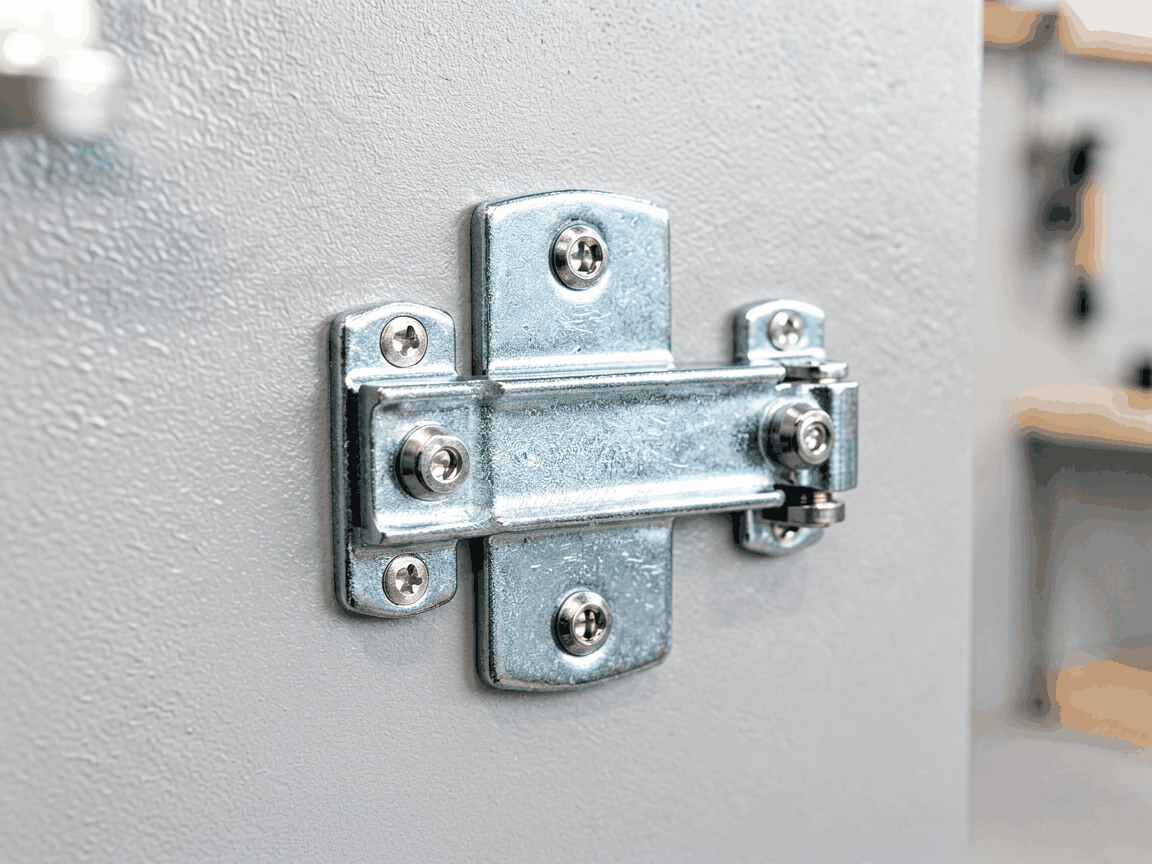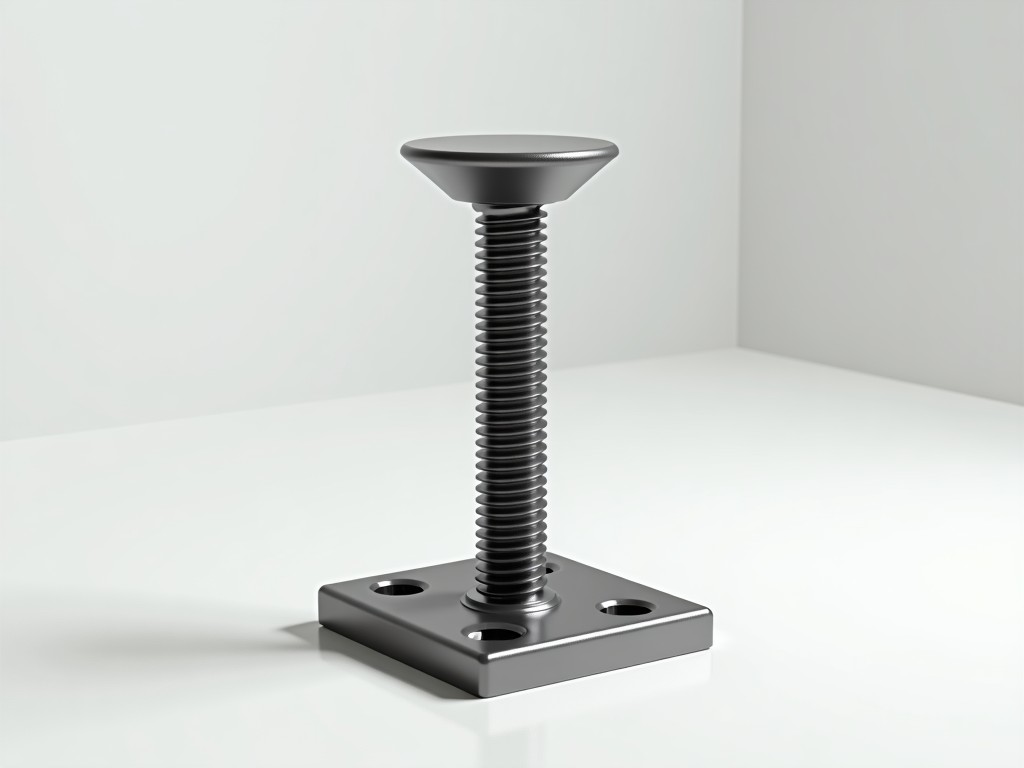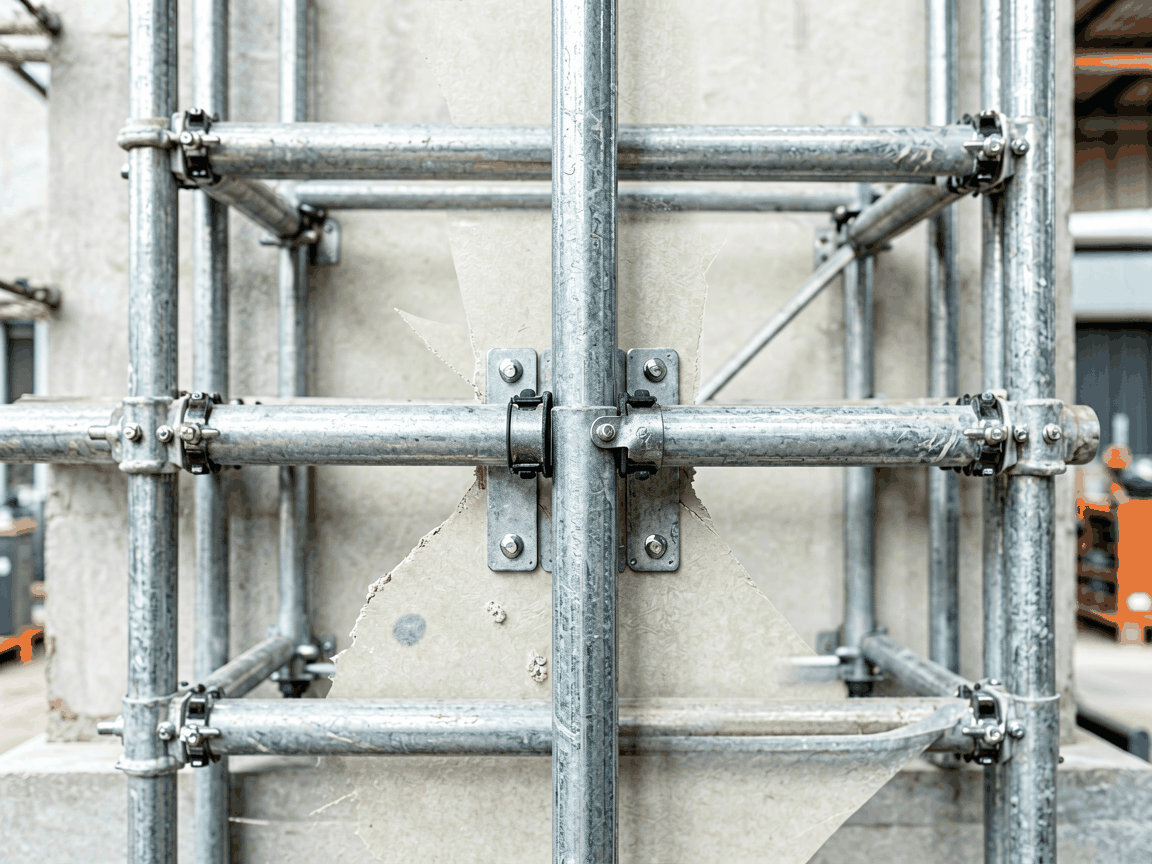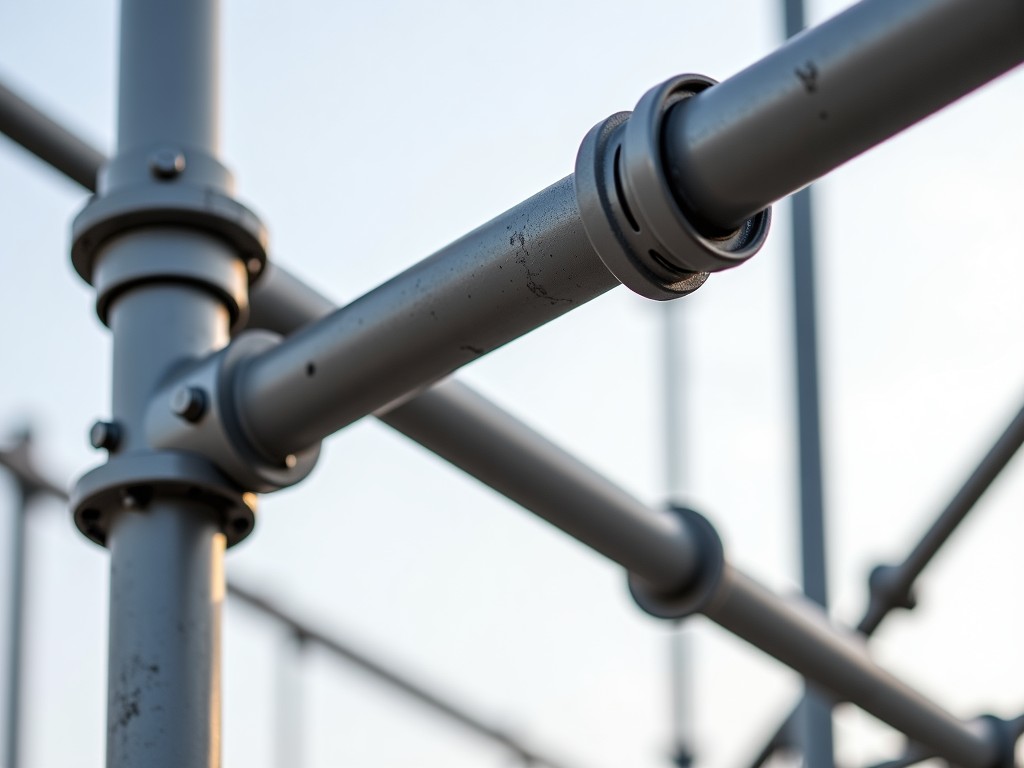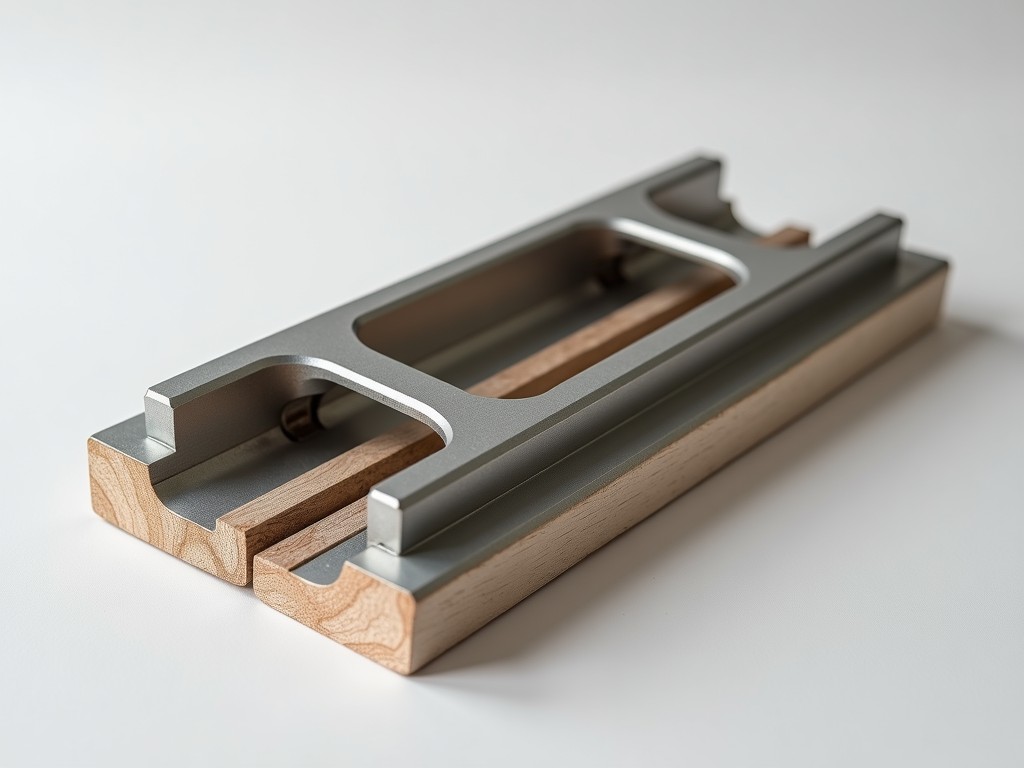
Toe board couplers are critical safety components in scaffolding systems, designed to secure toe boards—vertical barriers along scaffold edges—preventing tools, materials, and debris from falling to lower levels. In China, these couplers are manufactured to meet international scaffolding standards such as EN 74, BS 1139, and AS/NZS 1576, ensuring compatibility with tube-and-coupler scaffolding systems widely used in construction, shipbuilding, and industrial maintenance. Their primary function is to clamp the toe board firmly to the vertical scaffold tube, maintaining rigidity under dynamic loads while allowing for quick installation and removal during assembly and dismantling.
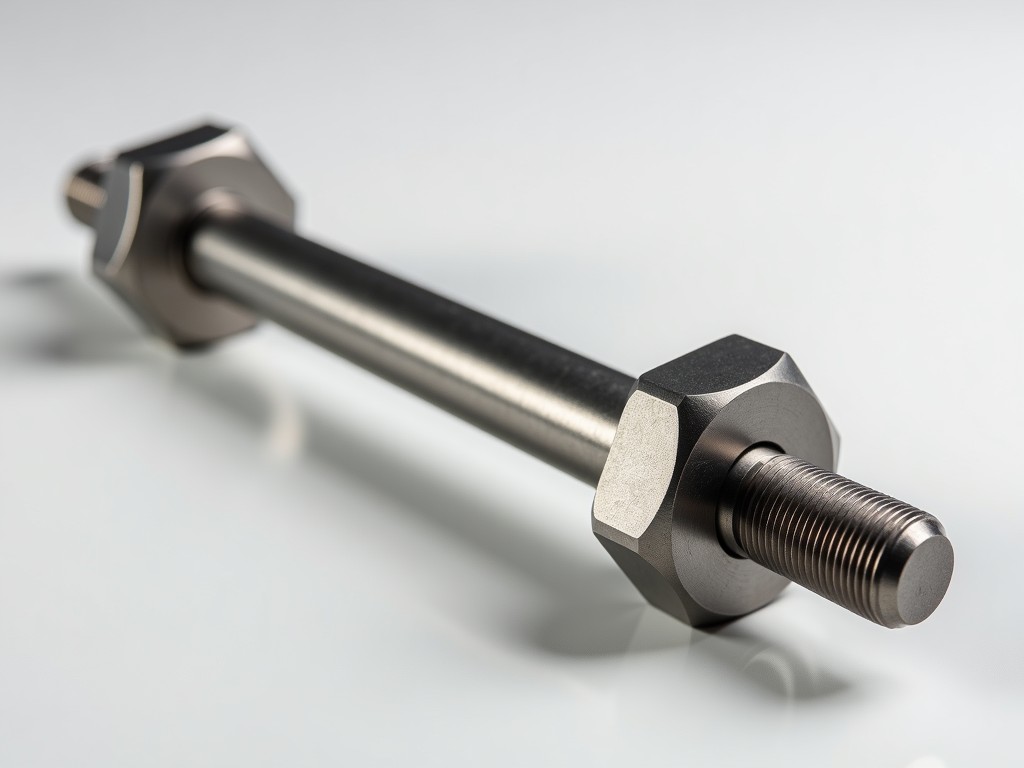
Manufactured typically from hot-dip galvanized steel or Q235 carbon steel, these couplers feature a forged or pressed steel body with a threaded bolt and nut mechanism that grips both the scaffold tube (usually 48.3mm OD) and the toe board (commonly 150mm–200mm high). The design resists lateral displacement caused by wind, vibration, or impact, and maintains clamping force over repeated use cycles. Surface treatments such as hot-dip galvanization (minimum 60µm zinc coating) provide corrosion resistance suitable for outdoor and humid environments, extending service life in coastal or industrial settings.
The coupler body is engineered to encircle the scaffold tube with a semi-split design, enabling installation without dismantling the vertical standard. Internal serrations or knurling on the clamping surfaces increase frictional resistance, reducing slip under load. The bolt assembly typically uses an M12 or M14 grade 8.8 high-tensile steel bolt with a corresponding nut and washer, calibrated to deliver a recommended torque of 60–80 Nm for optimal clamping without over-stressing the tube. This torque range ensures the toe board remains secure while preserving the integrity of the galvanized coating on the scaffold tube.
Toe board retention is achieved through a protruding lip or flange on the coupler that overlaps the bottom edge of the toe board, preventing upward lift. Some designs incorporate a secondary retaining tab or spring clip for added security in high-vibration environments. The overall height of the coupler assembly is kept low—typically under 75mm—to avoid interfering with platform planks or guardrail systems. Compatibility with both wooden and steel toe boards is standard, with accommodation for thicknesses ranging from 20mm to 30mm.
Raw material selection begins with certified Q235B steel for the coupler body, chosen for its balance of tensile strength (≥370 MPa), yield strength (≥235 MPa), and ductility, which allows for cold forming without cracking. The bolt and nut components are made from 40Cr or 20MnTiB steel, heat-treated to achieve core hardness of HRC 28–34 and surface hardness suitable for threaded engagement. Forging processes are preferred for high-stress zones, while machining ensures precise thread tolerances (6g for bolts, 6H for nuts) and smooth bearing surfaces.
Hot-dip galvanization follows ISO 1461 standards, with parts immersed in molten zinc at approximately 450°C. Coating thickness is verified using magnetic induction gauges, with minimum average values of 60µm and local minimums not falling below 50µm. Post-galvanizing, parts undergo passivation (chromate-free options available) to enhance white rust resistance. Each batch is sampled for adhesion testing (per ASTM D3359) and coating uniformity, ensuring compliance before packaging.
Toe board couplers are essential in any scaffolding system where fall protection of personnel and containment of materials are required. In high-rise building construction, they are installed at every working level to prevent bricks, concrete chunks, or formwork from falling onto pedestrian walkways or adjacent structures. Their use is mandated by occupational safety regulations in most jurisdictions when scaffolding exceeds a certain height or is located near public areas.
In shipyards and offshore platforms, these couplers secure toe boards on suspended scaffolds used for hull maintenance and painting, where salt spray and constant motion increase corrosion and vibration risks. The galvanized finish withstands prolonged exposure to marine atmospheres. Similarly, in power plant turnarounds or refinery shutdowns, they are used on access scaffolds around boilers, reactors, and piping systems, where dropped tools could cause catastrophic damage to sensitive equipment or ignite flammable materials.
Industrial facilities such as pulp and paper mills or automotive plants employ toe board couplers during equipment installation or major overhauls. Here, the couplers must endure exposure to oils, coolants, and cleaning agents while maintaining secure toe board positioning. Their quick-release design supports frequent reconfiguration of scaffold layouts as work progresses across different zones.
| Feature | Standard Toe Board Coupler | Heavy-Duty Toe Board Coupler | Quick-Release Toe Board Coupler |
|---|---|---|---|
| Scaffold Tube Compatibility | 48.3mm OD | 48.3mm OD | 48.3mm OD |
| Toe Board Height Range | 150–200mm | 150–250mm | 150–200mm |
| Bolt Size | M12 | M14 | M12 |
| Recommended Torque | 60–80 Nm | 90–120 Nm | 60–80 Nm |
| Retention Mechanism | Lip + Nut/Bolt | Reinforced Lip + Washer | Lip + Spring Pin |
| Typical Use Case | General construction | High-wind zones, heavy loading | Frequent assembly/disassembly |
Quality assurance begins with incoming material inspection, where mill test certificates are verified for chemical composition and mechanical properties. During production, dimensional checks are performed on critical features such as bolt hole alignment, flange height, and internal jaw width using go/no-go gauges and coordinate measuring machines (CMMs) for sample verification. Thread integrity is validated using plug and ring gauges to ensure proper engagement and torque consistency.
Mechanical testing includes proof load testing on finished couplers, where a static load is applied to simulate worst-case loading conditions (e.g., 2.2kN lateral force on the toe board) to verify resistance to slip or deformation. Samples are also subjected to cyclic load testing to assess fatigue resistance over 5,000+ load-unload cycles, mimicking long-term site use. Galvanized coating adhesion is tested via knife adhesion and bend tests per ASTM D2794, ensuring the zinc layer remains intact under deformation.
Final inspection includes visual checks for surface defects, correct assembly of components, and legibility of batch markings. Each batch is assigned a traceable lot number, and test reports are retained for a minimum of three years. Manufacturers typically offer third-party inspection reports (e.g., SGS, BV) upon request, particularly for export orders to regulated markets in Europe, North America, or Australia.
While standard toe board couplers suit most scaffolding configurations, customization is available for specific project needs. Alternative tube diameters (e.g., 42mm, 50mm, 60mm) can be accommodated by adjusting the internal jaw dimensions, useful when interfacing with proprietary or regional scaffolding systems. Toe board thickness tolerance can be modified to accommodate thicker steel boards (up to 40mm) or composite materials, with corresponding adjustments to the retaining lip height.
Surface finish options beyond hot-dip galvanizing include pre-galvanized (Z275) for cost-sensitive indoor applications, or powder-coated finishes in safety colors (yellow, red) for high-visibility requirements. Stainless steel grades (304 or 316) are available for corrosive environments such as chemical plants or food processing facilities, though at a premium. Bolt materials can be upgraded to stainless steel or high-corrosion-resistant alloys where galvanic compatibility is a concern.
Packaging is typically in bulk cartons (25–50 pieces per box) with plastic inner liners to prevent moisture ingress during transit. For large orders, palletizing with stretch wrap and corner protectors ensures stability. Custom labeling, barcoding, or inclusion of installation instructions can be arranged. Lead times vary based on material availability and order volume but generally range from 15 to 30 days for standard configurations, with expedited options available for urgent projects.
For technical inquiries, custom specifications, or to request a quotation with detailed drawings and lead times, please contact our engineering team.
Contact Us for Quotation