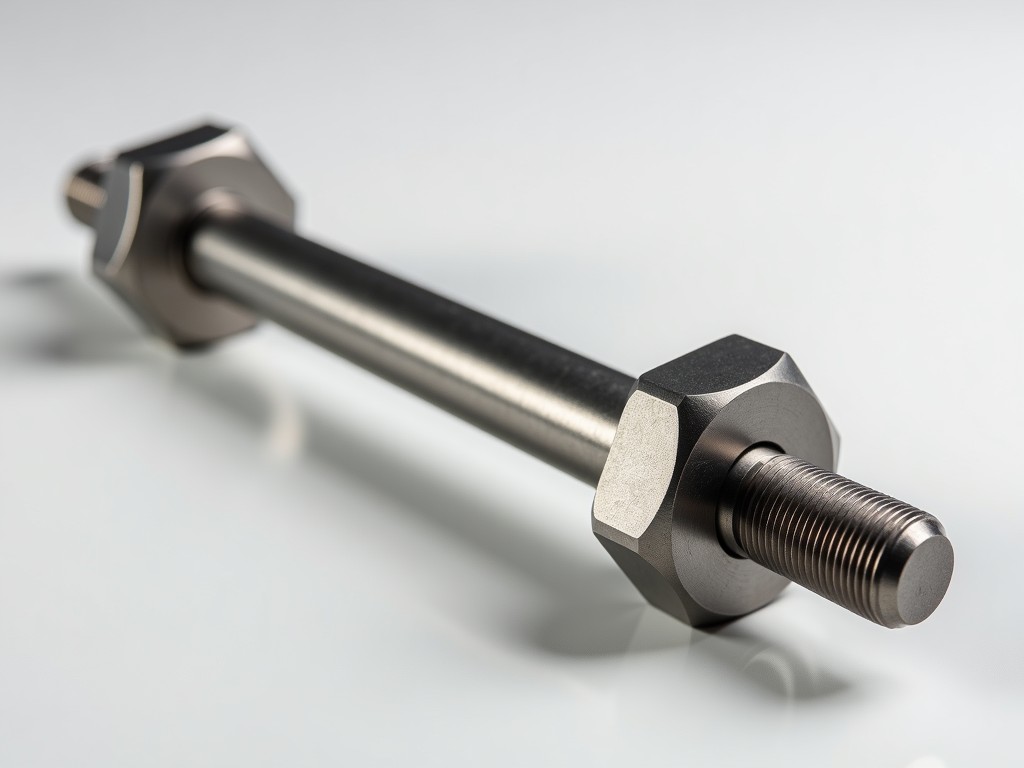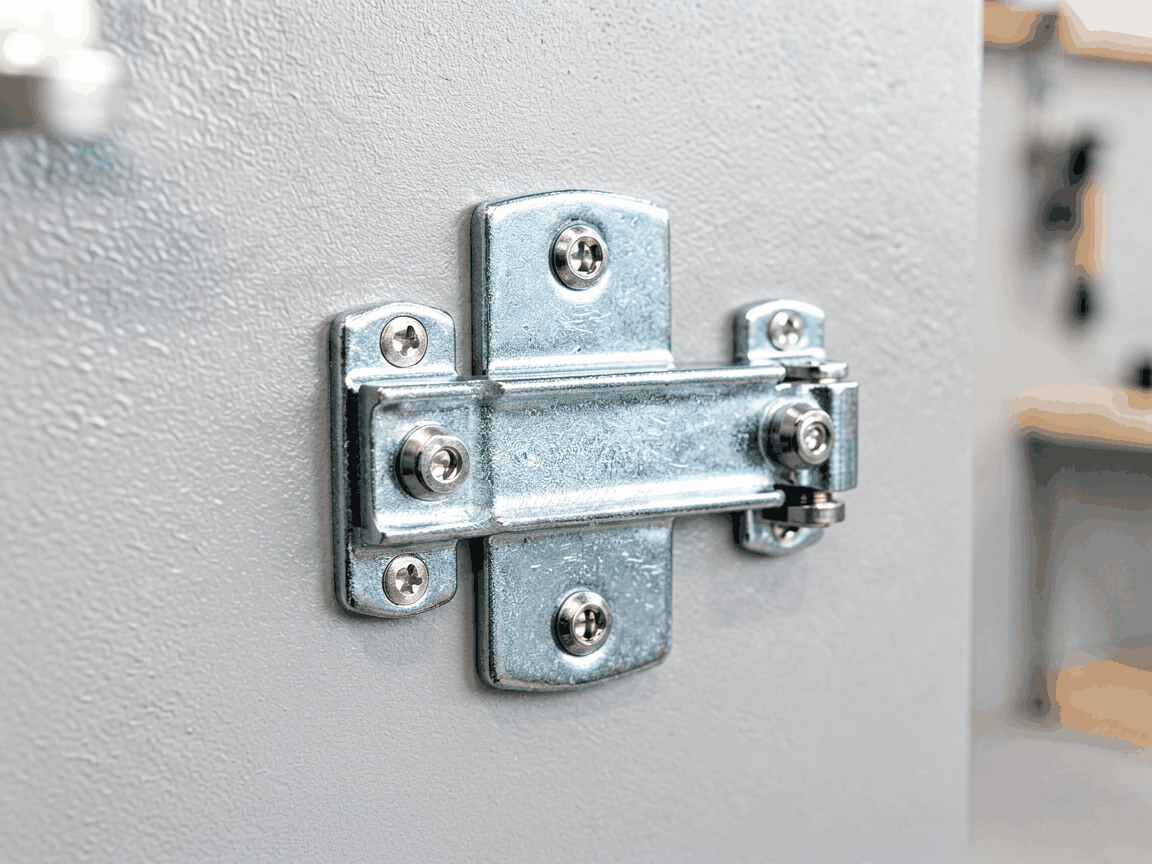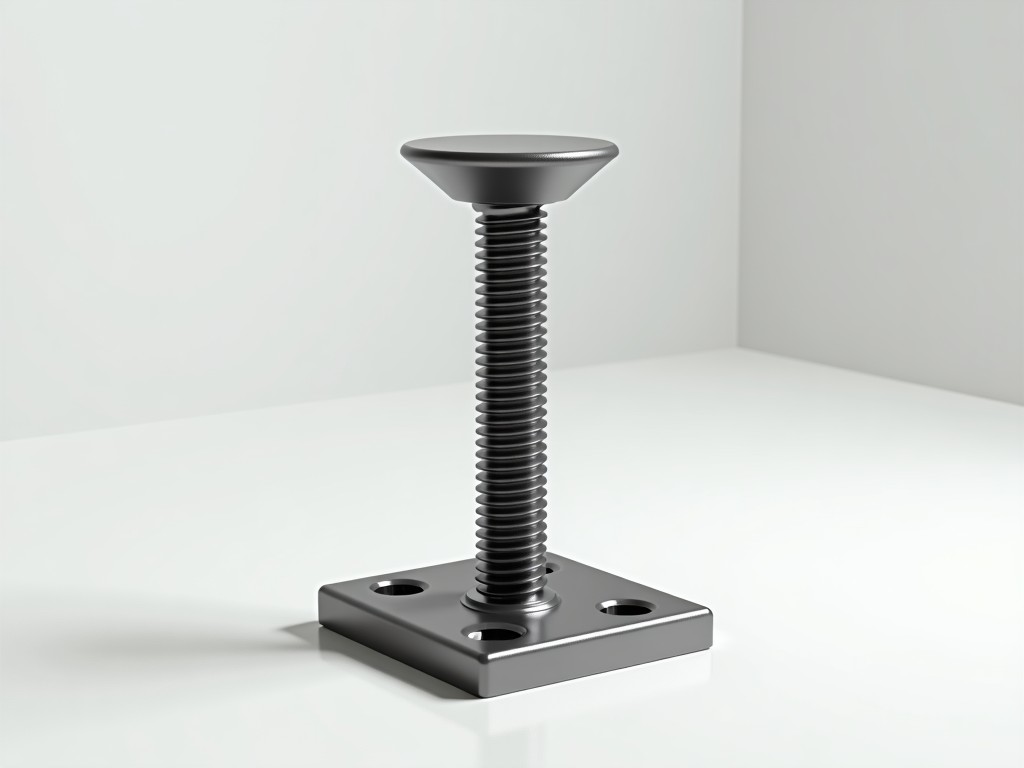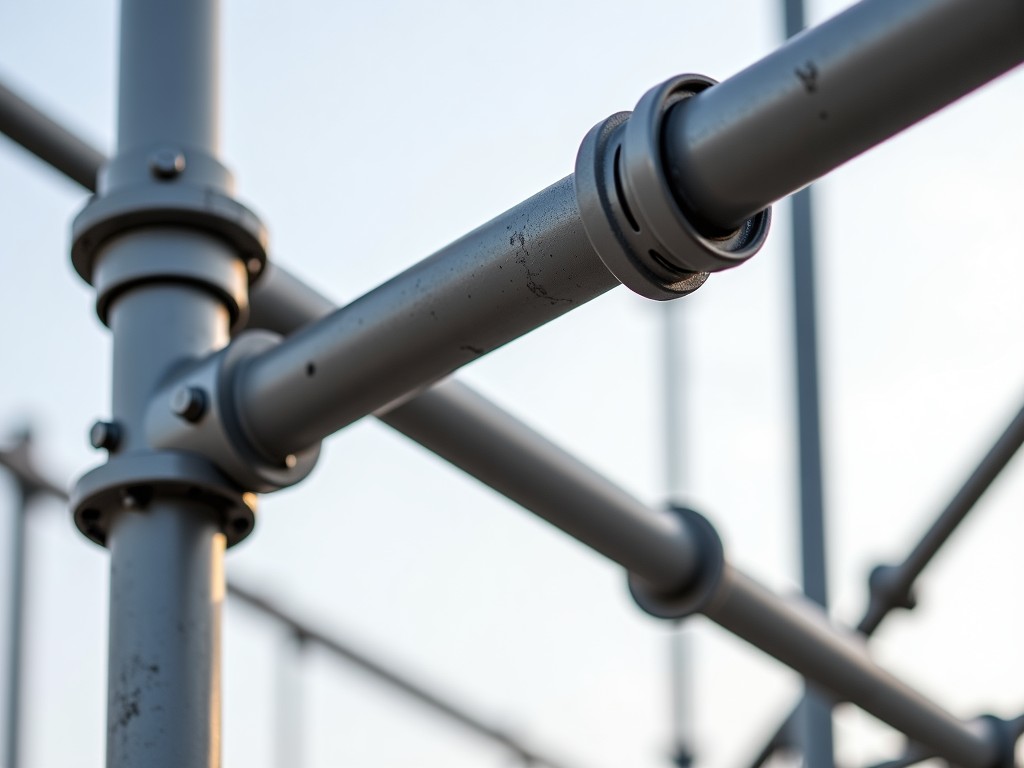
Steel formwork lock pins are critical fastening components used to secure modular concrete formwork panels during pouring and curing operations. Their primary function is to maintain alignment, resist lateral pressure from wet concrete, and enable rapid assembly and disassembly of formwork systems on construction sites. These pins are engineered to withstand repeated loading cycles while maintaining dimensional stability under site conditions.
Unlike temporary fasteners such as nails or screws, lock pins provide a reusable, positive-locking mechanism that reduces formwork movement and minimizes concrete leakage at joints. Their design typically incorporates a tapered or threaded shaft with a locking collar, wedge, or spring-loaded mechanism to ensure secure engagement with formwork accessories like clamps, ties, or brackets.
In high-rise construction, bridge forming, and large-scale infrastructure projects, the reliability of lock pins directly impacts surface finish quality, labor efficiency, and site safety. Failure modes such as pin shear, deformation, or withdrawal under load can lead to formwork bulging, misalignment, or catastrophic collapse, making material selection and geometric precision essential.
Most industrial lock pins are manufactured from medium-carbon steel grades such as C45 or 40Cr, selected for their balance of tensile strength, toughness, and wear resistance. These materials are typically quenched and tempered to achieve a surface hardness of 38–45 HRC, which resists abrasion from repeated insertion and extraction while maintaining core ductility to prevent brittle failure under impact loads.
The tensile strength of properly heat-treated lock pins ranges from 800 to 1000 MPa, with yield strength typically exceeding 600 MPa. This allows the pins to withstand typical formwork lateral pressures of 40–60 kPa without permanent deformation. Shear strength, a critical factor in resisting lateral sliding forces, is generally 60–70% of tensile strength, placing it in the 480–600 MPa range for standard grades.
Surface treatments such as zinc plating (8–12 µm thickness) or black oxide coating are commonly applied to enhance corrosion resistance in humid or alkaline concrete environments. For marine or high-moisture applications, hot-dip galvanizing or nickel plating may be specified, though these increase cost and can affect dimensional tolerances if not properly controlled.
Lock pins are available in several configurations tailored to specific formwork systems and loading conditions. The most common types include straight pins with cotter holes, tapered pins with interference fit, and threaded pins with locking nuts. Each variant addresses different requirements for installation speed, holding strength, and adjustability.
Straight pins with cotter pins are favored in high-volume applications where rapid installation is prioritized; they rely on shear strength of the pin and the cotter to prevent withdrawal. Tapered pins achieve locking through radial interference when driven into a matched sleeve, offering high resistance to vibration-induced loosening but requiring precise hole alignment during assembly. Threaded pins with lock nuts provide adjustable clamping force and are preferred in applications requiring precise panel positioning or where differential settlement may occur during curing.
Pin diameter typically ranges from 12 mm to 20 mm, with length determined by the formwork panel thickness and accessory depth. Standard lengths vary from 75 mm to 150 mm, though custom lengths are produced for specialized systems. The head design—whether flat, domed, or flanged—affects bearing surface area and ease of removal; flanged heads distribute load over a larger area, reducing indentation in softer formwork materials like aluminum or plastic-faced plywood.
| Parameter | Typical Range / Options |
|---|---|
| Shank Diameter | 12 mm, 16 mm, 20 mm |
| Overall Length | 75 mm – 150 mm (custom lengths available) |
| Material Grade | C45, 40Cr, 20MnTiB (upon request) |
| Heat Treatment | Quenched and tempered (38–45 HRC surface) |
| Surface Finish | Zinc plated, black oxide, hot-dip galvanized |
| Locking Mechanism | Cotter pin hole, threaded end, tapered shaft |
| Head Type | Flat, domed, flanged |
Customization is common for OEM formwork system integrators who require non-standard lengths, special thread pitches, or proprietary head geometries to match existing tooling. Material substitutions such as alloy steels or stainless steel grades (e.g., 304 or 316) are available for corrosive environments, though these increase lead time and cost due to lower machinability and specialized heat treatment requirements.
Tolerance control is critical: shank diameter is typically held to ±0.1 mm for interference-fit designs, while threaded sections follow ISO 965-1 (6g) standards. Straightness is maintained below 0.5 mm per 100 mm length to ensure smooth insertion without binding. These specifications are verified using calibrated gauges and coordinate measuring machines during in-process inspection.
Each production batch undergoes dimensional verification using go/no-go gauges for pin diameter and length, followed by hardness testing at three points (surface, mid-radius, core) to confirm consistent heat treatment. Surface coating thickness is measured via magnetic induction or X-ray fluorescence to ensure compliance with specified micron levels.
Mechanical validation includes tensile testing on representative samples to confirm minimum strength values, and shear testing using double-shear fixtures to evaluate resistance to lateral loading. For pins intended in high-vibration environments, resonance frequency analysis may be conducted to assess susceptibility to fatigue-induced loosening.
Visual inspection under 10x magnification checks for surface defects such as cracks, laps, or seams that could initiate failure under cyclic loading. Any deviation from specifications triggers batch hold and root cause analysis. Traceability is maintained via laser etching or stamping on the pin head, linking each item to its material certificate, heat treat log, and inspection record.
Steel formwork lock pins are integral to panelized wall and slab systems where modularity and reuse are essential. In tunnel forming, they secure overlapping steel plates against circumferential pressure from wet concrete, preventing joint displacement that could compromise geometric tolerances. In shear wall construction, they maintain vertical alignment of formwork panels over pour heights exceeding 6 meters, where hydrostatic pressure increases linearly with depth.
In column forming, lock pins resist radial outward forces that can cause formwork to bulge, particularly at mid-height where pressure is greatest. Their use in conjunction with wedge bolts or clamp systems allows for rapid adjustment during alignment, reducing reliance on shimming or wedge adjustments that can loosen over time. For architectural concrete finishes, consistent pin performance minimizes surface defects such as finning or misalignment at panel joints.
Beyond buildings, these pins are used in precast concrete yards to secure side forms and end caps during the casting of beams, girders, and tunnel segments. In bridge deck forming, they support overhanging brackets that carry the weight of wet concrete and screeding equipment, where failure could result in serious safety hazards. Their reusability—often exceeding 100 cycles with proper maintenance—makes them a cost-effective alternative to disposable fasteners in high-volume operations.
Lock pins are typically packaged in bulk within woven polypropylene bags or cardboard cartons, with quantities ranging from 50 to 200 units per package depending on size and weight. For corrosion-protected variants, desiccant packs and VCI (vapor corrosion inhibitor) paper are included to mitigate moisture ingress during transit and storage. Each package is labeled with part number, material grade, heat treat specification, and batch code for traceability.
Handling practices affect longevity: pins should be kept dry and free from dirt or concrete residue, which can accelerate wear and interfere with locking mechanisms. After use, they are cleaned with wire brushes or compressed air, inspected for bending or thread damage, and lightly oiled before storage. Bent or deformed pins are removed from service immediately, as even minor deviations can reduce holding capacity by 30–50% and increase the risk of sudden failure.
For export shipments, pins are packed in moisture-barrier bags within wooden crates or steel containers, with shock-absorbing foam or corrugated dividers to prevent impact damage. Transit time and climate conditions are factored into preservation methods; for tropical destinations, enhanced coating thickness or temporary wax dipping may be applied to extend shelf life.
For technical specifications, customization requests, or quotation inquiries regarding steel formwork lock pins, please contact our engineering team.
Request Technical Data Sheet