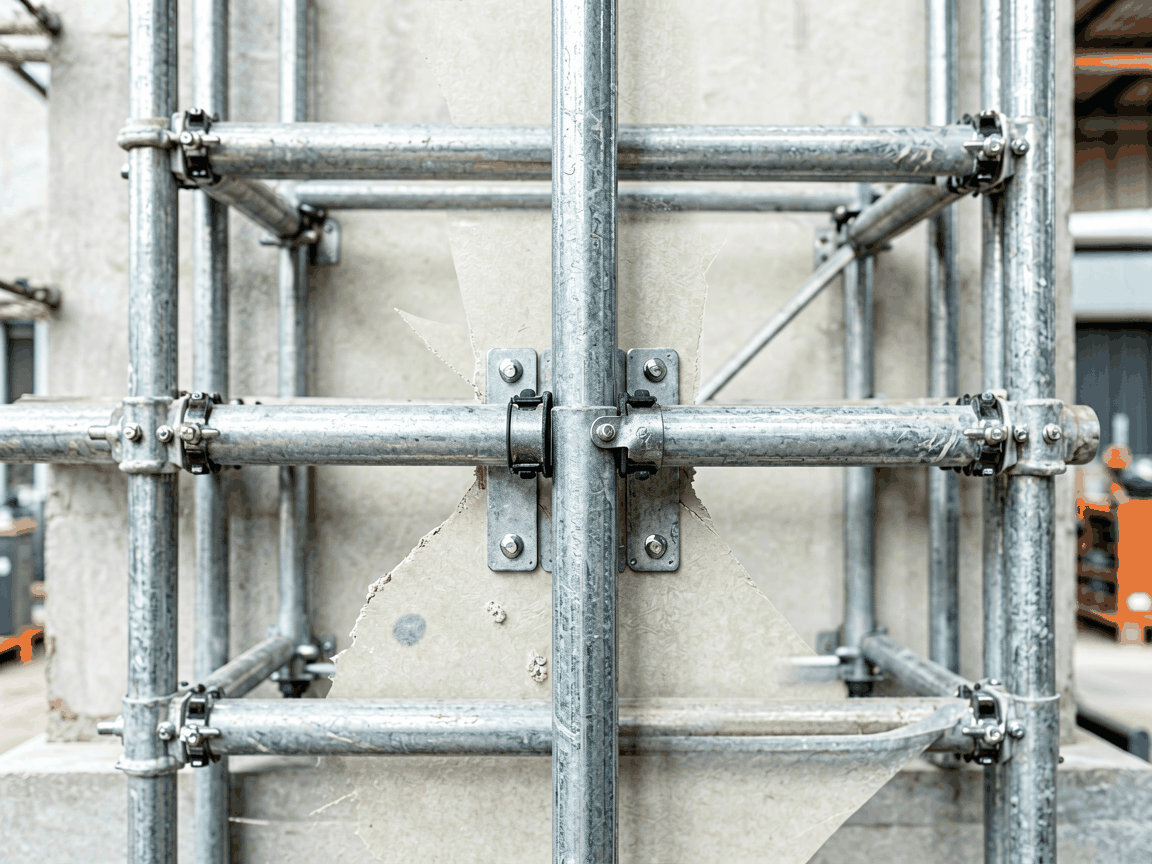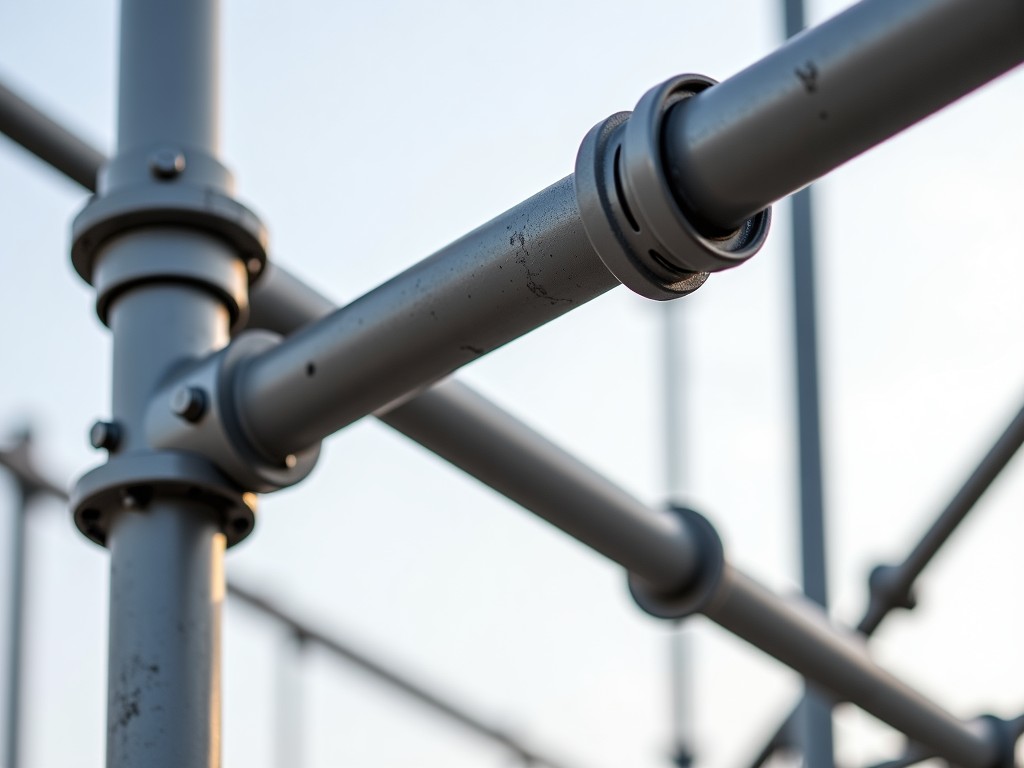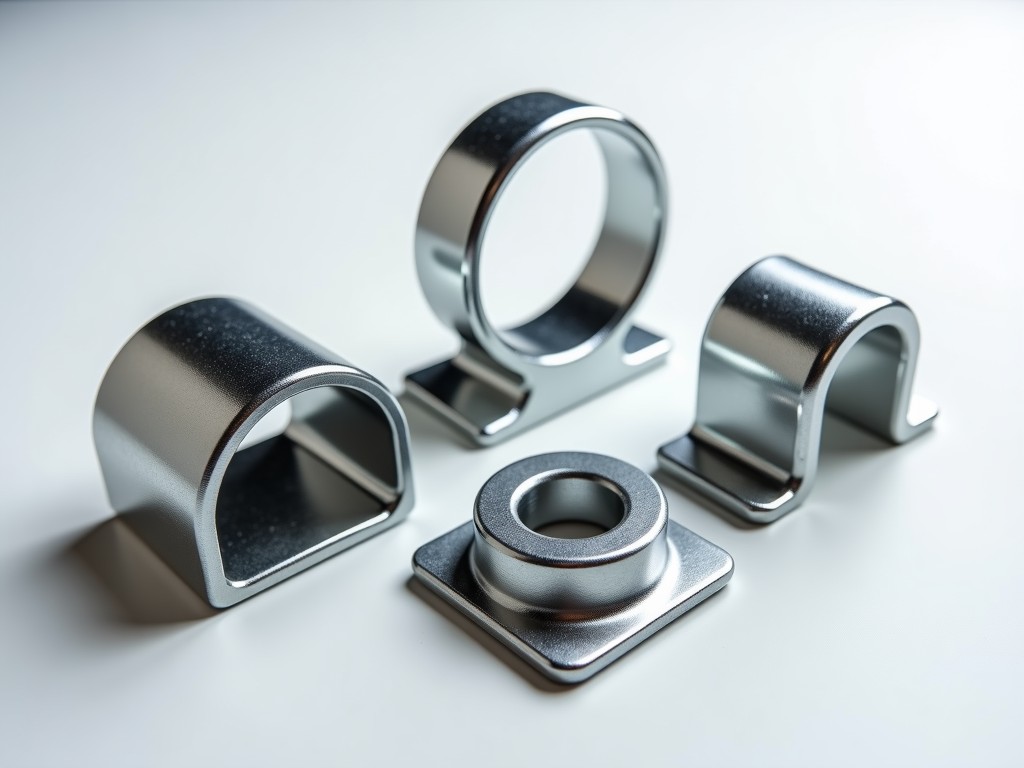
Limpet clamps are mechanical fastening devices designed to secure scaffold tubes to structural elements without damaging the host surface. Unlike bolted or welded connections, they rely on friction and geometric interlock to transfer loads, making them suitable for temporary access systems where surface preservation is critical. This page explains their function, design considerations, material behavior, and procurement-relevant specifications for industrial buyers evaluating suppliers in China.
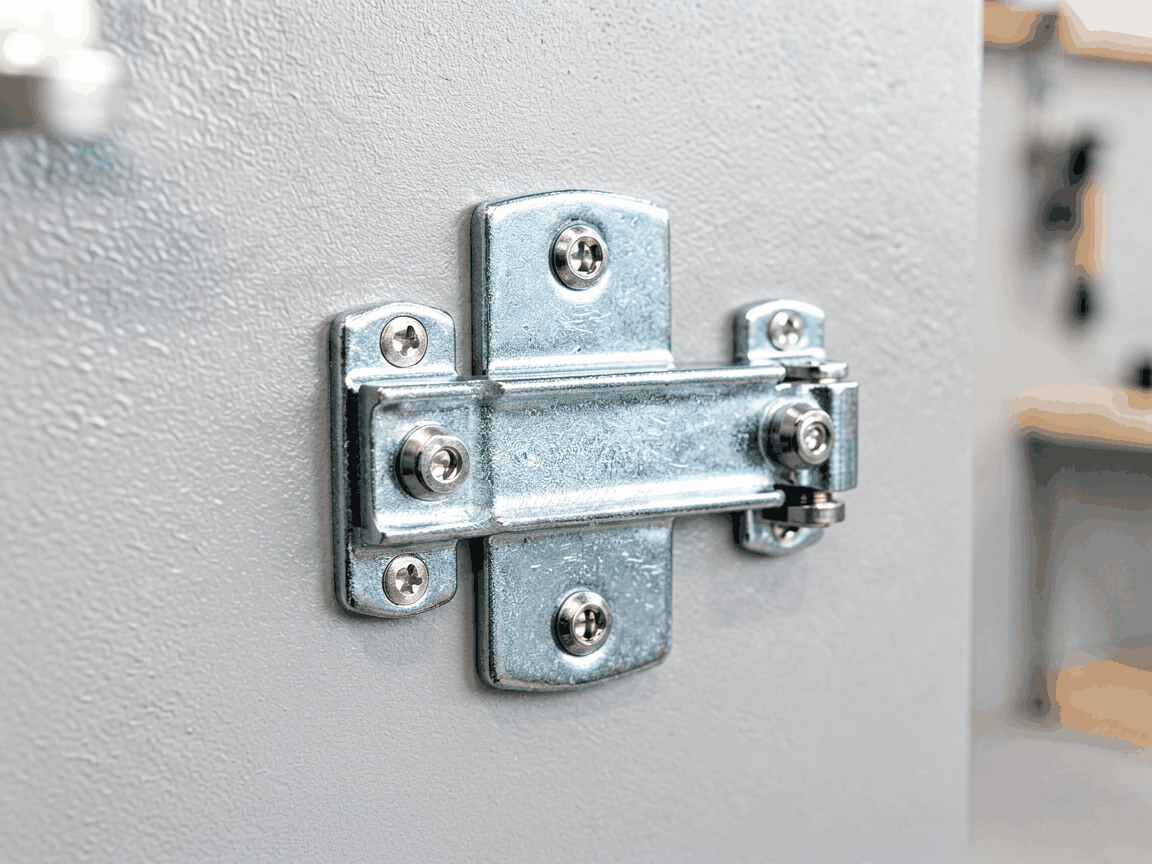
A limpet clamp consists of two primary components: a curved jaw that matches the outer diameter of the scaffold tube and a tightening mechanism—typically a threaded bolt or eccentric cam—that applies radial pressure to create a frictional grip. When installed, the clamp deforms elastically around the tube while its inner surface contacts the supporting structure (e.g., steel beam, concrete edge, or pipe). The load path transfers vertical and lateral forces from the scaffold through the tube, into the clamp jaw, then via friction to the host structure. Slip resistance depends on surface preparation, clamp pressure, and the coefficient of friction between mating surfaces.
Proper installation requires the host surface to be clean, flat, and free of coatings that reduce friction. Over-tightening can damage the tube or deform the clamp jaw beyond elastic limits, while under-tightening risks slippage under dynamic loads. Suppliers typically provide installation torque values based on material pairings and tube dimensions to ensure consistent performance.
Limpet clamps are commonly manufactured from carbon steel (e.g., Q235 or equivalent) for cost-effective applications where environmental exposure is moderate. For corrosive environments—such as marine, chemical, or outdoor industrial settings—suppliers offer hot-dip galvanized finishes or stainless steel grades (e.g., 304 or 316) to resist oxidation. The jaw material must have sufficient yield strength to resist permanent deformation under clamping load while maintaining ductility to avoid brittle fracture during installation.
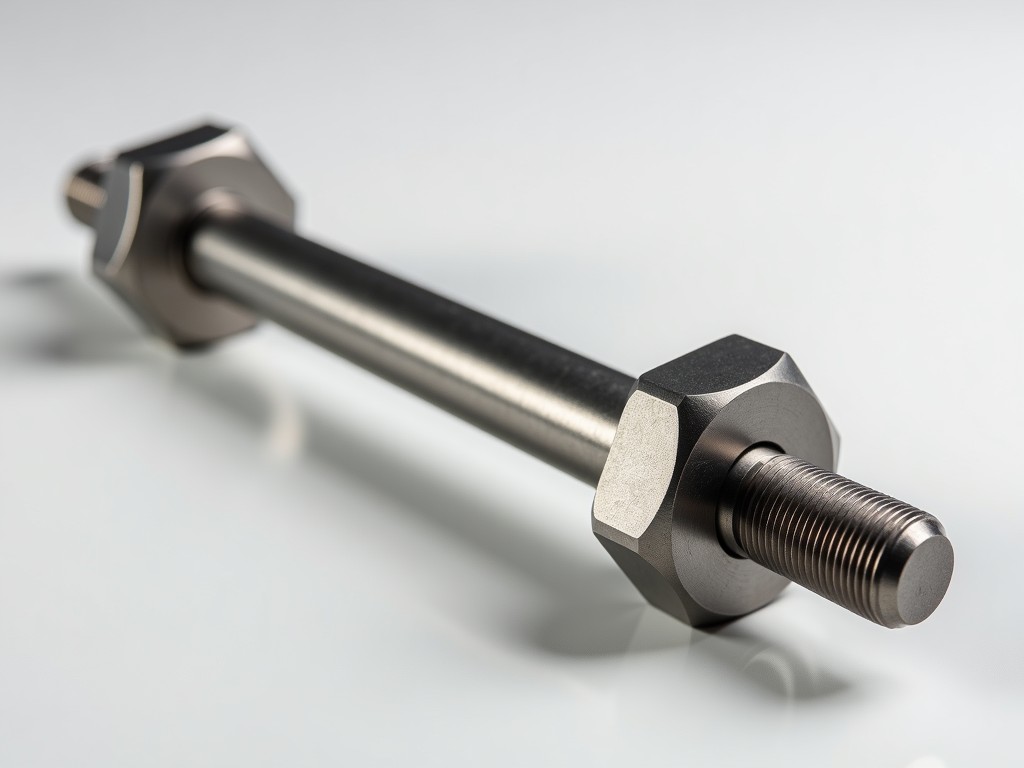
The tightening bolt is usually made from high-tensile steel (e.g., 8.8 grade) to withstand repeated torque cycles without stretching or thread stripping. Some designs incorporate nylon inserts or prevailing torque features to prevent loosening under vibration. Buyers should verify that material test certificates (MTCs) are available upon request, particularly for projects requiring traceability to EN 10204 3.1 or equivalent standards.
Limpet clamps are designed for specific scaffold tube outer diameters—most commonly 48.3 mm (standard steel tube) or 60.3 mm (larger diameter systems). The jaw curvature is precision-formed to match these dimensions, ensuring uniform contact pressure around the tube circumference. Using a clamp on an incorrect tube size results in point loading, localized deformation, and reduced slip resistance.
Suppliers typically offer clamps in fixed sizes rather than adjustable ranges to maintain geometric precision. Custom diameters are possible but require new tooling and are generally reserved for OEM volumes. Buyers must confirm the exact tube OD of their scaffold system before procurement, as mismatched components compromise safety and may void manufacturer liability.
Installation involves placing the clamp over the scaffold tube, aligning it with the host structure, and tightening the fastener to the specified torque—usually between 20 and 40 Nm for carbon steel variants, depending on tube size and surface condition. No drilling, welding, or surface preparation of the host is required, which preserves protective coatings and reduces installation time compared to bolted brackets.
Removal is achieved by reversing the tightening process. Because the clamp relies on friction rather than mechanical interlock, it can be repositioned multiple times without degrading the host surface—provided the jaw and tube remain undamaged. This reusability makes limpet clamps advantageous for repetitive tasks such as ship maintenance, facade access, or industrial plant turnarounds where scaffold systems are frequently erected and dismantled.
Reputable suppliers perform dimensional inspections on jaw curvature and bolt thread pitch to ensure interchangeability and proper fit. Hardness testing of the jaw and bolt verifies resistance to deformation and wear. Some manufacturers conduct slip tests on representative tube and host material pairs to validate holding capacity under simulated load cycles, reporting results as a safety factor against the intended working load.
Visual inspections check for casting defects, cracks, or incomplete galvanization. For stainless steel variants, passivation quality may be assessed to ensure corrosion resistance. Buyers should request inspection reports or third-party test data as part of the pre-qualification process, especially for projects governed by stringent safety regulations such as OSHA, EN 12811, or local equivalents.
Limpet clamps are frequently used in petrochemical refineries to erect scaffold around heat exchangers, reactors, and piping racks where flange integrity must be preserved. In power generation facilities, they secure access platforms to boiler casings and turbine housings without penetrating insulation or protective cladding. Shipyards employ them for hull and superstructure work where welding is restricted due to fire risk or coating compatibility.
They are also common in semiconductor and pharmaceutical plants where cleanroom environments prohibit surface contamination from welding slag or drilling debris. The ability to install and remove clamps quickly without leaving residues supports strict hygiene and downtime minimization requirements. Unlike fixed brackets, limpet clamps allow scaffold to be adapted to irregular geometries—such as curved vessels or tapered structures—by adjusting clamp spacing along the tube.
When assessing Chinese suppliers, buyers should prioritize those who provide clear dimensional tolerances (e.g., jaw ID ±0.5 mm, bolt thread pitch to ISO 965-1), material certification, and consistent finish quality. Look for evidence of process control—such as in-line hardness checks or torque validation samples—rather than relying solely on final product inspection. Suppliers who offer technical support for installation procedures or load calculation guidance demonstrate deeper application understanding.
Avoid vendors who specify only “high strength” or “durable” without referencing measurable properties like yield strength, elongation, or coating thickness. Lead times typically range from 2 to 6 weeks for standard carbon steel clamps, depending on order volume and finish requirements. Stainless steel or custom sizes may extend lead times due to material sourcing or tooling preparation.
| Criteria | Limpet Clamp | Bolted Bracket | Clamp-on Wedge |
|---|---|---|---|
| Surface Damage Risk | Low (friction-only) | Medium (requires drilling) | Low to Medium (point loading) |
| Installation Time | Fast (no prep) | Slow (drilling, bolting) | Moderate |
| Reusability | High (if undamaged) | Medium (bolt reuse limited) | Medium |
| Load Adjustability | Via torque | Fixed by bolt size | Limited |
| Typical Use Case | Temporary, surface-sensitive | Permanent or semi-permanent | Intermediate duty |
This comparison highlights trade-offs in installation impact, reusability, and adaptability. Limpet clamps excel when preserving the host surface is non-negotiable and rapid deployment is required. Bolted brackets offer higher rigidity for fixed installations but compromise surface integrity. Wedge clamps provide a middle ground but may induce localized stress concentrations. The optimal choice depends on project duration, surface treatment sensitivity, and load dynamics.
Before requesting a quotation, prepare the following: scaffold tube outer diameter (OD), host structure material and surface condition (e.g., painted steel, galvanized, concrete), expected load direction and magnitude (vertical, lateral, dynamic), environmental exposure (indoor, outdoor, chemical, marine), and required quantity. Providing this information enables suppliers to recommend appropriate material grades, torque specifications, and finish options.
Request samples for validation testing on your actual tube and host material pair. Confirm whether the supplier offers mill test certificates, inspection reports, or compliance documentation with relevant standards (e.g., EN 74 for temporary works equipment, though note limpet clamps are often classified as accessories). Clarify packaging methods—clamps are typically bulk-packed in cartons with corrosion inhibitors for sea freight—and inquire about lead time flexibility for staggered delivery schedules.
For repeat orders, establish a supplier quality agreement that includes dimensional inspection criteria, material traceability, and defect replacement terms. This reduces procurement risk and ensures consistency across multiple scaffold campaigns.