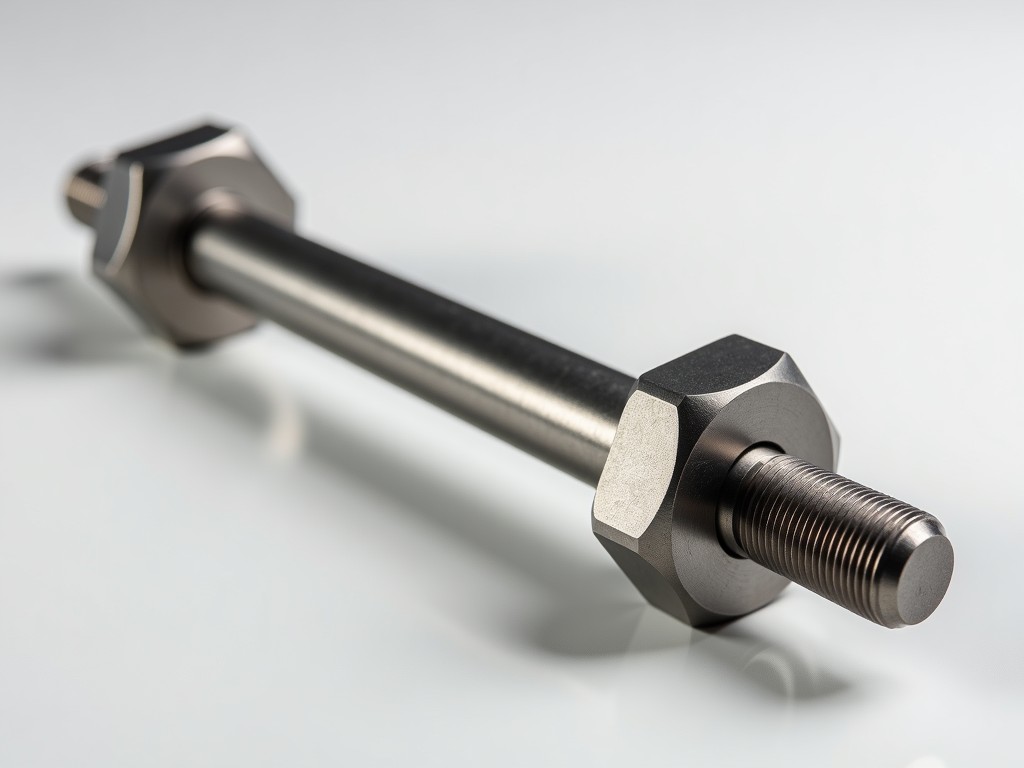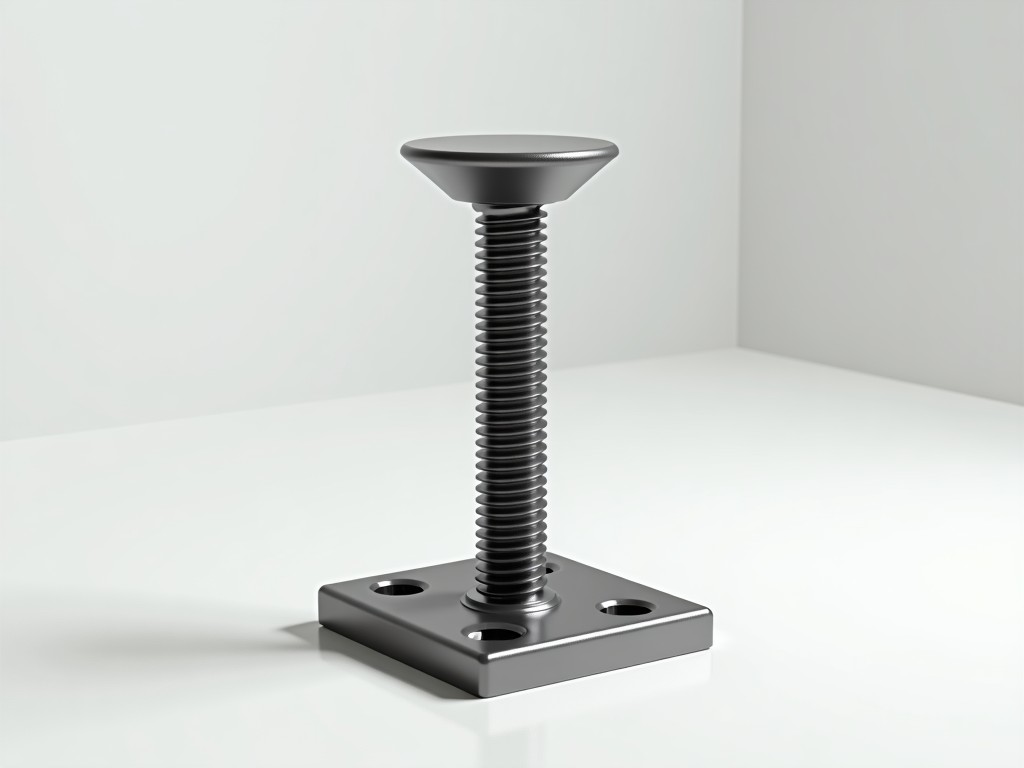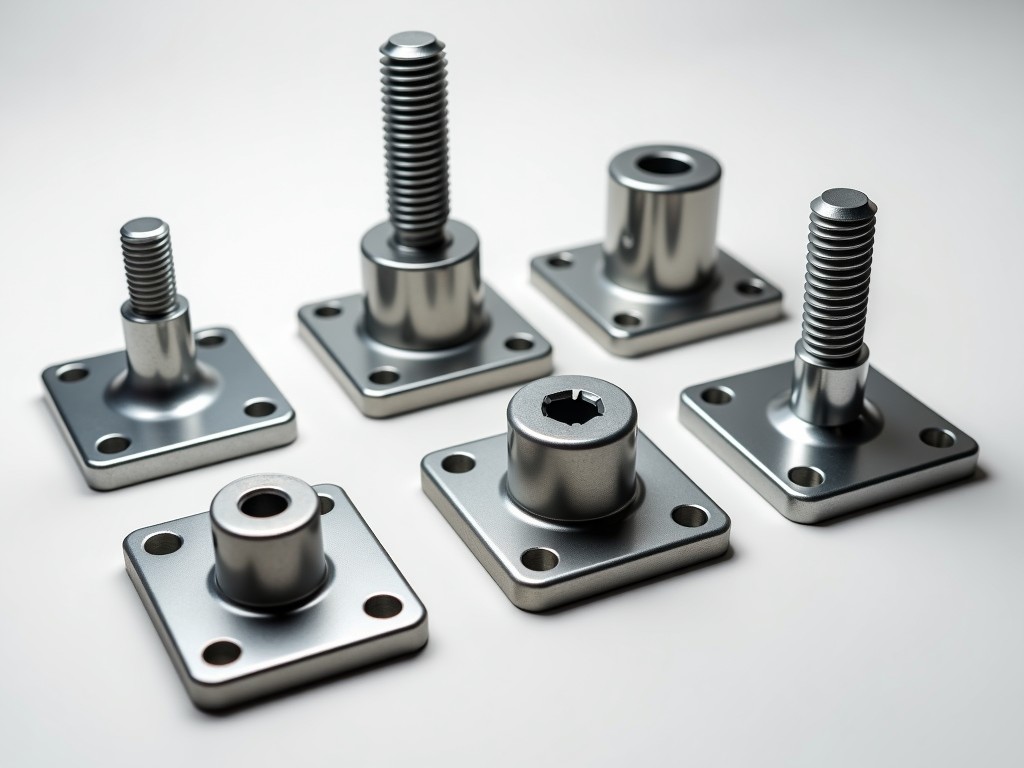
Base plate screw jacks are mechanical lifting devices commonly used in industrial machinery for precise vertical positioning, load support, and height adjustment. Their design centers on a threaded screw mechanism housed within a protective casing, with a base plate providing stable mounting to foundations or machine frames. Unlike hydraulic or pneumatic systems, screw jacks operate without fluid pressure, making them suitable for environments requiring cleanliness, explosion safety, or long-term static load holding. The base plate distributes concentrated loads over a larger surface area, reducing point pressure on supporting structures and enhancing stability under dynamic or eccentric loading conditions.
The cost of a base plate screw jack from Chinese manufacturers varies significantly based on load capacity, screw pitch, material selection, stroke length, and additional features such as anti-rotation mechanisms, protective bellows, or motor readiness. Standard models with capacities ranging from 5 kN to 50 kN typically fall within a price range of $80 to $450 per unit when purchased in volumes of 10–50 pieces. Higher-capacity units exceeding 100 kN, or those requiring stainless steel construction, precision ground screws, or custom mounting interfaces, may exceed $800. These prices generally exclude shipping, taxes, and value-added services like machining, testing, or certification documentation.
Material choice directly influences both performance and cost. Carbon steel (e.g., 45# or 40Cr) is commonly used for screw shafts and worm gears in standard industrial applications due to its strength and machinability, with surface treatments like black oxide or zinc plating for corrosion resistance. For environments exposed to moisture, chemicals, or food processing requirements, stainless steel grades such as 304 or 316 are available, increasing material costs by 30–60%. Bronze nuts are often paired with steel screws to reduce friction and wear, while lubrication provisions—such as grease fittings or oil reservoirs—are critical for maintaining efficiency and extending service life under frequent cycling.
Load capacity and stroke length are primary determinants of pricing. A 10 kN jack with 150 mm stroke may cost approximately $90–$120, while a 25 kN unit with 300 mm stroke ranges from $180–$250. Doubling the stroke length typically increases cost by 20–35% due to longer screw, nut, and housing requirements. Load capacity has a more pronounced effect: increasing from 10 kN to 50 kN can raise prices by 150–200%, reflecting larger diameters, thicker housings, and higher-grade components. Buyers should verify whether quoted capacities are static or dynamic, as dynamic ratings—accounting for shock loads or vibration—are often 30–50% lower than static values.
Customization options affect pricing and lead time. Common modifications include flange or clevis end fittings, limit switches, rotary encoders for position feedback, and motor flanges for integration with AC servos or stepper motors. Adding a protective bellows increases cost by $15–$40 depending on stroke and diameter. Machining custom mounting patterns on the base plate or adding tapped holes for alignment pins may incur additional engineering and setup fees. Standard lead times for non-customized units are 2–4 weeks; custom designs typically require 4–8 weeks, especially if special materials or tolerances are involved.
| Load Capacity | Typical Stroke (mm) | Material Options | Price Range (USD/unit) |
|---|---|---|---|
| 5 kN | 50–150 | Carbon steel, zinc-plated | $70–$100 |
| 10 kN | 100–200 | Carbon steel, 304 SS optional | $90–$130 |
| 25 kN | 150–300 | Carbon steel, 304/316 SS, bronze nut | $180–$260 |
| 50 kN | 200–400 | Carbon steel, 316 SS, hardened screw | $350–$500 |
| 100 kN+ | 250–500 | 304/316 SS, alloy steel, custom nuts | $600–$1,200+ |
In industrial applications, base plate screw jacks are selected for their ability to maintain position without power—a critical advantage in safety-critical systems. For example, in conveyor belt tensioning mechanisms, they provide consistent, adjustable force to prevent slippage or misalignment. In packaging machinery, they enable precise height adjustment of sealing or labeling heads to accommodate varying product sizes. Their self-locking nature (depending on screw pitch and friction) eliminates the need for brakes in vertical load applications, reducing complexity and failure points. When used in pairs or arrays with connecting shafts and bevel gears, they synchronize movement across multiple points, essential for leveling large platforms or lifting heavy molds in die-casting or injection molding equipment.
Procurement teams should request detailed specifications before comparing quotations. Key data points include: required static and dynamic load, stroke length, operating speed (manual vs. motorized), duty cycle, environmental conditions (temperature, humidity, exposure), mounting interface details, and whether anti-rotation or position feedback is needed. Providing a sketch or CAD model of the mounting arrangement helps manufacturers verify compatibility and avoid costly revisions. Some suppliers offer free CAD models or selection software to assist in determining the correct jack size and configuration based on load and speed requirements.
Quality considerations extend beyond material and dimensions. Thread form accuracy—typically trapezoidal or ACME—directly affects efficiency, wear rate, and backlash. Lead accuracy and surface roughness of the screw shaft influence torque requirements and lifespan. Reputable manufacturers perform functional tests under load, measure input torque versus output force, and check for lateral deflection or nut wobble. While not all suppliers provide test reports, requesting a sample inspection report or material certificate (e.g., for screw hardness or stainless steel grade) can help assess consistency. For OEM applications, incremental encoder readiness or pre-drilled limit switch mounts may be necessary for integration with control systems.
For technical inquiries, customization requests, or formal quotations, please contact our engineering team to discuss your specific load, stroke, and environmental requirements. We provide detailed drawings, load calculations, and lead time estimates based on your specifications.