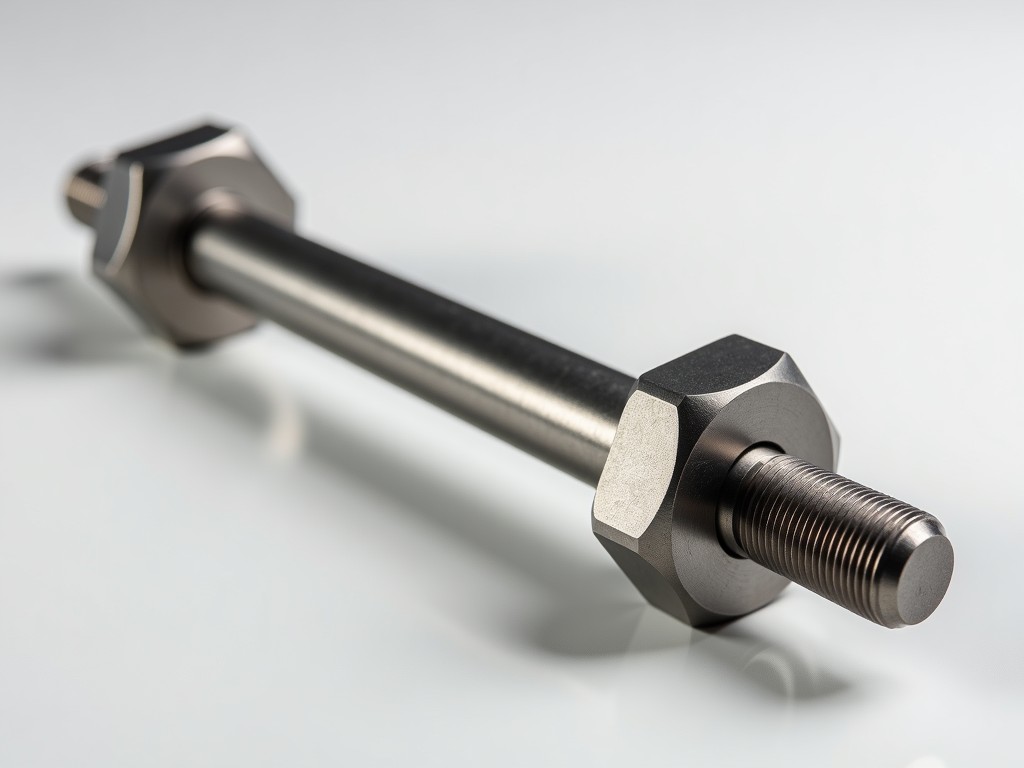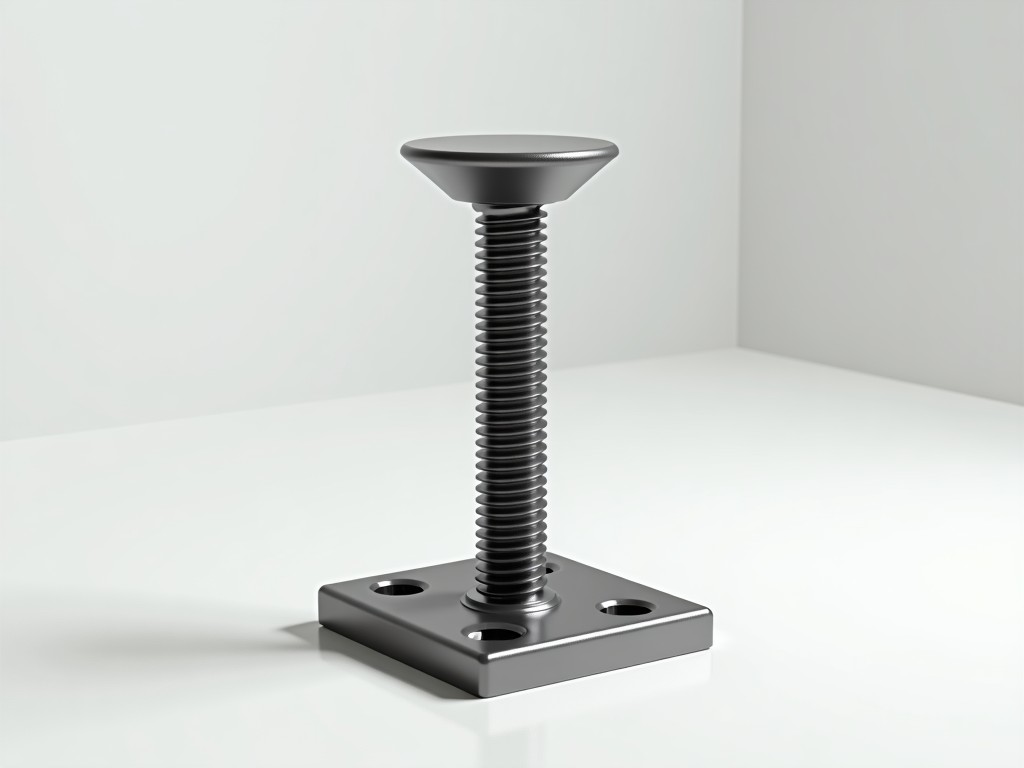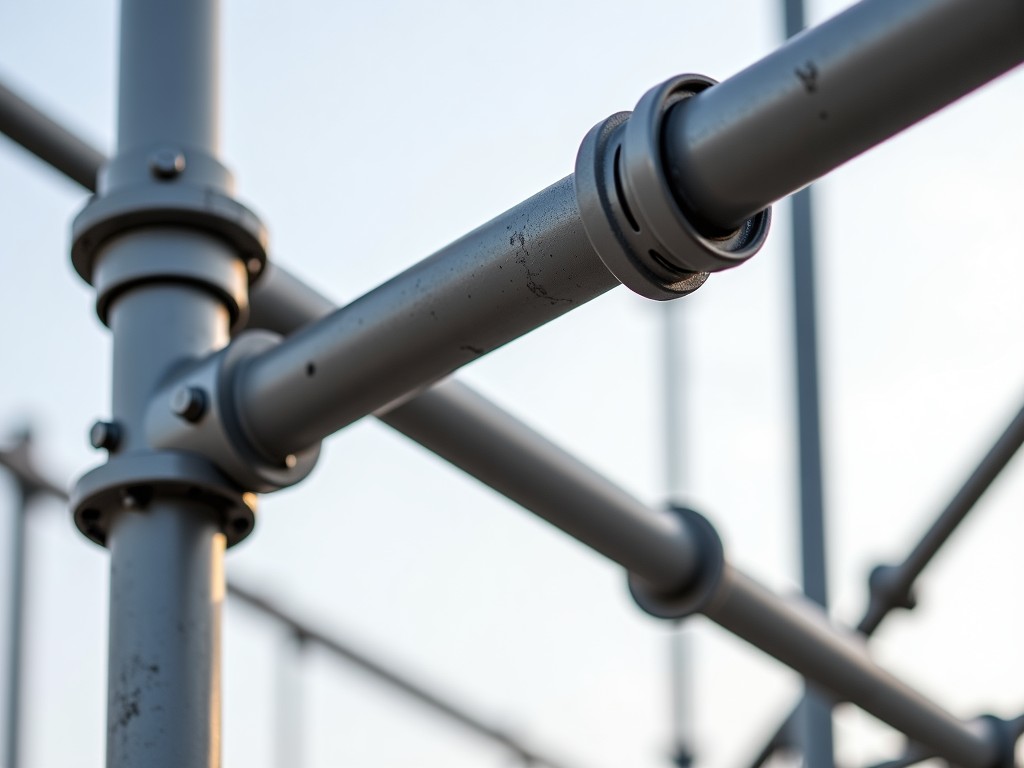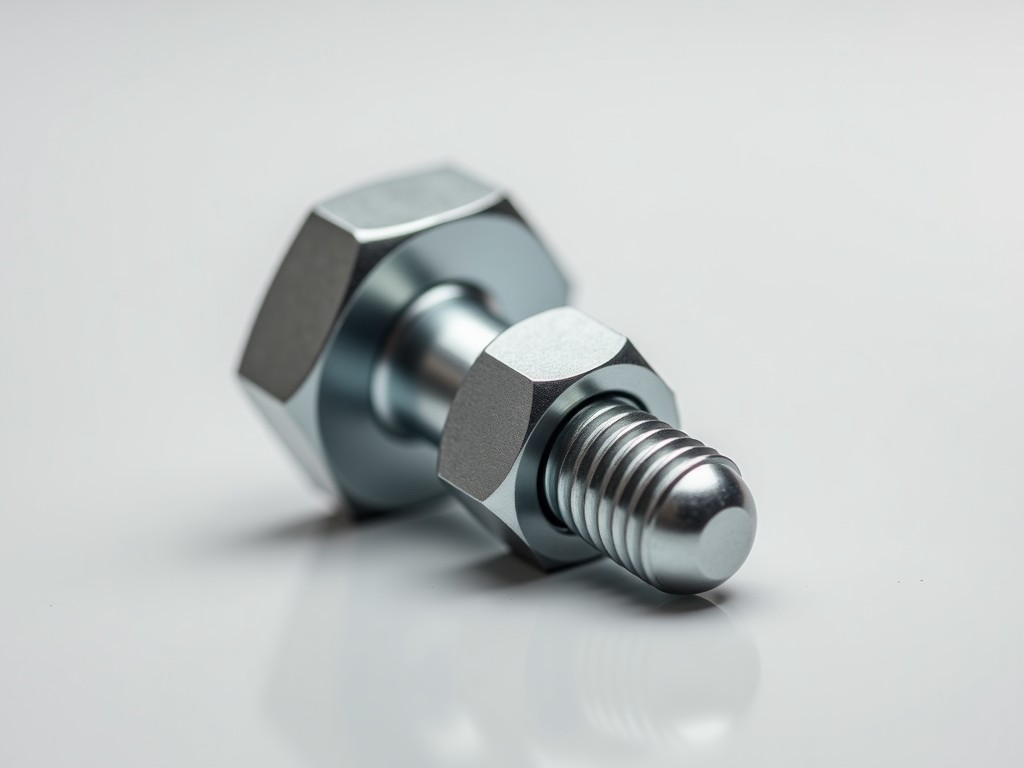
An anchor nut for tie rod is a threaded fastening component designed to secure tie rod assemblies in structural and mechanical applications. It functions as a load-distributing interface between the tie rod end and the anchored substrate, preventing pull-through failure under tensile loads. Unlike standard nuts, anchor nuts incorporate geometric features—such as flanges, wings, or embedded profiles—that resist rotation and translation when installed in concrete, masonry, or steel substrates. Their primary purpose is to maintain pretension in tie rod systems used for wall forming, façade retention, seismic upgrading, and temporary shoring.
Anchor nuts are manufactured to match specific tie rod thread standards, ensuring full engagement and load transfer efficiency. Common thread types include metric coarse (M16, M20, M24, M27, M30) and imperial series (½", ⅝", ¾", 1", 1¼") with UNC or 8UN configurations. Thread length is typically 1.5 to 2 times the nominal diameter to prevent stripping under maximum tensile load. The nut height is engineered to provide a minimum of 6 full threads engaged, which satisfies ISO 898-2 requirements for property class 8 or 10 nuts. Left-hand thread variants are available for applications requiring reverse-tension locking, such as in certain formwork systems where vibration-induced loosening is a concern.
Material choice directly affects service life, especially in environments exposed to moisture, chlorides, or alkaline concrete pore solutions. Carbon steel (C45 or equivalent) is standard for dry, indoor applications, often supplied with zinc plating (min. 8µm thickness) or hot-dip galvanizing (min. 55µm) per ISO 1461. For permanent exterior or marine-exposed installations, stainless steel grades A2 (304) or A4 (316) are used to resist chloride-induced pitting and crevice corrosion. In high-strength applications, quenched and tempered alloy steel (e.g., 42CrMo4) may be specified, requiring hydrogen embrittlement relief post-plating. Material test certificates (EN 10204 3.1) are available upon request for critical infrastructure projects.
The anchor nut’s bearing surface must adequately spread the tie rod load to prevent localized substrate failure. Flange diameters typically range from 1.8 to 2.5 times the tie rod diameter, depending on substrate compressive strength. For concrete embedment, a minimum edge distance of 4× flange diameter and spacing of 8× flange diameter are recommended to avoid cone breakout. In masonry, the nut is often grouted into a sleeved hole with epoxy or non-shrink mortar to ensure full contact and load transfer. Finite analysis shows that properly proportioned flanges reduce bearing stress by 40–60% compared to standard nuts of equivalent height, significantly improving safety margins in thin-wall or low-strength substrates.
Correct installation is essential to achieve design pretension and prevent premature loosening. Anchor nuts are typically installed using impact wrenches or torque multipliers, with final tightening performed via calibrated torque wrench to specification. Recommended torque values depend on thread size, material, and lubrication: for an M24 property class 8 nut with light oil, torque is approximately 350 Nm; for the same size in A4-80 stainless steel, it increases to 420 Nm due to higher thread friction. Angle-turn methods (e.g., 90° past snug tight) are preferred for critical applications as they minimize scatter in bolt load. Locking features—such as nylon inserts, distorted threads, or mechanical pins—may be added when vibration resistance is required, though they increase installation torque by 10–25%.
Each production batch undergoes dimensional inspection per ISO 225 (thread gauging) and ISO 4759-1 (product grade C tolerance). Hardness testing (Rockwell HRC or HV) confirms heat treatment effectiveness for alloy steel variants. Surface coating thickness is verified via magnetic induction or coulometric methods. For traceability, nuts are laser-marked with manufacturer ID, thread size, material grade, and heat number. Packaging includes corrosion-inhibiting VCI paper and desiccant in humidity-resistant cartons, with bundle labels indicating quantity, specification, and inspection certificate reference. Random samples are subjected to proof load testing (typically 80% of minimum yield strength) to validate load-bearing capacity before shipment.
| Specification | Typical Range | Notes |
|---|---|---|
| Thread Size (Metric) | M12 to M36 | Coarse pitch standard; fine pitch available |
| Thread Size (Imperial) | ½" to 1½" | UNC, 8UN, or left-hand options |
| Material | C45, A2-70, A4-80, 42CrMo4 | Depends on environment and load |
| Coating | Zinc (8µm), HDG (55µm), Plain | Stainless steel typically uncoated |
| Property Class | 6, 8, 10 (steel); 50, 70, 80 (stainless) | Matches tie rod grade |
| Flange Diameter | 1.8× to 2.5× thread nominal | Substrate-dependent design |
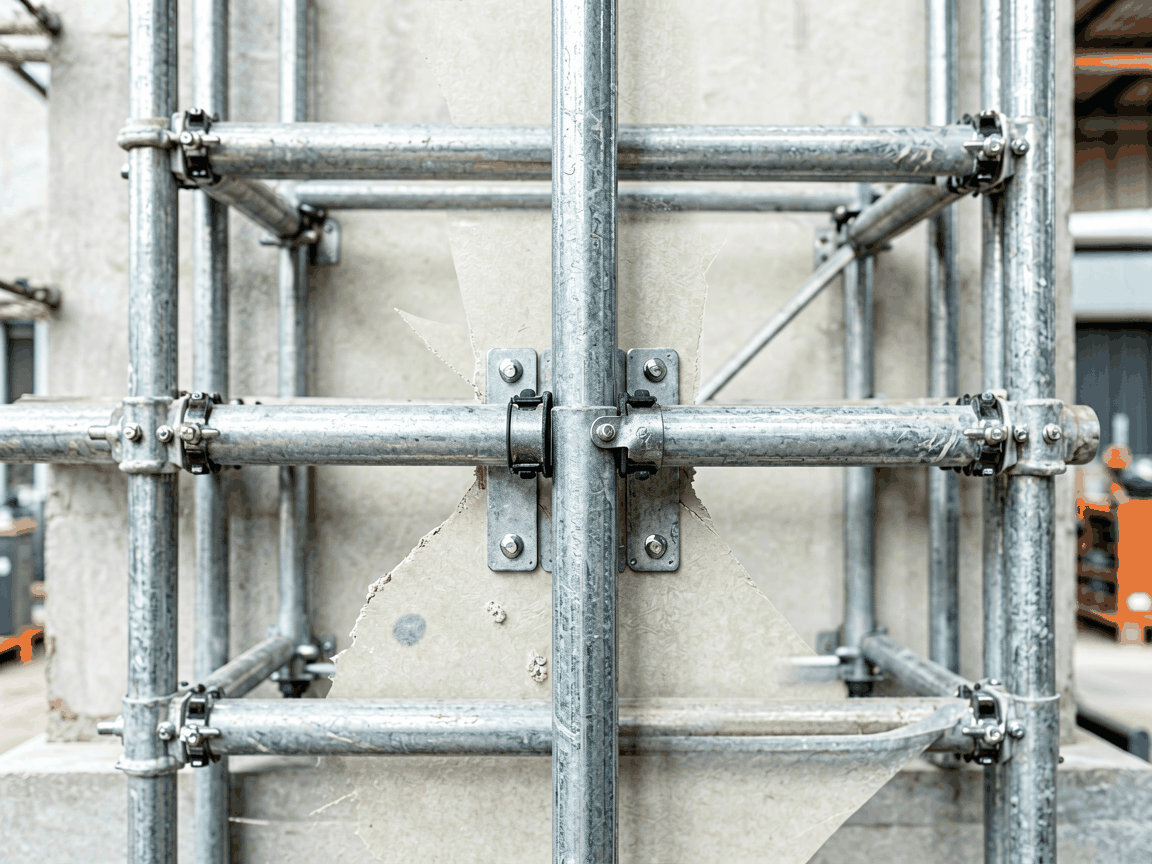
Anchor nuts are integral to tie rod systems that resist lateral forces in temporary and permanent structures. In concrete formwork, they secure walers and strongbacks against hydraulic pressure during pouring, where dynamic loads require reliable pretension maintenance. For façade retention, anchor nuts connect tension rods to backup walls, accommodating thermal movement while preventing outward collapse of masonry veneer. In seismic retrofitting, they enable post-installed tensile ties that upgrade wall diaphragm coupling without major demolition. Temporary shoring systems use them in soldier pile and lagging walls, where adjustability and reusability are critical. Industrial applications include securing crane rails, supporting conveyor tensioners, and anchoring machinery foundations where vibration and cyclic loading demand corrosion-resistant, high-fatigue-life fasteners.
Standard configurations cover most common scenarios, but project-specific requirements often necessitate modifications. Flange geometry can be altered—square, rectangular, or rounded—to match access constraints or substrate interface details. Thread length, nut height, and wall thickness are adjustable within material strength limits. For embedded installations, nuts can be supplied with shear lugs, anti-rotation keys, or pre-welded studs to simplify positioning. Coating systems beyond zinc or HDG—such as zinc-nickel, epoxy duplex, or PTFE-impregnated layers—are available for aggressive chemical or cryogenic environments. Technical support includes load calculation assistance, embedment detail review, and sample provision for installation trials. Minimum order quantities for custom parts typically start at 50 units, with lead times of 3–4 weeks after drawing approval.
For technical inquiries, custom specifications, or quotation requests regarding anchor nuts for tie rod applications, please contact our engineering team. Provide details on tie rod size, load requirements, environmental exposure, and installation method to receive accurate recommendations and lead times.
Request Quotation or Technical Support