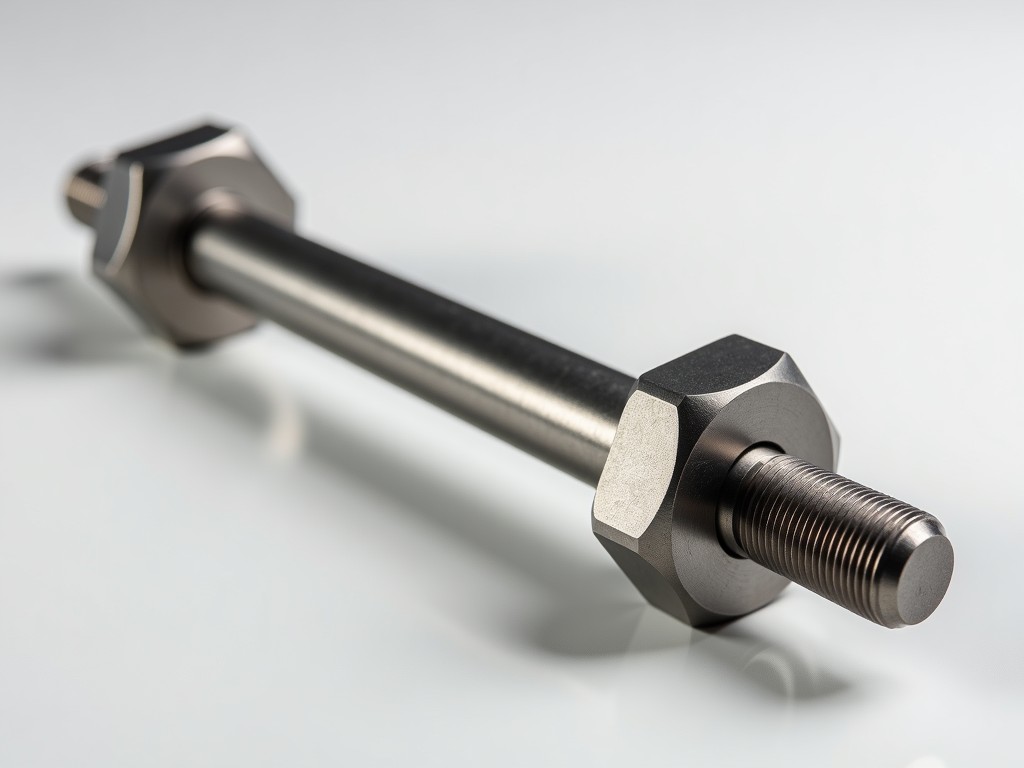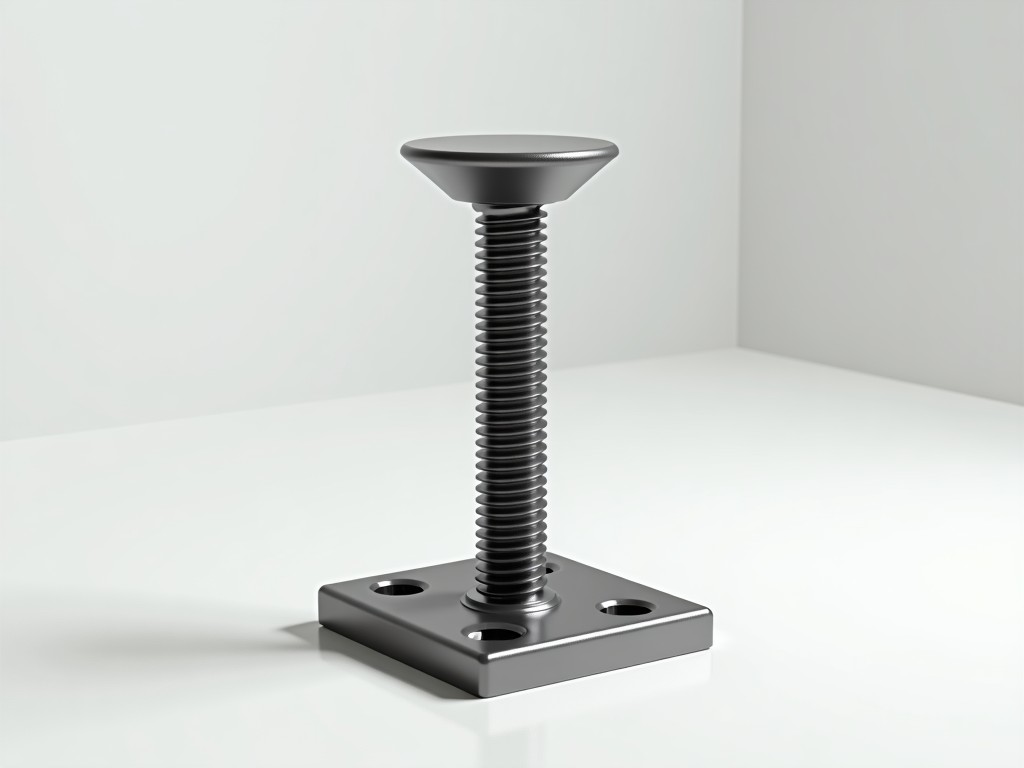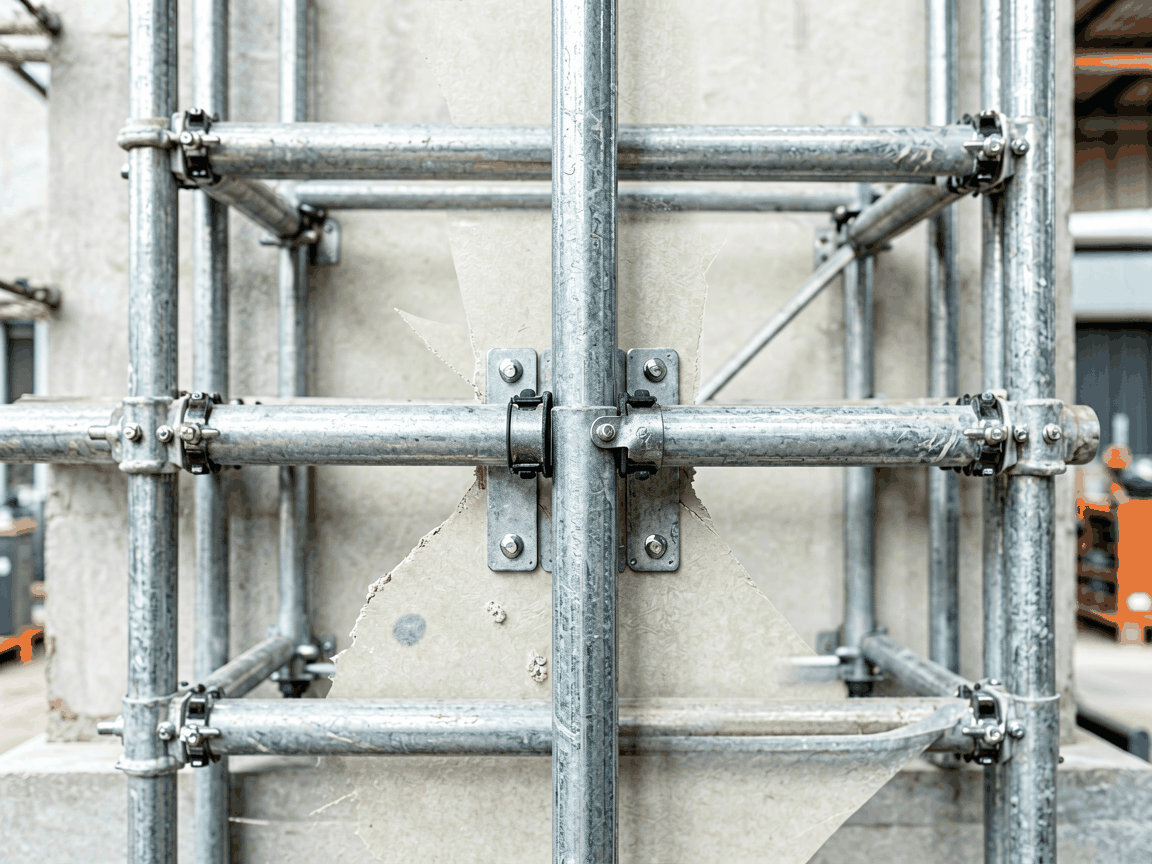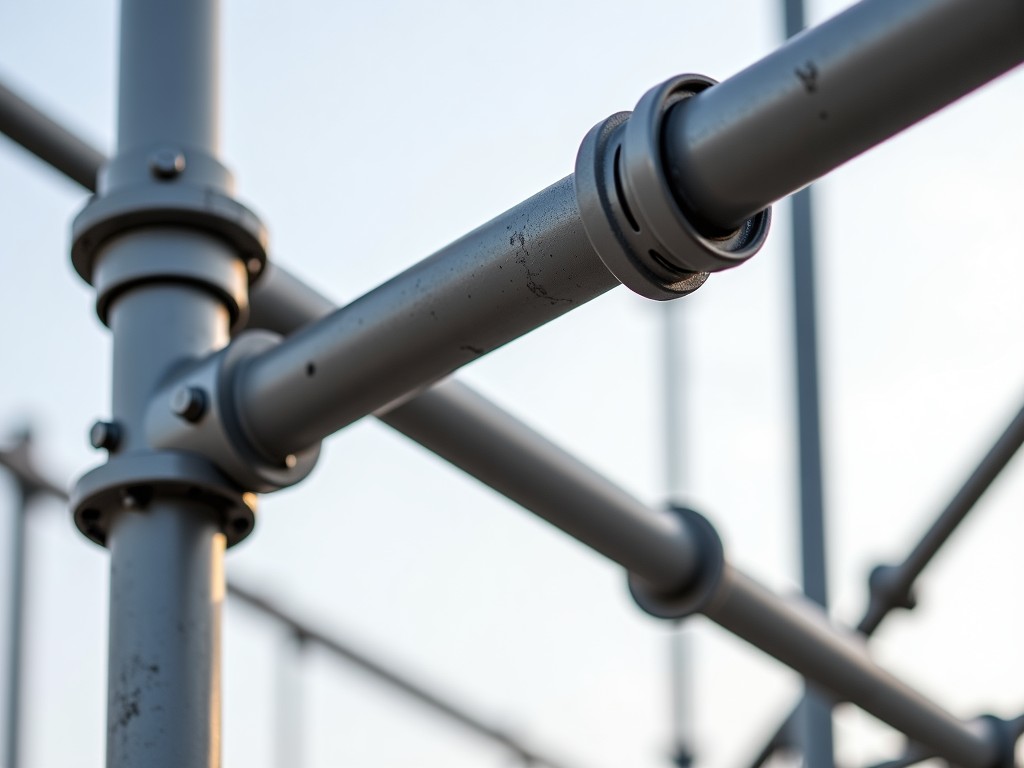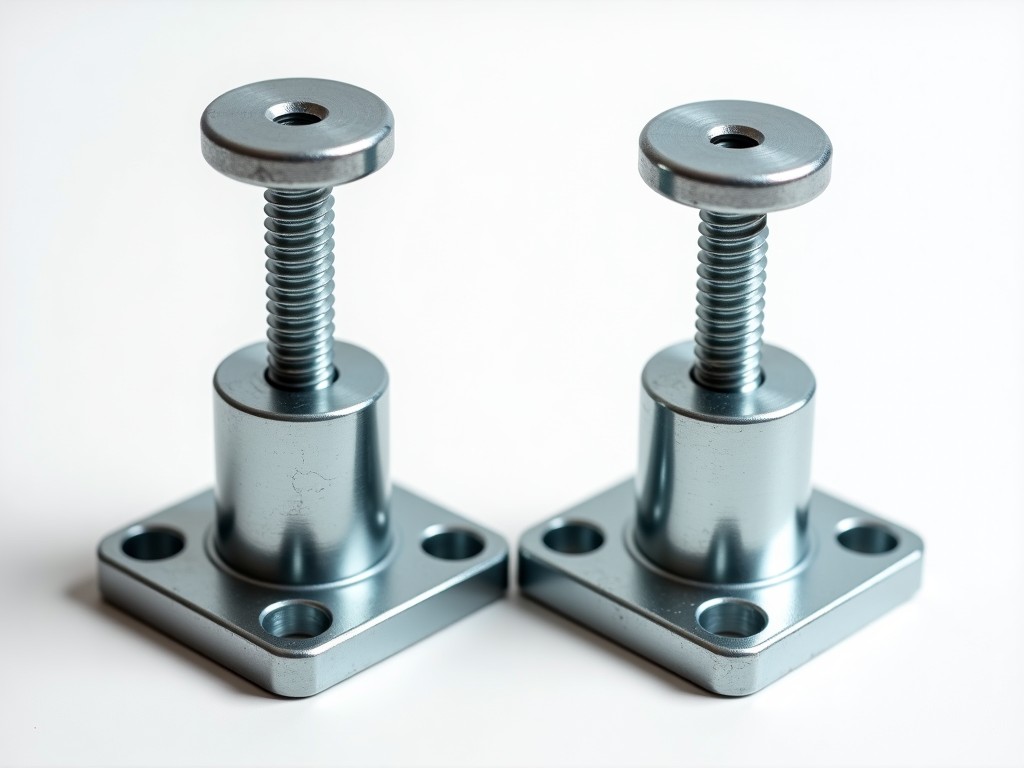
Building screw jacks for scaffolding are mechanical height-adjustment devices designed to compensate for uneven ground, maintain platform levelness, and support structural loads in temporary work platforms. Unlike fixed-base scaffolding components, screw jacks provide micro-adjustment capability—typically ranging from 150 mm to 300 mm of vertical travel—allowing precise alignment under variable site conditions. Their primary function is to transfer vertical loads from the scaffold standard (upright) to the foundation while enabling controlled elevation or depression of the supported structure.
The load-bearing capacity of a building screw jack is determined by the cross-sectional area of the main spindle, the thread geometry, and the material yield strength. Standard models for scaffolding applications typically support working loads between 20 kN and 50 kN (approximately 2 to 5 tonnes), with ultimate failure loads engineered to exceed 4 times the working load for safety compliance. The spindle is usually manufactured from cold-drawn steel bar (e.g., C45 or equivalent) with acme or trapezoidal threads rolled to improve fatigue resistance and load distribution. The base plate and top cup are forged or pressed from structural steel to resist deformation under eccentric loading.
Height adjustment is achieved by rotating the spindle via a handle inserted into a socket at the top or by using a wrench on a hexagon head at the base. The thread pitch—commonly 4 mm, 5 mm, or 6 mm—directly influences both the speed of adjustment and the mechanical advantage. A finer pitch increases resistance to back-driving under load but requires more rotations for equivalent travel; a coarser pitch allows faster adjustment but may necessitate a locking mechanism to prevent unintended movement under vibration. Most scaffolding screw jacks incorporate a captive handle or pin system to prevent detachment during use.
Material choice affects both mechanical performance and service life in harsh environments. The spindle and load-bearing components are typically made from carbon steel with a minimum tensile strength of 500 MPa. For exterior or long-term use, hot-dip galvanizing (per ISO 1461) is the standard corrosion protection method, providing a zinc coating thickness of 55–85 µm. In environments with high chloride exposure (e.g., coastal areas), additional protective systems such as duplex coatings (galvanized plus epoxy) or stainless steel spindles (e.g., AISI 304) may be specified, though these increase cost and are less common in rental fleets due to theft risk.
The base plate distributes the load over a larger area to prevent soil settlement or damage to underlying surfaces. Typical base dimensions range from 120 mm × 120 mm to 150 mm × 150 mm, with thickness between 6 mm and 10 mm. Some models feature a ribbed or corrugated base to enhance stiffness without adding significant weight. The top cup is designed to securely receive the scaffold standard, often incorporating a vertical lip or U-shaped cradle to resist lateral displacement. Compatibility with standard scaffold tube diameters (48.3 mm OD) is essential, and the top interface must maintain concentric alignment under load to avoid bending stresses in the standard.
| Adjustment Range | Typical Use Case | Advantage | Limitation |
|---|---|---|---|
| 150 mm | Indoor renovation, flat concrete floors | Compact profile, lower cost | Limited adaptability to slopes |
| 200 mm | General construction, mixed terrain | Balanced versatility and cost | May require supplementary shims on steep grades |
| 250–300 mm | Demolition, uneven ground, retrofitting | Maximum adaptability to severe gradients | Increased buckling risk at full extension; requires bracing |
Proper installation begins with placing the screw jack on a competent, level-capable surface—such as timber sole plates, steel spreaders, or compacted aggregate—to prevent localized sinking. The spindle must be engaged with sufficient thread overlap (minimum 1.5 times the thread diameter) to avoid stripping under load. After initial positioning, the jack should be loaded incrementally while monitoring for tilt or lateral movement. Load testing is not typically performed per unit in rental operations, but visual inspection for thread damage, bending, or corrosion is mandatory before each deployment. Any signs of galling, cracked welds, or deformed base plates warrant removal from service.
Maintenance focuses on preserving thread integrity and corrosion protection. Threads should be cleaned of debris and lubricated periodically with a dry-film lubricant or light grease to reduce wear and prevent seizing—especially important in environments with dust, sand, or moisture. Galvanized coatings should be inspected for white rust or mechanical damage; touch-up with zinc-rich paint is acceptable for minor defects. Spindles showing signs of galling, pitting, or excessive wear must be replaced, as compromised thread geometry reduces load capacity and increases the risk of sudden failure. Rental companies typically retire screw jacks after 5–7 years of heavy use or upon failure of periodic inspection criteria.
Building screw jacks are not merely adjustable bases—they are load-bearing interfaces whose performance directly affects scaffold stability. Selection should be based on verified load ratings, thread quality, and corrosion protection suited to the deployment environment, not on nominal dimensions alone.
For technical inquiries, customization requests, or quotation details regarding building screw jacks for scaffolding applications, please contact our engineering team.
Request Technical Specification