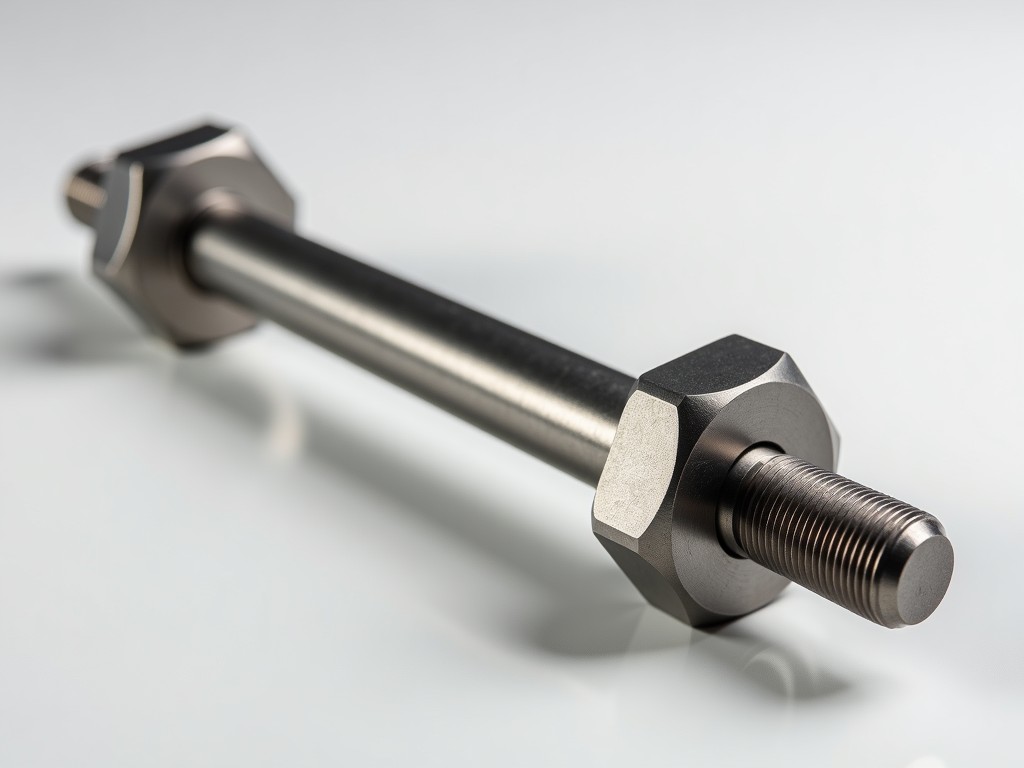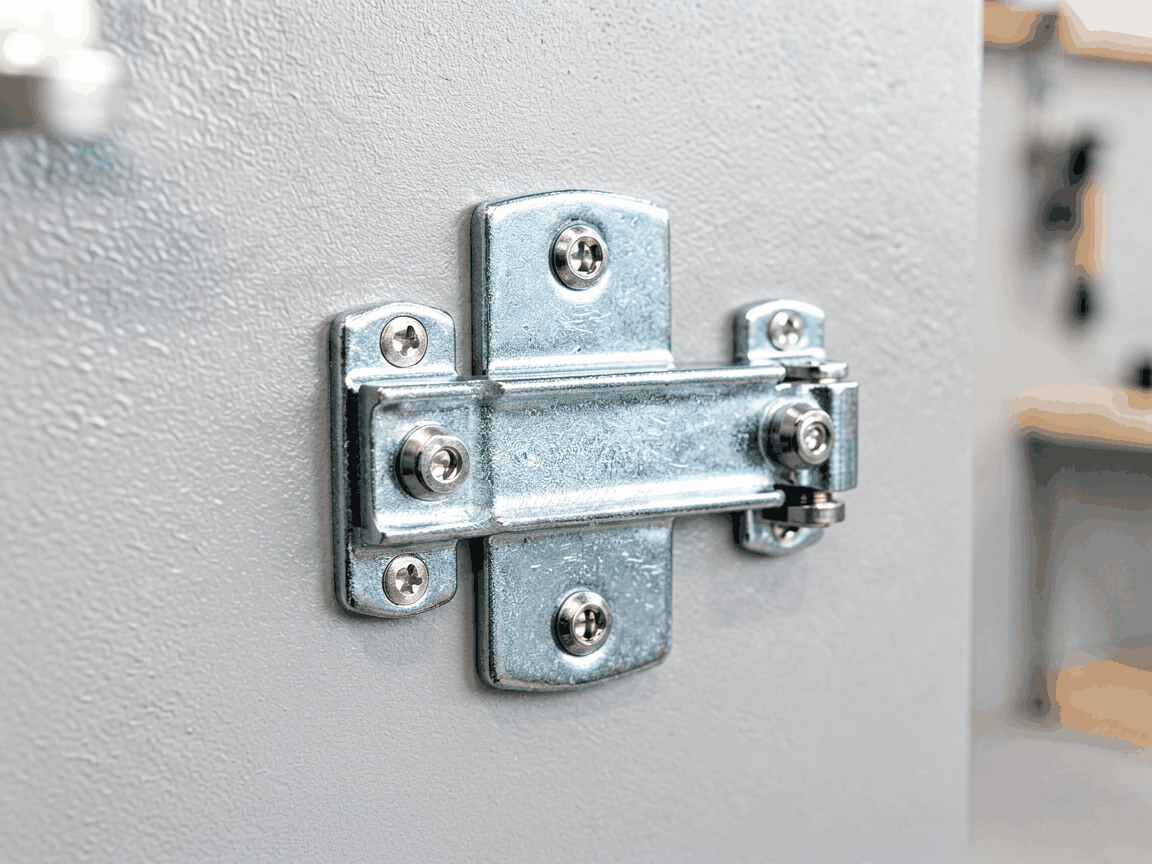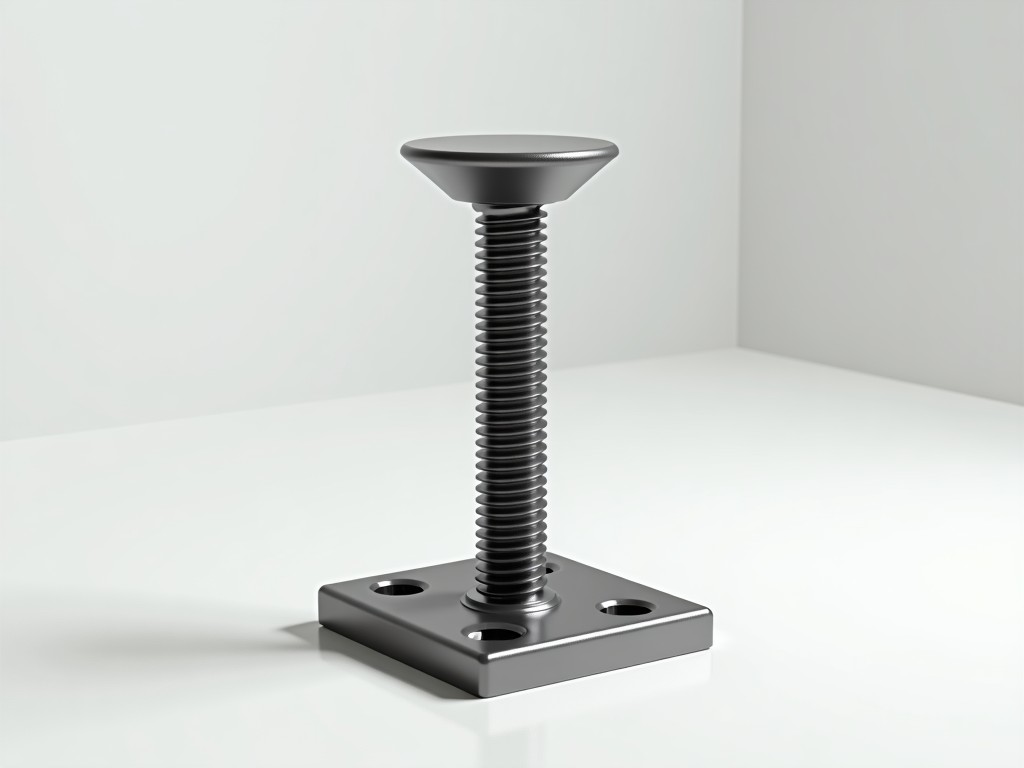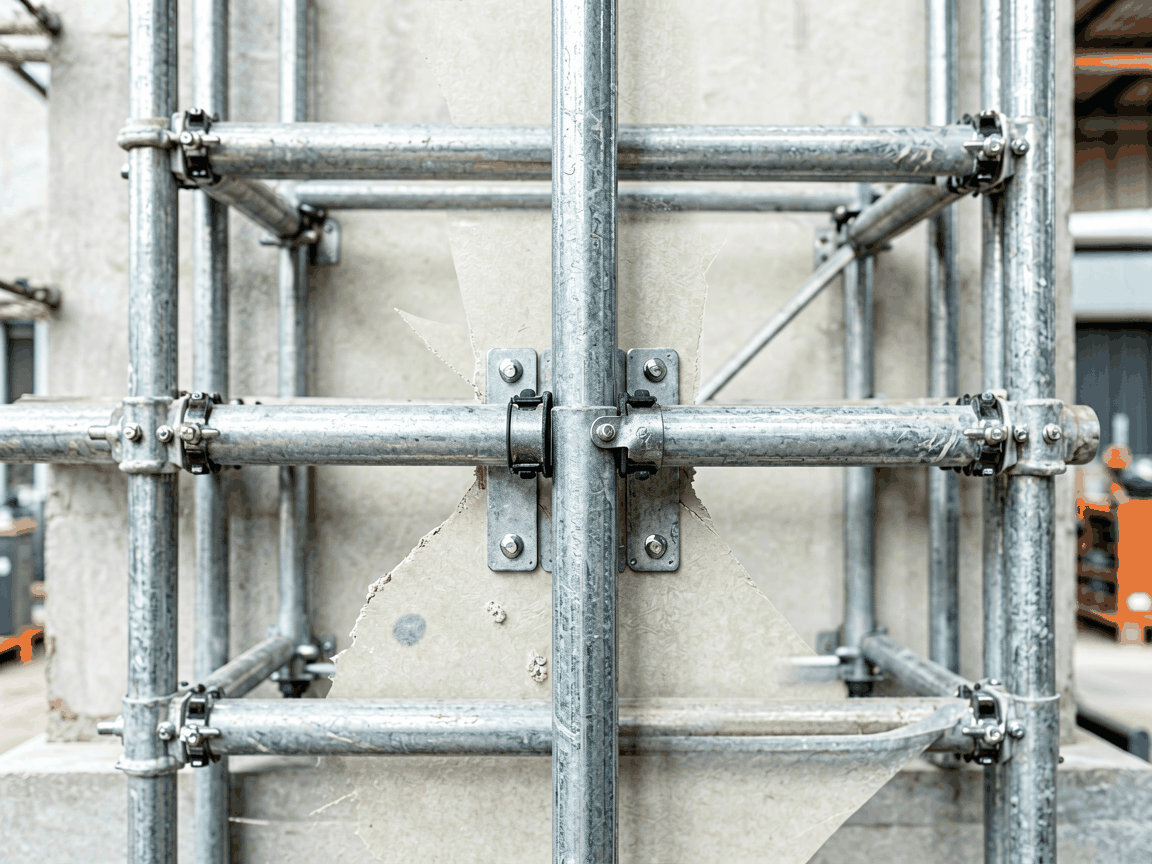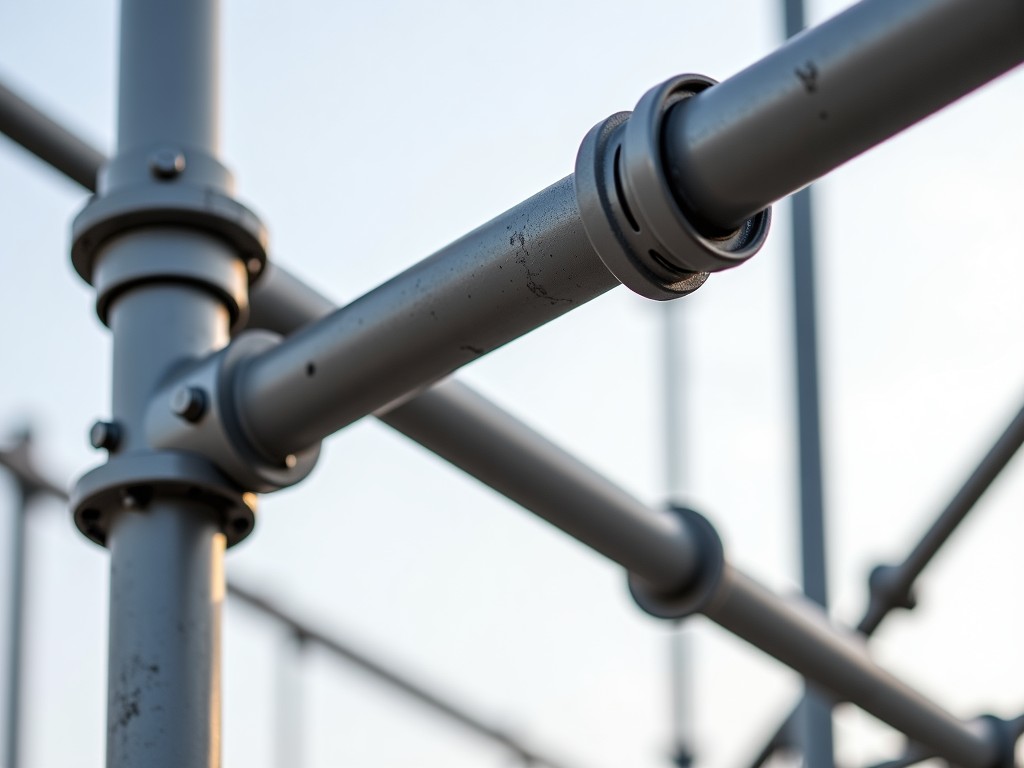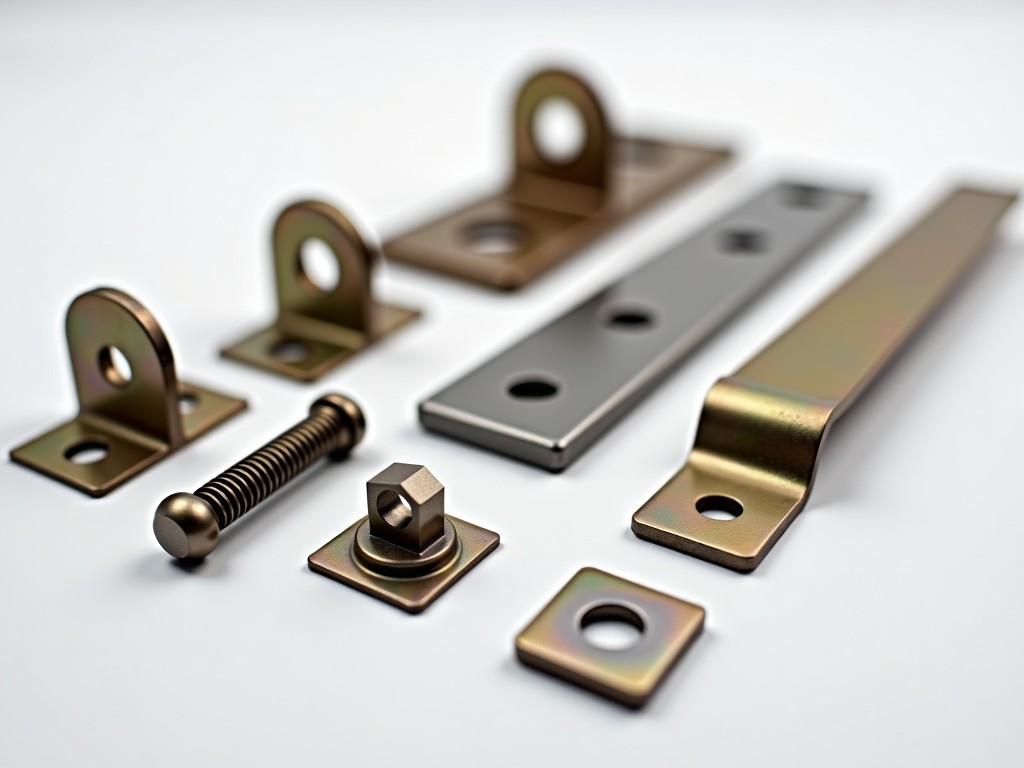
Scaffolding board brackets are mechanical fastening devices designed to secure planks or decking to scaffold frames, preventing lateral displacement and ensuring worker safety during elevated work. These components transfer live and dead loads from the working surface into the scaffold structure while accommodating minor dimensional variations in board thickness and frame geometry. Proper bracket selection directly influences system rigidity, load distribution efficiency, and compliance with regional safety standards such as EN 12811 or OSHA 1926 Subpart L.
Unlike makeshift fastening methods, engineered brackets provide predictable slip resistance through defined contact surfaces and clamping mechanisms. Their geometry determines load path efficiency, influencing how forces are transferred from the board to vertical standards and ledgers. Material choice affects corrosion resistance in outdoor environments, while dimensional tolerances impact installation speed and reusability across multiple project cycles.
The primary function of a scaffolding board bracket is to resist uplift and lateral forces acting on the decking system. Uplift resistance depends on the bracket’s ability to create downward clamping force through mechanical interlock or friction, typically achieved via a hooked or cam-action design that engages the scaffold ledger. Lateral restraint is provided by vertical flanges or tabs that abut the board edges, preventing sideways movement under wind or dynamic loads.
Load capacity is not solely a function of material strength but also of contact area and load distribution. Brackets with wider bearing surfaces reduce point loading on both the board and scaffold frame, minimizing deformation and prolonging service life. Effective designs incorporate radiused corners to avoid stress concentrations and prevent damage to softwood or composite boards during installation and removal.
Compatibility with standard scaffold tube diameters (typically 48.3mm OD) is critical for interchangeability. Brackets must maintain consistent engagement depth across manufacturing tolerances to ensure reliable performance when mixed with components from different suppliers. This requires precise control over internal dimensions of the clamping mechanism, often achieved through cold forming or precision machining processes.
Structural steel grades such as S235JR or S355JR are commonly used due to their yield strength, weldability, and cost-effectiveness in high-volume production. These materials provide sufficient tensile strength to withstand repeated load cycles without permanent deformation, provided the design avoids sharp notches or excessive cold working. For environments with high chloride exposure, such as coastal construction or industrial zones, hot-dip galvanizing per EN ISO 1461 is typically applied to achieve a minimum zinc coating thickness of 55μm.
Alternative materials include pre-galvanized steel for moderate corrosion resistance or stainless steel (grades 304 or 316) for applications requiring minimal maintenance over extended service life, such as in chemical plants or food processing facilities. Stainless steel eliminates the need for protective coatings but increases material cost significantly, making it suitable only when lifecycle cost analysis justifies the premium.
Surface preparation before coating is essential for adhesion and longevity. Blast cleaning to Sa 2.5 standard removes mill scale and contaminants, ensuring uniform zinc deposition. Post-galvanizing inspection includes coating thickness measurement via magnetic induction and visual assessment for runs, drips, or uncoated areas, particularly at bends and threaded sections where coating thickness may vary.
Design load ratings are established through static testing per EN 12811-1, where brackets are subjected to incremental upward and lateral forces until deformation or slip occurs. The safe working load (SWL) is typically derived by applying a factor of safety—commonly 1.6 for uplift and 1.5 for lateral loads—to the average failure load obtained from multiple test specimens. This accounts for material variability, manufacturing tolerances, and dynamic effects not captured in static tests.
Test configurations replicate real-world conditions: boards are placed between scaffold standards at specified spans (e.g., 1.5m or 2.0m), and loads are applied via hydraulic actuators at midspan to simulate worst-case bending moments. Displacement is measured using linear variable differential transformers (LVDTs) to detect slip initiation before visible deformation. Results inform both the rated capacity and recommended maximum board thickness for safe use.
Cyclic load testing evaluates fatigue resistance, simulating repeated loading and unloading over thousands of cycles to identify potential failure modes such as weld cracking or bolt loosening. While not always required for certification, such data is valuable for rental companies or long-term projects where equipment undergoes frequent assembly and disassembly. Manufacturers may provide S-N curves upon request for critical applications.
Brackets must accommodate variations in board thickness without compromising clamping force. Standard softwood scaffolding boards range from 38mm to 50mm nominal thickness, though actual dimensions vary due to moisture content and surfacing. Effective designs incorporate adjustable elements—such as sliding claws, toggle mechanisms, or threaded adjusters—that maintain consistent pressure across the tolerance stack-up.
Fixed-dimension brackets are simpler and less prone to misadjustment but require precise matching to board thickness, increasing inventory complexity for contractors using multiple board types. Adjustable brackets reduce SKU proliferation but introduce moving parts that may seize if not maintained, particularly in dirty or corrosive environments. The choice depends on project uniformity and maintenance capability.
Compatibility with scaffold frame geometry is equally important. Brackets designed for standard 48.3mm tube may not engage properly with ovalized or damaged legs, or with proprietary systems using non-standard diameters. Some manufacturers offer interchangeable inserts or adjustable jaws to accommodate tube ovality up to 2mm, enhancing usability in mixed fleets or refurbished equipment.
In facade renovation projects, scaffolding board brackets enable rapid deck installation on suspended or cantilevered systems where traditional toe-board fixings are impractical. Their quick-release nature allows workers to reposition boards to follow complex geometries, such as curved balconies or ornate cornices, without compromising edge protection. This adaptability reduces labor time compared to screw-fixed alternatives, which require drilling and plugging into historic masonry.
For industrial maintenance turnarounds in refineries or power plants, brackets support fire-retardant-treated or composite boards that resist spark ignition and chemical spills. The non-penetrating nature of clamp-style brackets preserves the integrity of specialized decking, avoiding moisture ingress points that could accelerate degradation. Combined with anti-static dissipative coatings on the bracket itself, they contribute to hazardous area compliance.
In shoring and formwork applications, brackets secure timber or engineered wood decks supporting wet concrete loads, where deflection control is critical. High-stiffness designs minimize deck sag between supports, reducing the risk of uneven slab thickness or surface imperfections. Some configurations integrate with adjustable steel props to create modular flying systems that can be reused across multiple pour cycles with minimal rework.
Dimensional verification occurs at multiple stages: raw material inspection confirms tube or plate thickness; in-process checks validate critical dimensions such as claw opening and flange height; final inspection includes functional testing on sample assemblies to ensure proper board retention. Coordinate measuring machines (CMMs) or calibrated gauges are used for features affecting load path, while go/no-go gauges suffice for clearance dimensions.
Mechanical properties are validated through tensile testing of material samples taken from each production batch, ensuring yield and tensile strength meet specification. Welded brackets undergo non-destructive testing—typically magnetic particle inspection (MT) or dye penetrant (PT)—to detect surface-breaking flaws that could propagate under cyclic loading. Frequency follows industry standards, often 100% for critical welds or statistical sampling for non-structural features.
Traceability is maintained through batch or lot numbers stamped or laser-etched onto each bracket, linking to material certificates, test reports, and production records. This enables rapid field investigation in the unlikely event of a failure, supporting root cause analysis and corrective action. For regulated industries, documentation may be retained for 10 years or more to satisfy liability and audit requirements.
| Type | Clamping Mechanism | Adjustability | Typical Use Case |
|---|---|---|---|
| Fixed Hook | Rigid hook over ledger | None | Uniform board thickness, high-repetition projects |
| Sliding Cam | Cam lever adjusts pressure | Yes (thickness) | Mixed board types, rental inventories |
| Toggle Clamp | Over-center locking action | Limited | Quick erection/dismantling, confined spaces |
| Threaded Adjuster | Bolt and nut tightening | Yes (precise) | Precision formwork, temporary bridges |
Note: Adjustability refers to compensation for board thickness variations. All types require compatibility with standard 48.3mm scaffold tube unless otherwise specified.
Correct installation begins with verifying bracket orientation—most designs are asymmetric and must be installed with the load-bearing surface facing upward to engage the board properly. Reverse installation can reduce clamping force by up to 60% and may allow sudden disengagement under load. Visual indicators such as stamped arrows or machined features help prevent errors during rapid assembly.
Boards should be seated fully against the scaffold ledger before applying clamping force to avoid tilting or uneven loading. Partial engagement creates eccentric loads that can deform the bracket or damage the board edge. A tactile check—confirming no gap between board and ledger—is recommended before final tightening, particularly with adjustable types where over-tightening can crush softwood or strip threads.
Maintenance involves periodic inspection for deformation, corrosion, or wear on moving parts. Hooks should be checked for opening widening, which reduces effective engagement depth. Adjustable components benefit from light lubrication with dry-film lubricants to prevent seizing without attracting debris. Any bracket showing cracks, permanent bending, or excessive wear must be removed from service immediately, regardless of apparent functionality.
For technical inquiries, customization requests, or to discuss project-specific requirements for scaffolding board brackets, please contact our engineering team.
Request Technical Specification