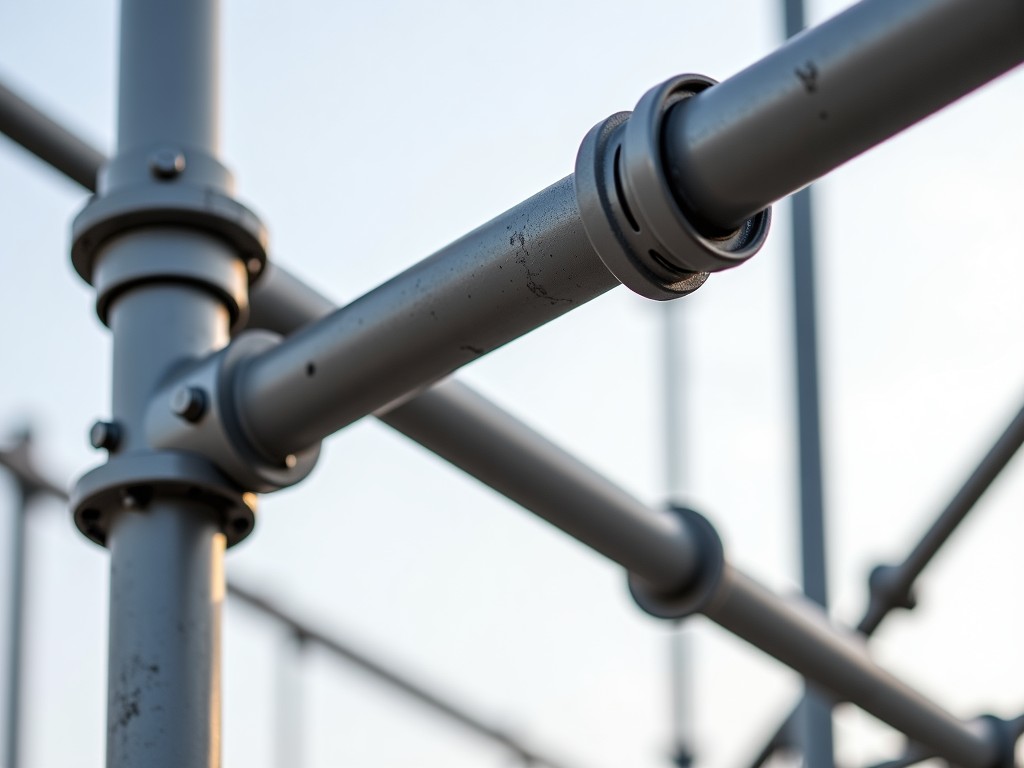
Scaffolding systems require secure, repeatable connections between vertical standards and horizontal ledgers or transoms. A box clamp provides a mechanical locking mechanism that resists both axial and lateral loads under dynamic site conditions. Its design ensures alignment accuracy while allowing rapid assembly and disassembly without specialized tools.
Unlike wedge or swivel clamps, box clamps fully encapsulate the scaffold tube, distributing clamping force over a larger surface area. This reduces point loading and minimizes tube deformation, particularly important when using thinner-walled or galvanized steel tubes common in modular systems.
The clamp body is typically forged or cast from high-strength steel, engineered to maintain structural integrity under repeated load cycles. Internal jaws are machined to precise tolerances to ensure consistent grip across tube diameters ranging from 48.3mm to 50.8mm, accommodating both imperial and metric scaffold tube standards.
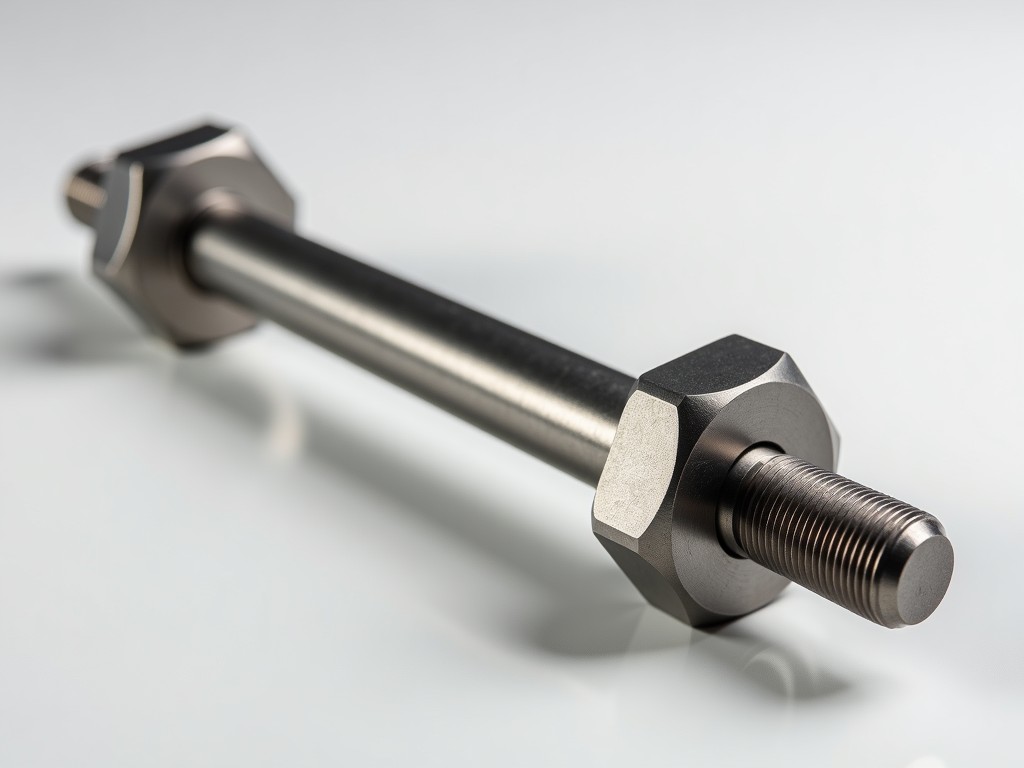
The clamp consists of two hinged halves that close around the scaffold tube, secured by a threaded bolt and nut assembly. Tightening the bolt applies uniform pressure through internal serrated jaws, preventing slippage under tensile, compressive, or shear loads.
Internal jaw surfaces feature hardened teeth or grooves that penetrate surface oxidation or light corrosion on the tube, maintaining electrical and mechanical continuity. This is critical in environments where scaffold integrity must resist wind, vibration, or accidental impact.
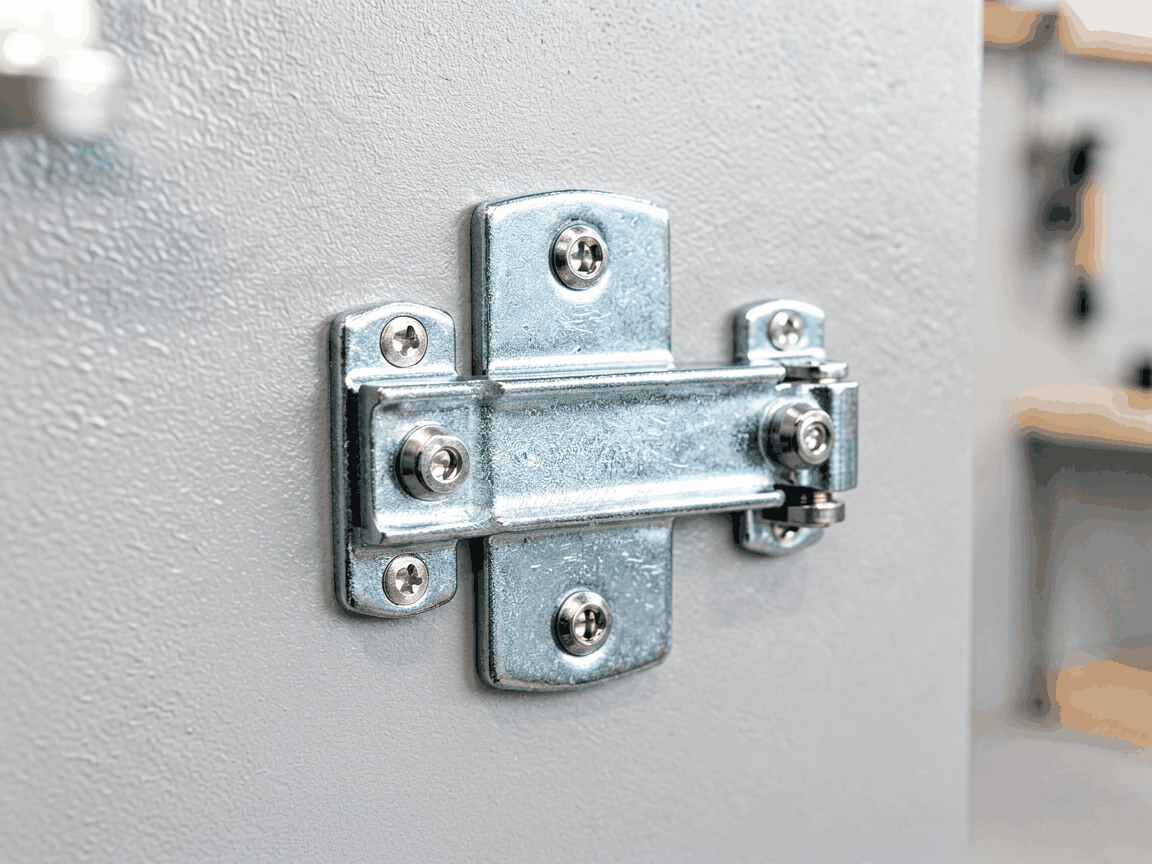
A safety pin or spring-loaded latch prevents accidental opening during handling or use. This feature reduces the risk of clamp disengagement during erection, alteration, or dismantling phases—common points of failure in scaffold-related incidents.
Box clamps are manufactured from either drop-forged carbon steel or ductile iron, depending on load requirements and environmental exposure. Forged versions offer superior toughness and fatigue resistance, suitable for high-cycle applications in construction and industrial maintenance.
Surface treatments include hot-dip galvanizing per ISO 1461 or electroplating with zinc-nickel alloys for enhanced corrosion resistance in coastal or humid climates. Coating thickness typically ranges from 55 to 85 microns, providing protection equivalent to the scaffold tube itself.
Internal components such as bolts and nuts are made from grade 8.8 or 10.9 steel, with thread forms resistant to stripping under torque. Nuts often incorporate nylon inserts or prevailing torque designs to resist vibration loosening without requiring lock washers.
Typical safe working load (SWL) for a standard box clamp ranges from 2.2 kN to 3.0 kN per clamp when tested according to EN 74 or ANSI/SSFI SC-100/5-2004 standards. This capacity assumes proper installation torque, clean mating surfaces, and undamaged components.
Ultimate tensile strength typically exceeds 6.5 kN, providing a minimum safety factor of 3:1 under static load conditions. Fatigue testing shows acceptable performance over 20,000 load cycles at 60% of SWL when manufactured to specified material and heat treatment standards.
Torque requirements for the clamping bolt generally fall between 40 and 60 Nm. Exceeding this range risks thread damage or tube ovalization, while insufficient torque compromises clamping force. Calibrated torque wrenches are recommended for consistent installation.
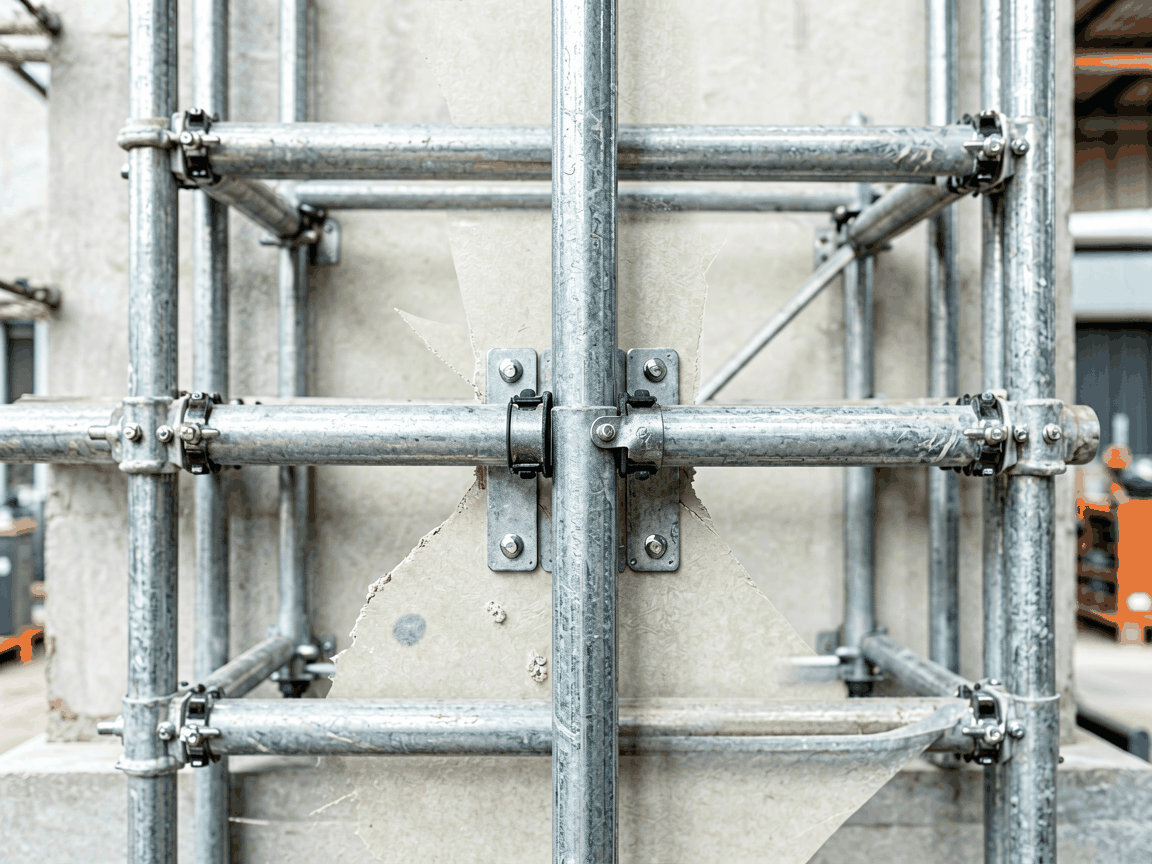
Box clamps are primarily used to connect horizontal ledgers or transoms to vertical standards in tube-and-coupler scaffolding. Their 90-degree fixed angle ensures accurate alignment of scaffold bays, critical for maintaining platform levelness and guardrail height compliance.
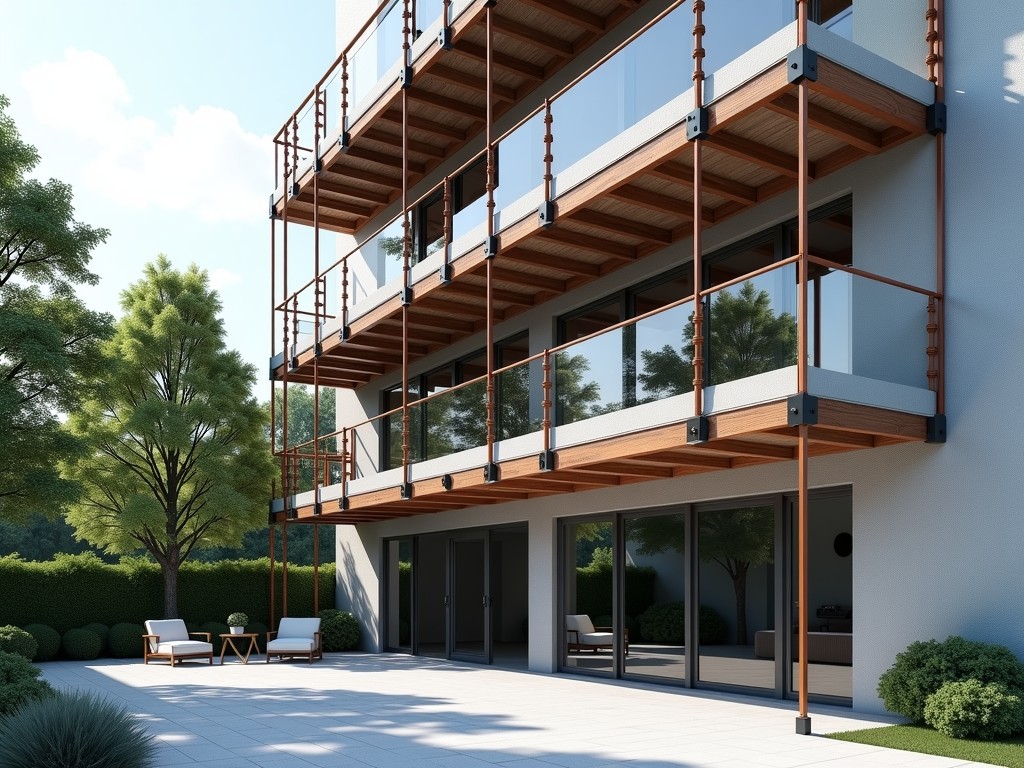
They are also employed in scaffold towers, birdcage scaffolds, and temporary support structures where rigid, non-slip connections are required. In shoring and formwork applications, box clamps secure longitudinal and transverse members under concrete pour loads.
Compared to swivel clamps, box clamps offer superior rigidity in load-bearing joints, making them preferable for longitudinal bracing and facade support. Their fixed geometry eliminates angular play, reducing sway in tall or exposed scaffold structures.
Each batch undergoes dimensional inspection of jaw opening, bolt thread engagement, and hinge pin fit. Go/no-go gauges verify internal dimensions against scaffold tube tolerances to ensure consistent fit across production lots.
Material traceability is maintained from raw material to finished product, with mill certificates available for forged bodies and heat treatment records for critical components. Hardness testing of jaw surfaces confirms resistance to abrasion and indentation.
Load testing is performed on a sampling basis using calibrated hydraulic presses. Results are recorded and compared against batch specifications. Non-conforming units are segregated and investigated for root cause in material, machining, or heat treatment processes.
| Feature | Box Clamp | Swivel Clamp | Wedge Clamp |
|---|---|---|---|
| Connection Angle | Fixed 90° | Adjustable 0–360° | Fixed 90° |
| Load Resistance | High (axial, lateral, shear) | Moderate (reduced under off-axis load) | Moderate (dependent on wedge fit) |
| Tube Deformation Risk | Low (distributed clamping) | Low | Moderate (point loading) |
| Adjustability | None | Full rotational | None |
| Typical Use Case | Ledger-to-standard, bracing | Angled braces, irregular joints | Light-duty, temporary ties |
Standard box clamps are available for 48.3mm and 50.8mm outer diameter tubes. Custom sizes for 42mm, 60.3mm, or square sections can be produced upon request, subject to minimum order quantities and tooling availability.
Bolt length, thread type (metric or imperial), and nut configuration can be adjusted to match specific scaffolding systems or regional standards. Alternative coatings such as sherardizing or duplex systems are available for aggressive environments.
Order quantities typically start at 100 units for stock sizes. Custom variants require technical consultation to confirm dimensions, load requirements, and certification needs. Lead times range from 2–4 weeks for standard items and 6–8 weeks for custom orders.
For technical datasheets, load test reports, or to discuss project-specific requirements, contact our engineering team.
Request Information