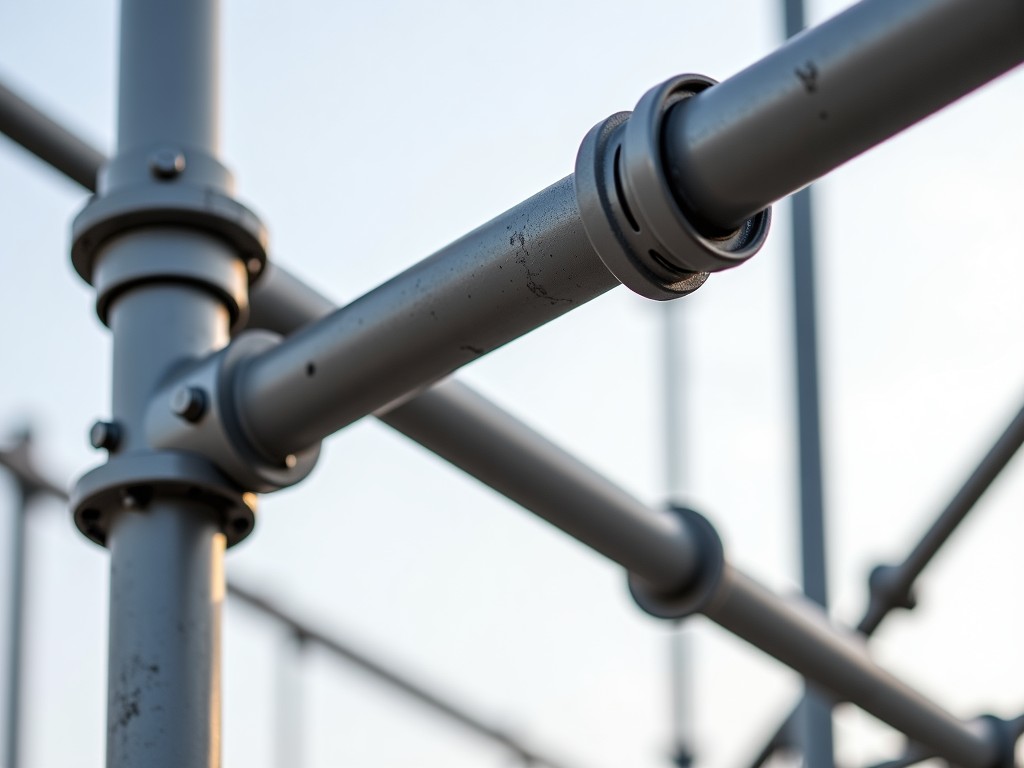
A base jack for shuttering factory is a load-bearing support component designed to provide adjustable vertical alignment in concrete formwork systems. It transfers construction loads from formwork panels or beams to the ground or slab while allowing precise height control to maintain formwork accuracy during concrete pouring and curing.
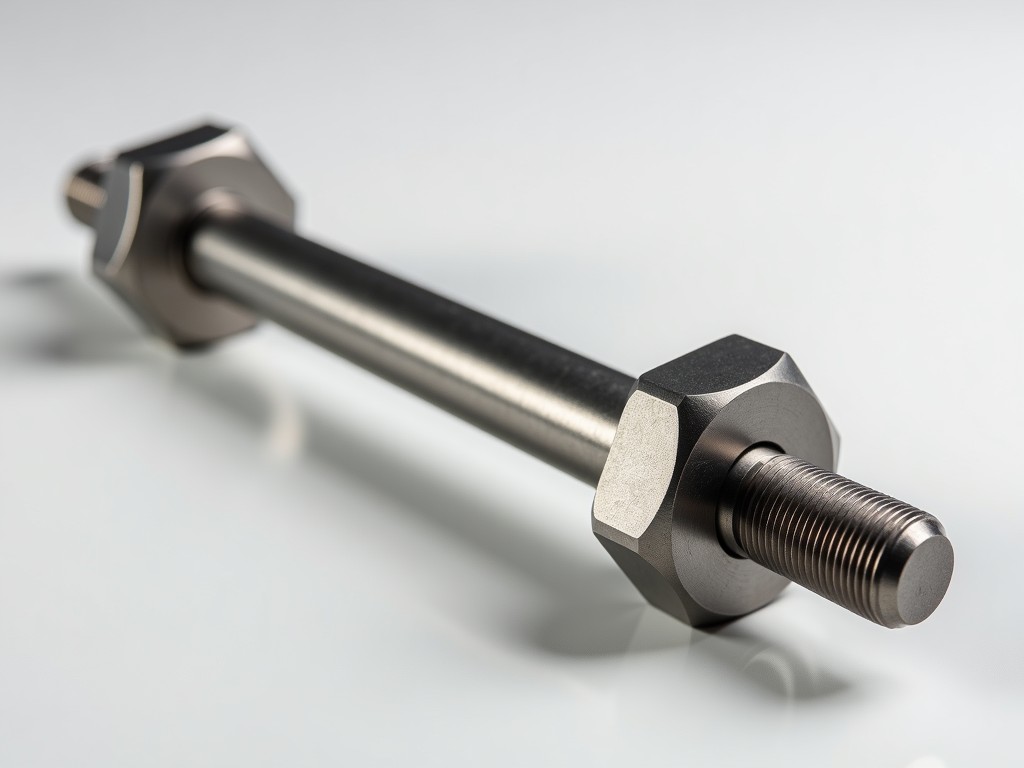
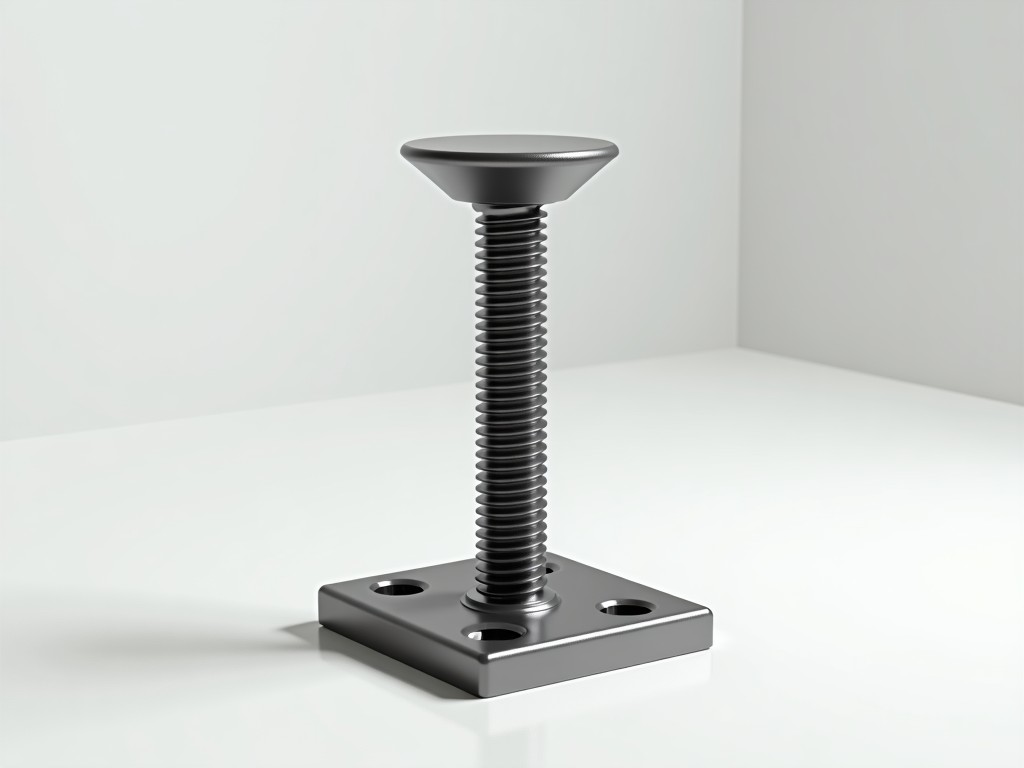
The base jack consists of a threaded steel stem, a base plate, and an adjustable nut or handle. When installed, the base plate distributes the jack’s load over a sufficient area to prevent soil settlement or slab damage. The threaded stem allows vertical adjustment, typically via a forged nut or swivel handle, enabling contractors to level formwork within millimeter tolerances. Load is transferred vertically from the formwork head, through the stem, to the nut, and finally to the base plate.
Base jacks are typically manufactured from structural steel grades such as Q235 or S235JR for the stem and base plate, chosen for their yield strength (approximately 235 MPa) and ductility under cyclic loading. The threaded portion is often cold-rolled or machined to ensure accurate thread engagement and resistance to stripping under load. Base plates are commonly forged or stamped from steel sheet with a minimum thickness of 6 mm to resist bending under eccentric loads. Surface treatment includes hot-dip galvanizing (typically 60–80 μm zinc coating) to resist corrosion in wet concrete environments.
Standard adjustment ranges for base jacks used in shuttering factories span from 300 mm to 600 mm of usable thread length, depending on model. This range accommodates varying slab thicknesses, beam depths, and uneven substrates. The mechanical advantage is derived from the thread pitch—commonly 5 mm or 6 mm per revolution—allowing precise height control with manual operation. A typical handle length of 200–250 mm provides sufficient torque to adjust under load without requiring power tools.
Load capacity is determined by the stem’s cross-sectional area, material yield strength, and end restraint conditions. Typical safe working loads (SWL) for industrial base jacks range from 20 kN to 50 kN per unit, based on a safety factor of 3:1 against yield and 4:1 against buckling under eccentric loading. Capacity decreases with increased extension length due to buckling risk; therefore, manufacturers specify derating curves based on extended height. Base plate size (commonly 150×150 mm or 200×200 mm) is selected to limit ground pressure below allowable soil or slab bearing values.
Base jacks interface with shuttering systems via a U-head or fork head that supports timber beams, steel walers, or aluminum formwork girders. The head design must match the formwork component’s dimensions to ensure full bearing and prevent localized stress. Compatibility is verified through dimensional checks of head width, throat depth, and pin hole alignment. In modular shuttering factories, base jacks are often standardized to accept interchangeable heads, allowing reuse across different formwork configurations such as wall, column, or slab systems.
In a shuttering factory setting, base jacks are produced in batches using CNC lathes for thread cutting, hydraulic presses for base plate forming, and automated welding for head attachment if applicable. Thread quality is monitored via go/no-go gauges to ensure proper engagement with adjustment nuts. Galvanizing thickness is verified using magnetic induction probes. Factories implement traceability systems—such as batch numbering or laser marking—to track material origin, heat treatment, and coating quality for each production lot.
Quality control includes dimensional verification of stem diameter, thread pitch, and base plate flatness. Load testing is performed on sample units using hydraulic presses to confirm SWL without permanent deformation. Visual inspection checks for weld integrity (if heads are welded), coating uniformity, and thread damage. Non-destructive methods such as magnetic particle inspection may be applied to high-stress areas like the thread runout or weld toe. Acceptance criteria are based on international standards such as EN 1065 or ISO 12812 for temporary works equipment.
| Parameter | Typical Value | Notes |
|---|---|---|
| Stem Diameter | 32 mm – 38 mm | Depends on load rating |
| Thread Pitch | 5 mm or 6 mm | Affects adjustment precision |
| Adjustment Range | 300 mm – 600 mm | Usable thread length |
| Base Plate Size | 150×150 mm or 200×200 mm | Minimizes ground pressure |
| Safe Working Load | 20 kN – 50 kN | With 3:1 safety factor |
| Surface Treatment | Hot-dip Galvanizing | 60–80 μm coating |
| Material Standard | Q235 / S235JR | Structural steel |
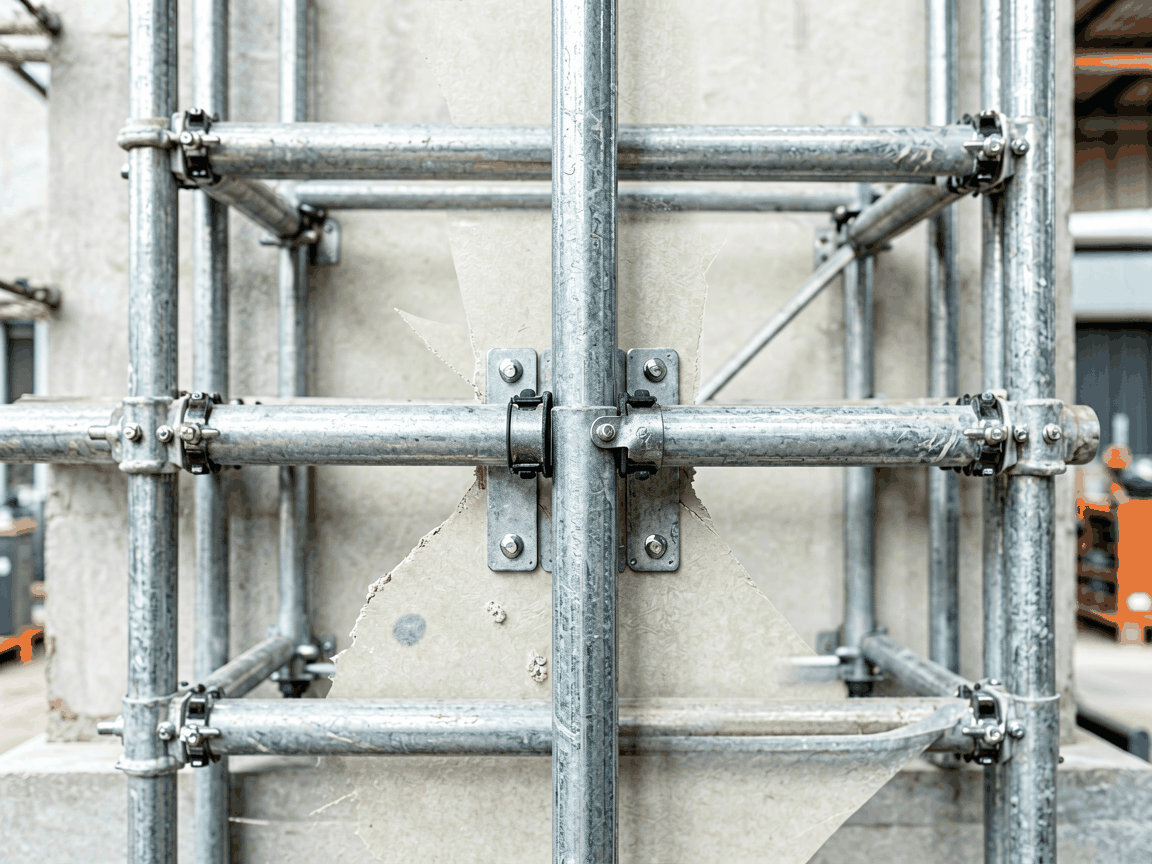
In a shuttering factory, base jacks are used to support formwork systems during the fabrication of precast concrete elements such as wall panels, beams, and slabs. They allow workers to level and align formwork cages accurately before concrete placement, ensuring dimensional accuracy of the final product. Adjustability accommodates variations in foundation height or casting bed profiles. After concrete curing, the jacks are loosened and removed for reuse in the next cycle, contributing to formwork efficiency and reducing setup time between production runs.
Base jacks can be customized to meet specific shuttering factory requirements. Common modifications include alternative base plate shapes (e.g., square with rounded corners for easier handling), extended thread lengths for deeper formwork, or reinforced heads for higher moment loads. Stem material can be upgraded to higher-strength grades like Q345 for increased capacity. Handle types vary—swivel, fixed, or ratchet—based on operator preference and space constraints. Thread direction (left-hand or right-hand) may be specified to prevent accidental adjustment during vibration.
To maximize service life, base jacks should be cleaned of concrete debris after each use to prevent abrasion and corrosion buildup in threads. Threads should be lubricated periodically with water-resistant grease to maintain smooth operation and prevent galling. Inspection before each use should check for bent stems, cracked base plates, or damaged threads. Galvanized coating should be monitored for wear; re-coating may be required after extended use in aggressive environments. Proper storage in dry conditions prevents premature degradation.