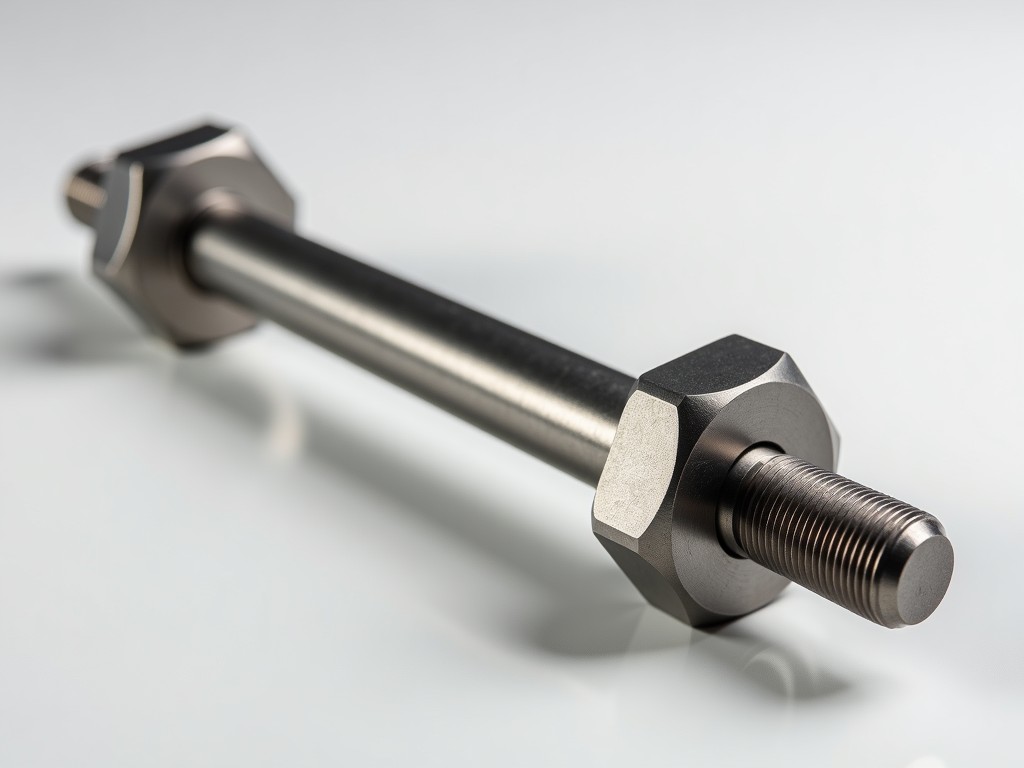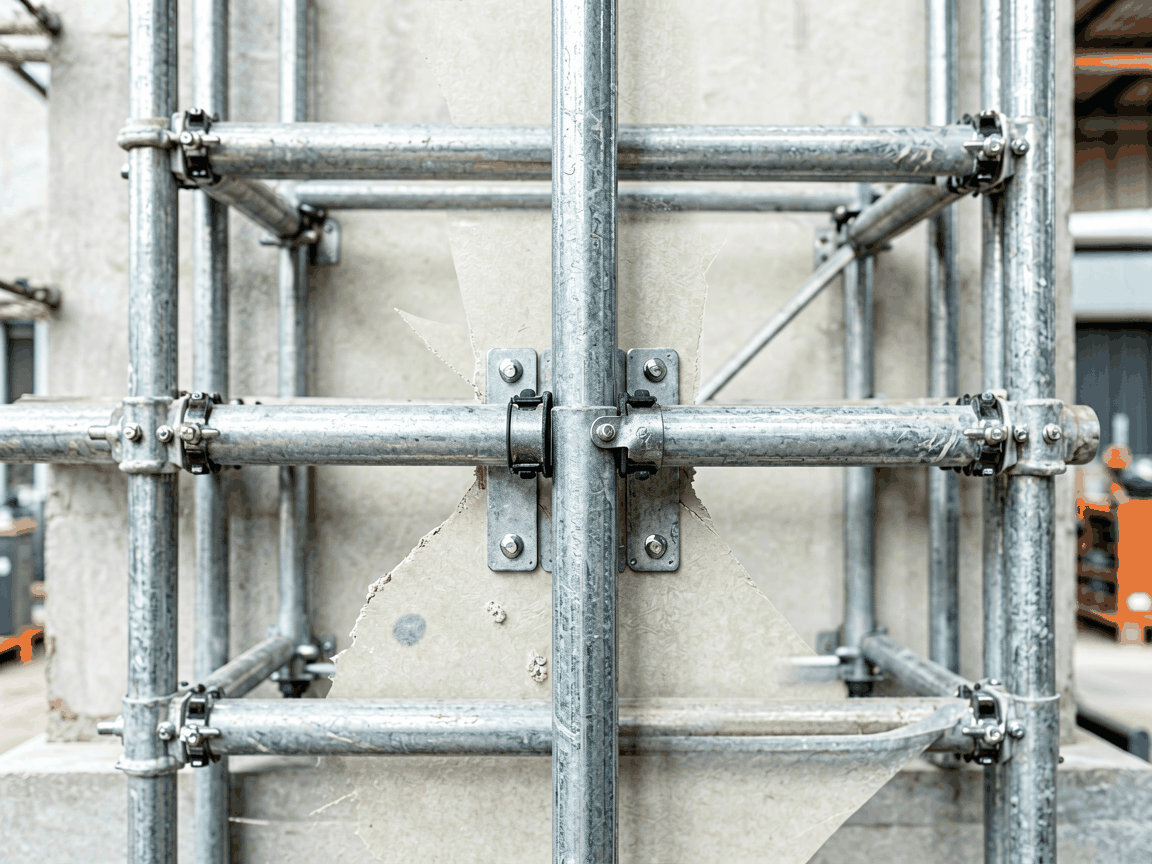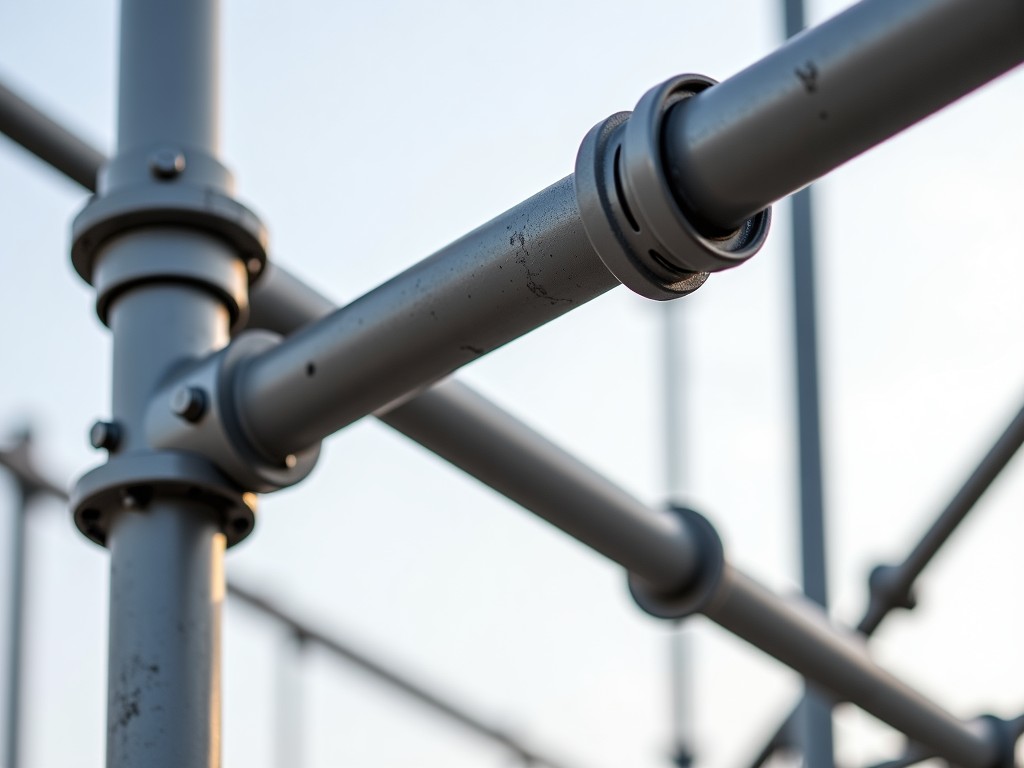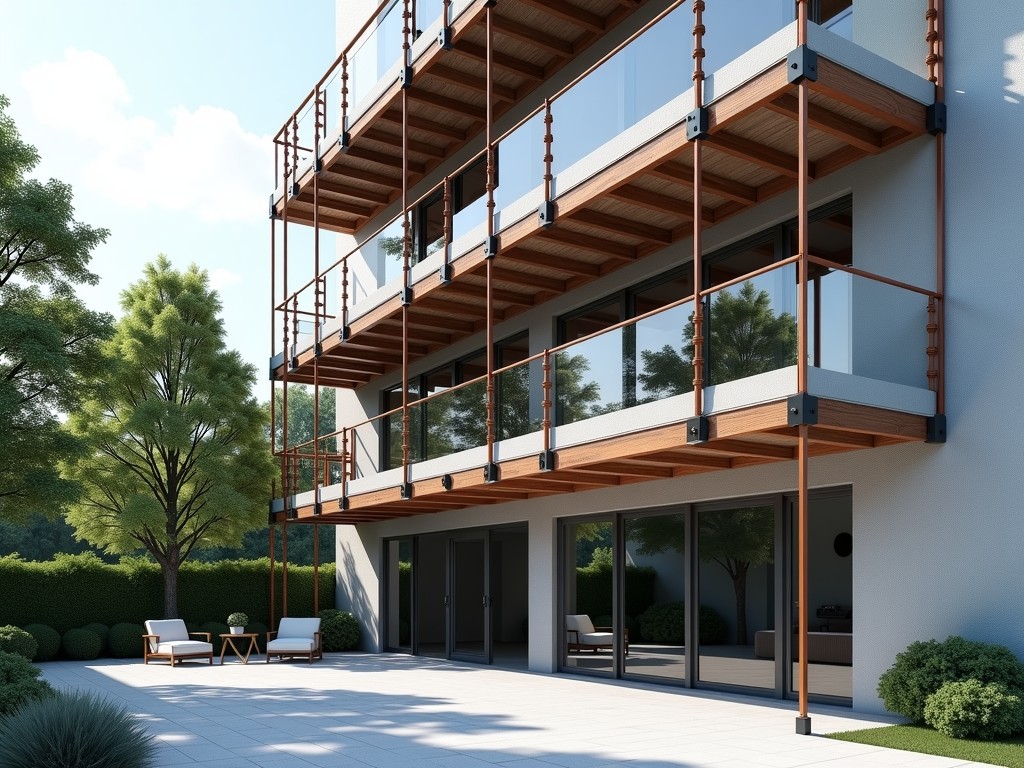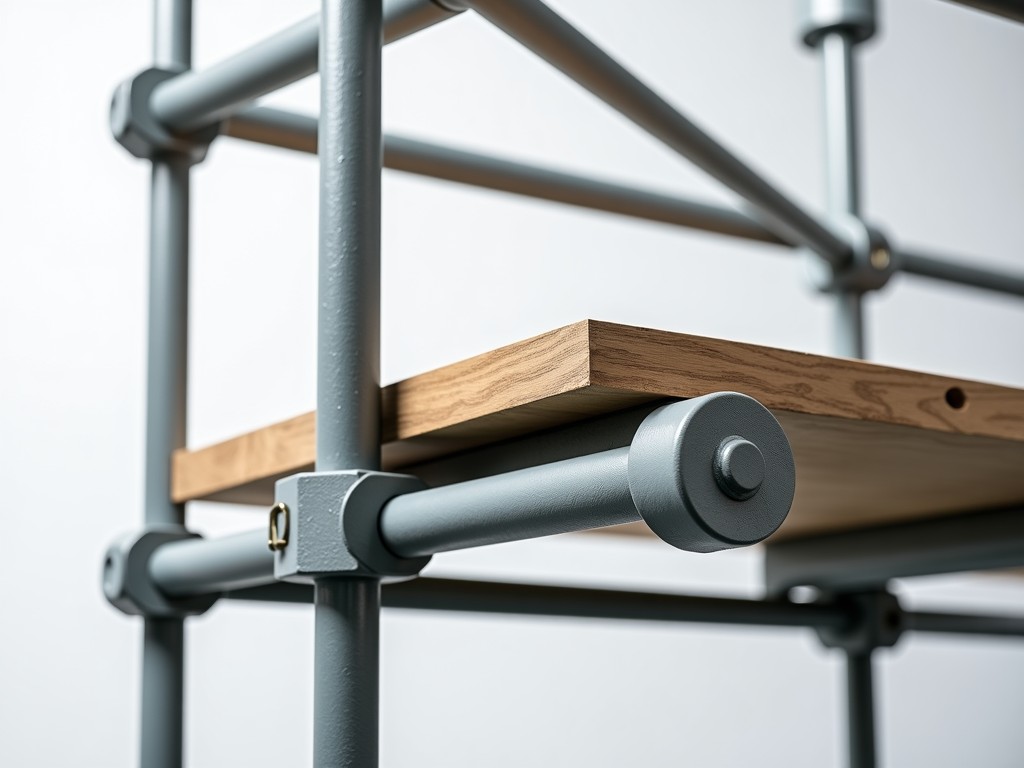
Band and plate scaffold systems are modular temporary structures used to support personnel, materials, and equipment during construction, maintenance, and industrial operations. Unlike traditional tube-and-coupler scaffolds, they utilize prefabricated horizontal bands connected to vertical standards via clamping plates, enabling rapid assembly and disassembly with minimal tools. This design reduces on-site labor time while maintaining structural integrity under defined load conditions.
The system consists of three primary elements: vertical standards (typically hot-dip galvanized steel tubes with integrated lugs), horizontal bands (pressed steel sections with forged end fittings), and clamping plates (high-strength steel inserts that lock bands to standards via wedge or bolt mechanisms). Standards are manufactured in 2-meter increments with lugs spaced at 500mm intervals to accommodate varying bay heights. Bands are available in lengths from 0.73m to 3.0m, allowing flexibility in bay width configuration without cutting or welding on site.
Clamping plates are designed to transfer shear and tensile loads directly between band and standard through positive mechanical engagement. Each plate incorporates a safety catch to prevent accidental disengagement under dynamic loading. Connection points are engineered to resist slip at design loads, with typical slip resistance exceeding 1.5kN per joint under EN 12810 test conditions. The modular nature allows for the creation of single-width, double-width, and cantilever configurations using identical components.
Band and plate scaffolds are classified according to EN 12810 and EN 12811 standards, with load classes ranging from LC2 (150 Pa uniformly distributed load) to LC6 (750 Pa). Actual load capacity depends on bay dimensions, standard height, bracing configuration, and foundation conditions. A typical 2m x 2m bay with standards at 2m intervals and full diagonal bracing supports a uniformly distributed load of 3.0 kN/m² on working platforms, sufficient for general construction and inspection tasks.
For heavier applications such as formwork support or equipment staging, the system can be upgraded to LC6 by reducing bay dimensions to 1.5m x 1.5m, increasing standard frequency, or adding supplementary bracing. Load tables are generated per project based on exact geometry, material grade (S355JR or equivalent), and connection condition. Deflection limits are maintained within L/200 under service loads to ensure platform stability and worker comfort.
Standards and bands are predominantly fabricated from S355JR hot-rolled steel, chosen for its balance of yield strength (min 355 MPa), ductility, and weldability. Clamping plates use higher-grade C45E or 42CrMo4 steel for enhanced wear resistance at contact surfaces. All components undergo hot-dip galvanization per EN ISO 1461, providing a minimum zinc coating of 55µm for equivalent protection in C3 environments. In coastal or industrial settings, duplex systems (galvanized plus epoxy topcoat) are available upon request to extend service life beyond 15 years.
Internal tube surfaces of standards are coated with anti-slip paint to reduce friction during assembly and prevent galling of lugs. End fittings on bands are forged rather than welded to eliminate potential crack initiation points. Material traceability is maintained from mill certificate to final product, with each batch tested for tensile strength, elongation, and coating adhesion before release.
Assembly requires only a hammer or ratchet to engage the clamping wedge or tighten bolted connections. Workers align the band with the lugs on the standard, insert the clamping plate, and secure it via impact or torque application. Visual indicators (paint marks or stamped symbols) confirm correct plate orientation. No specialized training is needed beyond basic scaffold erection principles, reducing onboarding time for contracted crews.
Each connection point includes a secondary safeguard: a spring-loaded pin or locking collar that prevents plate dislodgement if the primary mechanism loosens due to vibration. Guardrail systems integrate directly into the band lugs using standardized posts and toe boards, eliminating the need for separate bracketing. Toeboards are designed to withstand 100N impact loads per EN 13374 Class A, protecting against falling objects in high-traffic zones.
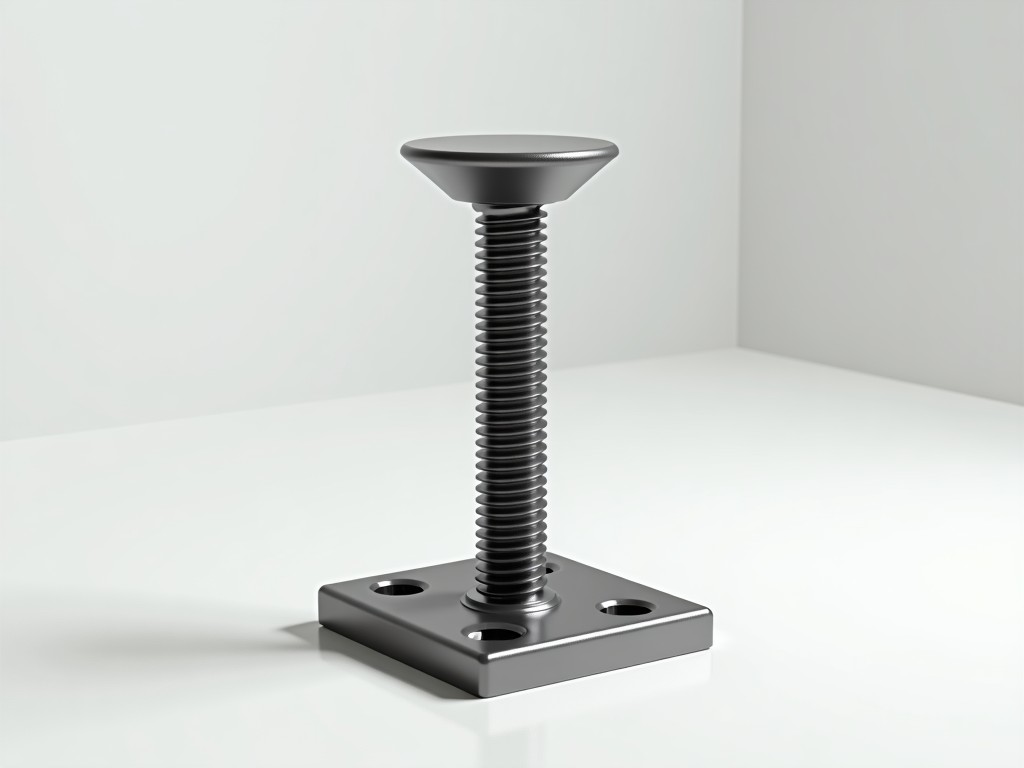
While standard components cover 90% of applications, project-specific adaptations are common. Adjustable base plates accommodate slopes up to 15° without shimming. Ladder access frames integrate with standard lugs using bolt-on brackets, providing OSHA-compliant ascent/descent paths. For curved façades or circular structures, swivel bands with rotational lugs allow incremental angle changes of 5° per joint, enabling radius formation without custom bending.
Platform systems range from solid steel decks to aluminum framed plywood inserts, selected based on load, weather exposure, and reuse frequency. Intermediate transoms can be added at 300mm intervals to support thinner decking or reduce bounce. All custom parts are engineered to maintain compatibility with core components, ensuring interchangeability across projects and inventory pools.
Manufacturing follows ISO 9001:2015 quality management principles. Dimensional checks are performed on 100% of lugs and band ends to ensure fit within ±0.5mm tolerance. Mechanical testing includes tensile sampling per EN 10002-1, hardness verification on clamping interfaces, and coating thickness measurement via magnetic induction. Assembly trials are conducted quarterly to validate ease of erection and joint slip resistance under simulated site conditions.
Finished units are bundled by component type and labeled with heat number, batch code, and production date. Packaging uses steel straps and corner protectors to prevent deformation during transit. Export shipments include fumigated wooden pallets or plastic alternatives compliant with ISPM 15. Documentation accompanying each order includes material certificates, EN 12810 compliance declaration, and assembly instructions in multiple languages.
| Parameter | Typical Value / Range | Notes |
|---|---|---|
| Standard Material | S355JR hot-rolled steel | Min yield strength 355 MPa |
| Clamping Plate Material | C45E or 42CrMo4 steel | Enhanced wear resistance |
| Zinc Coating (Hot-Dip Galvanized) | ≥55µm average | Per EN ISO 1461 |
| Standard Bay Size (LC4) | 2.0m x 2.0m | UDL capacity 2.4 kN/m² |
| Maximum Free Height | 24m (with tying) | Per EN 12811, depends on bracing |
| Connection Slip Resistance | >1.5kN per joint | Initial slip under EN 12810 test |
| Deflection Limit (Service Load) | L/200 | Where L = bay width |
| Toeboard Impact Resistance | 100N min | Per EN 13374 Class A |
Band and plate scaffolds are favored in environments requiring rapid erection and frequent reconfiguration, such as shipyards, power plant outages, and facade renovation projects. In shipbuilding, their low component count and fast connection system allow crews to erect full-coverage access around hull sections during dry dock, reducing critical path time. The system’s compatibility with suspended platforms enables seamless transition between supported and hanging work stages.
In petrochemical facilities, the galvanized finish resists corrosion from intermittent chemical exposure and humidity, while the modular design accommodates complex geometries around reactors, distillation columns, and flare stacks. During maintenance turnarounds, the ability to reuse identical inventory across multiple units reduces logistics complexity and on-site storage demands. For high-rise facade work, the system’s stiffness minimizes bounce under pedestrian loads, improving worker comfort and precision during tasks like sealant application or panel installation.
Utility sectors use band and plate scaffolds for substation upgrades and transmission line maintenance, where insulated platforms and non-conductive accessories can be integrated without modifying the core structure. The open design facilitates easy inspection of joints and corrosion points, supporting predictive maintenance programs. In all cases, the system’s reusability across projects lowers lifetime cost compared to single-use alternatives, particularly when managed through centralized inventory systems.