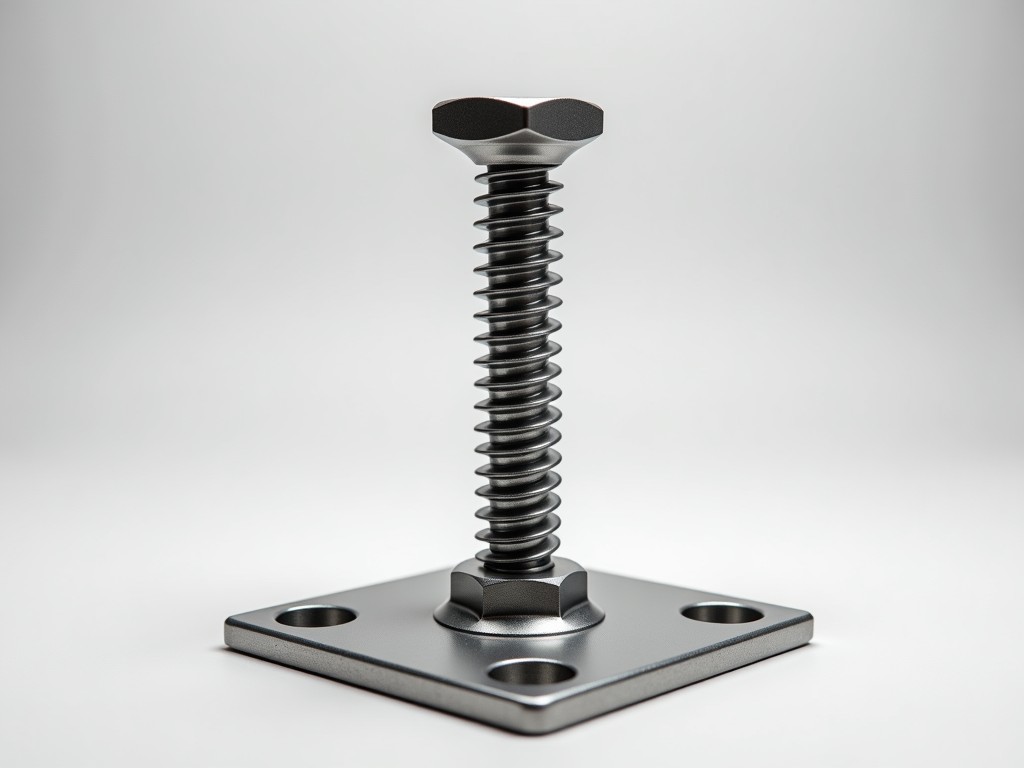
An adjustable metal screw jack base provides a stable, load-bearing interface between a screw jack mechanism and the supporting foundation. It compensates for surface irregularities, transfers axial and radial forces efficiently, and maintains alignment under dynamic or static loads. Unlike fixed mounts, it allows precise vertical adjustment without disassembly, reducing installation time and foundation preparation costs.
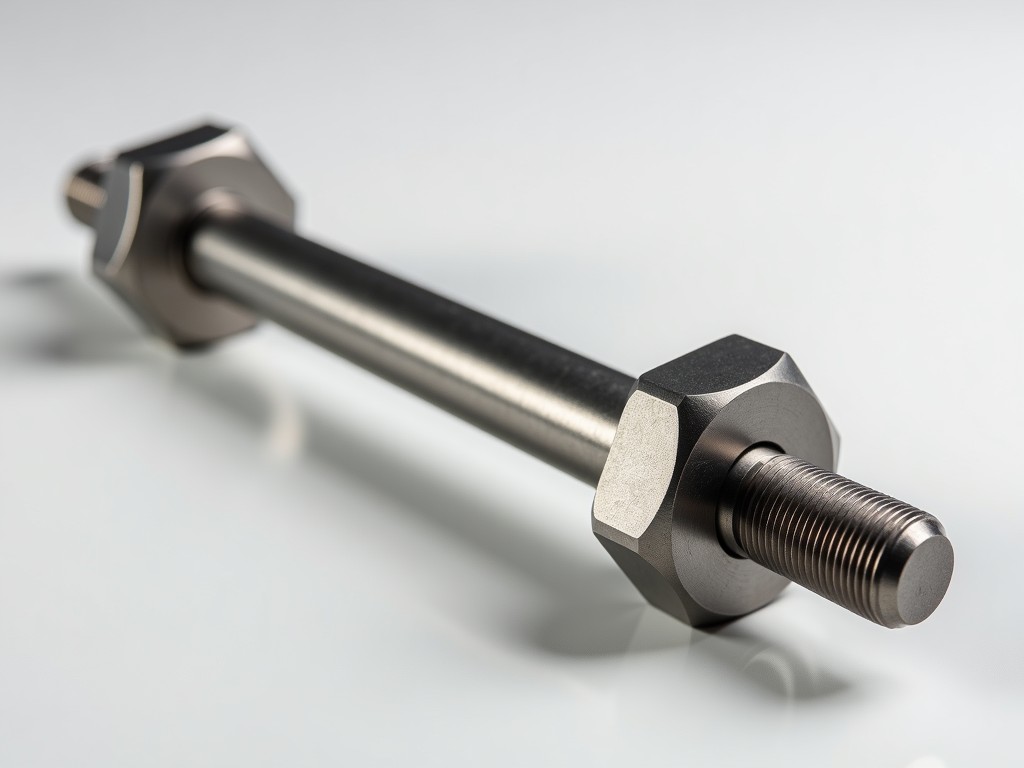
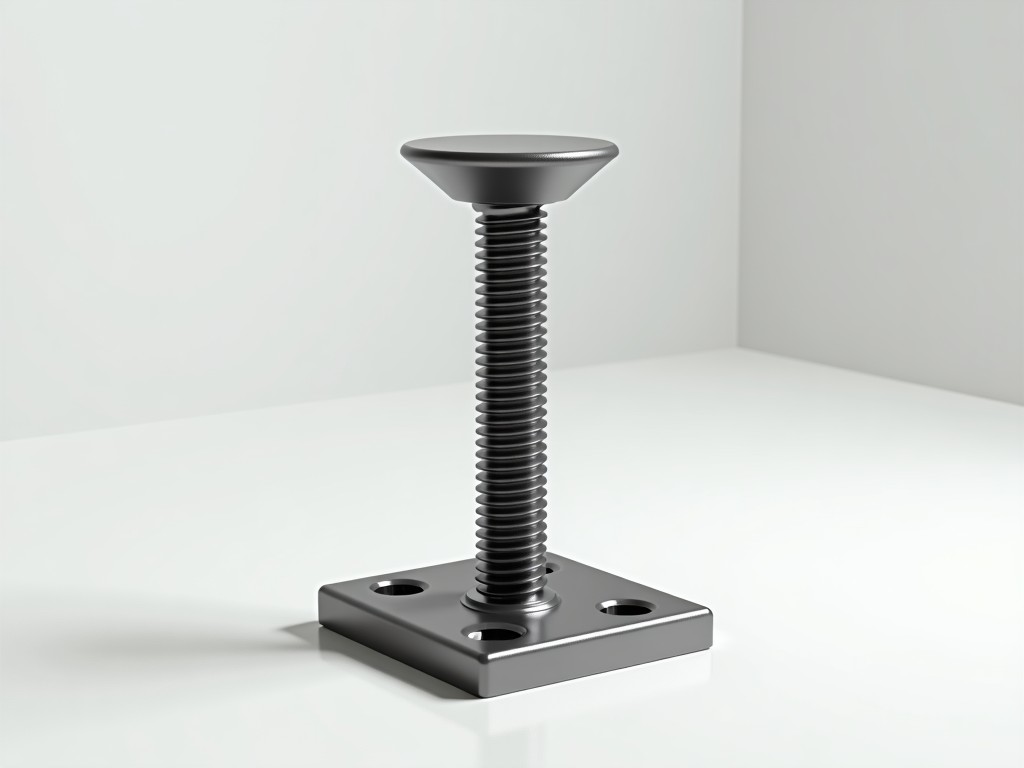
The base typically consists of a threaded spindle, a load-distributing plate, and a locking mechanism. The spindle engages with the jack’s lower mounting flange, while the base plate spreads the load over a larger area to prevent localized deformation of concrete, steel, or composite substrates. Locking nuts or set screws secure the position after adjustment, preventing vibrational loosening during operation.
Load capacity is determined by spindle diameter, thread pitch, material yield strength, and base plate geometry. Common configurations support static loads from 5 kN to 500 kN, with dynamic ratings typically 60-70% of static values due to fatigue considerations. Thread forms are usually trapezoidal or ACME for self-locking properties and wear resistance under repeated cycling.
Base plate thickness and diameter are selected based on substrate bearing pressure limits. For concrete foundations, a minimum plate diameter of 150 mm is typical for loads under 100 kN to keep bearing pressure below 0.3 MPa. Steel plates may use stiffening ribs or gussets to resist bending under eccentric loads. Surface treatments like zinc plating or hot-dip galvanizing prevent corrosion in humid or industrial environments.
Adjustment range depends on spindle length and thread pitch. Standard models offer 50-200 mm of vertical travel, with fine-pitch threads (e.g., 4 mm) enabling resolution under 0.1 mm per revolution. Coarser pitches (8-12 mm) allow faster positioning but reduce precision. Locking mechanisms vary: jam nuts provide simple securement, while collar locks or pins resist rotation under vibratory loads.
Material selection balances;">Material combinations are chosen based on environmental exposure, load cycles, and maintenance accessibility. For example, offshore installations may use duplex stainless steel spindles with HDG-coated base plates to resist chloride-induced pitting while managing cost. Internal lubrication channels or grease fittings can be added to reduce thread wear in high-cycle applications.
In conveyor systems, adjustable bases compensate for floor settlement over time, maintaining belt tension and preventing misalignment-induced wear. Unlike shim packs, they allow real-time correction during scheduled maintenance without production downtime.
For machinery installation, they enable precise leveling of heavy equipment such as presses, CNC mills, or pumps where foundation tolerances exceed standard shim capabilities. The ability to adjust after grouting cures prevents stress concentration from residual misalignment.
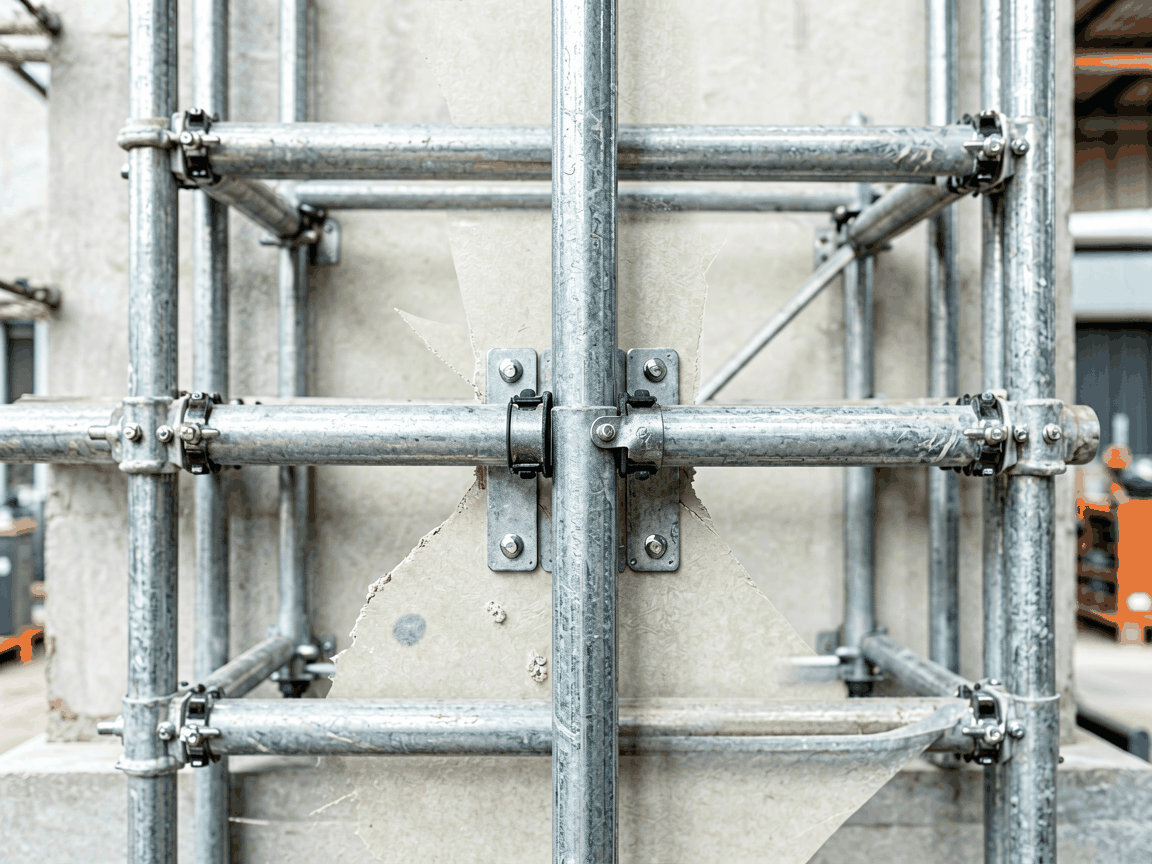
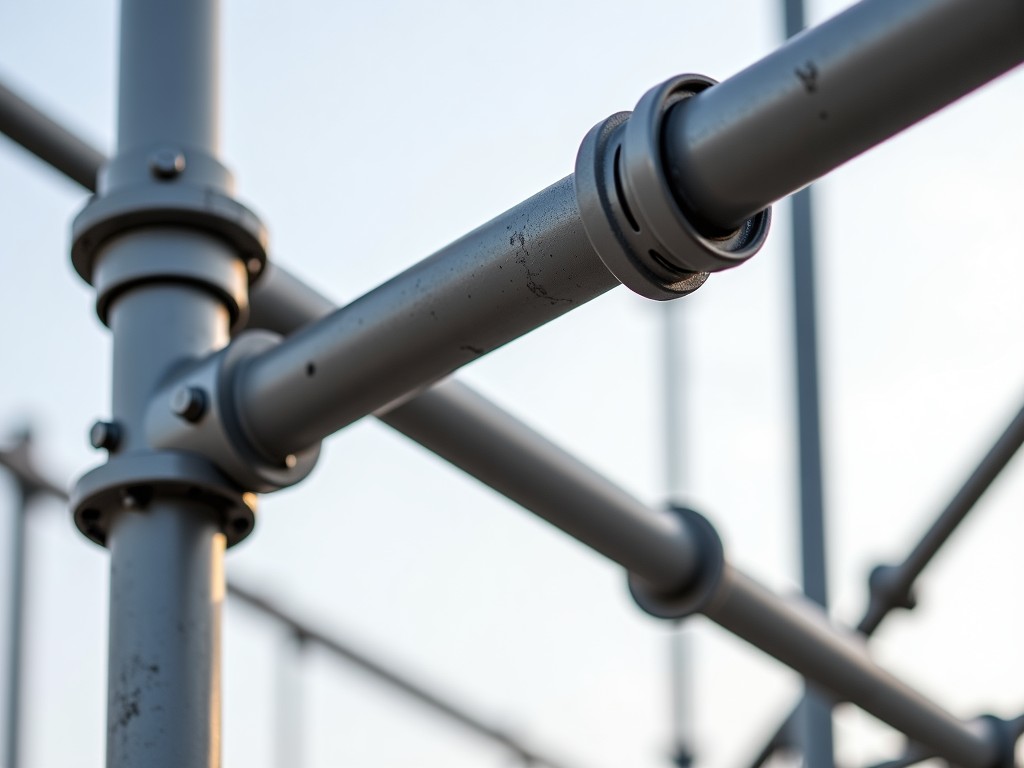
In temporary structures like scaffolding or formwork supports, they provide rapid height adjustment to accommodate uneven terrain while maintaining load path integrity. The self-locking thread prevents creep under sustained loads, a critical safety factor in load-bearing applications.
| Feature | Fine-Pitch Trapezoidal Thread | Coarse-Pitch ACME Thread | Hydraulic Cylinder Alternative |
|---|---|---|---|
| Adjustment Resolution | 0.05-0.1 mm/rev | 0.2-0.5 mm/rev | 0.01 mm (with valve control) |
| Max Load Capacity | Up to 500 kN | Up to 300 kN | Dependent on cylinder size |
| Adjustment Speed | Slow (manual) | Moderate | Fast (powered) |
| Power Requirement | None | None | External pump or power unit |
| Maintenance Needs | Periodic lubrication | Periodic lubrication | Seal checks, fluid changes |
| Cost (Relative) | Low | Low | High |
Fine-pitch threads are preferred where precision positioning and load holding are critical, such as in alignment of optical systems or precision machining centers. Coarse-pitch threads suit applications requiring frequent, large adjustments like temporary support shoring. Hydraulic alternatives offer superior speed and precision but introduce complexity, maintenance points, and potential failure modes absent in pure mechanical screw jacks.
Key parameters for quotation include: required static and dynamic load capacity, adjustment range and precision, substrate type and condition, environmental exposure (temperature, humidity, chemicals), mounting interface dimensions on the jack, and any industry-specific standards (e.g., ISO, DIN, ASME). Drawings or sketches of the mounting flange and base plate interface help ensure compatibility.
Optional features include: integrated spherical washers to accommodate angular misalignment, limit switches for position feedback in automated systems, corrosion-resistant coatings beyond standard plating, and pre-loaded designs to eliminate backlash in reversing load applications. Lead times typically range from 2-6 weeks depending on material availability and complexity.