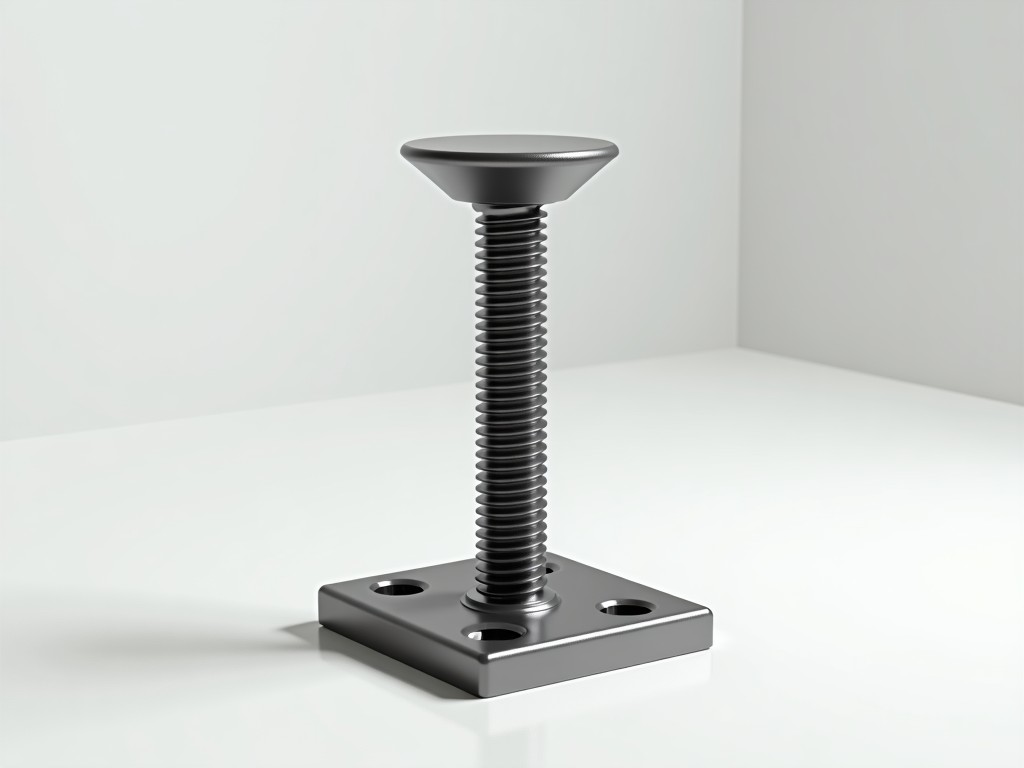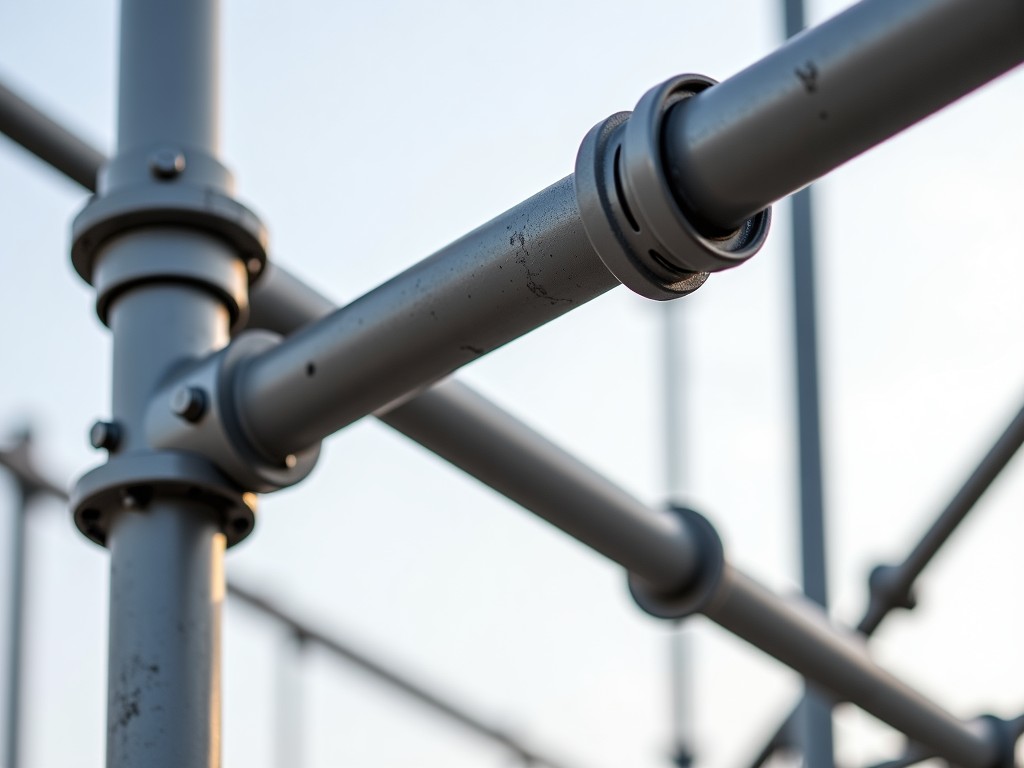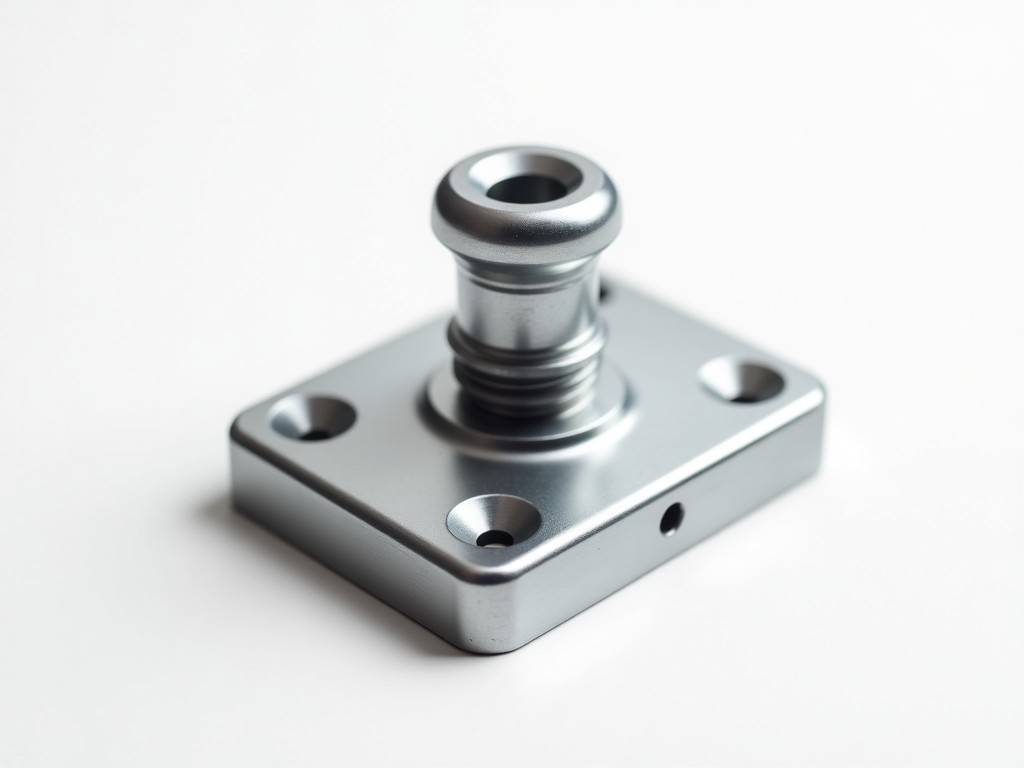
An adjustable base plate for scaffolding is a load-distributing component designed to interface between scaffold standards and uneven or soft ground surfaces. It combines a steel plate with a threaded spindle mechanism to allow vertical adjustment while maintaining structural stability under dynamic and static loads.
The primary function of the adjustable base plate is to transfer vertical and lateral loads from the scaffold standard to the supporting surface while compensating for ground irregularities. Load is transmitted through the spindle into the plate, which spreads the force over a larger area to reduce ground pressure and prevent sinking or tilting. The threaded adjustment allows precise height control to maintain scaffold levelness across sloped or uneven terrain.
Critical design parameters include plate diameter, spindle thread pitch, adjustment range, material thickness, and load capacity. These parameters are interdependent: increasing plate size reduces ground pressure but increases weight and handling difficulty; finer thread pitch allows finer adjustment but requires more rotations for large changes. Engineers must balance adjustability, stability, and portability based on site conditions and scaffold height.
Base plates are typically manufactured from hot-rolled structural steel (e.g., S235JR or equivalent) for the plate and spindle, selected for its yield strength, ductility, and weldability. The spindle is often case-hardened or rolled to improve wear resistance at the thread interface. Surface treatment such as hot-dip galvanizing (minimum 55 µm zinc coating) is applied to prevent corrosion in outdoor environments, extending service life in harsh conditions.
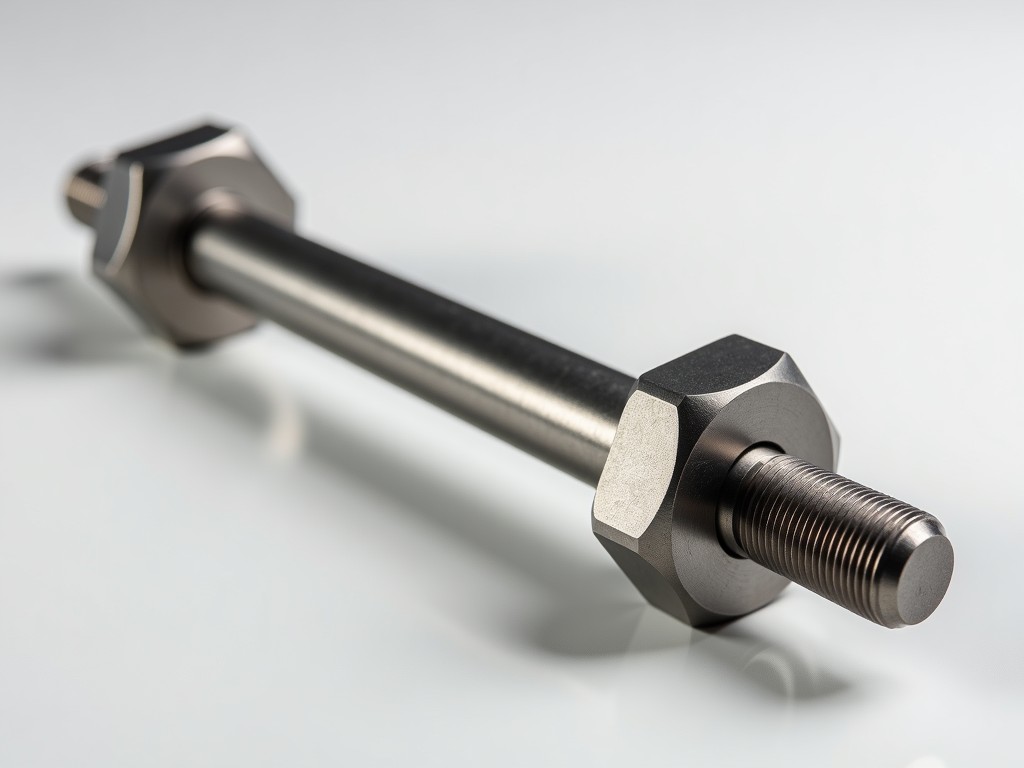
The adjustment mechanism uses a right-hand acme or trapezoidal thread on the spindle, engaging with a threaded nut welded or forged into the base plate. This design provides self-locking capability under load, preventing unintended descent. Typical adjustment ranges span 200 mm to 350 mm, with thread pitches of 4 mm to 6 mm, allowing height changes of 0.5 mm to 1 mm per rotation depending on pitch. Load-induced deflection is minimized through close tolerances and hardened contact surfaces.
Load capacity is determined by the weaker of the plate’s bearing capacity on soil or the spindle’s axial strength. Typical working load limits (WLL) range from 20 kN to 30 kN per base plate, depending on size and material, with a minimum safety factor of 4:1 against yield. Capacity is validated through static load testing per EN 12811-1 or equivalent standards, accounting for eccentric loading and dynamic effects from worker movement and wind.
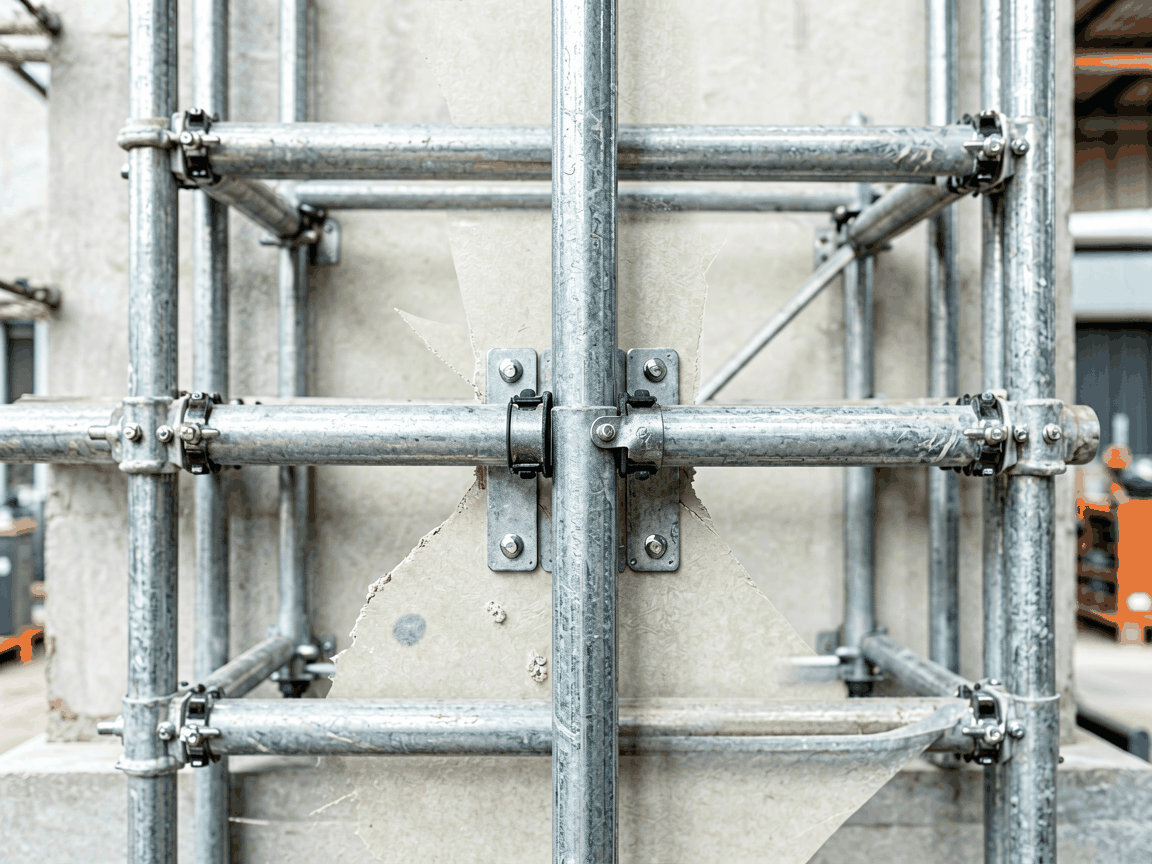
Adjustable base plates are essential in scaffolding systems where ground conditions vary, such as construction sites with uneven terrain, retrofitting on existing structures, or temporary works on soft soil. They enable erectors to achieve plumb standards without extensive site preparation, reducing setup time and minimizing the need for excavation or compaction. Their use is particularly critical in suspended, cantilever, or birdcage scaffolds where even minor base misalignment can amplify instability at height.
| Type | Plate Diameter | Adjustment Range | Typical WLL | Best Suited For |
|---|---|---|---|---|
| Standard Adjustable | 120 mm | 250 mm | 20 kN | General purpose, flat to moderate slope |
| Heavy Duty | 150 mm | 300 mm | 30 kN | High-load applications, soft ground |
| Swivel Base | 120 mm | 200 mm | 15 kN | Sloped surfaces requiring angular adjustment |
Customization is available to meet specific project requirements. Options include alternative plate shapes (square, rectangular), increased spindle length for greater adjustment, modified thread types for corrosive environments, and customized hole patterns for attachment to specialized standard types. Material upgrades such as stainless steel (A2 or A4) or galvanized grades with enhanced coating thickness can be provided upon request for marine or chemical exposure.
Quality control begins with material traceability, verifying steel grade and coating thickness via magnetic induction or XRF. Dimensional checks confirm plate flatness, spindle straightness, and thread integrity. Each batch undergoes proof load testing to 1.5× WLL to detect deformation or thread failure. Surface adhesion and coating continuity are assessed per ISO 1461. Final inspection includes visual review for weld defects, burrs, or threading damage before packaging.
Base plates are typically packed in bulk on pallets, separated by corrugated dividers or placed in wire cages to prevent abrasion and deformation during transit. Spindles are often threaded with protective caps to avoid damage and contamination. For export, moisture-barrier wrapping and corner protection are applied to prevent corrosion during long-haul shipping. Unit weights range from 2.5 kg to 4.5 kg, allowing manual handling while maintaining stability in stacks.