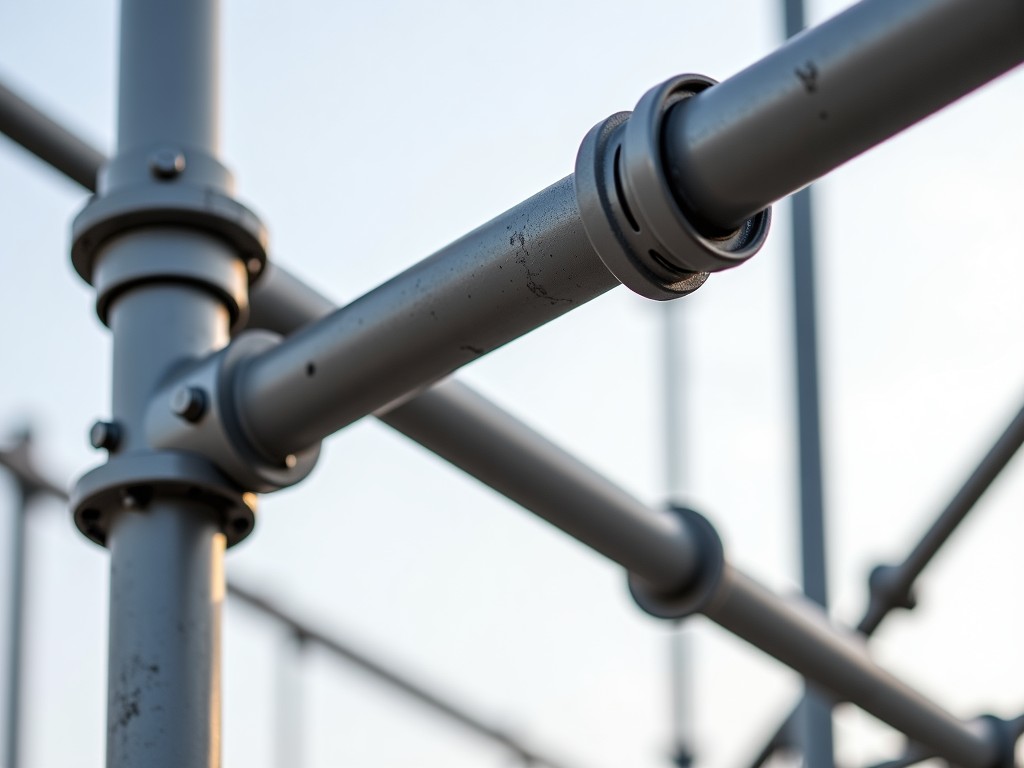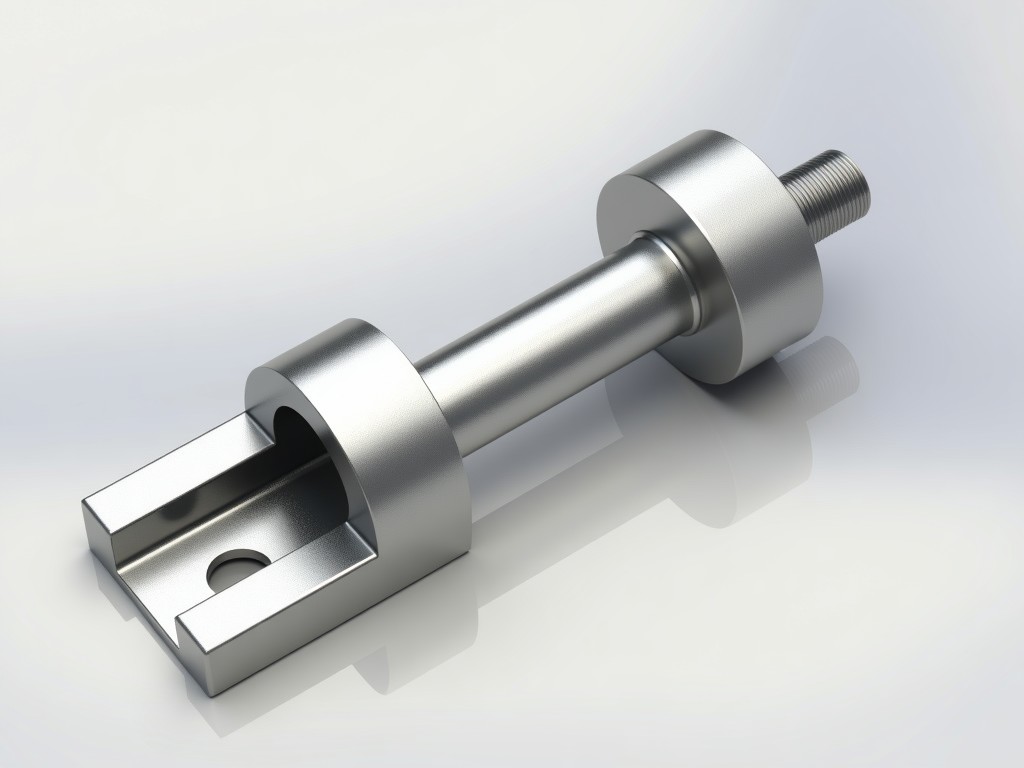
Fence panel clamps designated as 1 5 8 refer to hardware designed to secure fence panels to posts with a nominal post dimension of 1-5/8 inches. This size is standard in residential and light commercial chain-link, welded wire, and ornamental fencing systems where round or square steel posts are used. The clamp’s primary function is to maintain panel alignment, resist lateral movement, and distribute load across the connection point without damaging the panel or post finish.
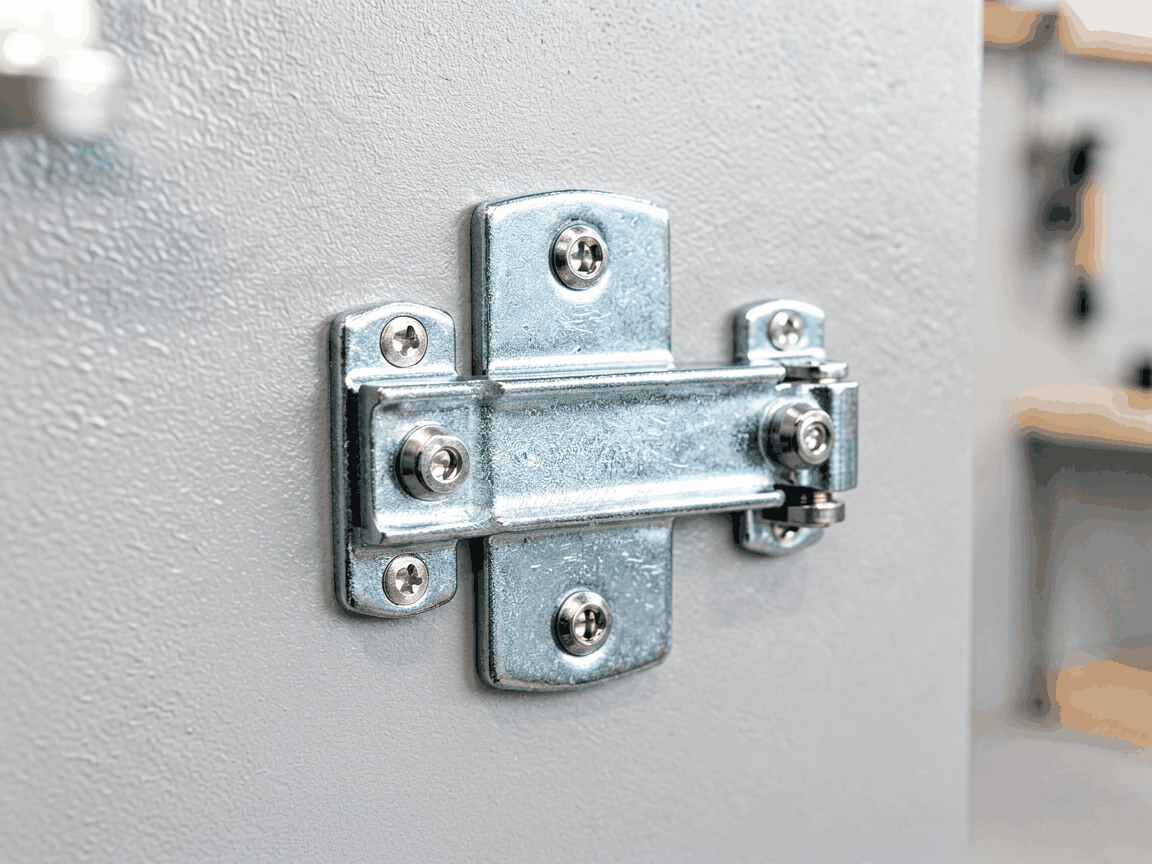
These clamps are typically formed from stamped or punched steel, with thicknesses ranging from 12 to 16 gauge depending on load requirements. The design incorporates a U-shaped or offset bracket that wraps around the post and engages the panel’s horizontal rail or mesh. Fastening is achieved via carriage bolts, self-tapping screws, or rivets, allowing for field adjustment during installation and future maintenance access.
Base material is usually low-carbon steel (ASTM A1008 or equivalent) chosen for its formability and weldability. For outdoor exposure, corrosion protection is applied through hot-dip galvanizing (ASTM A123), electro-galvanizing, or powder coating. Hot-dip galvanizing provides a zinc-iron alloy layer typically 1.8 to 2.5 mils thick, offering sacrificial protection at cut edges and scratches. Powder coating adds a polymer barrier over zinc plating, improving UV resistance and aesthetic consistency with fence components.
In coastal or industrial environments, upgrades to Type 304 or 316 stainless steel may be specified. These alloys resist chloride-induced pitting and crevice corrosion where standard zinc coatings degrade rapidly. Material thickness is increased proportionally when using stainless to compensate for lower yield strength, ensuring equivalent load capacity. Selection depends on environmental exposure, maintenance access, and lifecycle cost analysis.
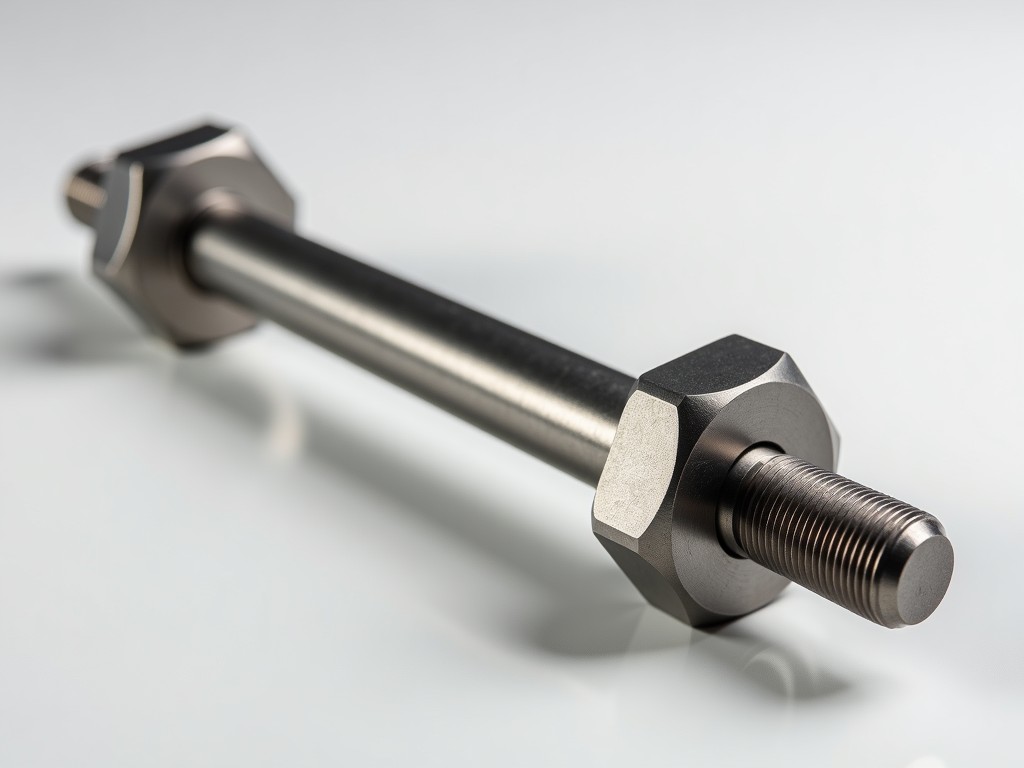
Two primary configurations exist: offset clamps and flush-mount clamps. Offset clamps position the panel slightly away from the post to accommodate rail protrusion or to create a shadow line for aesthetic purposes. Flush-mount clamps align the panel face with the post edge, minimizing snow or debris accumulation. Both types include pre-punched holes for 5/16-inch carriage bolts or #12 self-tapping screws, with hole spacing standardized to match common rail dimensions (typically 1.5 to 2 inches on center).
Installation requires positioning the clamp over the post, aligning the panel, and inserting fasteners through the clamp into the panel rail. Torque specifications range from 15 to 25 ft-lbs for carriage bolts to prevent rail deformation while ensuring joint rigidity. Some designs feature serrated flanges or dimples that resist rotational slip under wind load. Reusability is limited; fasteners should be replaced if clamps are removed and reinstalled to maintain clamping force.
These clamps are engineered to resist transverse loads from wind pressure, impact, and panel tension. Typical design loads range from 50 to 150 lbs per clamp depending on gauge, post embedment, and fastener type. In a 6-foot-tall fence with 8-foot panel spacing, wind loads at 90 mph may generate approximately 75 lbs of lateral force per post, requiring at least two clamps per panel for adequate safety margin. Deflection at rated load is typically less than 1/8 inch when installed on properly set posts.
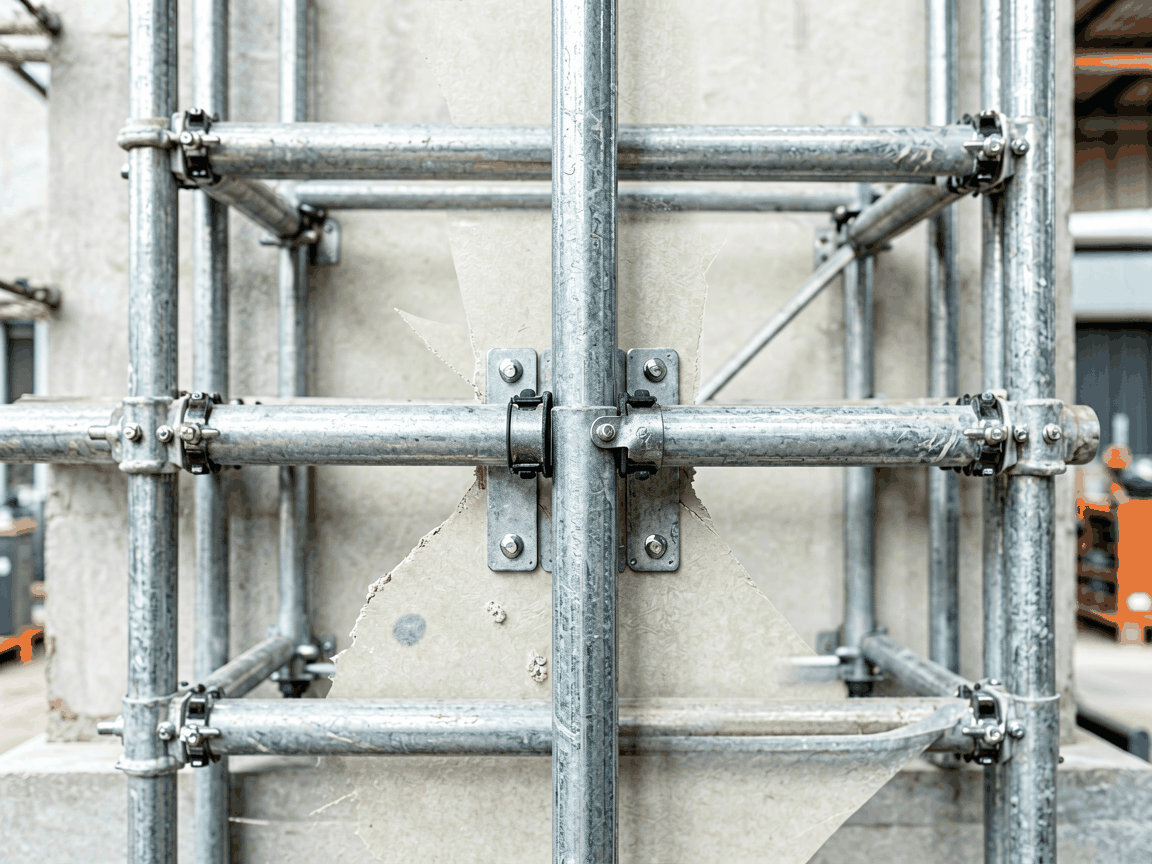
Applications include residential perimeter fencing, pool enclosures, pet containment, light commercial site security, and temporary construction barriers. They are compatible with galvanized chain-link fabric, PVC-coated panels, welded wire mesh, and slatted privacy inserts. The clamp’s geometry prevents panel rotation and minimizes rail bending, which helps maintain consistent tension and appearance over the fence line. Proper spacing—usually one clamp within 6 inches of each post and additional clamps at mid-span for panels over 6 feet—is critical for performance.
Manufacturing involves progressive die stamping to ensure repeatable hole placement, bend angles, and edge quality. Critical dimensions include post saddle width (1.625 ±0.02 inches), clamp height (typically 1.0 to 1.5 inches), and flange length (determining panel overlap). Each batch undergoes go/no-go gauging for post fit and hole alignment. Surface coating thickness is measured via magnetic induction or XRF to confirm compliance with ASTM A123 or coating supplier specifications.
Packaging is done in bulk cartons of 100 or 200 units, separated by corrosion-inhibiting paper or plastic dividers to prevent finish damage during transit. Each carton includes a label with part number, material specification, coating type, and quantity. For OEM clients, custom packaging with barcodes or QR codes for inventory tracking is available upon request. Receiving inspection typically verifies count, coating integrity, and absence of burrs or sharp edges that could damage gloves or panel surfaces.
| Parameter | Typical Range | Notes |
|---|---|---|
| Post Compatibility | 1-5/8 inch round or square | Nominal size; actual OD may vary |
| Material Thickness | 12–16 gauge (0.105–0.060 in) | Thicker for higher load or stainless |
| Coating Type | HDG, EG, Powder, SS 304/316 | Selected per environment |
| Fastener Size | 5/16" carriage bolt or #12 screw | Hole prepunched for ease |
| Design Load (Transverse) | 50–150 lbs per clamp | Depends on gauge and fastener |
Engineers specify these clamps based on fence height, panel width, expected wind exposure, and maintenance protocol. For example, an 8-foot-tall privacy fence in a coastal zone may require 12-gauge, 316 stainless steel clamps with through-bolts and lock washers to resist corrosion and vibration loosening. In contrast, a 4-foot residential chain-link fence in a low-wind inland area performs adequately with 14-gauge hot-dip galvanized clamps and self-tapping screws. The key is matching material and fastening method to the environmental and mechanical demands of the installation.