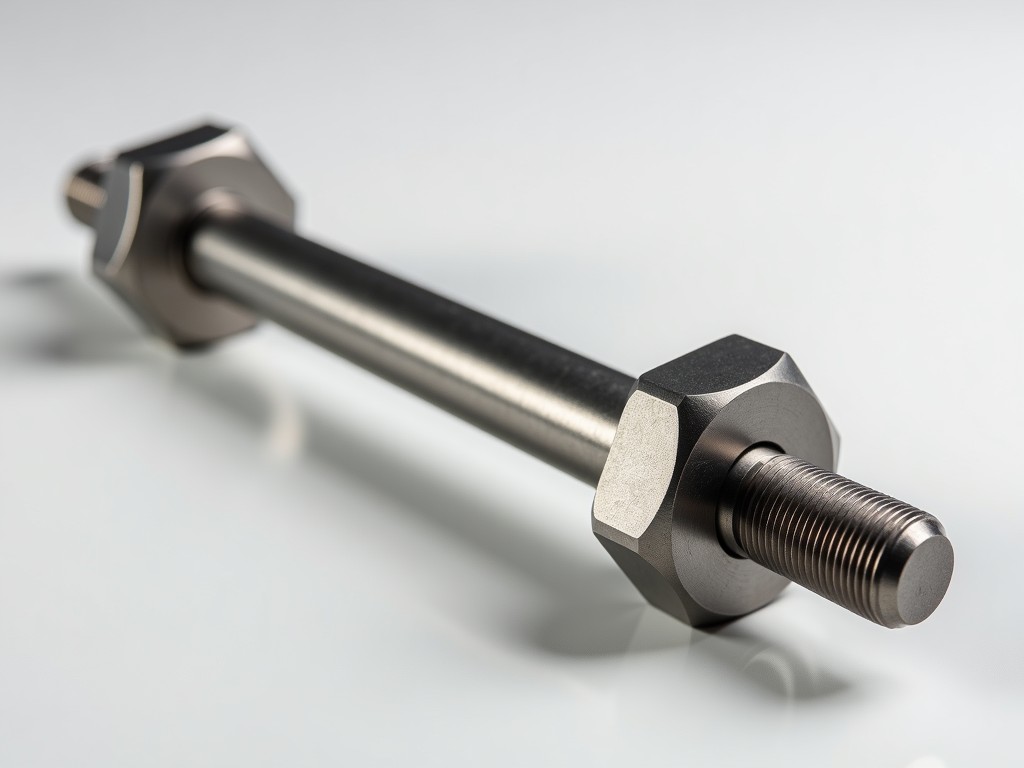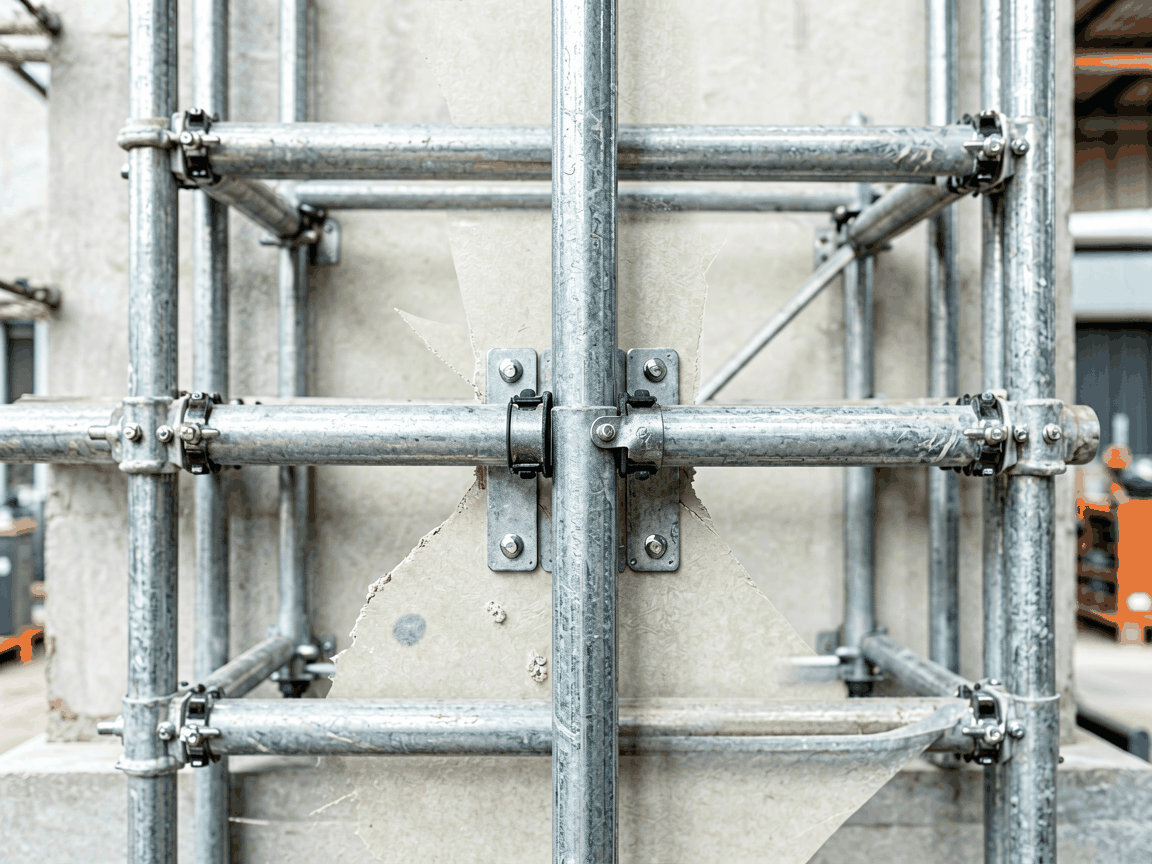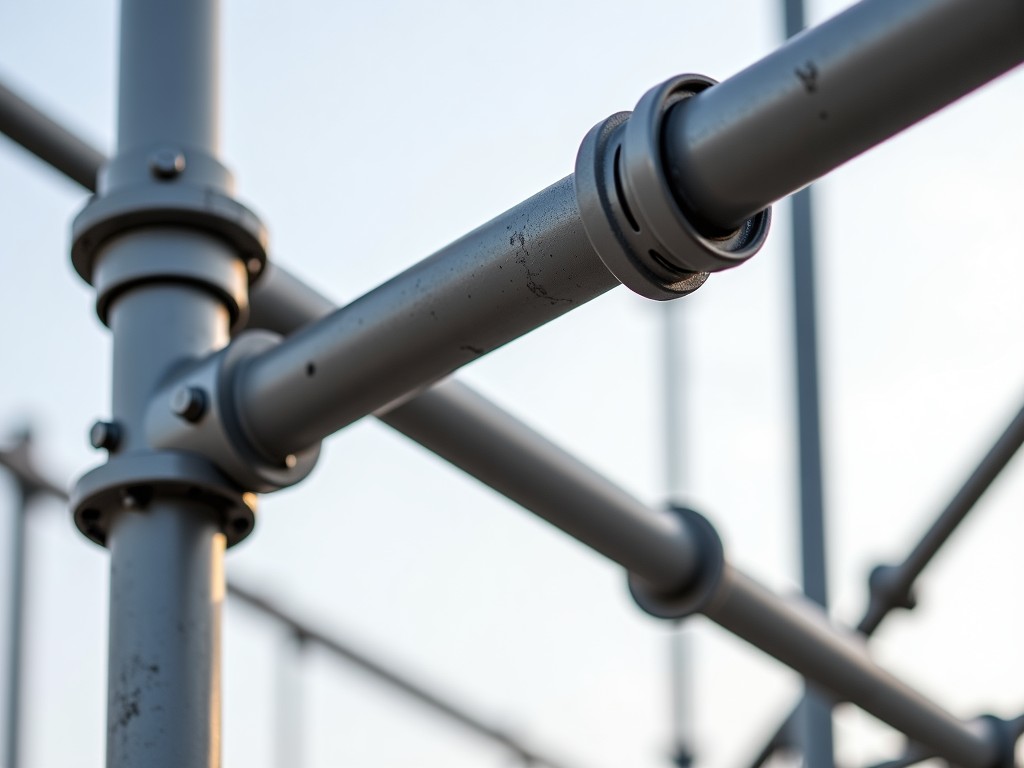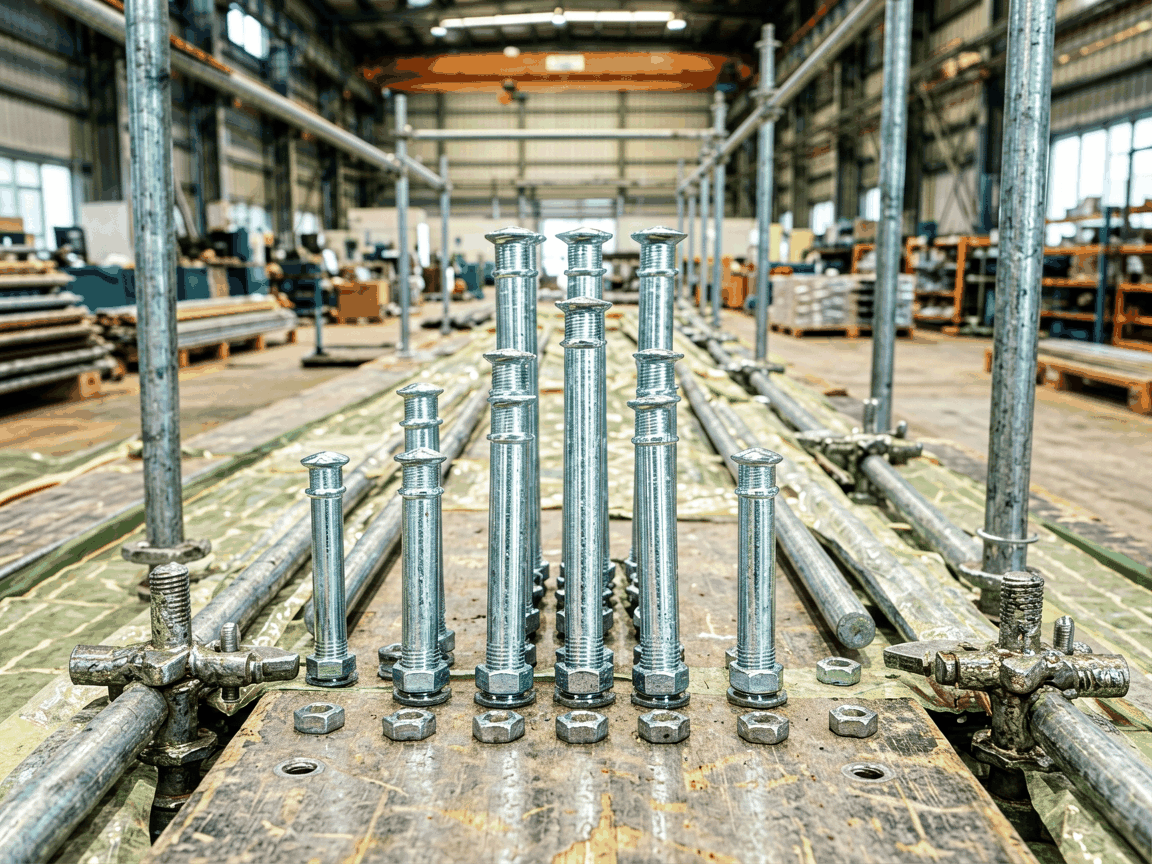
Scaffolding pins of 1 1/4 inch diameter are critical load-transfer components in tubular steel scaffolding systems, connecting vertical standards to ledgers, transoms, and brace fittings. Their primary function is to resist shear forces under lateral and vertical loads while maintaining alignment under cyclic stress. Unlike bolts or welded joints, scaffolding pins allow for rapid assembly and disassembly without compromising structural integrity when properly engineered. The 1 1/4 inch dimension corresponds to the internal diameter of standard 48.3 mm OD scaffolding tubes, ensuring a tight interference fit that minimizes play and prevents fretting wear. Manufacturers producing these pins must adhere to strict tolerances to ensure compatibility across global scaffolding systems, particularly those following EN 74, BS 1139, or ANSI/ASSE A10.8 standards.
The mechanical performance of 1 1/4 scaffolding pins depends on material hardness, tensile strength, and resistance to deformation under repeated loading. Pins are typically fabricated from medium-carbon steel grades such as C45 or 1045, which offer a balance of machinability and hardenability. After turning and milling, pins undergo quenching and tempering to achieve a core hardness of 28–34 HRC, sufficient to resist bending under design loads while maintaining toughness to avoid brittle fracture. Surface hardening via induction or carburizing may be applied to the wear zones (typically the ends and mid-section) to increase surface hardness to 55–60 HRC, reducing abrasion from tube contact. This differential hardening approach extends service life in high-cycle applications such as facade access or shoring systems.
Precision in diameter and straightness is essential for reliable scaffolding pin performance. The nominal 1 1/4 inch (31.75 mm) diameter is held to a tolerance of ±0.05 mm (±0.002 inch) to ensure a snug fit within the tube without requiring excessive force for insertion. Straightness is controlled to within 0.1 mm per 300 mm length to prevent binding or misalignment during assembly. The pin length varies by application but commonly ranges from 75 mm to 150 mm, with chamfered ends (typically 1.5 mm x 45°) to guide insertion and reduce edge stress. Radial runout is kept below 0.08 mm TIR to ensure even load distribution around the circumference. These tolerances are verified using coordinate measuring machines (CMM) or laser gauges during in-process inspection.
Scaffolding pins are exposed to outdoor conditions, including moisture, UV radiation, and chemical pollutants, necessitating effective corrosion protection. Hot-dip galvanizing per ISO 1461 is the most common treatment, providing a zinc coating thickness of 55–85 µm that offers sacrificial protection and barrier resistance. Alternative finishes include mechanical galvanizing (tumbling with zinc powder) for components requiring tight tolerance retention, or zinc-nickel alloy plating for enhanced salt spray resistance (up to 500 hours in NSS test). Paint or powder coating is generally avoided on load-bearing surfaces due to risk of chipping and abrasion, but may be applied to non-contact areas for identification or aesthetic purposes. All coatings are applied post-machining to prevent hydrogen embrittlement and ensure adhesion.
Quality assurance for scaffolding pins involves multiple verification stages to confirm dimensional accuracy, material integrity, and surface quality. Incoming raw material is inspected via mill certificates and spectrometer analysis to verify chemical composition. First-article inspection includes CMM measurement of critical dimensions, hardness testing at core and surface (Rockwell C), and tensile testing of sample pins to confirm minimum yield strength of 450 MPa and tensile strength of 650 MPa. During production, statistical process control (SPC) monitors diameter and straightness trends. Final inspection includes 100% visual examination for cracks, burrs, or coating defects, followed by batch-wise magnetic particle inspection (MPI) to detect surface or near-surface discontinuities. All test records are retained for traceability.
The 1 1/4 inch scaffolding pin is used exclusively in systems designed for 48.3 mm OD tubing, which is the most prevalent size in global construction and industrial access. These pins connect horizontal ledgers to vertical standards in frame scaffolding, enabling quick erection of working platforms at various heights. In shoring and falsework applications, they secure longitudinal and cross braces to main legs, resisting lateral loads from concrete pressure or wind. Suspended scaffolding systems use modified pins with integrated safety loops to prevent disengagement under dynamic loads. The pin’s shear capacity — typically rated at 25–30 kN per pin depending on material and heat treatment — must exceed the design load with an appropriate safety factor, usually 4:1 for temporary structures as per EN 12810.
While standard 1 1/4 scaffolding pins follow established geometries, manufacturers offer modifications to suit specialized equipment or regional standards. Length can be adjusted to accommodate non-standard tube spacings or overlapping joint configurations. End features may include drilled holes for cotter pins, threaded sections for lock nuts, or flattened sides to prevent rotation within the tube. For high-corrosion environments such as offshore or chemical plants, pins can be supplied with duplex coating systems (e.g., galvanized plus epoxy) or made from stainless steel grades like 316L. Custom packaging — such as bundled lots with plastic end caps or reusable steel trays — is available to protect finish during transit and simplify site handling. All customizations are subject to engineering review to ensure load capacity and compatibility are maintained.
| Parameter | Typical Value | Notes |
|---|---|---|
| Nominal Diameter | 31.75 mm (1 1/4 in) | Matches ID of 48.3 mm OD scaffolding tube |
| Diameter Tolerance | ±0.05 mm | Ensures snug fit without binding |
| Straightness | 0.1 mm per 300 mm | Measured along full length |
| Core Hardness (after QT) | 28–34 HRC | Balances strength and toughness |
| Surface Hardness (ends) | 55–60 HRC | Induction or carburized case |
| Tensile Strength | ≥650 MPa | Minimum for C45/1045 steel |
| Yield Strength | ≥450 MPa | Critical for load resistance |
| Shear Capacity (per pin) | 25–30 kN | Depends on material and heat treatment |
| Coating Thickness (HDG) | 55–85 µm | Per ISO 1461 |
| Salt Spray Resistance (HDG) | 200–400 hours | Red rust to 10% of surface |
Standard 1 1/4 scaffolding pins are typically produced from stock blanks, allowing lead times of 2–4 weeks for orders up to 50,000 pieces. Custom lengths, end features, or special coatings extend lead time to 4–8 weeks due to tooling setup and process validation. Minimum order quantities (MOQ) vary by configuration: standard pins often have no MOQ, while customized versions may require 5,000–10,000 units to justify setup costs. Pricing is influenced by steel market fluctuations, coating type, and tolerance level. Clients are advised to provide detailed drawings or samples for non-standard items to ensure accurate quoting. All orders include material test certificates (MTR) and coating compliance documentation upon request.
For technical inquiries, custom specifications, or to request a quotation, contact our engineering team via the inquiry form. We provide full traceability, material certification, and dimensional inspection reports for every batch.