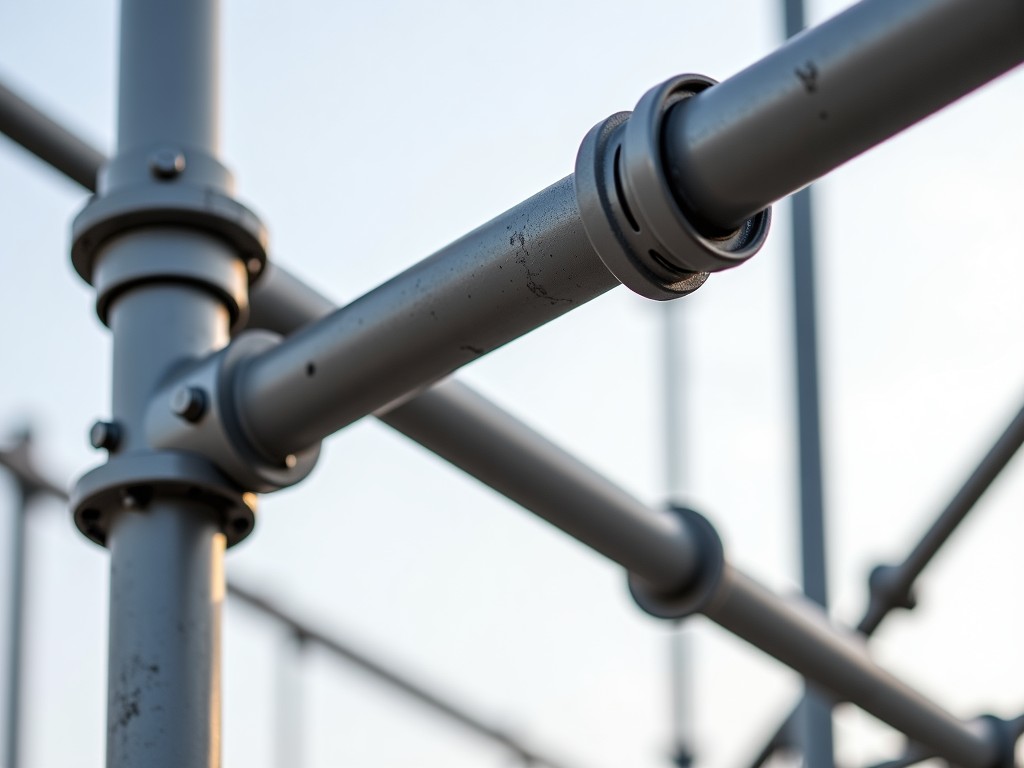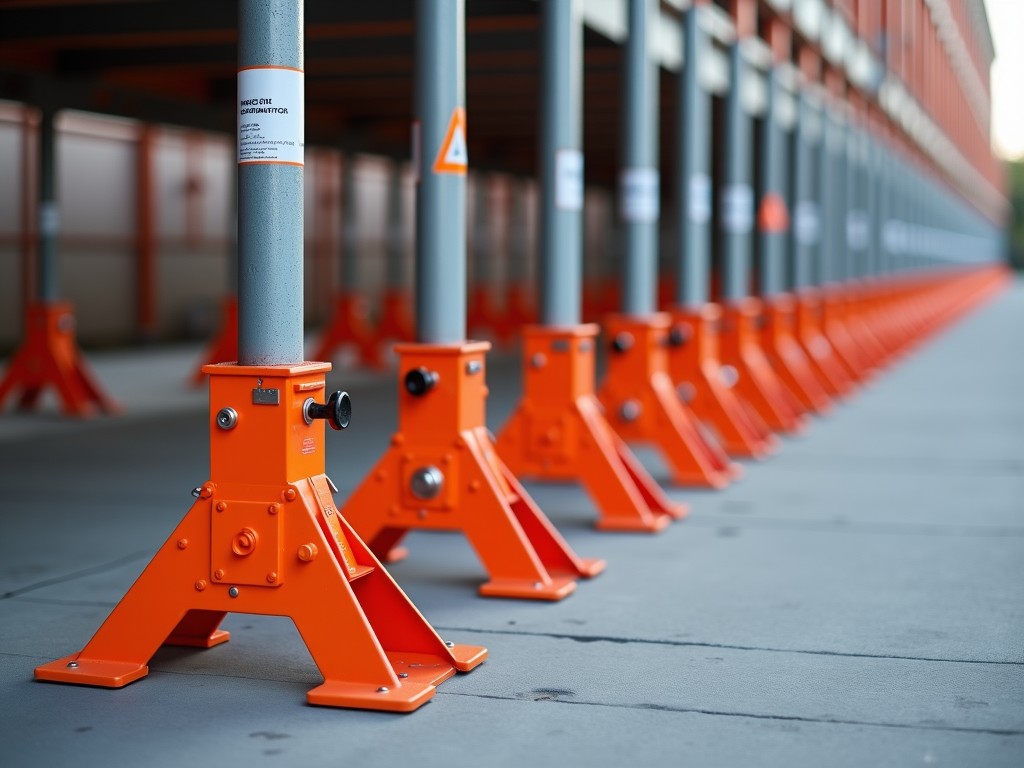
Scaffold jacks are height-adjustable support components used in temporary access systems to ensure platform leveling on uneven substrates. The 1 1 4 designation refers to a specific thread pitch and base dimension configuration commonly used in modular scaffolding systems where precise vertical adjustment and load distribution are critical for structural integrity.
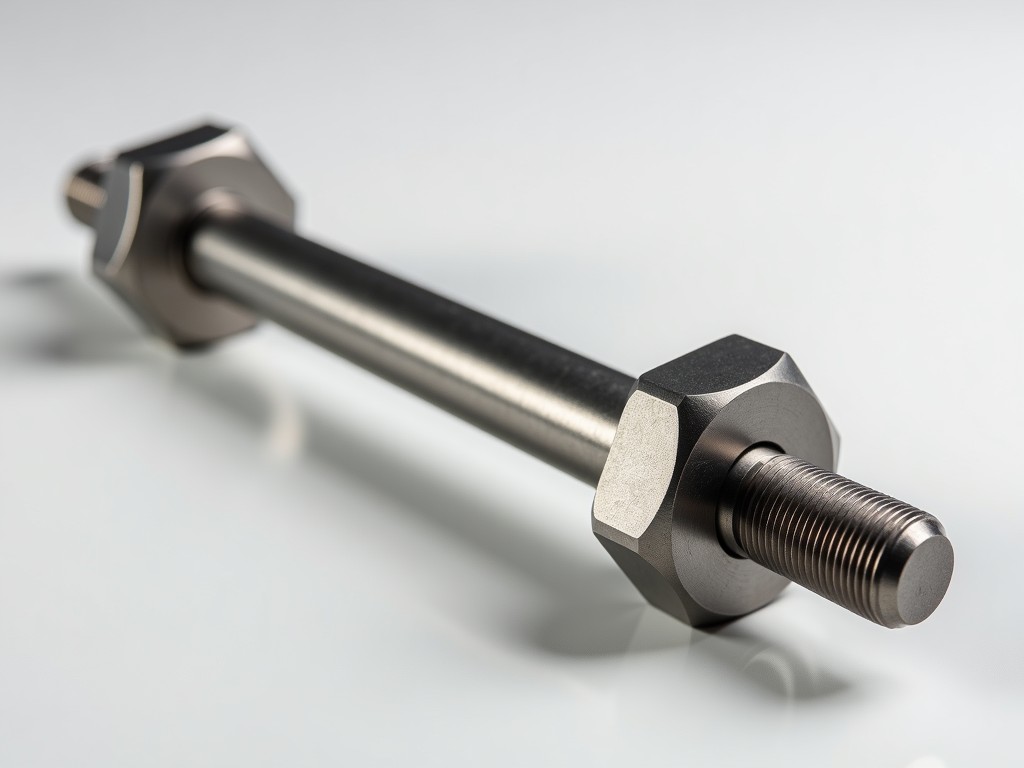
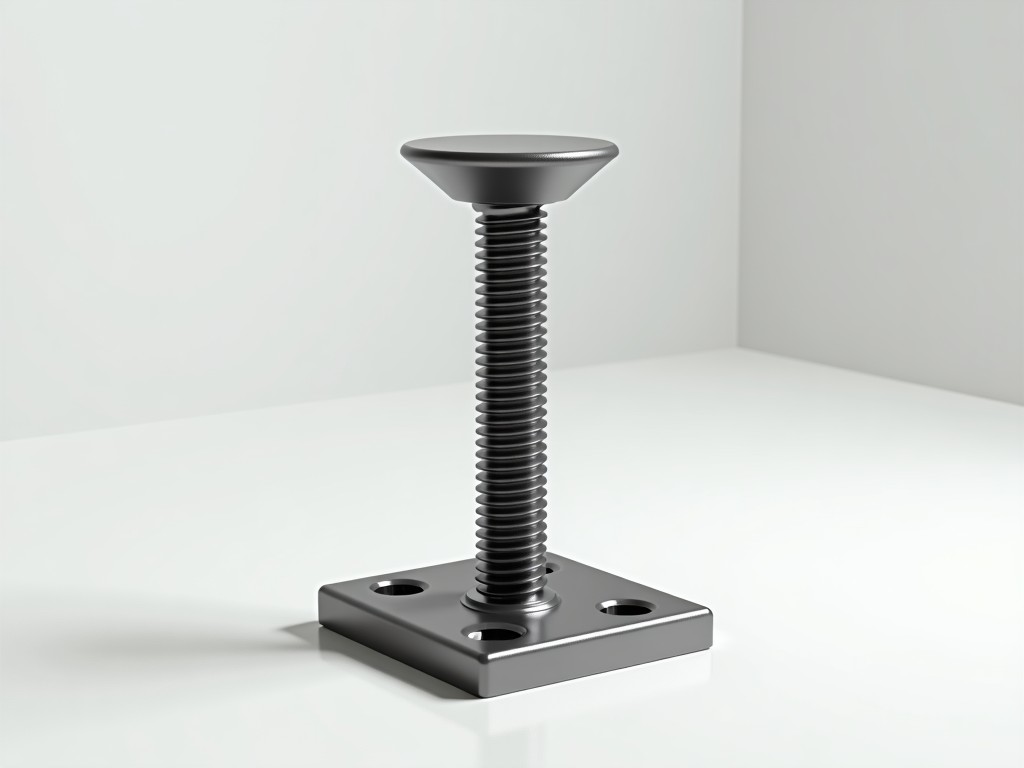
The 1 1 4 scaffold jack consists of a threaded spindle, adjustable base plate, and locking mechanism designed to interface with standard scaffold tube diameters. The spindle features a 1-inch diameter acme thread with 4 threads per inch, providing a balance between adjustment resolution and mechanical advantage. Base plates are typically 4 inches square, offering sufficient bearing area to distribute loads onto soft or uneven surfaces without excessive settlement.
| Parameter | Value | Notes |
|---|---|---|
| Spindle Diameter | 1 inch (25.4 mm) | Acme thread form |
| Thread Pitch | 4 TPI | 1.6 mm pitch |
| Base Plate Size | 4" x 4" (102 x 102 mm) | Square, stamped steel |
| Adjustment Range | Typically 8–12 inches | Dependent on spindle length |
| Material | Hot-rolled steel, Q235 or equivalent | Galvanized or painted finish |
| Safe Working Load (SWL) | 25 kN (5,600 lbf) | Per jack, axial load |
Spindles are manufactured from hot-rolled steel bar stock, machined to precise acme thread tolerances to ensure smooth operation under load. Base plates are stamped from 4–6 mm steel plate, then welded or forged to the spindle collar for load transfer integrity. Surface treatment typically involves hot-dip galvanization to ISO 1461 standards, providing corrosion resistance suitable for outdoor construction environments. Alternative finishes such as powder coating or electro-galvanization are available upon request for specific project requirements.
The 4-inch base plate is engineered to mitigate punching shear failure in granular soils or soft substrates commonly encountered on construction sites. By distributing the jack’s reaction load over 16 square inches, ground pressure is reduced to approximately 350 psf under maximum rated load, minimizing the risk of sudden settlement. The acme thread profile resists radial loading better than standard V-threads, maintaining alignment and reducing wear during repeated adjustment cycles under lateral forces from wind or worker movement.
Adjustment is performed using a forged steel tommy bar inserted into the spindle’s drilled hole, allowing manual rotation even under load. The acme thread’s self-locking characteristic prevents unintended descent when the adjusting force is removed, a critical safety feature in dynamic work environments. Some variants include a cast iron or steel collar clamp that locks the spindle position via a bolt and nut, providing secondary restraint against vibrational loosening.
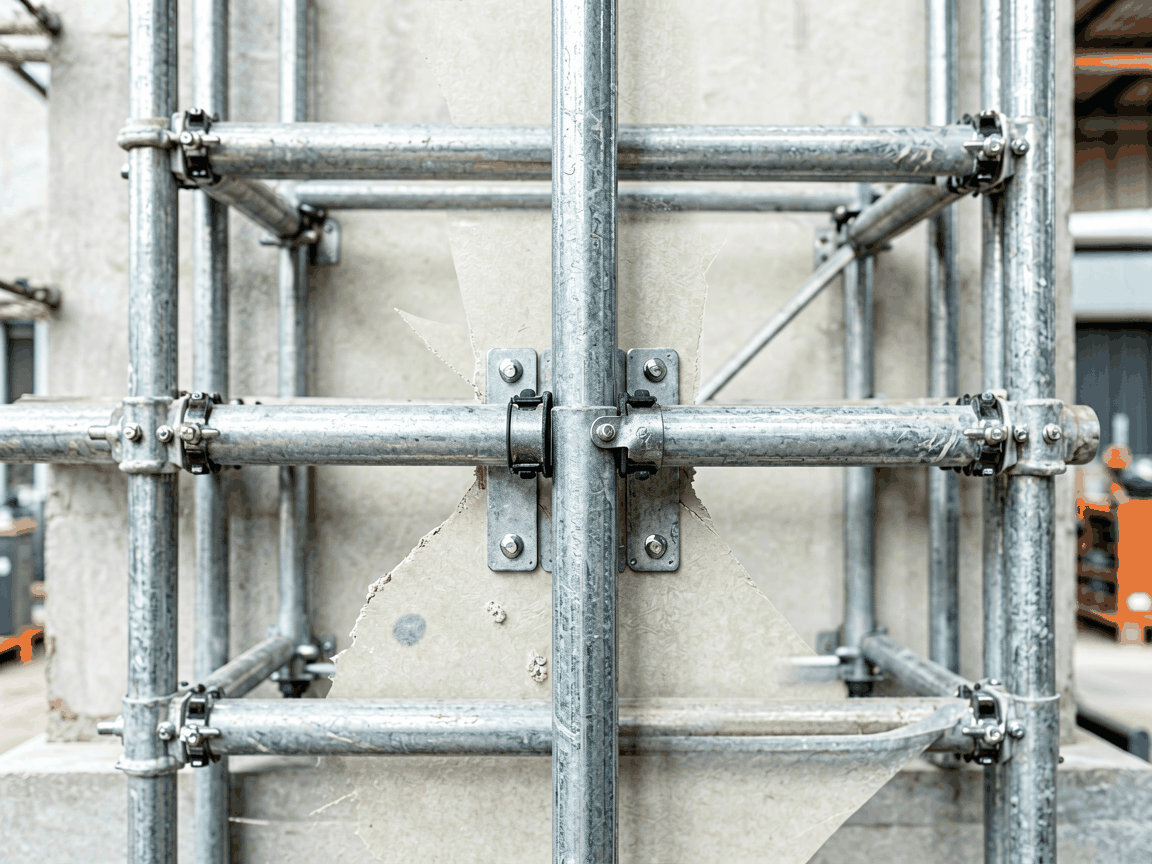
1 1 4 scaffold jacks are primarily used in tube-and-coupler and frame scaffolding systems where the base must accommodate significant site topography variation. They are essential in shoring applications for concrete formwork, where precise elevation control is required to maintain slab thickness tolerances. In facade access systems, they enable platform leveling over uneven building foundations or recessed entryways, ensuring guardrail height compliance and worker fall protection.
Manufacturing follows ISO 9001 quality management principles, with dimensional verification of thread pitch, diameter, and base flatness conducted via calibrated gauges and coordinate measuring machines. Each batch undergoes proof load testing to 1.5 times the rated SWL to confirm elastic behavior and absence of yielding. Thread runout and straightness are checked to ensure smooth tommy bar engagement and prevent binding during adjustment. Surface coating thickness is verified using magnetic induction probes to meet galvanization standards.
While the 1 1 4 thread specification is fixed for compatibility, spindle length and base plate geometry can be adjusted to suit project-specific constraints. Extended spindles up to 24 inches are available for deep shoring or elevated base requirements. Base plates can be supplied with orienting lugs to prevent rotation in soft ground or with larger dimensions (e.g., 6" x 6") for low-bearing-capacity soils. Thread protectors and dust caps are offered as accessories to preserve thread integrity during storage and transport.