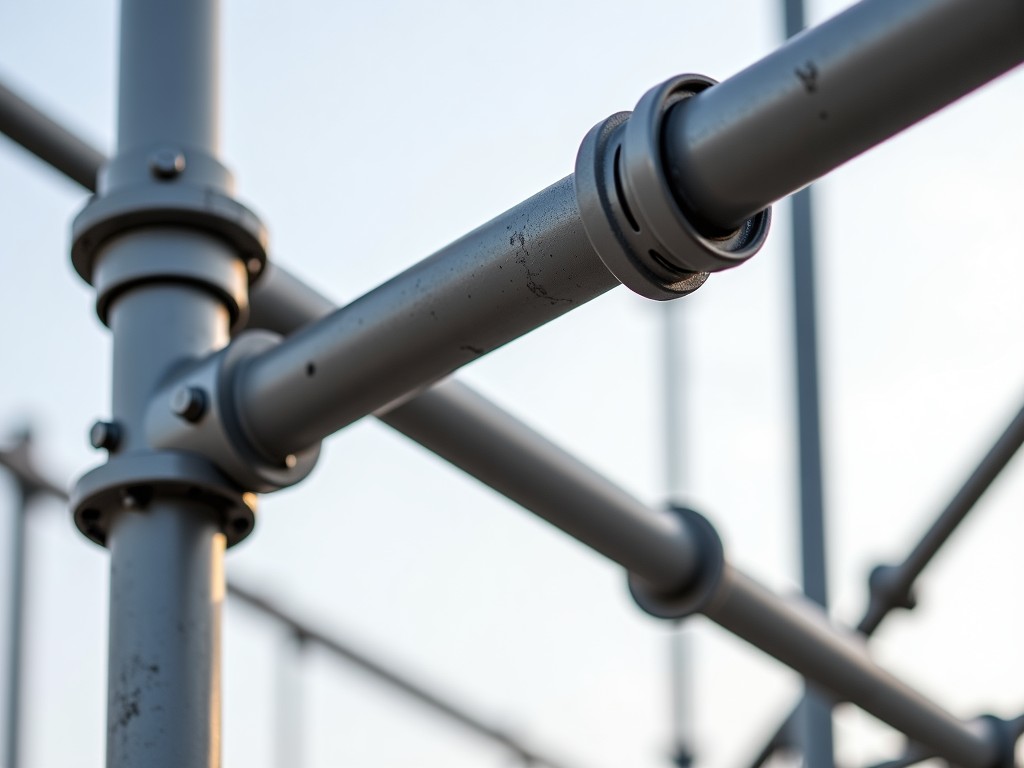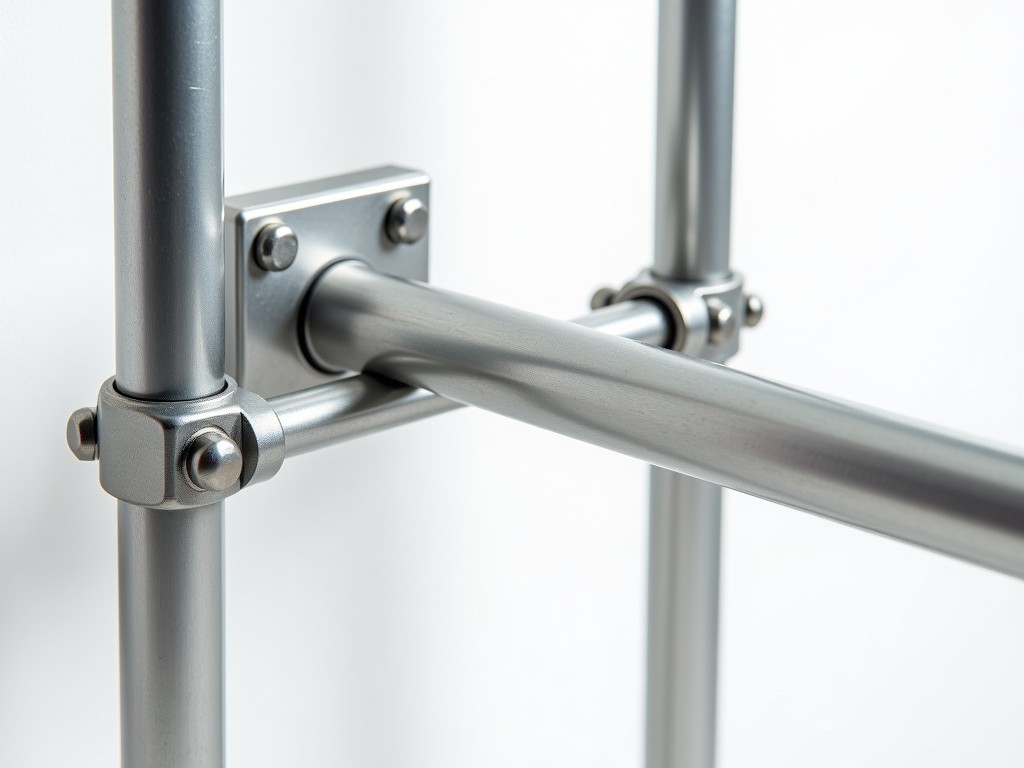
When sourcing scaffolding accessories for industrial or commercial construction projects, selecting a supplier involves more than product availability. Buyers must evaluate technical compatibility, material traceability, compliance with regional safety standards, and long-term supply reliability. This guide outlines key considerations for evaluating suppliers offering scaffolding accessories such as couplers, base plates, adjustable jacks, toe boards, and safety netting systems.
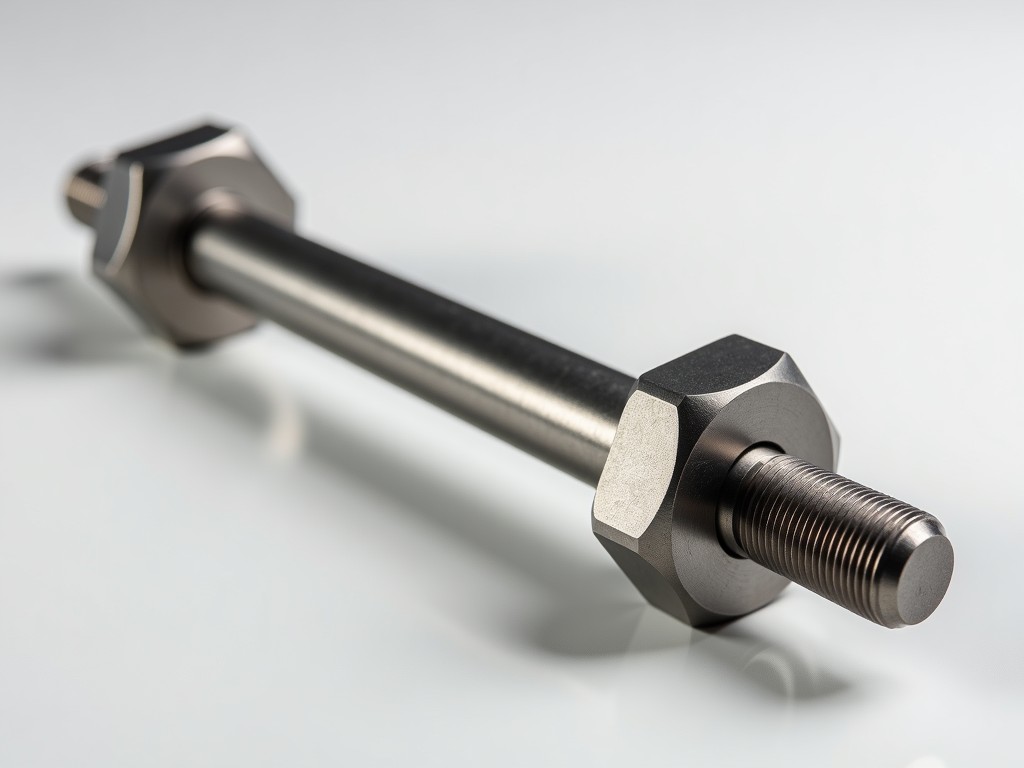
The mechanical performance of scaffolding accessories depends on material grade, manufacturing process, and heat treatment. Couplers and connectors are typically fabricated from Q235 or Q345 carbon steel, with tensile strengths ranging from 370 to 500 MPa. Hot-dip galvanization per ISO 1461 provides a zinc coating thickness of 55–85 µm, ensuring corrosion resistance in humid or coastal environments for 5+ years without maintenance. Base plates and screw jacks often use forged steel for enhanced grain structure and impact resistance, critical under dynamic loading conditions.
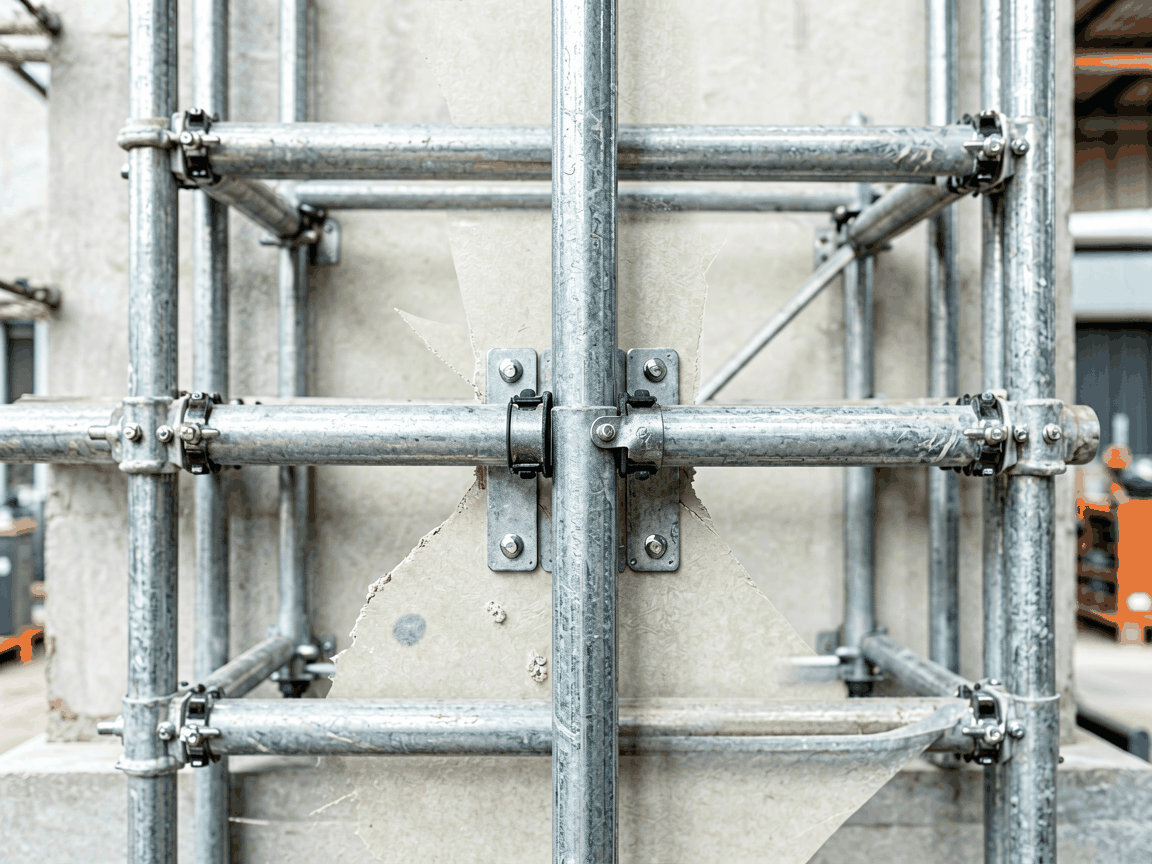
Accessories must align with the dimensional tolerances and locking mechanisms of the primary scaffolding system—whether tube-and-coupler, frame, or modular (e.g., Ringlock, Cuplock, Kwikstage). A mismatch in spigot diameter (e.g., 48.3 mm vs. 50.8 mm) or wedge angle can compromise joint integrity under load. Suppliers should provide detailed CAD models or dimensional inspection reports to verify interoperability. Buyers are advised to request physical samples for fit-check before bulk ordering.
Industrial buyers require traceability from raw material to finished product. Reputable suppliers maintain material test certificates (MTCs) for each batch, linking steel coil numbers to final accessory serials. Non-destructive testing (NDT) such as magnetic particle inspection detects surface cracks in high-stress couplers. Dimensional sampling per ISO 2859-1 ensures batch consistency. Look for suppliers who conduct proof load testing on 10% of coupler batches to 2.5x working load limit, with records available upon request.
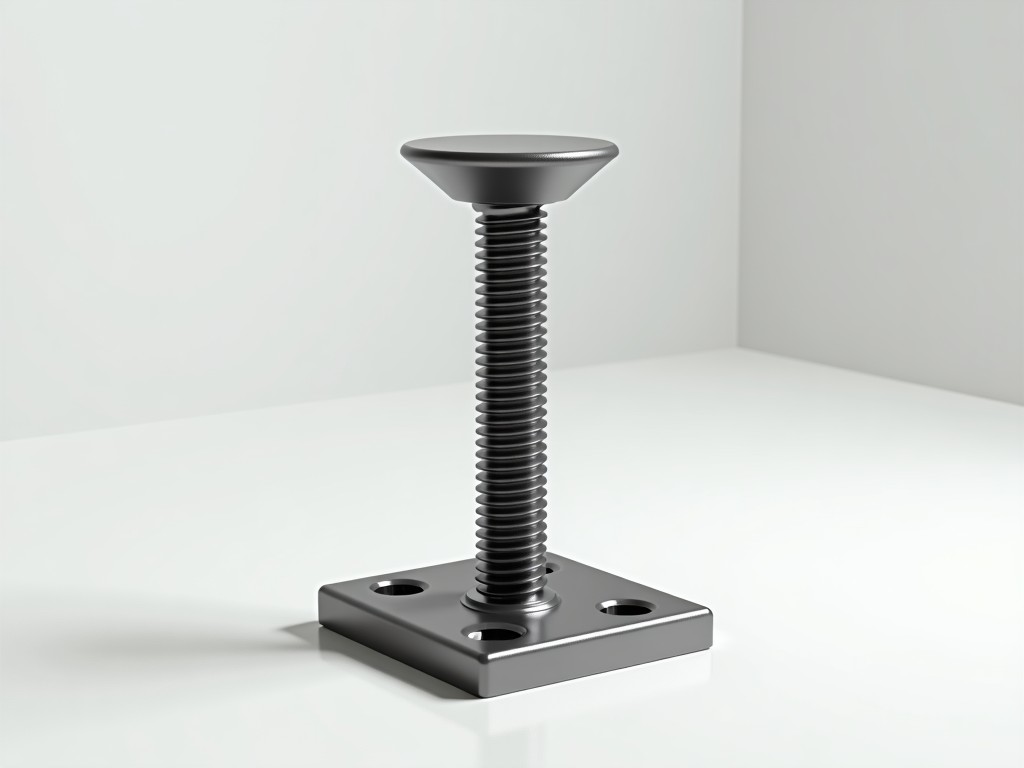
Standard accessories may not suit complex geometries or restricted access sites. Suppliers with in-house fabrication capabilities can produce offset adapters, swivel base plates for uneven terrain, or custom-length screw jacks with trapezoidal threads for precise elevation control. Modifications such as reinforced toe board brackets or integrated fall-arrest anchor points require engineering review. Confirm whether the supplier offers design support, FE analysis, or stamped drawings for altered components.
Project timelines depend on consistent accessory availability. Evaluate suppliers based on minimum order quantities (MOQs), inventory depth for SKUs like swivel couplers or adjustable base jacks, and lead times for non-stock items. Typical lead times for standard galvanized accessories range from 2–4 weeks; custom forged components may take 6–8 weeks. Inquire about safety stock policies and contingency plans for raw material delays, particularly during peak construction seasons.
Accessories must meet local safety regulations such as OSHA 1926 Subpart L (US), EN 12810-1/EN 12811-1 (EU), or AS/NZS 1576 (Australia). Suppliers should provide declarations of conformity and third-party test reports from accredited labs (e.g., TÜV, SGS, CSA Group). Avoid suppliers who rely solely on internal testing without external validation. For export projects, confirm familiarity with destination-country certification processes to avoid customs delays.
| Accessory Type | Typical Material | Surface Treatment | Key Standard Reference |
|---|---|---|---|
| Right-angle coupler | Q235 steel | Hot-dip galvanized | EN 74 Class B |
| Swivel coupler | Q345 steel | Hot-dip galvanized | EN 74 Class B |
| Adjustable base jack | Forged Q345 | Hot-dip galvanized | EN 12811-1 |
| Toe board bracket | Q235 steel | Hot-dip galvanized | EN 12811-1 |
| Safety net support | Structural steel | Hot-dip galvanized | EN 1263-1 |
Selecting a scaffolding accessories supplier is a technical decision that impacts site safety, workflow efficiency, and lifecycle cost. Prioritize vendors who demonstrate engineering rigor, transparent quality systems, and a willingness to collaborate on project-specific challenges. For detailed specifications, quotation requests, or technical consultation, contact our team to discuss your project requirements.
Request Technical Consultation