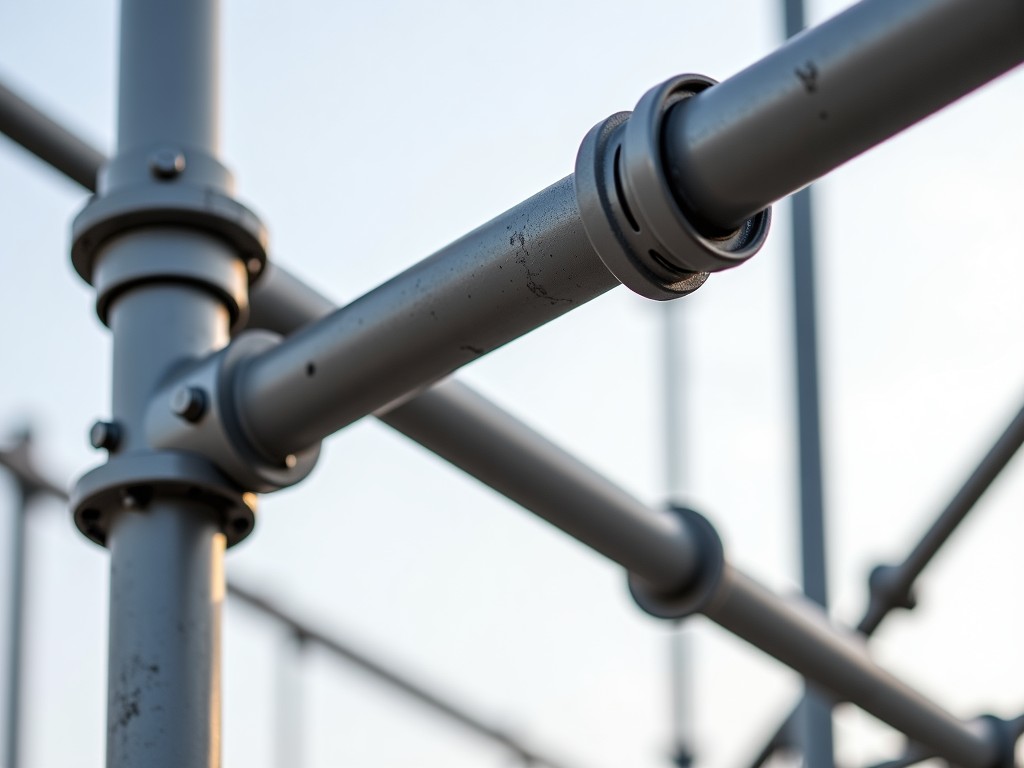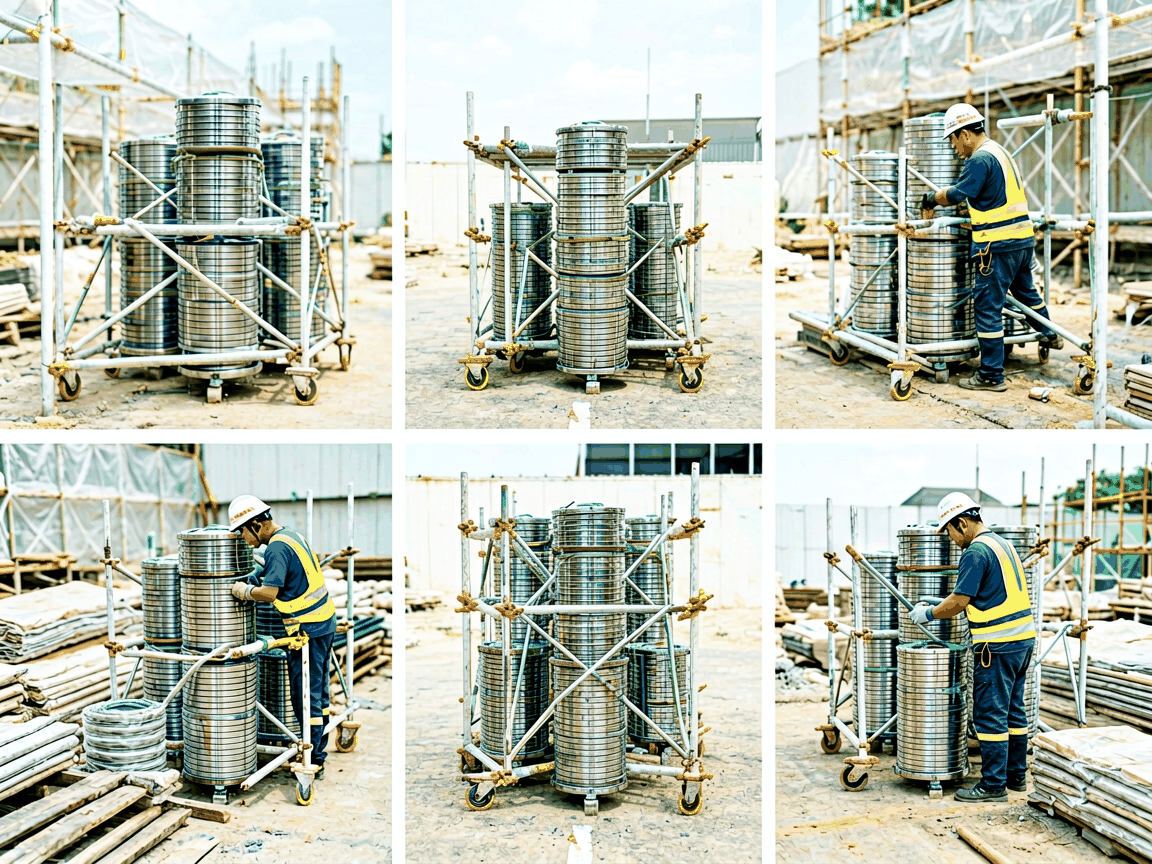
Industrial scaffolding systems depend on precision-engineered accessories to ensure structural integrity, load distribution, and worker safety under dynamic site conditions. Selecting appropriate components requires understanding material behavior, connection mechanics, and compliance with international temporary works standards. This page outlines key technical considerations for evaluating scaffolding accessories from Chinese manufacturers, focusing on measurable engineering properties rather than promotional claims.
Buyers should prioritize verifiable specifications such as yield strength, dimensional tolerances, corrosion protection thickness, and connection slip resistance when assessing suitability for specific load cases and environmental exposures.
The performance of scaffolding accessories begins with base material selection. Most load-bearing components such as couplers, base jacks, and brace fittings are manufactured from structural carbon steel grades like Q235 or Q345, chosen for their balance of yield strength, ductility, and weldability. Q235 offers a minimum yield strength of 235 MPa, while Q345 provides 345 MPa, allowing for reduced section sizes in high-load applications without compromising safety factors.
Tensile strength typically ranges from 370–500 MPa for Q235 and 470–630 MPa for Q345, with elongation at fracture between 20–26% ensuring adequate plastic deformation capacity before failure. These values are critical for energy absorption during unexpected overload scenarios.
Material test reports (MTRs) should accompany batch shipments, confirming chemical composition (e.g., carbon ≤0.22% for Q235, manganese ≤1.6%) and mechanical test results from tensile and impact testing conducted at ambient or low temperatures as required by project specifications.
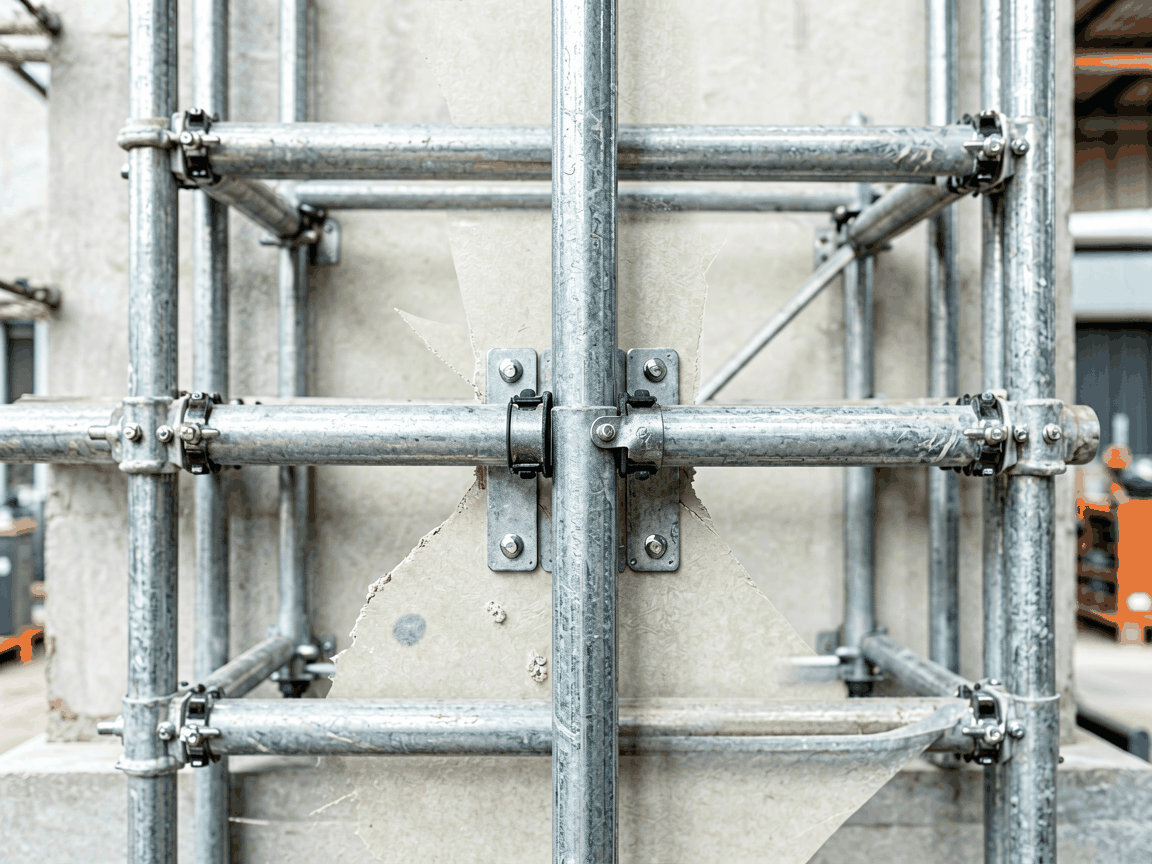
Couplers and clamps transfer loads between tubes primarily through friction generated by clamping force. The slip resistance of a connection depends on the normal force applied by the tightening mechanism, the coefficient of friction between mating surfaces, and the contact area geometry. Standard swivel and fixed couplers are designed to resist slip at design loads when tightened to torque values typically ranging from 50–70 Nm for 48.3 mm diameter tubes.
Surface condition significantly affects performance: mill scale, rust, or paint reduces effective friction, necessitating proper preparation or specifying accessories with machined or treated contact faces. Some manufacturers offer couplers with hardened steel inserts or serrated jaws to maintain consistent slip resistance over repeated use.
Testing according to EN 74 or ANSI/ASSE A10.8 standards measures slip load at incremental torque values; compliant products should exhibit no sudden displacement under 1.5 times the design load. Buyers should request test certificates verifying slip resistance at specified torque levels rather than relying on generic claims.
Corrosion protection extends service life and maintains dimensional accuracy of threaded components like base jacks and sleeve couplers. Hot-dip galvanizing (HDG) per ISO 1461 is the most common method, providing a zinc coating typically between 55–85 μm for accessories exposed to outdoor environments. This thickness corresponds to approximately 400–600 g/m² zinc mass, offering sacrificial protection that delays base steel oxidation.
Electroplated zinc (typically 8–12 μm) is used for internal components or low-exposure applications but provides limited durability in wet or chloride-rich conditions. For aggressive environments, some manufacturers offer duplex systems (HDG plus powder coating) or thermal diffusion galvanizing, which improves coating uniformity on threaded parts without risking hydrogen embrittlement.
Coating thickness should be verified via magnetic induction or coulometric stripping methods on sample parts, with adherence tested per ISO 2409. Buyers in coastal or industrial zones should specify minimum coating mass and request third-party verification reports for critical applications.
Interchangeability between components from different manufacturers relies on strict adherence to tube outer diameter (OD) and accessory internal diameter (ID) tolerances. Standard scaffolding tubes use 48.3 mm OD (±0.5 mm) with wall thicknesses ranging from 3.2 mm to 4.0 mm. Accessories must accommodate this range while maintaining sufficient wall contact for load transfer.
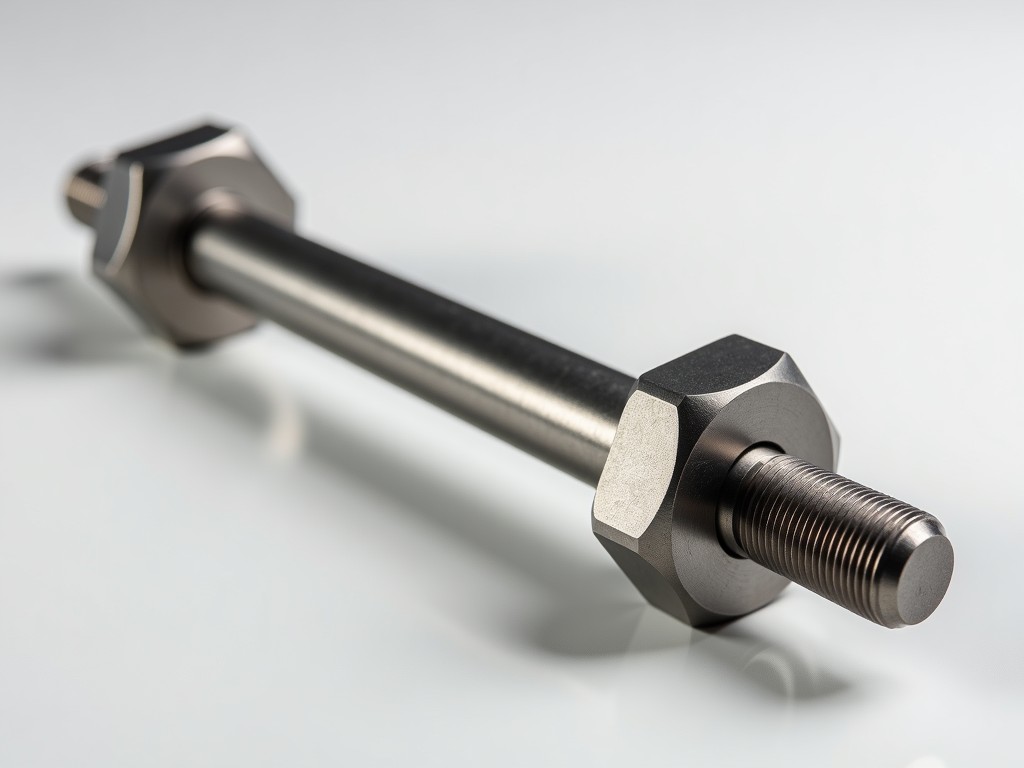
Internal coupler dimensions are typically held to ±0.3 mm tolerance to ensure proper fit without excessive play or installation interference. Threaded components such as base jacks follow ISO metric standards (e.g., M24 or M30) with 6g external thread tolerance to allow smooth engagement with nuts and sleeves while preventing loosening under vibration.
Gauge pins and go/no-go gauges are used during production to verify critical dimensions. Buyers should confirm whether suppliers conduct 100% dimensional inspection or statistical process control (SPC) on key features, particularly for load-bearing interfaces where misalignment can induce eccentric loading.
Rated load capacities for scaffolding accessories are determined through structural analysis and physical testing, applying design factors that account for material variability, manufacturing tolerances, and dynamic effects. For example, a standard right-angle coupler may have a characteristic slip load of 22 kN, with a design load of 11 kN after applying a partial safety factor of 2.0 for connections as specified in EN 12810-1.
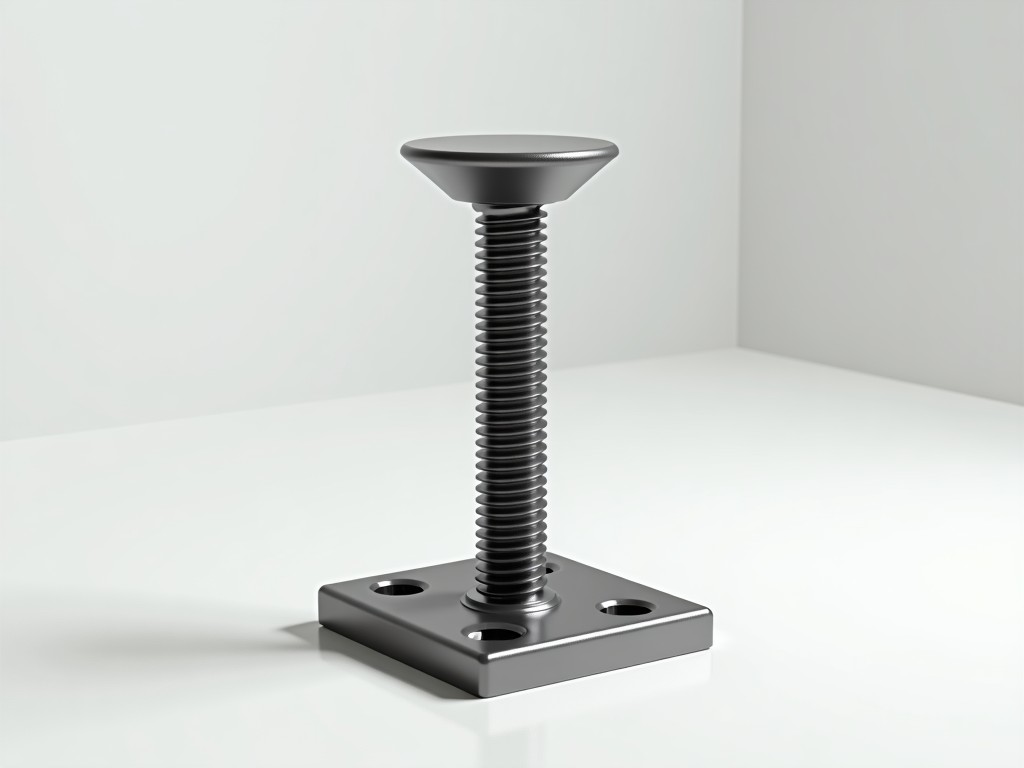
Base jacks are rated for axial compressive loads; a typical 600 mm extension jack made from Q345 steel with a 38 mm diameter acme thread may support up to 25 kN before exceeding allowable stress, depending on end condition and lateral restraint. Buckling resistance becomes critical at full extension, requiring consideration of effective length and end fixity.
While standard accessories cover most tubular scaffolding systems, projects with unique geometry, load patterns, or interface requirements often need modified components. Common customizations include altered thread lengths on base jacks to accommodate uneven foundations, offset couplers for connecting tubes at non-standard angles, and forged steel nodes for complex lattice configurations.
Quality Control and Testing Protocols
Inspection Item
Typical Method
Acceptance Criteria
Proper packaging prevents damage during transit and preserves corrosion protection. Accessories are typically bundled in bales of 50–100 units using steel or plastic straps, then wrapped in water-resistant film or placed in woven polypropylene sacks. For threaded components, end protectors or plastic caps are applied to prevent impact damage and contamination.