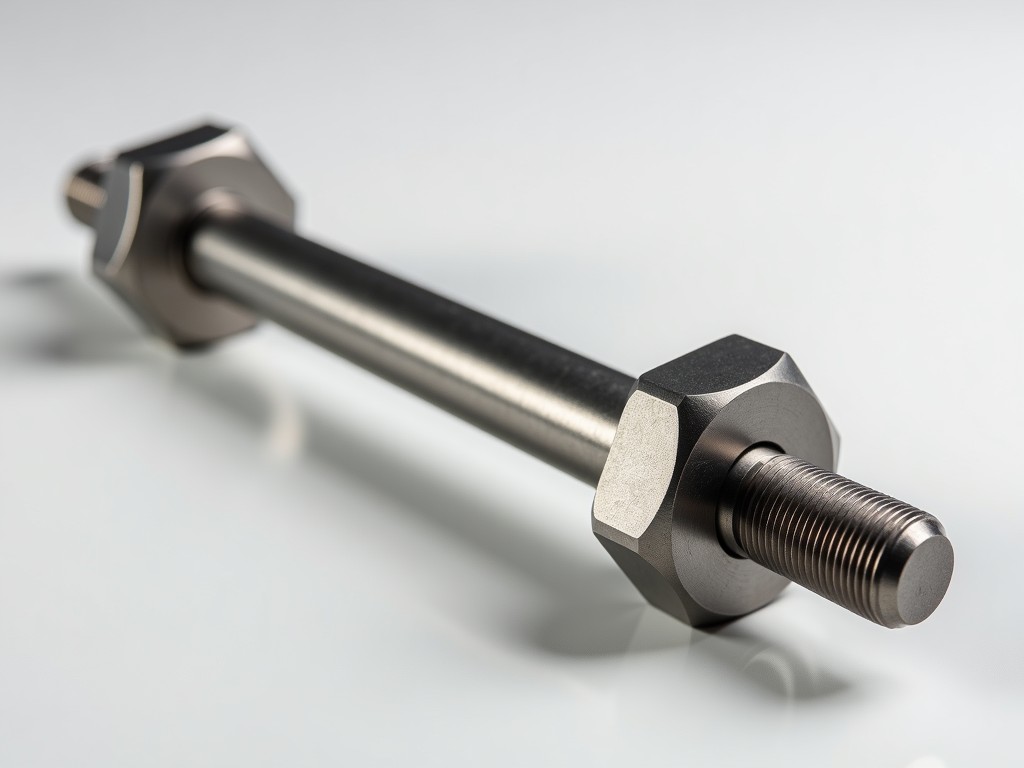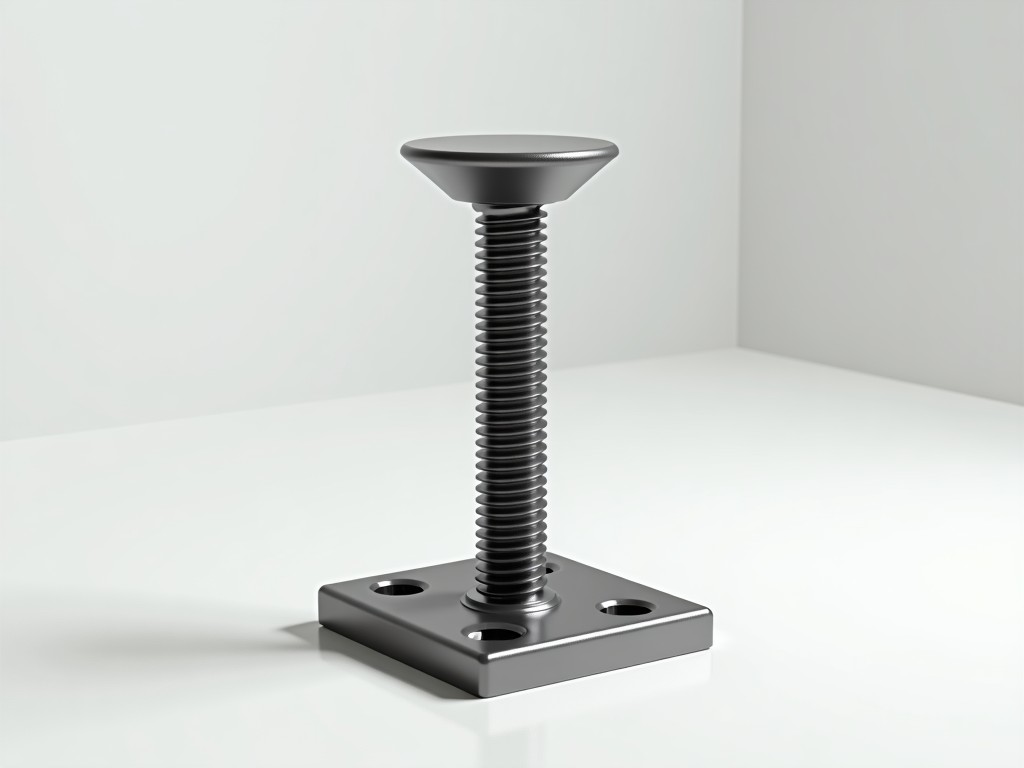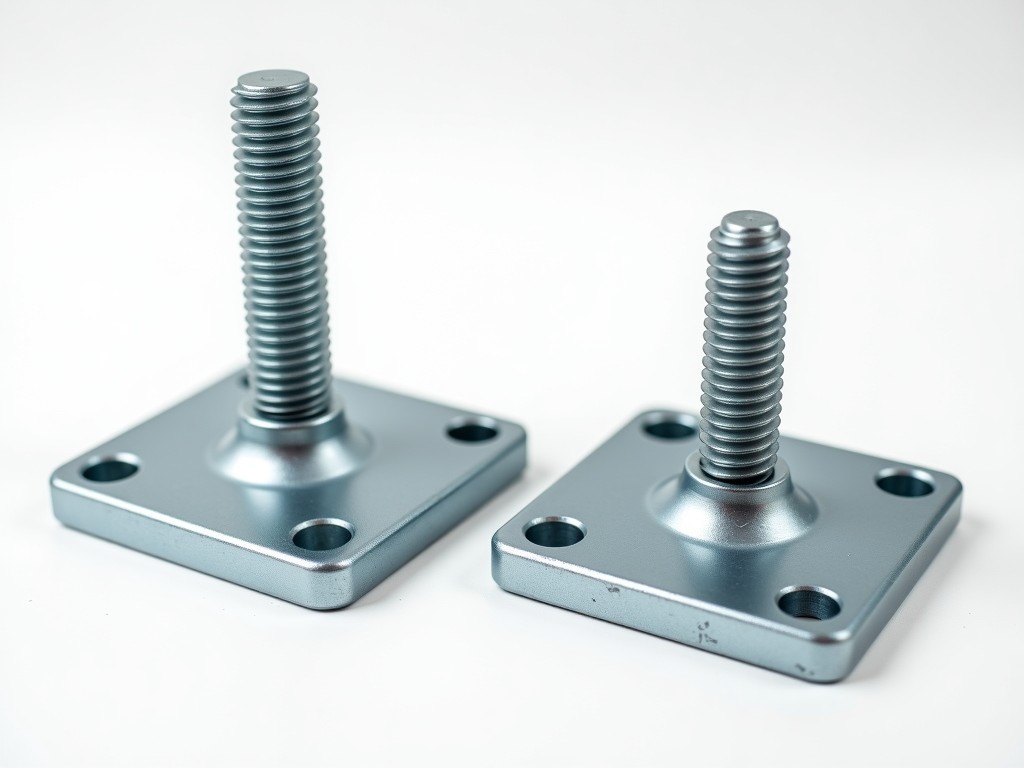
Scaffold base plate screw jacks are adjustable leveling components designed to provide stable, load-bearing support for temporary scaffolding systems. They consist of a threaded steel rod housed within a base plate, allowing precise vertical adjustment to compensate for uneven ground surfaces. This adjustability ensures scaffolding erects plumb and level, which is critical for worker safety and structural integrity during construction, maintenance, and renovation projects. Unlike fixed base plates, screw jacks enable micro-adjustments after initial placement, reducing the need for shimming or rework.
The performance of a scaffold screw jack depends on material selection, thread design, base plate dimensions, and load distribution. Most industrial-grade jacks use hot-rolled or cold-drawn carbon steel (such as Q235 or equivalent) for the threaded rod and base plate, chosen for its yield strength and ductility under cyclic loading. The threaded section typically features a trapezoidal or ACME thread profile, which offers higher load capacity and better resistance to wear compared to standard V-threads under repeated adjustment. Base plates are generally square or circular, with diameters ranging from 150 mm to 200 mm, designed to disperse load over a sufficient area to prevent soil or surface deformation.
Adjustment range is a critical specification, commonly between 300 mm and 600 mm of usable thread engagement, allowing for significant height variation while maintaining mechanical stability. The nut or handle mechanism—often a forged steel collar with a welded handle—enables manual rotation even under load, with some models incorporating a locking pin or ratchet to prevent unintended descent. Corrosion resistance is addressed through hot-dip galvanizing, electroplating, or powder coating, depending on the intended environment (indoor, outdoor, marine, or chemical exposure). These finishes are selected based on salt spray test ratings (e.g., 500+ hours for hot-dip galvanizing) to ensure longevity.
Load capacity is determined through structural analysis of the threaded rod’s cross-sectional area, material tensile strength, and thread shear strength, combined with base plate bearing pressure on the substrate. Typical working load limits (WLL) for standard scaffold screw jacks range from 20 kN to 36 kN (approximately 2,000 kg to 3,600 kg), depending on rod diameter (commonly 20 mm to 32 mm) and material grade. These values are derived with a minimum safety factor of 4:1 against yield and 6:1 against ultimate failure, in accordance with international temporary works standards such as EN 12811-1 or ANSI/ASSE A10.8.
It is essential to distinguish between static load capacity and dynamic or impact-loaded scenarios. Screw jacks are designed for sustained, static loads; sudden impacts or lateral forces can induce bending moments in the threaded rod, potentially leading to buckling if the slenderness ratio exceeds limits. Therefore, proper installation requires the jack to be positioned vertically, with the base plate fully seated on a competent surface, and the scaffolding standards aligned concentrically with the jack’s axis. Lateral bracing and proper scaffolding erection procedures are required to prevent side loading that could compromise the jack’s stability.
Material selection depends on environmental exposure, required lifespan, and project budget. Carbon steel remains the most common choice due to its strength-to-cost ratio and ease of fabrication. For enhanced corrosion resistance in humid or coastal environments, hot-dip galvanizing (per EN ISO 1461) provides a zinc coating typically 55–85 µm thick, offering sacrificial protection. Electroplated zinc (12–25 µm) is suitable for intermittent outdoor use or indoor applications with controlled moisture. In aggressive environments—such as chemical plants or wastewater facilities—stainless steel grades (e.g., 304 or 316) may be specified, though at significantly higher cost.
Surface treatments are not merely cosmetic; they directly affect maintenance intervals and replacement cycles. Powder coating offers UV resistance and color coding options for site identification but provides less barrier protection than galvanizing in wet conditions. Some manufacturers apply a duplex system (galvanizing plus powder coating) for extended durability in harsh climates. Thread lubrication is also a consideration—dry film lubricants or grease fittings may be included to reduce operating torque and prevent galling, especially in frequently adjusted systems. These details are often specified in the product datasheet based on anticipated adjustment frequency.
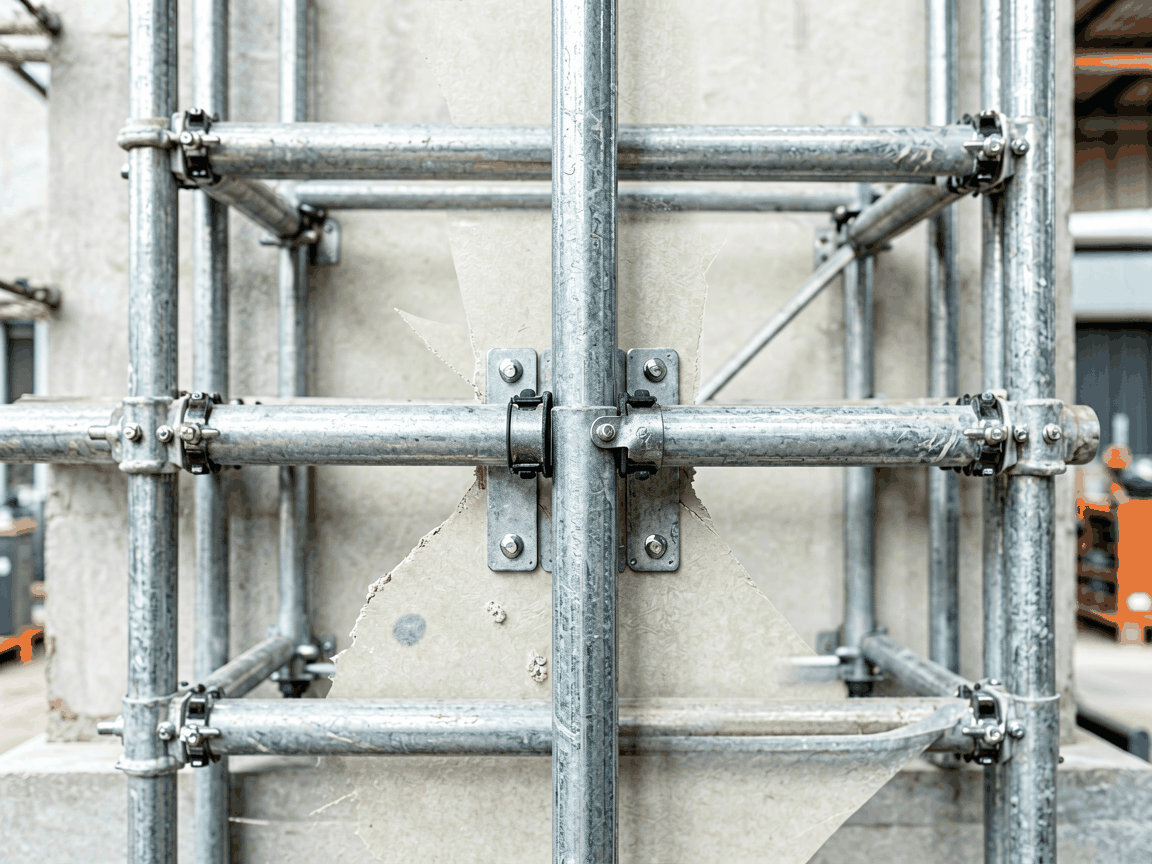
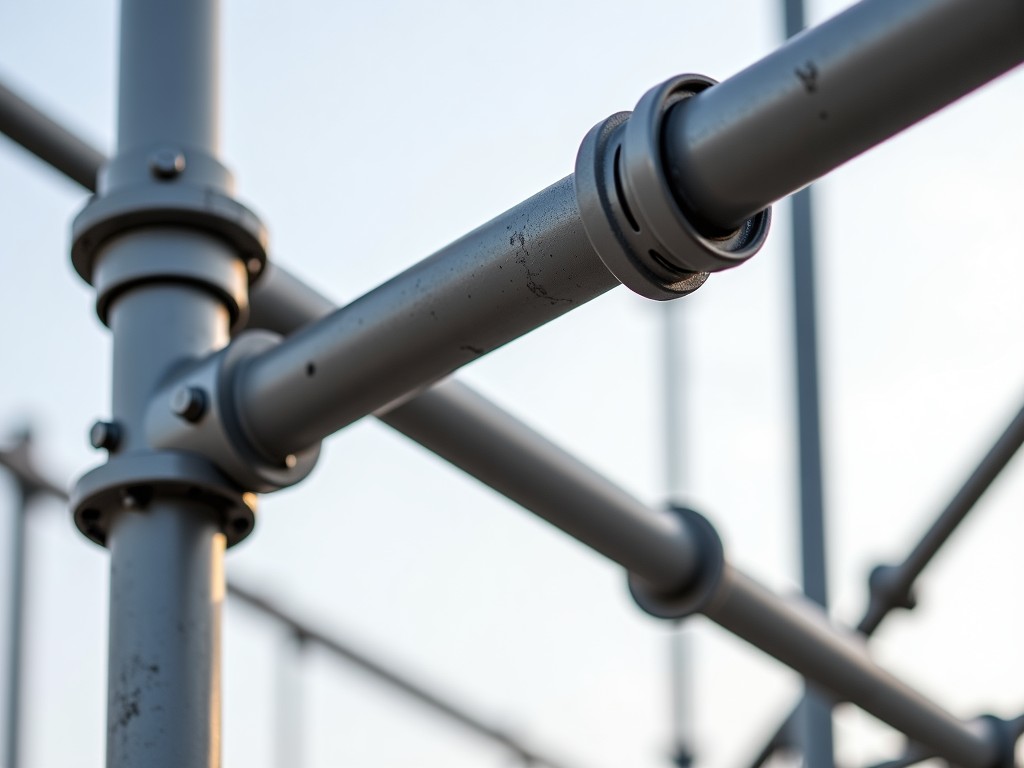
Scaffold base plate screw jacks are used wherever scaffolding must be erected on uneven, sloped, or unprepared ground. Common applications include building façade renovation, where foundations may be obstructed by landscaping or existing structures; bridge maintenance, where access is required over irregular terrain or waterways; and industrial plant turnarounds, where scaffolding must navigate around piping, equipment foundations, or cable trays. In each case, the ability to level individual standards independently prevents cumulative tilt across the scaffold bay, which could otherwise lead to misalignment of platforms, guardrails, or tie-in points.
They are also essential in shoring and formwork systems for concrete construction, where precise elevation control is necessary to achieve correct slab thickness and surface finish. In suspended scaffolding or cantilevered systems, screw jacks at the base help transfer loads vertically to the ground, minimizing eccentricity. Event staging and temporary grandstands rely on them for rapid, accurate leveling over paved or gravel surfaces where penetrative anchoring is not permitted. Their versatility makes them a standard component in modular scaffolding systems across commercial, infrastructure, and industrial sectors.
| Characteristic | Standard Duty | Heavy Duty |
|---|---|---|
| Threaded Rod Diameter | 20 mm – 25 mm | 28 mm – 32 mm |
| Material Grade | Q235 / S235JR | Q345 / S355JR |
| Typical WLL | 20 kN – 25 kN | 30 kN – 36 kN |
| Adjustment Range | 300 mm – 450 mm | 450 mm – 600 mm |
| Base Plate Size | 150 mm × 150 mm | 200 mm × 200 mm |
| Surface Treatment | Hot-dip galvanized | Hot-dip galvanized |
| Common Use Case | Low-rise building, interior work | High-rise, bridge, industrial |
The table above illustrates how dimensional and material scaling affects performance. Heavy-duty versions increase rod diameter and use higher-strength steel to safely support greater loads, particularly important in multi-story scaffolding or where point loads from heavy equipment are transferred through the standards. Base plate size increases proportionally to reduce ground bearing pressure, which is critical on soft soils, asphalt, or fragile surfaces like existing flooring. Adjustment range is often extended in heavy-duty models to accommodate larger variations in site topography without requiring additional extensions or cribbing.
Reliability begins with raw material traceability—mill test reports for steel rods and plates confirm chemical composition and mechanical properties. Thread rolling (rather than cutting) is preferred for producing the adjustment thread, as it work-hardens the surface, improves fatigue resistance, and ensures tighter tolerances. Each jack undergoes dimensional inspection of rod straightness, thread pitch accuracy, and base plate flatness. Welded components (such as handles or lugs) are inspected for penetration and lack of defects, especially in load-bearing joints.
Surface treatment thickness is verified using magnetic or eddy current gauges to ensure compliance with coating standards. Load testing may be performed on a sampling basis, applying incremental forces to verify deflection and permanent set remain within elastic limits. Thread operation is checked for smoothness and torque consistency—excessive resistance indicates galling or misalignment, while excessive play suggests worn threads. These checks are not arbitrary; they directly correlate to field performance and safety margins. Manufacturers following ISO 9001 or similar quality systems document these processes to ensure repeatability.
While standard configurations cover most scaffolding needs, certain projects require modifications. Thread length can be extended beyond standard ranges for deep foundations or basements where significant ground variation is expected. Handle designs may be altered—for example, replacing the standard T-handle with a ratchet mechanism for faster adjustment in high-cycle applications, or adding a security pin to prevent tampering in public access areas. Base plates can be fabricated with perforations for drainage, or with integrated drainage channels to prevent water pooling on flat roofs or membrane surfaces.
For specialized environments, such as clean rooms or food processing facilities, stainless steel construction with electropolishing may be specified to meet hygiene standards. In explosive atmospheres (ATEX zones), non-sparking handles or anti-static coatings might be required. Some clients request color-coded bases or handles for site logistics—different colors indicating load capacity ranges or inspection status. These adaptations are feasible due to the product’s relatively simple geometry, but they must be evaluated for impact on load path, corrosion resistance, and ease of maintenance. Clear communication of requirements ensures the final product meets both functional and compliance needs.
Scaffold screw jacks are typically bundled in quantities of 25 or 50 units per pallet, secured with steel or plastic strapping and protected by corner boards to prevent damage during transit. Base plates are often stacked with protective interleaving (such as cardboard or plastic sheets) to avoid surface scratching of galvanized finishes. Threaded rods are aligned in the same direction to prevent tangling and facilitate quick unpacking on-site. Weight per unit ranges from 2.5 kg to 4.5 kg depending on size and material, so a full pallet can exceed 200 kg—requiring forklift or pallet jack handling.
For export shipments, additional protection includes moisture-barrier bags or VCI (volatile corrosion inhibitor) paper inside the packaging to guard against humidity during sea transit. Markings on the pallet include product code, quantity, weight, and handling instructions. Some manufacturers offer laser etching or stamping on the base plate or rod for traceability—useful for rental companies managing large inventories. These logistical considerations are not minor; damaged or corroded components upon arrival can delay scaffold erection and increase project costs.